Introduction
Are you looking to post pregnancy yoga to reduce tummy effectively? Post pregnancy yoga has gained popularity as a method that not only helps tone abdominal muscles but also addresses emotional well-being, making it an essential practice for new mothers.

Post-Pregnancy Yoga
Post-pregnancy yoga is a beneficial approach for mothers seeking to regain their pre-pregnancy shape. It provides numerous advantages for physical recovery while also supporting emotional health. Engaging in yoga helps in restoring core strength, improving flexibility, and alleviating the stress that may accompany the postpartum journey.
This practice places significant emphasis on gentle movements and breathwork, which are crucial for healing the body. Targeted poses can also address issues like diastasis recti, a common condition where abdominal muscles separate during pregnancy, thereby promoting overall recovery and well-being.
Enhancing Emotional Well-Being
Post-pregnancy yoga is not solely focused on the physical aspects of recovery; it also plays an essential role in mental health. The practice incorporates mindfulness techniques that help to manage anxiety and reduce symptoms of postpartum depression. Establishing a consistent yoga routine allows mothers to reconnect with themselves and their bodies while fostering emotional resilience.
Yoga supports new mothers in their recovery journey, allowing them to build strength and confidence. By focusing on both physical and emotional healing, yoga can significantly enhance the quality of life during the often challenging postpartum period.
In summary, incorporating post-pregnancy yoga into your routine is an empowering choice that nurtures both body and mind. It not only aids in tummy reduction but also provides an avenue for mental clarity and emotional support as mothers embark on their new journey.

Primary Benefits of Post Pregnancy Yoga To Reduce Tummy
Yoga post-pregnancy offers a myriad of benefits that extend beyond physical fitness, fostering both emotional well-being and a supportive community for new mothers. Here are some key advantages:
Strengthening Abdominal Muscles
Post-pregnancy yoga specifically targets the weakened abdominal muscles that many women experience after delivery. By engaging in consistent yoga practice, new mothers can effectively promote fat reduction in the tummy area, assisting them in regaining their pre-pregnancy shape.
Diastasis Recti Improvement
One significant concern for new mothers is diastasis recti, a separation of the abdominal muscles. Evidence suggests that post-pregnancy yoga can significantly reduce this condition, with some studies indicating a potential reduction of up to 2 inches in just three weeks.
Weight Management
In the initial months postpartum, managing weight can be challenging. Yoga plays a supportive role in weight loss during this crucial period, making it an important consideration for mothers aiming to shed pregnancy-related weight.
Enhanced Recovery and Relaxation
Post-pregnancy yoga assists in both physical recovery and emotional healing. The practice is known to help reduce stress and anxiety levels, as well as alleviate symptoms related to postpartum depression. This dual approach to physical and mental well-being is vital for new mothers as they navigate this transformative stage of life.
Community and Support
Engaging in post-pregnancy yoga classes fosters a sense of community among new mothers. This connectedness is essential for nurturing mental health during the often-challenging postpartum period, providing social support that enhances overall well-being.
Yoga Techniques for Tummy Reduction
Yoga offers several effective techniques aimed at reducing tummy size and promoting core strength. Below are key methods to consider for post pregnancy yoga to reduce tummy.
Specific Breathing Exercises
Breathing exercises play a vital role in engaging the core and establishing internal body balance. Focusing on your breath can help enhance awareness of your abdominal muscles. Key points include:
- Core Engagement: Concentrate on drawing your belly button toward your spine during breaths. This action helps to activate the core muscles effectively.
- Internal Balance: Proper breathing techniques promote a harmonious balance within the body, which can lead to overall wellness and aid in tummy reduction.
Gentle Yoga Poses
Incorporating gentle yoga poses into your routine can enhance relaxation and realignment of the body, further assisting in tummy reduction. Some notable poses include:
- Cat-Cow Pose: This sequence not only helps to stretch and strengthen the spine but also engages core muscles, promoting digestion and reduction of abdominal tension.
- Child’s Pose: This restorative pose allows for relaxation, reduces stress, and helps in body re-alignment, contributing to better digestive health and a flatter tummy.
In conclusion, integrating specific breathing exercises and gentle yoga poses into your routine can effectively contribute to tummy reduction and overall body balance.
Safety Considerations
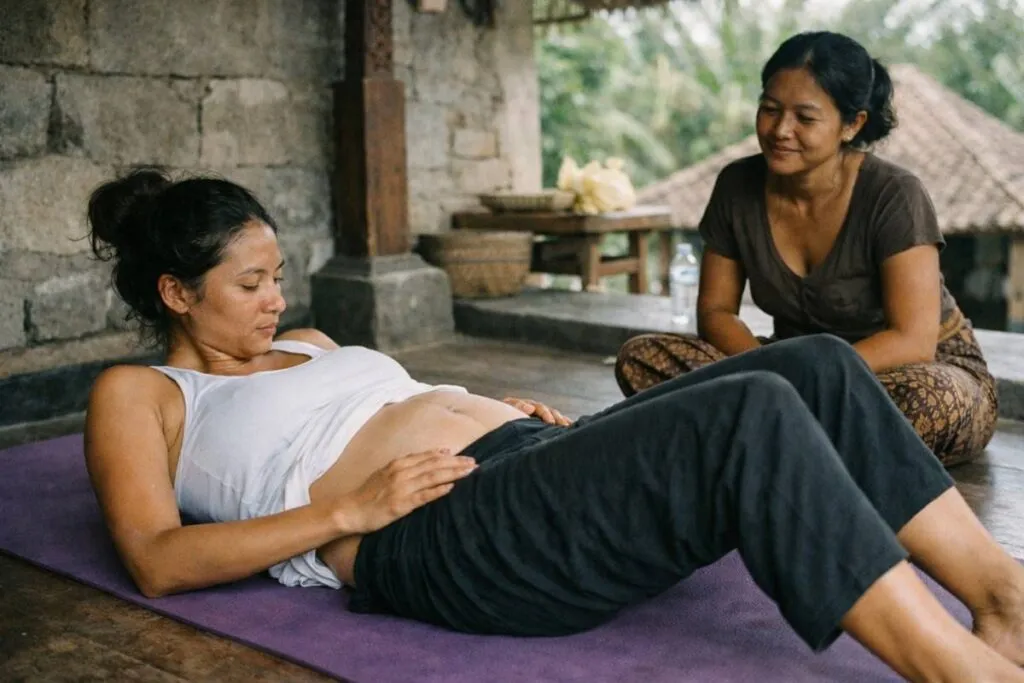
Consulting with healthcare providers is essential before starting any yoga practice, especially for those recovering from injuries or managing chronic conditions. The importance of this step cannot be overstated. Engaging in yoga without prior consultation can pose risks, particularly if individuals are unaware of their specific recovery levels or limitations. Health professionals can provide tailored advice that considers a person’s unique medical history and current physical state.
When initiating yoga, healthcare providers can evaluate whether the practice aligns with the individual’s therapeutic goals. They can recommend modifications or specific styles of yoga that might be more suitable for healing. This personalized approach not only ensures safety but also enhances the effectiveness of the recovery process, embodying a sustainable strategy for physical well-being and mental clarity. Always seek the guidance of a qualified professional to navigate these considerations effectively, promoting a safer yoga experience.
Recommended Yoga Poses
Practicing yoga can be incredibly beneficial for postpartum recovery, helping to restore strength, flexibility, and mental wellness. Below are essential yoga poses specifically tailored for new mothers, focusing on various aspects of recovery.
Essential Yoga Poses for Postpartum Recovery
- Mountain Pose (Tadasana): This foundational pose improves posture and alleviates back pain, helping to realign the body after childbirth.
- Seated Spinal Twist (Ardha Matsyendrasana): Engaging in this twist enhances spinal flexibility and releases tension, making it excellent for postural correction.
- Legs Up The Wall Pose (Viparita Karani): This restorative pose reduces swelling in the legs and calm the nervous system, offering a moment of peaceful relaxation.
- Pelvic Tilts: Performing pelvic tilts strengthens the abdominal and pelvic floor muscles, which can be weakened during pregnancy and childbirth.
- Cobra Pose (Bhujangasana): This pose is effective in relieving back pain while simultaneously strengthening core muscles, essential for stability.
- Warrior Transitions (Virabhadrasana I–III): These dynamic poses build strength and improve balance, empowering new mothers to regain physical confidence.
- Goddess Pose (Utkata Konasana): Ideal for strengthening the core and pelvis, this pose also enhances hip flexibility, which can be beneficial in recovering from labor.
- Bridge Pose (Setu Bandhasana): This pose not only strengthens the lower back and glutes but also stretches the chest, promoting overall well-being.
- Plank Pose (Phalakasana): By enhancing core strength and stability, this pose supports the body in regaining its pre-pregnancy tone.
- Reclined Butterfly Pose (Supta Baddha Konasana): Gently stretching the inner thighs, this pose promotes calm and reduces anxiety after childbirth.
Incorporating these poses into a postpartum yoga routine can aid recovery and foster physical and emotional well-being for post pregnancy yoga to reduce tummy.
Effective Yoga Poses for Tummy Reduction
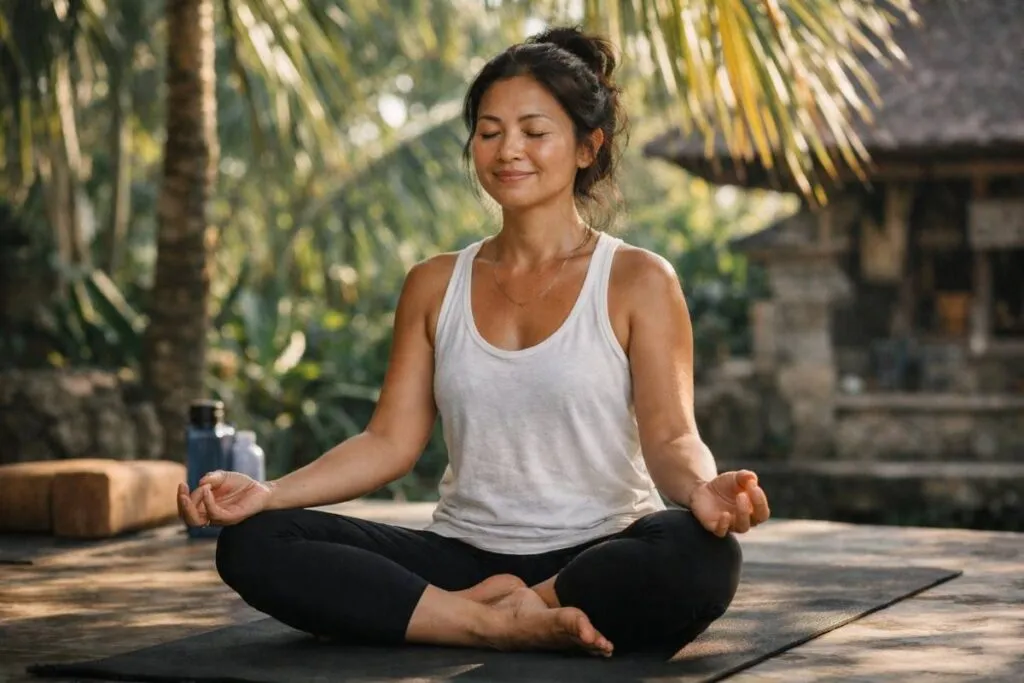
Yoga plays a significant role in helping individuals regain their pre-pregnancy body. It emphasizes the importance of core strength while also offering emotional healing, making it a holistic approach to postpartum well-being.
Effective Yoga Poses for Tummy Reduction
Several effective yoga poses can aid in reducing tummy size by focusing on strengthening the core and improving overall body balance. Here are some of the most recommended poses:
- Cobra Pose
This pose strengthens the core while also relieving back pain. The gentle arching of the spine engages abdominal muscles, promoting a toned midsection. - Bridge Pose
The Bridge Pose not only strengthens the lower back but also engages the core effectively. It creates a stable foundation, encouraging core and pelvic floor strength. - Plank Pose
A quintessential pose for building abdominal strength and stability, the Plank Pose activates multiple core muscles. Sustaining this position for extended periods can significantly enhance core endurance. - Warrior Transitions
These transitions improve strength and balance, engaging various muscle groups. By moving fluidly between poses, one can enhance core activation and stability, further contributing to tummy reduction. - Pelvic Tilts
This gentle movement aids in rebuilding core strength efficiently. By tilting the pelvis and engaging the abdominal muscles, this pose is perfect for targeting lower belly fat while also alleviating tension in the lower back.
Incorporating these yoga poses into daily routines can support not only the physical aspect of tummy reduction but also contribute to emotional and mental well-being as one navigates the postpartum journey.

Tips for Effective Post-Pregnancy Yoga
Starting a yoga practice after pregnancy can feel overwhelming, but it also offers a wonderful opportunity for recovery and self-care. Here are some helpful tips to ease into post-pregnancy yoga.
Starting Slow
It’s important for beginners to initiate their yoga journey with gentle poses. This approach helps prevent strain and allows the body to adjust gradually after the physical demands of pregnancy. Engaging in foundational poses not only cultivates strength but also fosters a positive relationship with your body as it heals.
Consistency is Key
Regular practice plays a significant role in achieving noticeable results. Establishing a routine, even with shorter sessions, ensures that you maintain momentum. Aim to incorporate yoga into your schedule regularly to support your body’s recovery and enhance your overall well-being.
Listening to Your Body
Every individual’s experience post-pregnancy is unique, making it crucial to listen to your body. Modify poses as needed to suit your comfort levels. This could mean adjusting your stance or opting for easier variations of certain poses. Practicing mindfulness will enrich your sessions, promoting healing and personal awareness during this transformative time.

FAQ Section
When can I start practicing yoga after giving birth?
After giving birth, many new mothers can begin practicing yoga several days to weeks post-childbirth, depending on their health and recovery process. It’s essential to listen to your body and consult with a healthcare provider to determine the right timing for you.
Will yoga help in reducing belly fat?
Yoga can be beneficial for reducing belly fat as it focuses on core strengthening. Through regular practice, yoga not only aids in building core stability but also promotes overall body awareness, contributing to fat reduction in the abdominal area. Engaging regularly in yoga sessions can help in achieving a stronger core and support healthy weight management.
What if I have diastasis recti?
For those dealing with diastasis recti, targeted yoga poses can be particularly effective in aiding the closure of the gap caused by this condition. Specific strengthening exercises and modifications tailored for diastasis recti can enhance recovery, helping to stabilize the core and facilitate healing. Practicing these poses under proper guidance can lead to significant improvement in core strength and abdominal integrity.
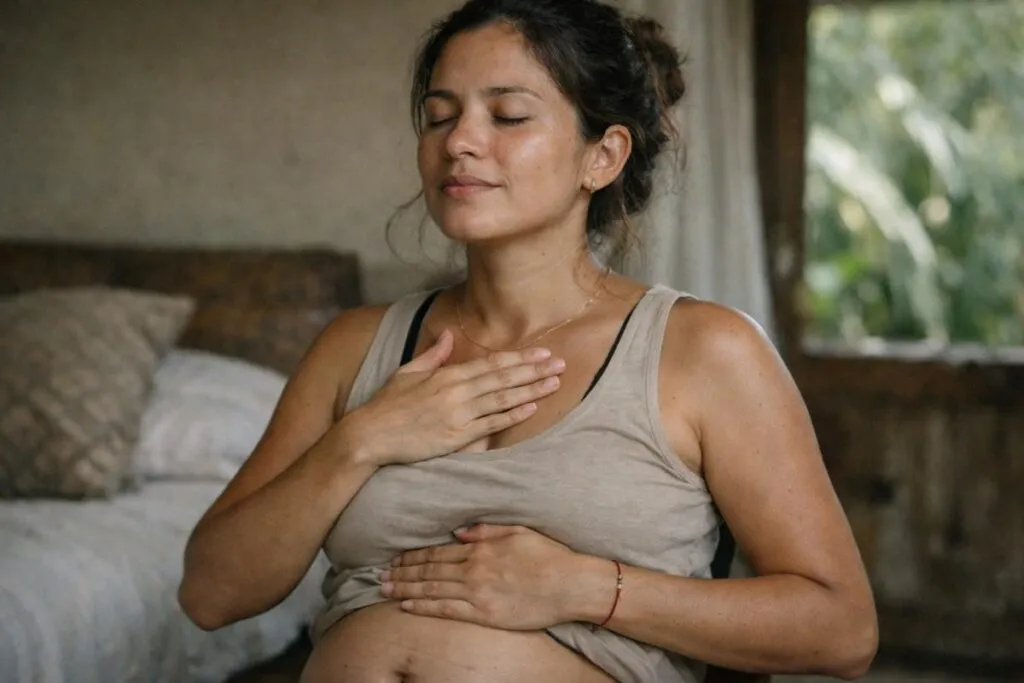
Nutritional Advice for Postpartum Weight Loss
To effectively manage postpartum weight loss, adopting healthy eating habits is essential.
Healthy Eating Habits
A balanced diet plays a pivotal role in recovery and weight loss during the postpartum period. Here are fundamental guidelines to follow:
- Eat a balanced diet: Focus on foods that are rich in protein, fruits, vegetables, and whole grains. It’s important to limit fat intake and steer clear of empty-calorie foods.
- Stay hydrated: Drinking at least 8-9 cups of water each day will support overall health and aid in digestion.
- Consult your healthcare provider: Before beginning any weight-loss diet, ensure you are cleared by your healthcare provider to avoid any risks to your health or recovery.
Weight Loss Timeline
Understanding the timeline for postpartum weight loss can help set realistic expectations:
- In the first six weeks postpartum, most women can expect to lose approximately 10 pounds as their bodies adjust after childbirth.
- A full return to pre-pregnancy weight is often a gradual process, potentially taking anywhere from 6 to 12 months.

Postpartum Weight Loss Tips
Incorporating physical activity and realistic goals can enhance your weight loss journey:
- Aim for at least 30 minutes of physical activity daily. Regular exercise not only helps with weight loss but also boosts mood and energy levels.
- Setting a goal to lose about 1.5 pounds per week is attainable for many women, allowing for a steady and healthy weight loss pace without compromising overall well-being.
Holistic Approach to Postpartum Recovery
Postpartum recovery can be a transformative journey marked by the profound physical and emotional changes a new mother experiences. Yoga stands out as a vital practice that supports this healing process, offering a pathway to restore strength, flexibility, and mental clarity for post pregnancy yoga to reduce tummy.
Yoga as a Transformative Experience
Engaging in yoga not only helps the body recuperate but also nurtures the mind, allowing mothers to reconnect with themselves during a time of significant change. The gentle movements of yoga can alleviate common postpartum discomforts like back pain and tension, while breathing exercises promote relaxation and stress relief. By focusing on breathing and mindfulness, yoga encourages a deeper awareness of one’s body and emotions, paving the way for a holistic recovery experience.
Begin Your Healing Journey with YMB Yoga Teacher Training in Bali
For new mothers looking to go beyond personal practice and truly deepen their understanding of yoga, joining a structured yoga teacher training can be a powerful next step. YMB Yoga Teacher Training in Bali offers a nurturing, immersive environment where women can reconnect with their bodies, rebuild strength, and gain the confidence to guide others on a similar path.
Set in the calm and healing surroundings of Bali, YMB’s training blends traditional yoga philosophy with modern, mindful approaches—making it especially supportive for those navigating postpartum recovery or transformation. Learning under experienced, certified instructors ensures safe alignment, proper modifications, and a deeper awareness of how yoga supports both physical healing and emotional balance.

Beyond the practice itself, YMB creates a strong sense of community. Being surrounded by like-minded individuals fosters connection, encouragement, and shared growth—elements that are just as important as movement during this sensitive phase of life. Whether your goal is personal healing or becoming a certified yoga teacher, joining YMB Yoga Teacher Training in Bali can be a life-changing step toward long-term wellness, confidence, and purpose.