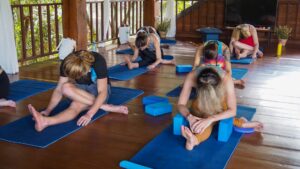
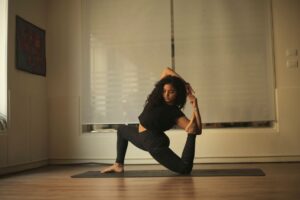
The Journey of Returning to Yoga
Returning to yoga after a break can be intimidating for many. Common fears include worries about being less flexible or not remembering poses. However, it’s important to acknowledge that this journey is not about starting over; it’s about reconnecting with your practice. It’s an opportunity to rediscover the benefits of yoga without the pressure of performing at a previous level.
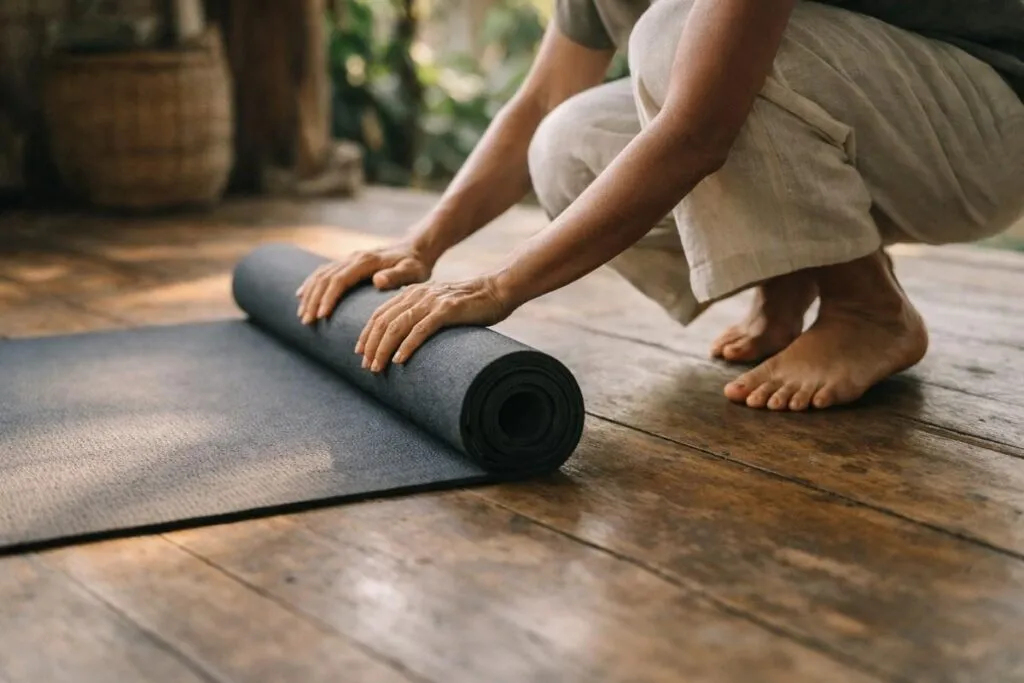
For those who may feel discouraged, remember that it’s natural for the body to change during breaks. Flexibility, strength, and technique may take time to return, but that’s completely fine. You might even find that the principles you’ve learned before come back quicker than you expect. As you embrace these changes, practice self-compassion and allow yourself to honor where you are now in your yoga journey.
Taking time to reconnect with the practice can also provide mental benefits. Many individuals find that resuming their practice helps reduce feelings of anxiety and improve overall well-being. Through gentle movement and breath, yoga can serve as a nurturing space to cultivate mindfulness, pushing you to engage with your body in a loving manner rather than through a lens of comparison or judgment. Engaging with the practice mindfully helps in alleviating any feelings of pressure to perform.
In essence, returning to yoga is about re-establishing the connection with your body and mind. Approach this journey with curiosity and kindness, and remember: it’s not about where you start, but where you aim to go. Your unique path is paved with every yoga session you take, each breath guiding you back home to yourself.
Understanding Yoga Needs
Identifying your personal goals in yoga is essential for selecting the right class. Here’s how to understand your needs better:

Assess Your Goals
- Identify personal goals: Start by recognizing what you hope to achieve through yoga. Common goals include:
- Flexibility: If your aim is to improve your body’s range of motion, you might lean towards styles emphasizing stretching, such as Hatha or Yin Yoga.
- Strength: For those interested in building muscle, power yoga or Ashtanga would be beneficial choices.
- Relaxation: If you seek stress relief, consider classes that incorporate mindfulness, like Restorative or Kundalini Yoga.
- Stress relief: Many practitioners use yoga as a tool to manage stress and anxiety, making classes focused on breathing techniques and meditation particularly helpful.
- Discuss how these goals influence class selection: Understanding your goals will streamline your decision-making. Once you identify what you want from yoga, you can select classes that align with your needs. This targeted approach enhances your practice and ensures that you are not overwhelmed by the extensive options available.
By clearly defining your yoga aspirations, you can more effectively choose a class that meets your personal growth and wellness objectives. The alignment of goals and class selection is key to a fulfilling yoga journey.
Practical Steps to Ease Back In
Getting back into a yoga routine after a break can feel daunting. However, taking mindful steps can help ease this transition and ensure a sustainable practice.
Start Gradually
If you’ve had a lengthy break, it’s important to ease yourself back into yoga with shorter sessions a few times a week. Avoid jumping back into an intense routine; your body may need time to adjust to physical activity again. Starting small allows your body to adapt and regain its previous strength without overwhelming it.
Focus on Basics
Heavy lifting or advanced postures may be tempting, but revisiting foundational postures is essential to reconnect with your body. This approach helps build a solid base and prevents injuries. Avoid trying peak postures right away; trying to do so could lead to frustration and injury, making it harder to stay consistent with your practice.
Embrace Your Current Ability
It’s common to feel discouraged about lost strength and flexibility, especially after a break. Focus on acknowledging those feelings while redirecting your energy to your present capabilities rather than fixing on past performance. Embracing where you are now paves the way for a more enjoyable experience.
Set Realistic Goals
It’s easy to fall into the trap of an “all or nothing” mindset, but this can lead to burnout and disappointment. Instead, create achievable goals, like practicing once a week to start. Setting realistic targets can help maintain motivation and ultimately lead to a more fulfilling yoga practice.
Staying Engaged in Your Practice
Staying engaged in your practice can elevate your experience, allowing for steady personal and physical growth. Here are some actionable strategies to maintain your enthusiasm in your journey.
Community Engagement
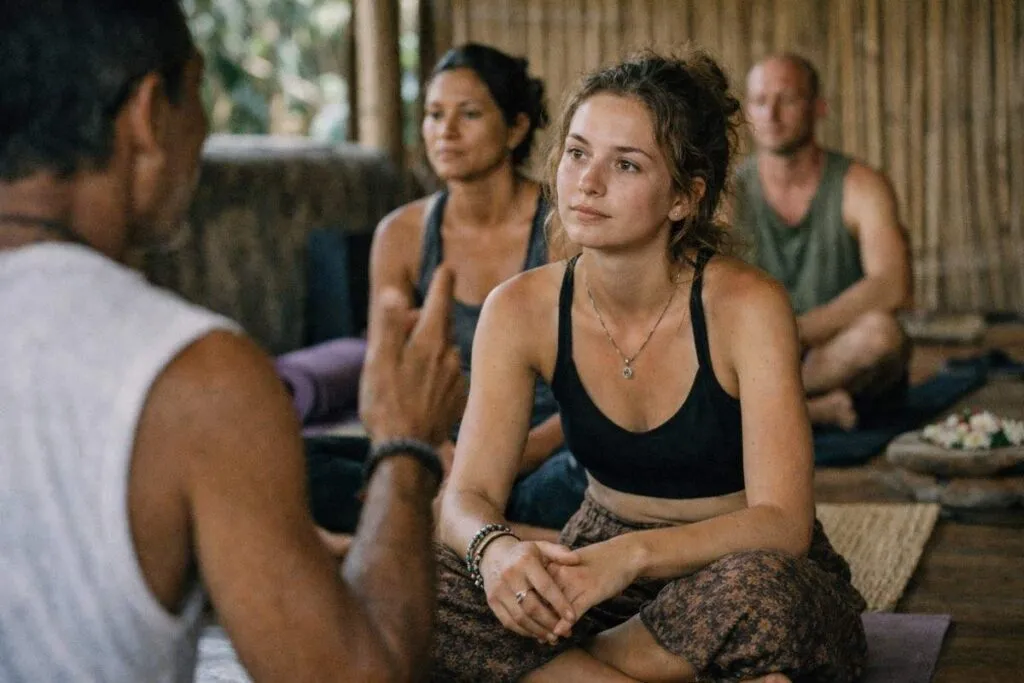
- Join a Supportive Yoga Class for Motivation and Accountability. Surrounding yourself with a community can provide valuable support. It creates an environment for shared experiences and accountability, which can enhance your practice.
- Explore New Styles to Keep Your Practice Fresh. Trying out different yoga styles helps to break monotony. Each style can introduce new techniques and enhance your skills, keeping you excited about your practice.
Reframe Expectations
- Let Go of Immediate Expectations for Returning to Previous Skill Levels. Instead of fixating on getting back to where you were, focus on the journey and the learning involved. Accepting your current state can relieve pressure and promote a more enjoyable practice.
- Use Breathwork to Help Maintain Focus on the Present Moment. Breathwork is a powerful tool for centering your thoughts. Focusing on your breath can help you become more aware of your body and its capabilities in real-time.
Celebrate Small Wins
- Acknowledge and Celebrate Small Milestones During Your Journey. Recognizing your achievements, no matter how small, can foster a positive mindset. Celebrating these moments can contribute to your overall motivation and satisfaction as you progress in your practice.
Integrating Yoga into Other Fitness Routines
Integrating yoga into your fitness regimen can enhance both physical and mental well-being, making your workouts more effective and enjoyable. By strategically incorporating yoga, you can achieve a well-rounded approach to health and fitness.
Active Recovery through Yoga
Yoga serves as an excellent tool for active recovery. By scheduling yoga sessions on rest days, you not only relax but also promote essential muscle recovery. This practice helps alleviate tension and stiffness, allowing your body to repair and rejuvenate. Engaging in yoga during these times enhances circulation and flexibility, ensuring that you remain limber and prepared for future workouts.

Short Sessions Post-Workout
Incorporating short yoga sessions, lasting around 15-20 minutes, immediately after your main workouts is beneficial. This practice acts as an ideal cool-down, helping to stretch out tight muscles while also fostering mental clarity. Following an intense workout with yoga not only aids in recovery but also reduces the risk of injury, as it allows your body to gradually transition from high-intensity activity to a resting state.
Using Yoga as a Warm-Up
Employing yoga poses as a warm-up can markedly prepare your muscles and joints for more intense workout activities. The controlled movements and stretches not only increase blood flow but also activate smaller stabilizing muscles, ensuring readiness for strenuous exercises. This method helps to build a solid foundation for more demanding workouts, enhancing overall performance.
Sample Weekly Routine
To illustrate a balanced approach to fitness and recovery, consider a weekly routine that combines weightlifting, running, and yoga sessions. You might schedule weightlifting on Mondays and Thursdays, running on Tuesdays and Fridays, while incorporating yoga sessions on Wednesdays and weekends. This structure allows for intense training days balanced with recovery and flexibility work, promoting both strength and overall wellness.
By weaving yoga into your fitness strategy, you can create a harmonious routine that supports your fitness goals while also contributing to your physical and mental health.
Practical Tips for Getting Back into Yoga
The journey back to yoga begins with simple, manageable steps that cultivate motivation and continuity.
Stay Motivated
- Develop Daily Practices: Embrace the mindset of a dedicated yoga practitioner by aiming to practice every day. This commitment can foster a deeper connection with your practice and enhance your overall well-being.
- Set Small Goals: Start with minimal commitments to avoid overwhelming yourself. Small, consistent actions can lead to lasting habits.
Create a Welcoming Space
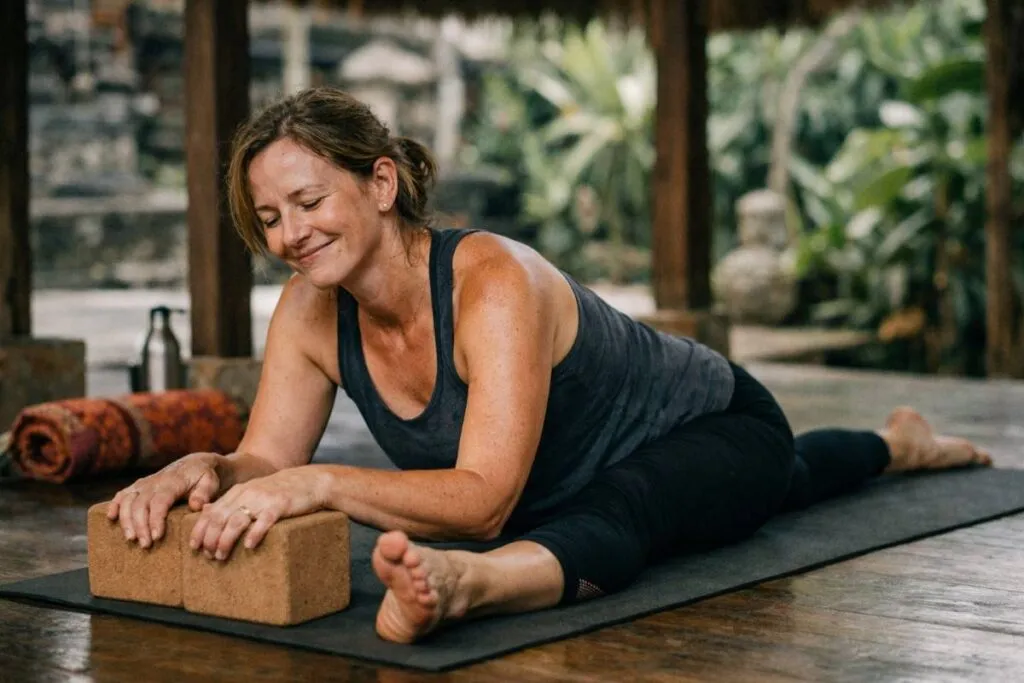
- Designate a Dedicated Area: Establish a specific space in your home for yoga that feels inviting and comfortable. This space becomes a sanctuary where you can retreat to focus on your practice without distractions.
Stay Flexible with Goals
- Incorporate Realistic Milestones: Align your goals with your current lifestyle to ensure they are attainable. Setting clear, achievable benchmarks will help you measure your progress without adding pressure.
- Listen to Your Body: As you reintroduce yoga into your life, practice gentle poses and be attentive to your body’s signals. Flexibility in your practice allows you to adapt and enjoy the journey without strain.
FAQs Regarding Resuming Yoga
Starting your yoga practice again can feel daunting, but understanding common questions can ease your transition.
Duration of Practice After Break
For those returning to yoga after a break, it’s advisable to start with gentle sessions. Beginners can aim for 10-15 minutes of practice daily and gradually increase the duration as they feel more comfortable. This incremental approach helps in re-establishing a routine without overwhelming yourself.
Facing Inability with Previous Poses
It’s common to face challenges when attempting poses that were previously comfortable. When this happens, focus on your current abilities instead of comparing yourself to the past. Allowing room for growth is vital; yoga is as much about the journey as it is about achieving specific poses.
Overcoming Fear of Starting Again
The fear of resuming yoga can be paralyzing for many. To overcome this, approach your practice with self-compassion. Consider joining a class where supportive peers and an instructor can encourage you. The shared experience often makes returning to practice less intimidating and more enjoyable.
Embrace Your Yoga Journey
Returning to yoga is not just about the physical postures; it’s a holistic process that unfolds over time. Embrace this journey and appreciate the small victories along the way. Each session presents an opportunity to reconnect with your body and mind, allowing you to progress at your own pace. Remember, the path to mindfulness and well-being is uniquely yours.
We invite you to share your experiences and insights about your yoga journey. How has it transformed your daily life? We encourage you to subscribe for more tips, insights, and community stories that inspire and motivate. Engaging with others can foster a deeper connection and support your practice. By sharing and learning together, we can continue to grow in our yoga journey.

Creating a Sustainable Routine
Establishing a sustainable routine is a key element in ensuring the long-term success of any practice. By focusing on consistency and listening to your body, you can create a practice tailored to your needs.
Consistency and Variety
To cultivate a sustainable routine, begin by establishing a regular practice schedule that fits seamlessly into your lifestyle. Having consistency allows your body and mind to adapt and grow over time. It’s essential to find a time that works for you, whether it’s morning, noon, or evening.
In addition to consistency, incorporating different styles and poses into your routine keeps your practice engaging and enjoyable. This variety not only helps you stay interested in your practice but also enhances your skills and flexibility across different methods. By exploring a wide range of styles, you cultivate a well-rounded ability that contributes to overall skill development.
Listen to Your Body
Another essential aspect of a sustainable routine is learning to listen to your body’s signals during practice. Recognizing when your body is in need of a break or might be approaching its limits is vital for preventing injuries. This awareness allows you to respect your body’s needs and adjust accordingly.
Moreover, modifying poses to prevent injuries is a crucial tool in maintaining a long-lasting practice. Always prioritize your comfort and well-being; if a pose feels uncomfortable or painful, don’t hesitate to adapt it or take a step back. This proactive approach will help you to practice sustainably, allowing you to enjoy your journey without the setbacks associated with injury.
By prioritizing consistency, variety, and listening to your body, you can create a routine that not only supports your practice but also enriches your overall experience.
Importance of Mindfulness in Yoga Practice
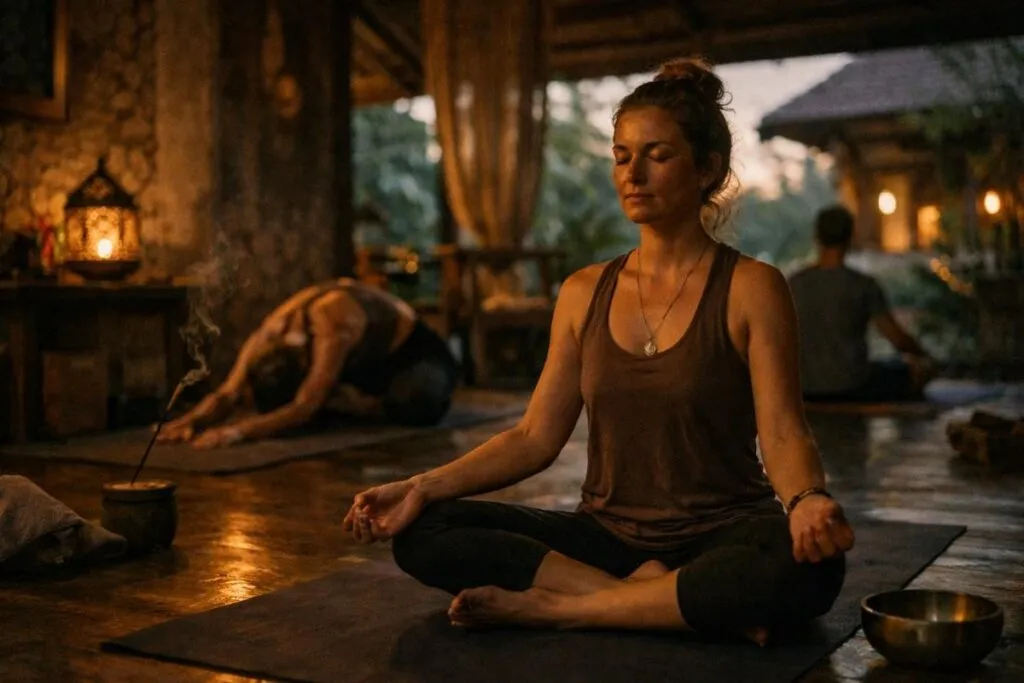
Mindfulness in yoga transcends simple physical practice. It transforms the way practitioners connect with their bodies and surroundings. Mindful yoga is defined by the incorporation of present-moment awareness and non-judgmental observation during practice, fostering a deeper connection to oneself and the environment. This holistic approach enriches the overall benefits of yoga, promoting not just physical health but also emotional and psychological well-being.
Understanding Mindful Yoga
Mindful yoga integrates the principles of mindfulness into traditional yoga practice. This includes being aware of body sensations, breath, and thoughts, allowing each practitioner to immerse fully in the present moment. The practice emphasizes non-judgmental awareness, helping individuals recognize and accept their experiences without criticism or reactivity. This approach cultivates a relaxed state of mind, enabling practitioners to engage more deeply with both their yoga routine and daily life. As a result, mindful yoga promotes a greater sense of peace and fulfillment.
Benefits of Practicing Mindfulness in Yoga
The practice of mindfulness in yoga brings a plethora of benefits:
- Reduced Stress and Anxiety: Engaging in mindful yoga helps lower stress levels and anxiety by encouraging participants to focus on the present moment, rather than worrying about past or future events. This can lead to a calmer mindset and improved emotional resilience.
- Improved Physical Health: Mindful yoga encourages practitioners to listen to their bodies, which can lead to better alignment, injury prevention, and overall physical health. Incorporating mindfulness can enhance the physical benefits of yoga, such as flexibility and strength.
- Enhanced Mental Well-being: Regular practice can significantly improve mental health by fostering a more positive mindset, encouraging self-compassion, and improving emotional regulation. Mindful yoga can also contribute to overall life satisfaction and well-being through its intrinsic focus on present-moment awareness.

By integrating mindfulness into yoga, practitioners not only deepen their physical practice but also cultivate a significant sense of peace and contentment in their lives.