Overview of Yoga Teacher Training in Thailand
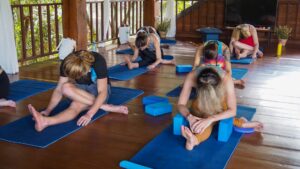
Yoga teacher training in Thailand is a structured program designed to equip students with the skills needed to become certified yoga instructors. This training covers various aspects of yoga philosophy, anatomy, and teaching skills. Many programs adhere to a curriculum standardized by Yoga Alliance, allowing graduates to earn certifications recognized globally.
Participating in yoga teacher training not only enhances personal growth but also develops pedagogical skills essential for effective teaching. The immersive environment of Thailand, along with its beautiful landscapes, fosters a serene atmosphere perfect for learning. Graduates often find that their training experience profoundly affects their personal practice and teaching capabilities. Recognized credentials from Thai programs carry weight in the global yoga community, allowing instructors to teach anywhere in the world.
The Rising Popularity of Yoga Teacher Training
The yoga industry in Thailand has grown significantly over recent years. As more practitioners seek to deepen their understanding and practice of yoga, interest in teacher training programs has surged. Popular training locations such as Koh Phangan, Chiang Mai, and Phuket offer unique environments where yoga can be practiced amidst tranquil settings.
Thailand distinguishes itself as a preferred destination for yoga training due to its affordability and the quality of instruction available. Many international schools offer teacher training programs at a fraction of the cost compared to Western countries, making it an attractive option for aspiring instructors.
Goals of the Research
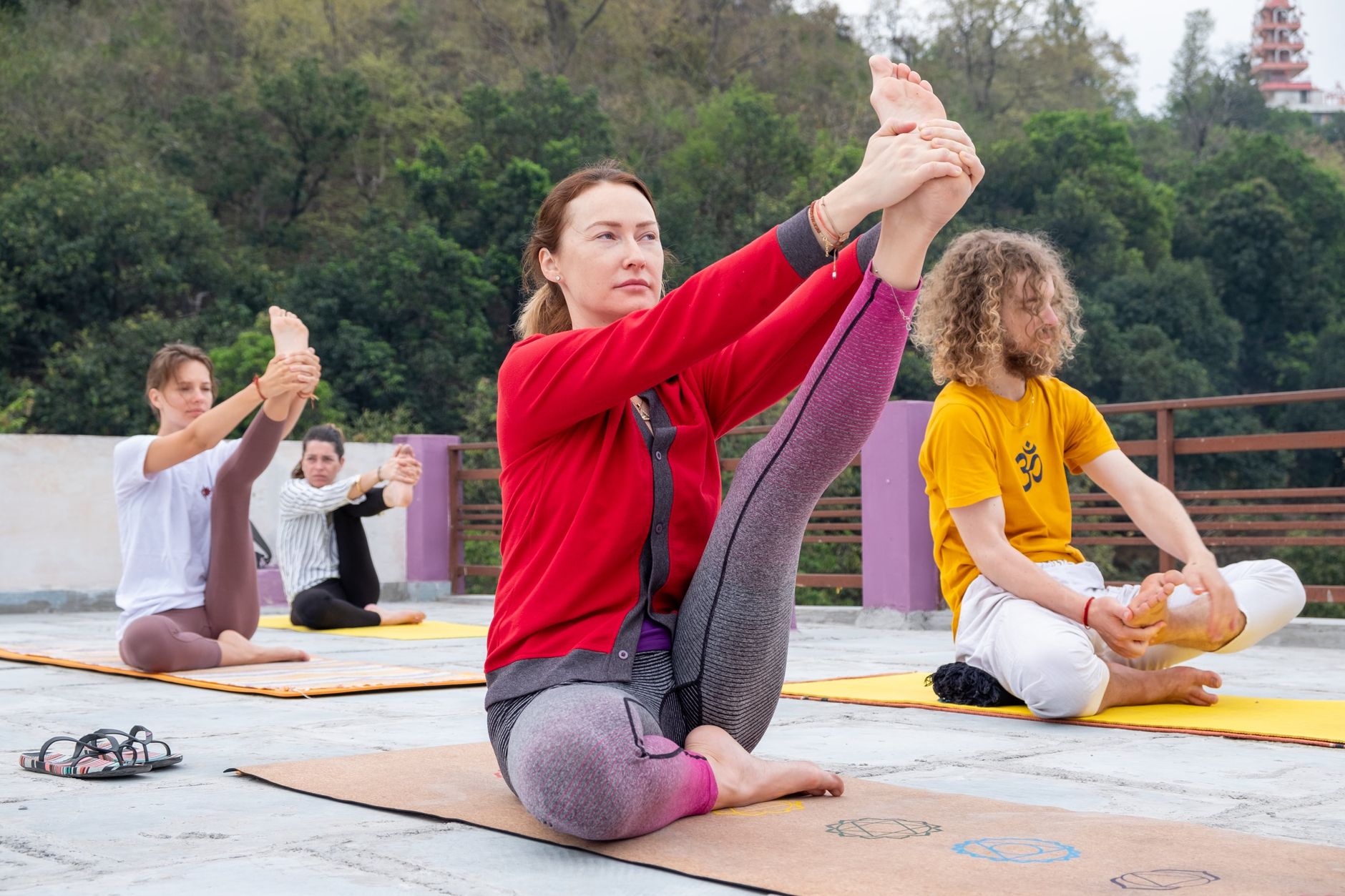
This research aims to shed light on several key aspects of yoga teacher training in Thailand:
- Understanding the benefits of participating in training programs, which include cultural immersion and exposure to traditional practices.
- Identifying top training centers renowned for their programs, such as those noted for their experienced instructors and comprehensive curricula.
- Exploring the unique offerings from Thai yoga teacher training programs, such as specialized courses that integrate local customs and healing practices into yoga.
By providing a detailed look into these dimensions, potential students can make informed decisions when seeking out the right yoga teacher training experience in Thailand.
Feel free to explore further into various training programs available in Thailand through resources like Ymb Yoga School In Bali and One Yoga Thailand.
What is Yoga Teacher Training in Thailand?
Yoga teacher training in Thailand is an immersive program designed for aspiring instructors. These courses typically range from 200 to 300 hours and provide comprehensive training in various yoga styles while incorporating cultural immersion and a serene environment. Participants can expect to deepen their knowledge of yoga philosophy, anatomy, teaching methodologies, and personal practice, making it an ideal setting to cultivate their skills as instructors.
The unique backdrop of Thailand enhances this training experience. Many training centers utilize the natural beauty and tranquility of the Thai landscape, allowing trainees to connect with their practice on a deeper level. Whether you are a beginner or have some experience, these programs often cater to different levels, ensuring that everyone can find their place in the training.
For those eager to embark on a yoga teaching journey, locations such as Koh Phangan and Phuket are popular destinations, boasting several renowned training schools. Programs in these areas focus not only on yoga asanas and alignment but also on the holistic aspects of teaching yoga, encouraging personal growth and reflection throughout the training
Key Takeaways
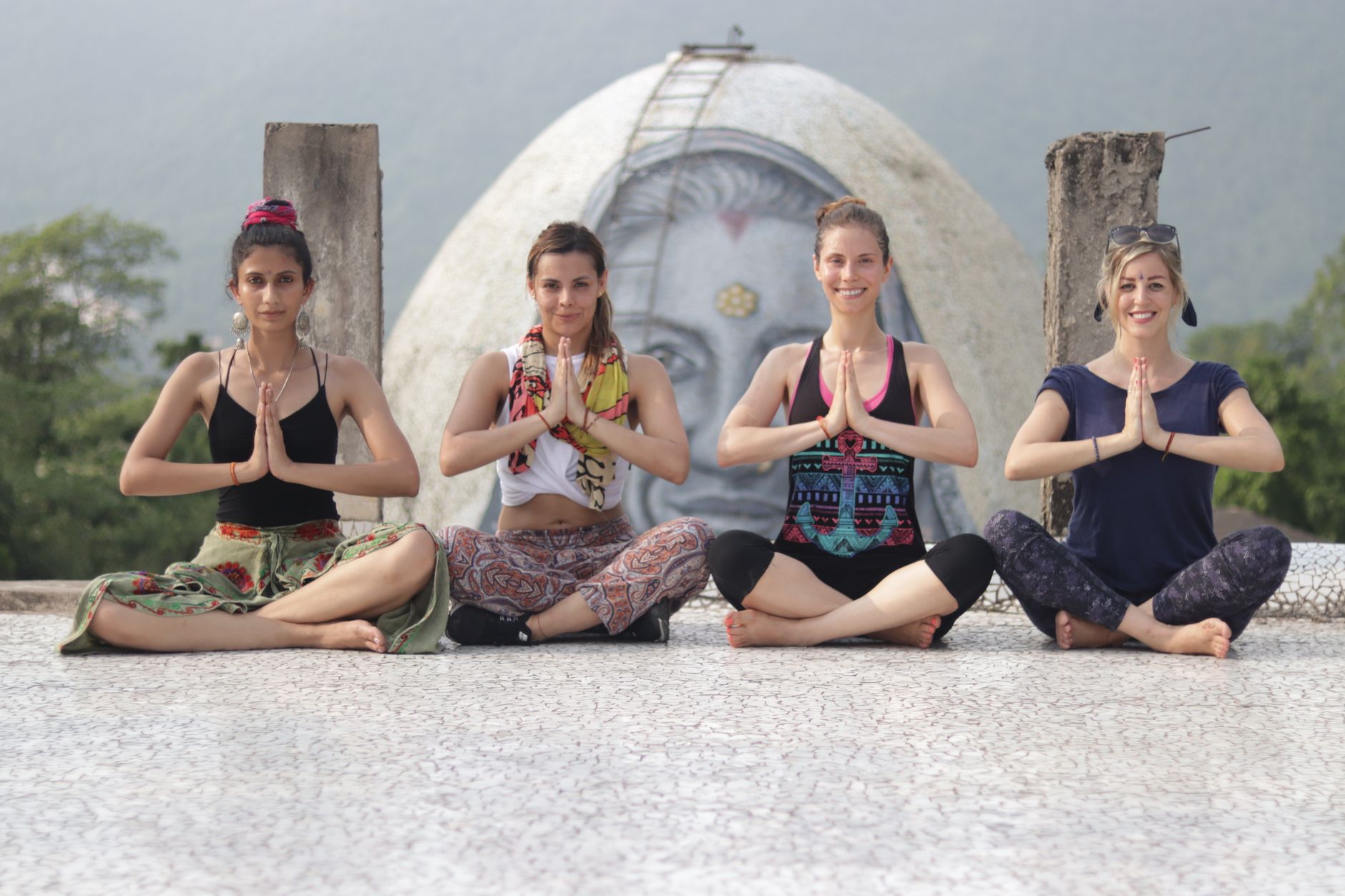
Thailand is increasingly recognized as a premier destination for those seeking affordable and enriching yoga teacher training programs. Here are some essential insights into what this beautiful country offers:
Essential Insights
- Affordable Yoga Teacher Training: Thailand stands out for its competitive pricing on yoga teacher training, making it accessible to a wide audience. This affordability allows more individuals to pursue their passion for yoga without financial strain, contributing to its popularity as a training destination.
- Diverse Training Styles: Participants can explore various yoga styles, including Hatha, Vinyasa, and Ashtanga. This diversity offers trainees the opportunity to discover and specialize in the method that resonates most with them. The variety in teaching styles enhances the overall learning experience.
- Cultural Immersion: The rich culture of Thailand significantly enhances the yoga experience. By immersing themselves in the local heritage and environment, students can deepen their understanding of yoga principles and practices, which fosters personal growth and a holistic approach to training.
- Accredited Programs: Many yoga teacher training schools in Thailand are accredited by international bodies, ensuring that their programs align with global standards. This accreditation provides assurance of quality and recognition, making it easier for graduates to teach worldwide.
Overall, Thailand’s unique blend of affordability, diverse training styles, and rich cultural experiences makes it an attractive choice for aspiring yoga teachers 3, 4.
Benefits of Yoga Teacher Training in Thailand
Thailand is renowned not just for its breathtaking landscapes but also for providing exceptional yoga teacher training experiences. Here are key benefits of engaging in yoga teacher training in this beautiful country.
Cultural Immersion and Authenticity
One significant advantage of yoga teacher training in Thailand is the opportunity for cultural immersion. Participants can experience local culture and traditions firsthand. This authentic engagement often includes:
- Integration of Traditional Thai Healing Practices: Many training programs blend yoga techniques with local healing modalities, deepening the holistic experience.
- Connection with Experienced Thai Instructors: Learning from local experts provides valuable insights into the philosophy and techniques of yoga, enhancing the training experience.
Diverse Training Programs
Thailand offers a broad spectrum of yoga teacher training programs catering to various interests and skill levels. These programs often include:
- Variety of Yoga Styles Offered: From Hatha to Vinyasa and beyond, students can choose programs that align with their yoga preferences and career goals.
- Opportunities for Specialization: Many schools allow participants to focus on specific aspects of yoga, such as children’s yoga or therapeutic practices, which can be beneficial for those looking to carve a niche in their teaching careers.
Natural Environment
The natural environment of Thailand significantly enhances the learning experience. Training locations are often set in serene settings like:
- Beaches and Jungles: These tranquil environments promote relaxation and mindfulness, essential components of effective yoga practice.
- Impact of Environment on Learning and Experience: Being surrounded by nature can lead to deeper personal insights and a more enriched training journey.
Yoga teacher training in Thailand thus combines cultural depth, diverse training options, and a stunning natural backdrop, making it a compelling choice for aspiring instructors 3.
Challenges and Considerations
Investment and Costs
One of the first hurdles prospective yoga teachers face is the financial investment required for training. Understanding the breakdown of costs can help alleviate some of the concerns.
- Tuition Fee Breakdown: Tuition fees for yoga teacher training can vary widely, often influenced by the school’s reputation and location. For example, schools in Thailand and Bali offer a range of programs, typically from $1,500 to over $4,500 for 200-hour courses [4].
- Accommodation and Living Costs: Additional expenses such as accommodation and daily living costs must also be factored in. Many schools provide accommodation packages, which can be beneficial for budgeting. However, students should also consider meals, transportation, and leisure activities when planning their finances [9].
- Balancing Cost with Quality of Training: While it may be tempting to opt for lower-cost programs, the quality of training can vary significantly. Investing in reputable programs can lead to more comprehensive training and better post-graduation opportunities [10].
Cultural Adjustment
Adapting to a new cultural environment is another significant aspect to consider when pursuing yoga teacher training abroad.
- Language Barriers: For those whose first language is not English, language barriers can present a challenge. Effective communication is crucial in a training setting to ensure understanding of the teachings and safety during practice [3].
- Cultural Differences in Training Styles: Different regions may emphasize various aspects of yoga, from philosophy to physical practice. Understanding these differences in training styles can enhance the learning experience and lead to a more well-rounded education.
- Support Systems for International Students: Many yoga schools provide support systems for international students, including mentorship programs and community gatherings. These resources can help ease the transition and create a sense of belonging, significantly enhancing the overall experience [6].
Navigating these challenges is essential for a successful yoga teacher training journey, ensuring both financial and emotional preparedness as students embark on this transformative experience.
Top Locations for Yoga Teacher Training in Thailand
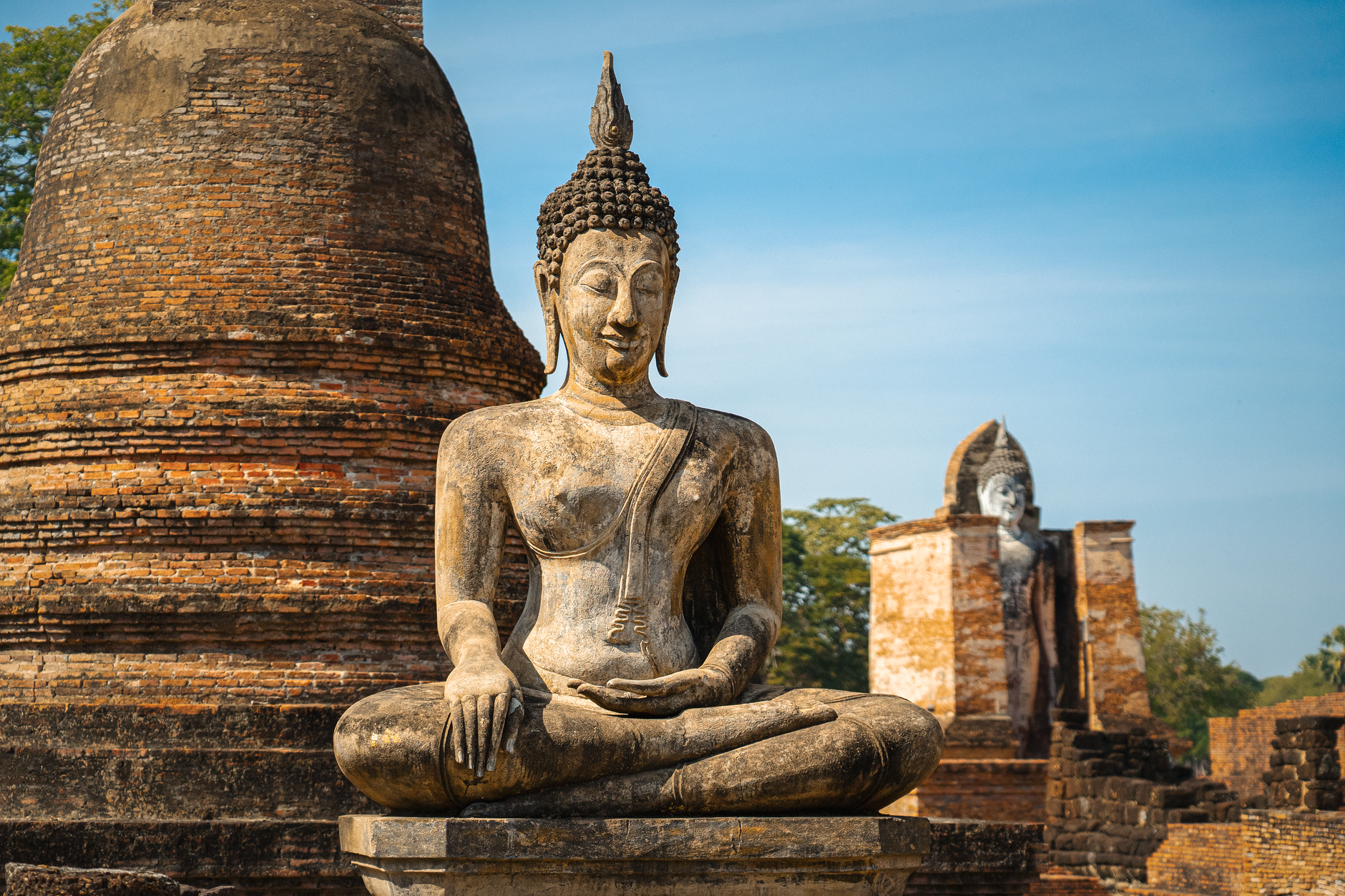
Koh Phangan, Chiang Mai, and Phuket are among the top destinations for yoga teacher training in Thailand. Each location offers a unique blend of environmental beauty and rich cultural experiences that influence the choice of aspiring yoga instructors.
Overview of Yoga Teacher Training Locations
Koh Phangan is renowned for its tranquil beaches and vibrant wellness community. It’s an ideal place for relaxation, allowing students to immerse themselves in nature while focusing on their yoga practice. The island hosts numerous yoga schools, often incorporating holistic approaches to well-being, and offers several 200-hour teacher training programs tailored for various yoga styles.
Chiang Mai provides a serene mountainous backdrop and a different cultural context. The ancient city is rich in Thai history and culture, providing trainees the opportunity to explore local traditions while studying. The atmosphere is conducive to learning, with many programs focusing on the philosophy and spirituality behind yoga, making it a perfect choice for those who want a deeper understanding of yoga beyond the physical practice.
Phuket, with its lively atmosphere, contrasts sharply with the tranquility found in Koh Phangan. It offers a diverse range of training programs that cater to both beginners and advanced practitioners. Students here enjoy access to world-class facilities and a lively community of wellness enthusiasts, which can enhance their training experience.
Bali vs. Thailand: A Comparative Analysis
When comparing yoga teacher training in Bali and Thailand, both locations present distinctive features. While Bali is known for its artistic, spiritual vibe with lush landscapes and a strong expat community, Thailand offers a more traditional experience steeped in its unique culture.
Facilities in Thailand are often newly built and designed with a focus on sustainability, frequently integrating elements of Thai culture into yoga practices. The costs associated with training in Thailand tend to be lower than in Bali, giving it an edge in terms of affordability for many aspiring teachers.
In terms of experiences, Thailand offers a variety of yoga styles, from traditional Hatha to contemporary Vinyasa flows, often incorporating local wellness practices such as Thai massage and herbal medicine. This holistic approach can enrich the learning experience and provide insights into Asian philosophies related to health and wellness 3, 10.
Comparison: YMB Yoga School vs. Thailand’s Programs
Features Comparison
When considering yoga teacher training programs, the choice between YMB Yoga School in Bali and programs in Thailand can be significant. Here’s a detailed comparison of their key features:
| Features | YMB Yoga School, Bali | Thailand Programs |
|—————-|—————————|—————————|
| Environment | Bali offers a tropical, peaceful atmosphere that enhances relaxation and meditation. | Thailand provides varied landscapes, from tranquil beaches to mountainous regions, catering to different preferences. |
| Duration | Both Bali and Thailand offer 200-hour and 300-hour certifications, allowing for flexible learning options. | Courses are structured similarly, supporting both novice and advanced practitioners. |
| Cost | YMB Yoga School typically charges moderate to high fees, reflecting its premium offerings. | Training in Thailand generally comes at a lower cost, making it an attractive option for budget-conscious students. |
| Accreditation | YMB Yoga School is accredited by Yoga Alliance, ensuring its programs meet high standards. | Similar accreditation by Yoga Alliance is found among various programs in Thailand, ensuring quality education. |
Each option presents unique advantages depending on personal preferences for environment, budget, and accreditation standards, enabling prospective students to make an informed choice about their yoga teacher training journey.
FAQs
What is the cost of yoga teacher training in Thailand?
The cost for yoga teacher training in Thailand typically ranges from $1,800 to $3,500. These prices vary depending on the duration of the program and the specific school. For instance, certain programs may offer deals that include accommodation and meals, which can influence the total expense 6.
How long does yoga teacher training take?
Most yoga teacher training programs require between 200 to 300 hours of training. Participants can expect to complete the required hours in about a month or sometimes longer, depending on the course structure and intensity. This allows students to immerse themselves fully in both learning and practice 5, 9.
What type of yoga is taught in Thailand?
In Thailand, a variety of yoga styles are taught to cater to different preferences and levels. Commonly offered styles include Hatha, Vinyasa, Ashtanga, and Yin yoga. This diversity helps students find a style that resonates with them and supports their personal growth as instructors 8.
Do I need prior experience in yoga for teacher training?
Many yoga teacher training programs in Thailand welcome complete beginners. While some prior experience can be beneficial, it is not necessarily a requirement. Most schools offer foundational courses that aim to equip students with the necessary skills and knowledge, regardless of their starting point 3, 12.
What should I look for in a yoga teacher training program?
When selecting a yoga teacher training program, consider several key factors:
- Accreditation: Check if the program is recognized by reputable organizations like Yoga Alliance.
- Instructor Qualifications: Look into the experience and teaching style of the instructors.
- Course Content: Ensure the curriculum covers a variety of essential topics relevant to teaching yoga.
- Student Reviews: Read feedback from past students to gauge their experiences and outcomes 10, 19.
Conclusion and Recommendations
Choosing the right yoga teacher training program is essential for aligning personal goals with professional aspirations. It should resonate with individual values and lifestyles.
Making the Right Choice
Key factors to consider when selecting a training program include:
- Style of Yoga Offered: Confirm whether the program’s focus aligns with personal interest, whether it’s Hatha, Vinyasa, or another style. The curriculum should cater to preferred teaching philosophy and methodology.
- Program Accreditation: Ensure the program is accredited by recognized organizations such as Yoga Alliance, as this can impact teaching eligibility and overall program quality. Programs that meet specific standards often offer better training experiences.
- Location and Environment: Consider whether the venue enhances learning. Training in serene locations, like those offered in Thailand, can be significantly beneficial for immersive learning and personal growth 3.
- Duration and Schedule: Training length can vary significantly. It’s important to choose a program that fits personal schedule and learning pace, whether intensive 200-hour sessions or longer formats.
In considering these factors, personal goals must play a key role. The program’s values should resonate with individual aspirations, whether the goal is to deepen personal practice or embark on a professional teaching career.
Future Trends in Yoga Teacher Training
Emerging trends in the yoga industry highlight the evolution and diversification of yoga education.
- Holistic Health Approaches: There is a growing emphasis on integrating wellness practices such as mindfulness, nutrition, and holistic health within the yoga curriculum. Programs are increasingly focusing on comprehensive training that encompasses mental and physical health 4.
- Online and Hybrid Learning Models: The pandemic propelled a shift towards online learning; hybrid programs combining in-person and virtual training have gained popularity. This flexibility allows trainees from various locations to participate without the need for constant travel 10.
- Focus on Niche Markets: As yoga practice diversifies, specialized programs catering to specific populations, such as prenatal yoga or therapeutic yoga, are emerging. This trend reflects the industry’s adaptability to meet the unique needs of different communities 12.
The evolving nature of yoga education in Thailand offers a vibrant landscape for aspirants. Training offered there possesses unique cultural influences, which can greatly enhance the learning experience. Incorporating local customs and philosophies, training in Thailand often emphasizes community and personal transformation 9.
In conclusion, careful consideration of personal goals, program details, and emerging trends can guide prospective trainees in selecting the right yoga teacher training program.