Introduction to Breathwork
What is Breathwork?
Breathwork refers to a variety of breathing techniques that enhance wellness by focusing on breath control. It plays a key role in various practices, including yoga, where the ability to control breath can lead to deeper relaxation and physical awareness. Applying different breathwork methods can also yield significant physiological and psychological benefits. For instance, regulated breathing can reduce stress levels, increase oxygen flow, and promote mental clarity through activating the body’s natural relaxation response 2, 4.
Introduce the concept of breathwork and yoga as complementary practices.
Breathwork and yoga complement each other beautifully, creating a holistic approach to health and wellbeing. While yoga focuses on physical postures, breathwork emphasizes the importance of breath as a tool for enhancing mental and physical states. Together, they cultivate mindfulness and presence, making yoga sessions more fulfilling 1.
Highlight the rising popularity of combining breathwork with yoga in contemporary wellness culture.
In today’s wellness culture, there is a growing trend of integrating breathwork into yoga practices. This combination is increasingly recognized for improving overall wellness, enhancing physical performance, and promoting mental health. Many practitioners find that dedicating time to breathwork not only deepens their yoga practice but also enriches their everyday life by reducing anxiety and stress 3.
By embracing breathwork alongside yoga, individuals can experience a more profound state of consciousness and be better equipped to handle daily challenges and stresses.
Quick Answer
Why Breathwork Techniques Matter
Breathwork techniques are essential for enhancing your yoga practice. They improve lung capacity, promote relaxation, and increase mental clarity. These benefits collectively transform your overall wellness, allowing for a more fulfilling yoga experience.
Breath control plays a pivotal role in yoga, as it acts as a bridge connecting the body and mind. Practicing breathwork can lead to significant improvements in physical health by boosting oxygen flow to the brain and other vital organs. Moreover, these techniques cultivate mindfulness, reduce stress, and enhance emotional stability, thus enriching your entire yoga journey. Whether you perform pranayama or other breath-focused methods, mastering these techniques aids in achieving better concentration and deeper states of meditation.
To better understand the various breathwork techniques and their benefits, consider the following comparison:
| Breathwork Technique | Key Benefits | Best For |
|---|---|---|
| Pranayama | Enhances spiritual connection, increases lung capacity | Yoga practitioners |
| Diaphragmatic Breathing | Reduces anxiety, promotes relaxation | High-stress individuals |
| Box Breathing | Increases focus, calms the nervous system | Athletes and performers |
| Alternate Nostril Breathing | Balances energy, promotes peace | Anyone seeking emotional balance |
Incorporating breathwork techniques into your routine can significantly elevate your yoga practice at YMB Yoga School in Bali. Embrace the power of your breath and witness its transformative effects on your body and mind.
Key Takeaways
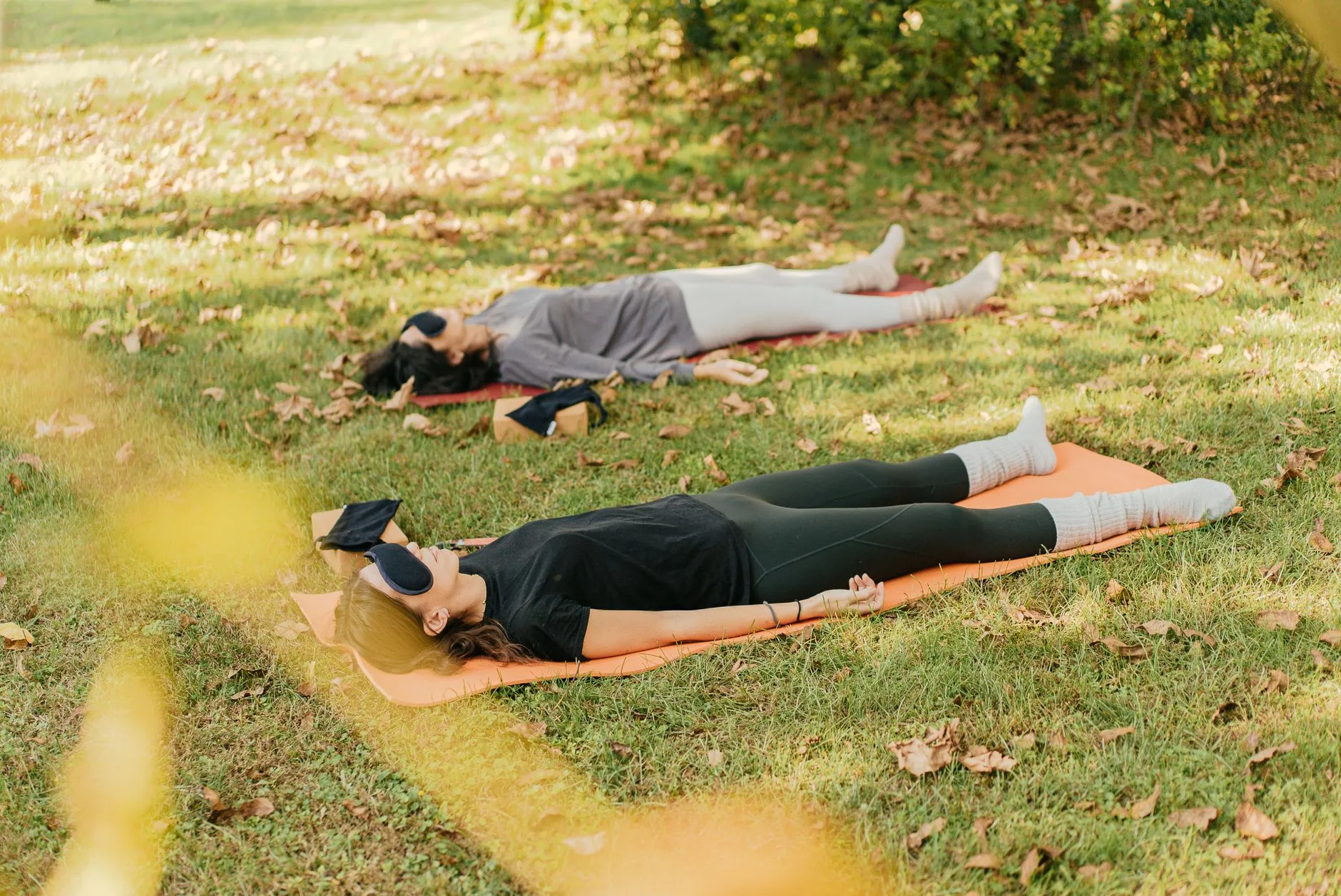
Breathwork serves as a powerful tool for enhancing physical health, mental clarity, and emotional well-being. By integrating different breathwork techniques into yoga practice, individuals can greatly enhance their overall experience.
Essential Insights
-
Improvement in Health: Practicing breathwork enhances various aspects of health. It can lead to improved lung function, enhanced circulation, and better overall physical fitness 1.
-
Mental Clarity and Emotional Balance: Engaging in breathwork helps clear the mind, allowing for greater focus and emotional regulation. Techniques such as mindful breathing can significantly reduce anxiety and stress levels 2.
-
Diverse Techniques Available: There are various breathwork techniques tailored to meet different goals and personal preferences. Techniques like Pranayama are commonly utilized in yoga, offering ways to energize or relax the body 3.
-
Mindfulness Integration: Breathwork encourages mindfulness, which has been shown to promote emotional regulation and relief from stress 4.
By understanding these insights, practitioners can maximize the benefits of yoga and breathwork, leading to a more fulfilling yoga journey at YMB Yoga School in Bali.
| Insight Category | Description | Source |
|---|---|---|
| Health Improvement | Enhances lung function and circulation | <a href=”https://positivepsychology.com/breathwork-techniques/”>1</a> |
| Mental Clarity | Aids in clearing the mind for better focus | <a href=”https://health.clevelandclinic.org/breathwork”>2</a> |
| Technique Variety | Multiple methods tailored to different goals | <a href=”https://www.nm.org/healthbeat/healthy-tips/4-breathing-techniques-for-better-health”>3</a> |
| Mindfulness Benefits | Promotes emotional regulation and stress relief | <a href=”https://awcim.arizona.edu/health_hub/awcimagazine/just_breathe_using_breathwork_for_wellbeing.html”>4</a> |
Types of Breathwork Techniques
Breathwork encompasses various techniques that harness the power of breath to improve mental, emotional, and physical well-being. Here are some key types of breathwork techniques that practitioners often explore.
Pranayama
Pranayama is a fundamental aspect of yoga that focuses on breath control. This practice emphasizes the connection between breath and life force, or “prana.” Various Pranayama techniques aim to enhance physical vitality, tranquility, and overall health. Notable methods include Ujjayi, which regulates breath and calms the mind, and Kapalabhati, known for energizing the body and promoting mental clarity. These techniques are known not only for their emotional stability but also for physiological benefits including improved lung capacity and reduced stress levels 1.
Holotropic Breathwork
Holotropic Breathwork is a unique technique developed by psychiatrists Stanislav and Christina Grof. It involves accelerated breathing patterns alongside evocative music to induce altered states of consciousness. The methodology is deeply immersive, allowing individuals to tap into subconscious experiences, often resulting in emotional release and healing. Therapeutically, Holotropic Breathwork has shown promise in assisting with trauma and anxiety, fostering personal insight and spiritual growth 2.
Transformational Breath
Transformational Breath focuses on conscious breathing patterns to promote emotional healing and physical wellness. This technique incorporates a series of steps, including conscious breathing, body mapping, and affirmations. It is reported to facilitate emotional release, enhance self-awareness, and improve overall physiological health by oxygenating the body effectively. Practitioners often cite increased resilience to stress and deeper connections to their emotional states as notable benefits of this practice 3.
Wim Hof Method
The Wim Hof Method combines specific breathing exercises with cold exposure to improve mental clarity and physical health. This method includes controlled hyperventilation followed by breath retention, which aims to increase oxygen levels in the body and activate the nervous system. Reported benefits include enhanced immunity, increased energy levels, and reduced stress. Practitioners often find that it significantly improves their physical resilience and mental fortitude 4.
Other Techniques
In addition to the primary techniques mentioned above, several other breathwork methods are valuable for enhancing well-being:
| Technique | Description | Benefits |
|---|---|---|
| Diaphragmatic Breathing | Focuses on deep belly breathing, engaging the diaphragm. | Reduces anxiety and encourages relaxation. |
| Box Breathing | Involves inhaling, holding, exhaling, and pausing for equal counts. | Improves focus and reduces stress. |
| Nadi Shodhana | A yogic practice that balances the body’s energy channels through alternating nostril breathing. | Promotes mental clarity and emotional balance. |
Each of these techniques serves unique purposes and can be tailored to fit various individual needs in holistic health practices. By training with YMB Yoga School in Bali, you can explore these breathwork techniques and discover their profound effects on your body and mind.
Health Benefits of Breathwork in Yoga
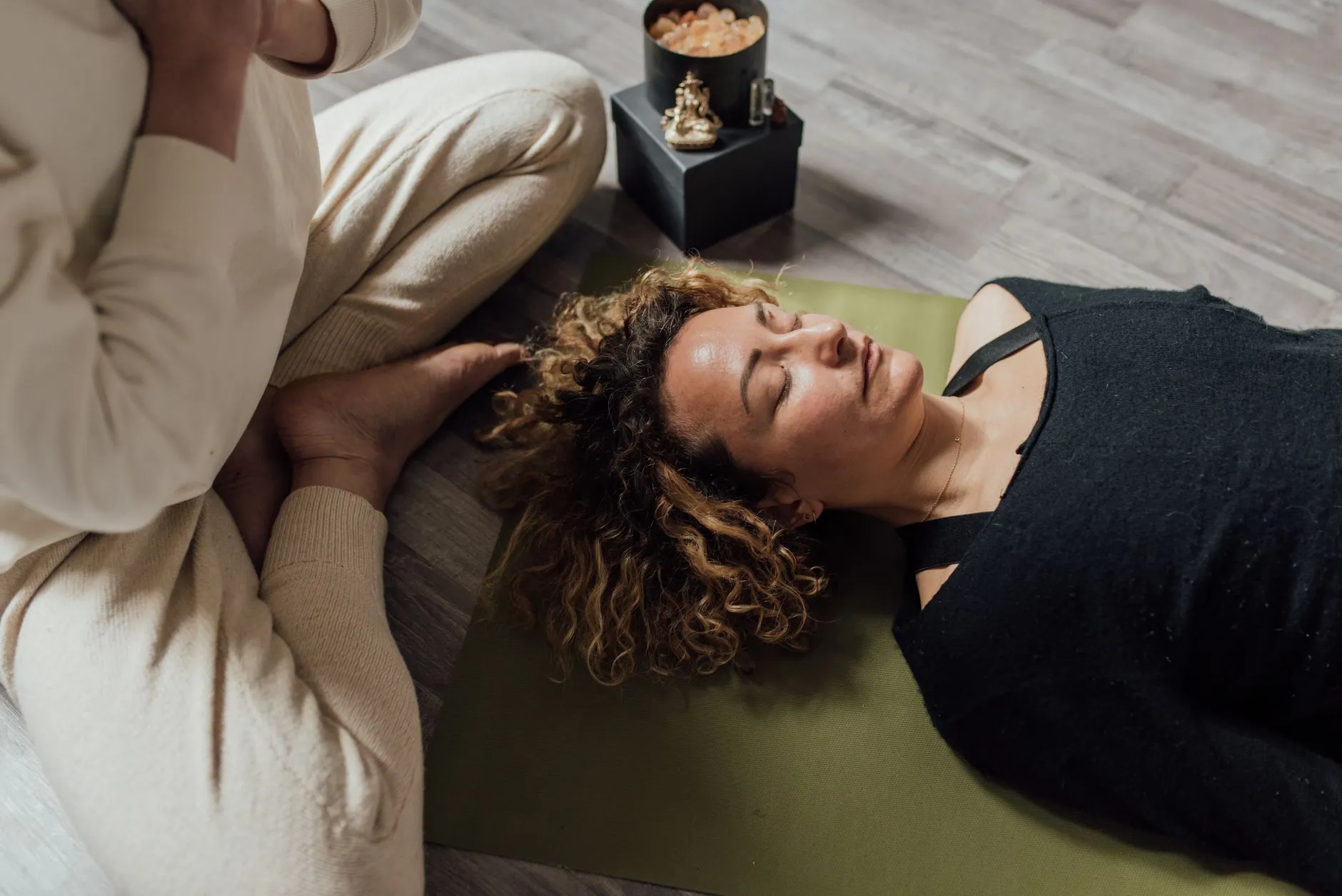
Breathwork in yoga is more than just a practice; it’s a powerful tool that offers profound health benefits for both the body and mind. By focusing on conscious breathing, practitioners can enhance their overall well-being.
Physical Health Benefits
Breathwork significantly improves oxygen flow and lung capacity, essential for effective physical performance during yoga. Engaging in breath-focused practices can lead to enhanced endurance and stamina, allowing for longer and more vigorous yoga sessions. As oxygen levels increase, so does the body’s efficiency, enabling a fuller expression of yoga postures. Additionally, consistent practice can strengthen respiratory functions, making breathing more effortless over time 1, 5.
Mental Health Benefits
Breathwork has a notable impact on mental health, particularly in reducing stress and anxiety levels. By slowing down the breath, individuals can activate the body’s relaxation response, leading to a calmer mind and reduced levels of cortisol, the stress hormone. Furthermore, focused breathing techniques can enhance mental clarity and increase concentration during yoga practices. This increased focus aids in deepening mindfulness and the overall experience of each session, leading to a more fulfilling yoga practice 3, 12.
| Benefit Type | Specific Benefits | Supporting Research |
|---|---|---|
| <strong>Physical Benefits</strong> | Improved oxygen flow, enhanced lung capacity | <a href=”https://positivepsychology.com/breathwork-techniques/”>1</a>, <a href=”https://www.lung.org/lung-health-diseases/wellness/breathing-exercises”>5</a> |
| Increased physical endurance and stamina | <a href=”https://positivepsychology.com/breathwork-techniques/”>1</a> | |
| <strong>Mental Benefits</strong> | Reduction in stress and anxiety | <a href=”https://www.health.harvard.edu/mind-and-mood/breathing-techniques-to-help-you-relax”>11</a> |
| Enhanced mental clarity and focus | <a href=”https://www.nm.org/healthbeat/healthy-tips/4-breathing-techniques-for-better-health”>3</a>, <a href=”https://www.yogaanytime.com/blog/more/yoga-breathing-101-beginner-tips-and-practices”>12</a> |
The Science Behind Breathwork
Breathwork is not simply about breathing; it is a powerful tool that influences both physiological and psychological states. Understanding its science can deepen your practice and enhance your experience at YMB Yoga School.
Physiological Effects of Breathwork
Breathwork significantly impacts the autonomic nervous system, which regulates involuntary bodily functions, including heart rate and digestion. When practiced consistently, various breath techniques can shift the body from the sympathetic nervous system, associated with stress responses, to the parasympathetic system, which promotes relaxation and recovery. This transition can lead to decreased heart rates, lower blood pressure, and improved oxygenation in the body.
Research has demonstrated a clear relationship between breathwork, stress reduction, and anxiety management. Studies indicate that specific breathing techniques, such as deep diaphragmatic breathing, can reduce the levels of cortisol, known as the stress hormone, thus alleviating feelings of anxiety and promoting a state of calmness 1, 6.
Psychological Benefits
The psychological advantages of breathwork are equally compelling. Evidence supports breathwork’s effectiveness in improving mental health, particularly in regulating emotions. Techniques like pranayama, or yogic breathing, teach practitioners how to harness breath awareness, which fosters mindfulness. This can lead to improved emotional regulation, reduced symptoms of depression, and an overall boost in emotional resilience.
Mindfulness and breath awareness serve as pillars in breathwork practices, enhancing one’s ability to focus and stay present. According to various studies, mindfulness has been linked to lower levels of anxiety, improved concentration, and greater psychological well-being 2, 5.
Summary of Breathwork Techniques
| Technique | Physiological Impact | Psychological Benefit |
|---|---|---|
| Diaphragmatic Breathing | Lowers heart rate, decreases blood pressure | Reduces anxiety and stress levels |
| Box Breathing | Balances autonomic nervous system | Enhances focus and emotional regulation |
| Alternate Nostril Breathing | Improves oxygenation, balances hemispheres | Promotes calmness and mindfulness |
In conclusion, incorporating breathwork into your routine not only contributes to physical health but also enhances mental well-being. At YMB Yoga School, students can explore various breathwork techniques as part of their holistic yoga practice, leading to a balanced and enriched life.
Integrating Breathwork into Your Yoga Practice
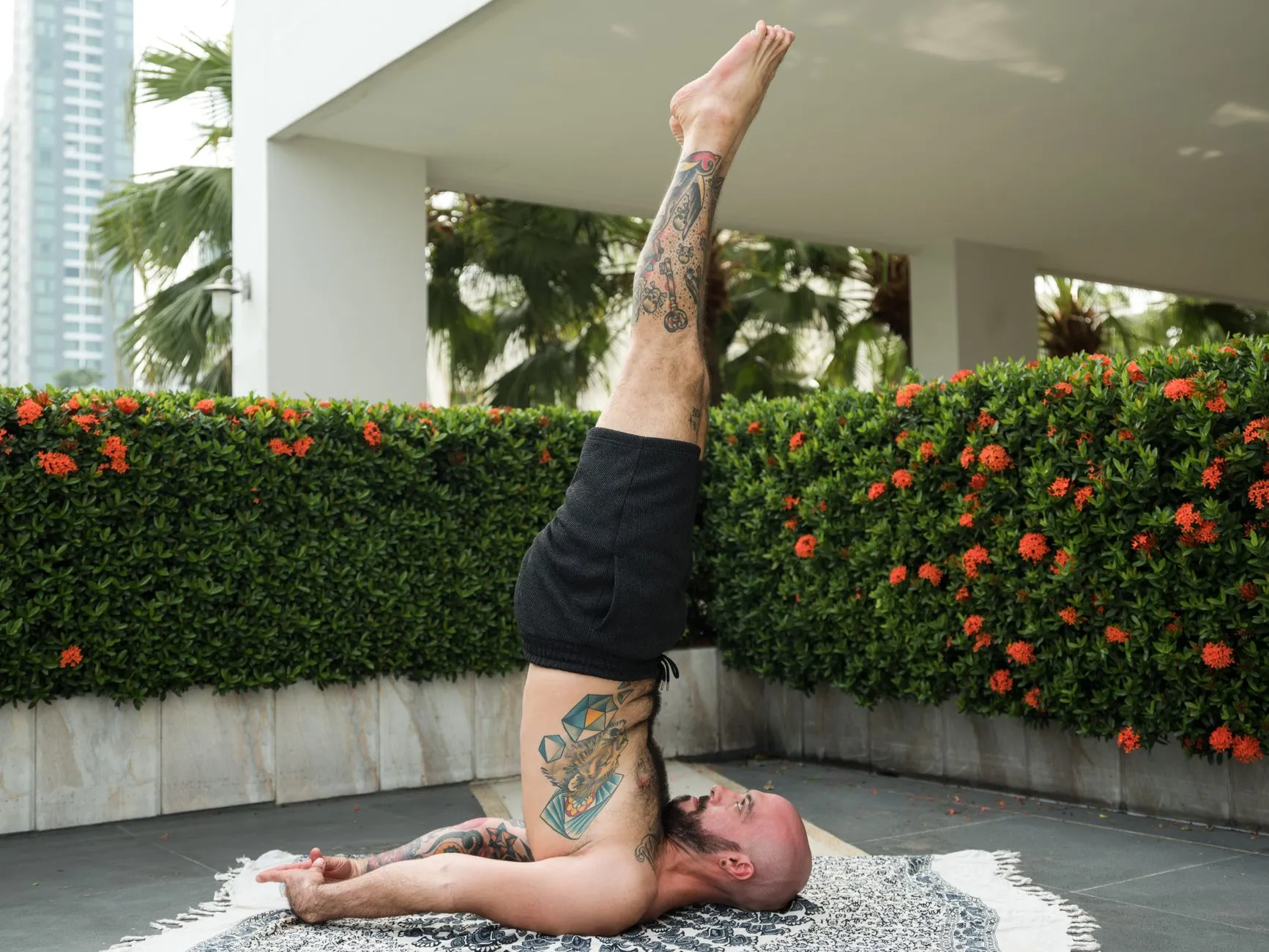
Breathwork is an essential component of yoga that enhances physical and mental well-being. By integrating breathwork into your daily practice, you can cultivate a deeper connection between your body and mind, allowing for a more fulfilling yoga experience.
Creating a Breathwork Routine
To effectively incorporate breathwork into your daily yoga practices, try using various controlled breathing techniques tailored to your needs. Start with simple practices such as deep belly breathing or box breathing. You might incorporate these techniques at the beginning of your practice to help settle the mind or at the end to promote relaxation.
When considering the duration and setting for breathwork sessions, aim for consistency. Daily practice can be as short as 5-10 minutes in a quiet, peaceful environment. Longer sessions can extend to 30 minutes or more, depending on your comfort level and experience. Creating a breathwork routine can significantly enhance your overall yoga practice by fostering greater awareness and relaxation 1, 2.
Practical Applications for Instructors
Instructors can effectively incorporate breathwork into their sessions by demonstrating specific techniques during classes, such as diaphragmatic breathing or alternate nostril breathing. For instance, showing students how to synchronize breath with movement can enhance their understanding of asanas and improve focus.
Timing breathwork within different yoga styles is also essential. For example, in Hatha yoga, students can be encouraged to breathe deeply before each transition between poses. In contrast, Vinyasa classes may benefit from synchronized breath during dynamic movements. This approach aids in maintaining flow and can improve overall engagement in the practice.
The following table summarizes various breathwork techniques and their applications across different yoga styles:
| Breathwork Technique | Suitable Yoga Styles | Purpose |
|---|---|---|
| Diaphragmatic Breathing | Hatha, Restorative | Promotes relaxation and lowers stress |
| Ujjayi Breathing | Vinyasa, Ashtanga | Enhances focus and creates warmth |
| Nadi Shodhana | Kundalini, Yin | Balances energy channels and calms mind |
| Kapalabhati (Skull Shining) | Power, Flow | Energizes body and clears mind |
Integrating these techniques not only enriches the yoga experience but also supports overall well-being, making for a more impactful practice for both instructors and students 3.
Comparative Analysis of Breathwork Techniques
Breathwork techniques vary widely, offering different methodologies, durations, and benefits tailored to practitioners’ needs. Understanding these differences enables individuals to choose the best approach for enhancing their wellness journey.
| Technique | Methodology | Duration | Benefits |
|---|---|---|---|
| Pranayama | Controlled breathing patterns | 5-60 minutes | Improved focus and energy |
| Holotropic Breathwork | Rapid breathing sessions | 1-3 hours | Emotional release and healing |
| Transformational Breath | Conscious connected breathing | 30-90 minutes | Stress reduction and clarity |
| Breath of Fire | Quick, forceful exhalations | 1-10 minutes | Energizing and revitalizing |
| Box Breathing | Inhale, hold, exhale, hold in equal lengths | 5-10 minutes | Reduces anxiety and stress |
Each technique presents its unique qualities, making them suitable for different practitioners. For instance, Pranayama is generally accessible for beginners and is particularly valued in yoga. In contrast, Holotropic Breathwork may be more effective for those seeking deep emotional insights due to its more intense nature. Practitioners should consider their individual goals—be it relaxation, energy enhancement, or emotional release—when selecting a breathwork method to practice 1, 13.
Ultimately, incorporating the right breathwork technique into practice can significantly enhance overall well-being and mood stability, leading to a more balanced and harmonious lifestyle.

FAQs
How often should I practice breathwork?
Breathwork can have various benefits based on frequency. For beginners, practicing 2-3 times a week can help you establish routines and notice changes. Advanced practitioners may benefit from daily sessions, incorporating breathwork into their existing yoga practices for enhanced mindfulness and relaxation.
What should I expect during a breathwork session?
During a breathwork session, you can expect a guided experience that typically includes preparatory relaxation, a structured breathing pattern, and a calming cooldown period. Common experiences may range from feelings of deep relaxation to increased emotional awareness, fostering a deeper connection with oneself.
Is breathwork safe for everyone?
While breathwork is generally safe, certain precautions should be taken. Individuals with respiratory conditions, heart issues, or mental health challenges should consult healthcare professionals before starting. It is important to listen to your body and discontinue practice if adverse effects occur.
What techniques are commonly used in breathwork?
There are several techniques used in breathwork, each serving specific purposes. Some of the most popular techniques include:
| Technique | Purpose | Application |
|---|---|---|
| Diaphragmatic Breathing | Promotes relaxation | Ideal for stress relief |
| Box Breathing | Increases focus and calm | Useful for anxiety and concentration |
| Holotropic Breathing | Facilitates deep emotional work | Often used in therapeutic settings |
| Alternate Nostril Breathing | Balances energy | Commonly practiced in yoga |
How can I combine breathwork with my yoga practice?
Integrating breathwork into yoga can enhance the overall experience. Here are some tips for effective integration:
- Start each session with breathwork: This helps to center your mind before starting yoga poses.
- Use breath awareness throughout practice: Sync your breath with movements to deepen the practice.
- End with a breath-focused meditation: This encourages relaxation, allowing you to process your practice and promote mindfulness.
Practicing breathwork as part of your routine at YMB Yoga School in Bali can lead to greater physical and mental well-being.
Conclusion
Integrating breathwork into yoga practice offers numerous health benefits, including reduced stress and enhanced well-being. Mindful breathing not only deepens physical postures but also fosters a greater connection between body and mind, amplifying the overall yoga experience. By emphasizing techniques such as pranayama, practitioners can achieve greater clarity and relaxation in their daily lives.
To explore these transformative techniques further, consider joining YMB Yoga School in Bali. Experience a unique environment that promotes growth and healing through the combination of yoga and breathwork. Embrace this opportunity to deepen your practice and enhance your well-being.