Quick Answer
Direct Answer
Meditation for anxiety offers a powerful path to relief by effectively promoting deep relaxation and significantly enhancing emotional regulation. Through various techniques, this practice helps individuals shift their focus to the present moment, thereby reducing the intensity of anxious thoughts and feelings. It equips practitioners with tools to observe their internal states without judgment, fostering a sense of calm and control.
Key Takeaways
Overview
Considering meditation for anxiety offers a powerful path to inner calm and mental well-being, providing effective strategies for navigating the challenges of modern life. Engaging in mindfulness techniques can significantly enhance emotional awareness, allowing individuals to observe their thoughts and feelings without judgment and fostering a greater sense of control over their internal experiences. For those new to the practice, guided meditations are particularly accessible, offering structured support and clear instructions that make starting this journey straightforward. YMB Yoga School, for instance, provides various programs designed to introduce beginners to these calming practices.
Deep breathing exercises stand out as an immediately effective tool for anxiety relief, capable of swiftly calming the nervous system and promoting relaxation in moments of stress. Importantly, there is scientific backing that consistently supports meditation’s widespread mental health benefits, demonstrating its positive impact on reducing stress, improving focus, and enhancing overall emotional regulation. Integrating regular meditation for anxiety into one’s routine can lead to profound improvements in daily well-being.
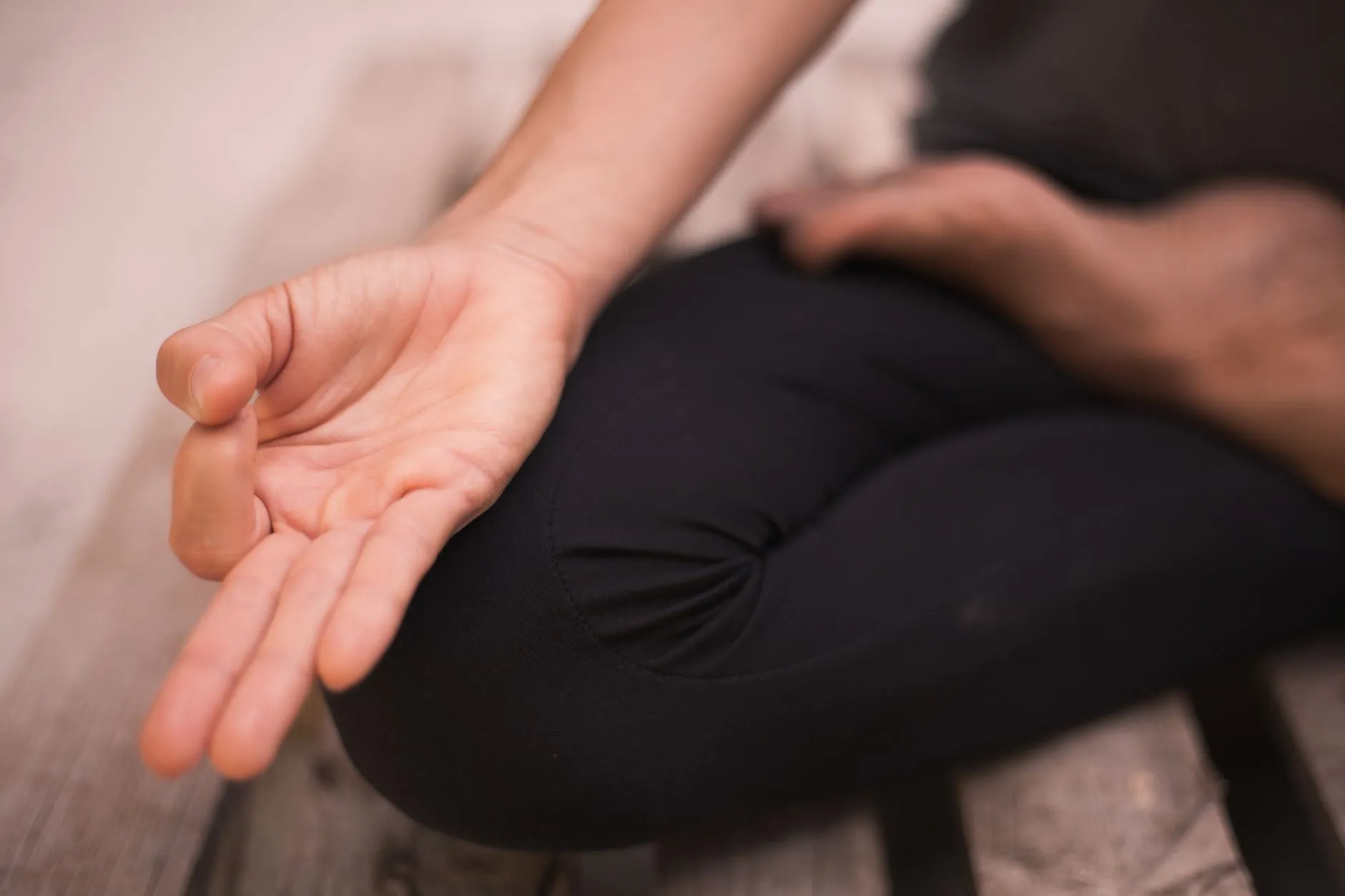
How Can Meditation Help with Anxiety?
Meditation for anxiety has emerged as a widely recognized and effective approach for managing and reducing feelings of unease and worry. Through various techniques, meditation helps individuals cultivate a sense of calm and mental clarity, offering a powerful tool against the pervasive nature of anxiety.
Direct Benefits of Meditation
Engaging in meditation practices can offer several direct benefits that significantly contribute to anxiety reduction. Consistent practice often reduces anxiety levels significantly, helping to quiet the mind and diminish the intensity of anxious thoughts. Beyond simply lessening negative feelings, meditation also plays a crucial role in enhancing positive emotional states. Practitioners often report improved mood, increased resilience, and a greater capacity for joy and contentment. Furthermore, meditation induces observable physiological changes within the body, such as lower heart rates. By calming the nervous system, it helps to regulate the body’s stress response, fostering a state of relaxation that counteracts the physical manifestations of anxiety. For those looking to explore these benefits, reputable institutions like YMB Yoga School offer programs designed to guide individuals through effective meditation practices.
Savoring vs. Breathing Techniques
Different meditation techniques can impact the body’s systems in distinct ways, yet both can effectively reduce anxiety. Savoring meditation, which involves deeply appreciating positive experiences and sensations, has been observed to increase sympathetic activation. While sympathetic activation is typically associated with the “fight or flight” response, in the context of savoring, it refers to a heightened, positive arousal that allows individuals to fully engage with and amplify pleasant moments, thereby shifting focus away from anxious thoughts. In contrast, breathing relaxation techniques are known to enhance parasympathetic tone. The parasympathetic nervous system is responsible for the “rest and digest” functions, and by activating it through controlled breathing, these techniques promote profound physical and mental relaxation. The remarkable aspect is that despite these differing physiological pathways, both methods effectively reduce anxiety, providing individuals with a range of accessible strategies to manage their emotional well-being. Individuals interested in learning more about these specific techniques are encouraged to check current details on the course pages offered by YMB Yoga School to find a program that aligns with their needs.
Mindfulness Meditation Techniques Overview
Understanding Mindfulness
Mindfulness is fundamentally about cultivating an awareness of the present moment, observing thoughts, feelings, and bodily sensations without judgment. It involves a conscious effort to stay grounded in the ‘here and now’ rather than dwelling on the past or worrying about the future. Meditation serves as a powerful practice that encourages deeper mindfulness through focused attention. By regularly engaging in meditation, individuals can train their minds to become more attuned to their internal and external experiences. Common techniques used to develop mindfulness include breath awareness, where attention is gently brought to the sensation of breathing, and body scans, which involve systematically bringing awareness to different parts of the body to notice any sensations present.
Effective Techniques for Anxiety
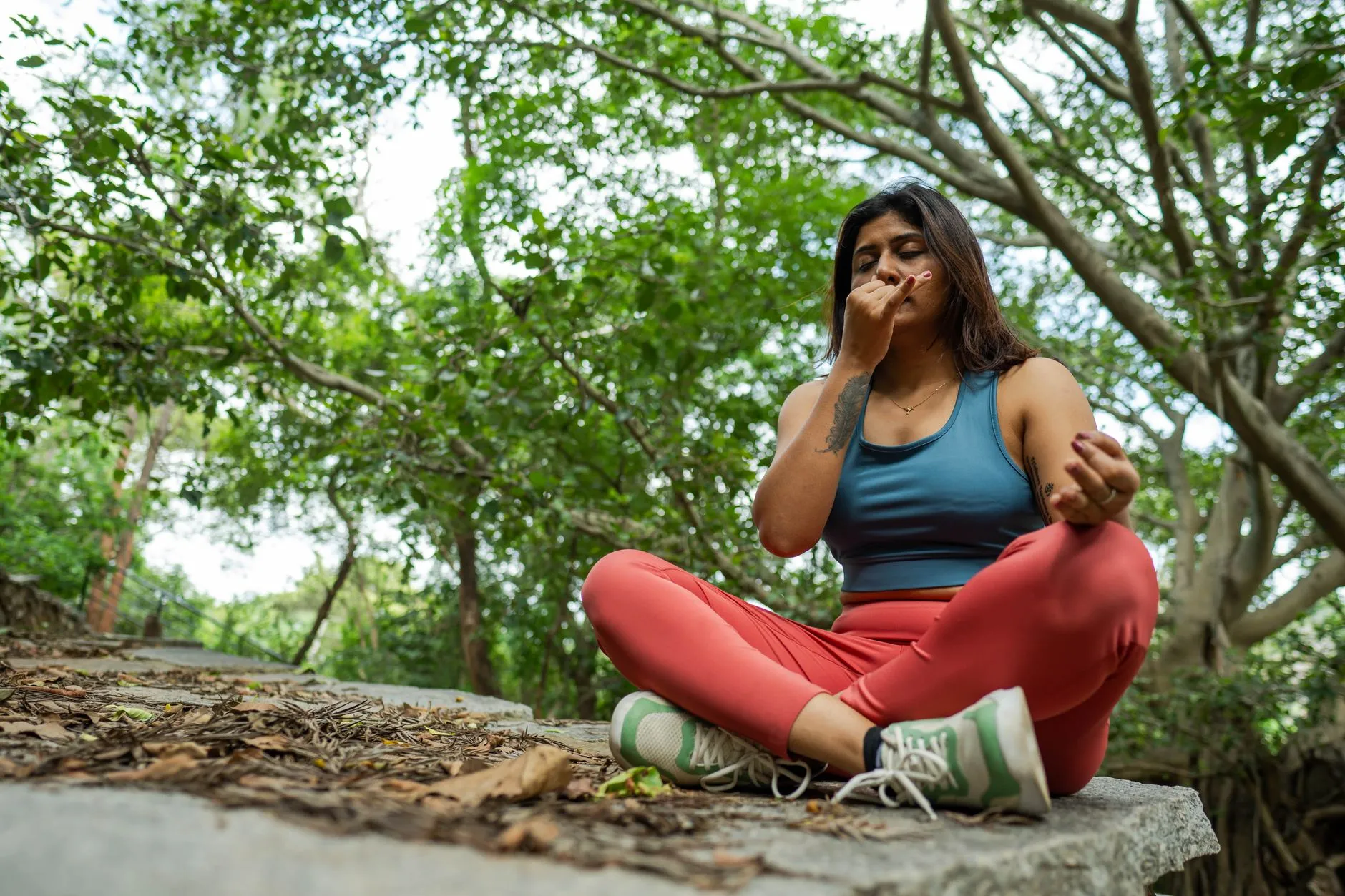
Various mindfulness practices have proven effective in managing and reducing anxiety. Mindfulness-Based Stress Reduction (MBSR) is a structured program designed to help individuals cope with stress, pain, and illness through the cultivation of mindfulness. This approach typically involves formal meditation practices, including body scans, sitting meditation, and gentle yoga, alongside informal practices integrated into daily life. Another beneficial technique is guided meditation for relaxation, where an instructor’s voice leads participants through a meditative journey, often focusing on imagery, body relaxation, or breath. These guided sessions can help calm the nervous system and promote a sense of inner peace. Additionally, deep breathing exercises are a cornerstone of many mindfulness practices for anxiety. Techniques such as diaphragmatic breathing, where the breath is deepened to engage the abdomen, can directly influence the body’s physiological response to stress, promoting relaxation and reducing feelings of panic. Individuals looking to explore these beneficial practices can often find resources and instruction at places like YMB Yoga School, which provides structured learning environments to develop a sustainable mindfulness practice for anxiety relief.
What Should You Consider When Choosing an Approach?
When exploring different practices for meditation for anxiety, it’s crucial to evaluate various aspects to find an approach that aligns with individual needs and circumstances. The ideal practice should be sustainable, effective, and accessible.
Key Factors to Evaluate
Several key factors warrant consideration before committing to a specific meditation method or program:
- Cost and Access to Classes or Apps: The financial investment can vary significantly. Some approaches are available through free apps or online resources, while others involve paid subscriptions, in-person class fees, or workshops. Accessibility is also paramount, encompassing both geographical location for in-person classes and the availability of online platforms that suit your schedule. For specific details on pricing and access options, it’s always best to check the current course pages of any school or app, including those offered by YMB Yoga School.
- Duration of Sessions and Overall Routines: Consider how much time you can realistically dedicate to meditation each day. Some techniques might involve short, five-minute sessions, ideal for beginners or those with busy schedules, while others could require longer commitments of 20 minutes or more. It’s important to understand the recommended routine for maximum benefit and ensure it fits comfortably into your daily life to foster consistency.
- Typical Times for Practice for Maximum Effect: While meditation can be beneficial at any time, certain periods might be more conducive to practice depending on the specific technique and your personal rhythms. Many find morning meditation helpful for setting a calm tone for the day, while evening sessions can aid in stress reduction and preparing for sleep. Understanding the recommended timing for different practices can help optimize their effectiveness in managing anxiety.
- Suitability for Different Anxiety Levels: The intensity and style of meditation should be appropriate for your current anxiety level. Beginners or individuals experiencing high anxiety may benefit from gentle, guided meditations that focus on breath and body awareness, providing a gradual introduction to mindfulness. More advanced or focused techniques might be better suited for those who have established a foundational practice. It’s important to choose an approach that feels supportive and calming, rather than overwhelming, when addressing meditation for anxiety. Many schools, such as YMB Yoga School, offer introductory courses designed to accommodate various experience levels.
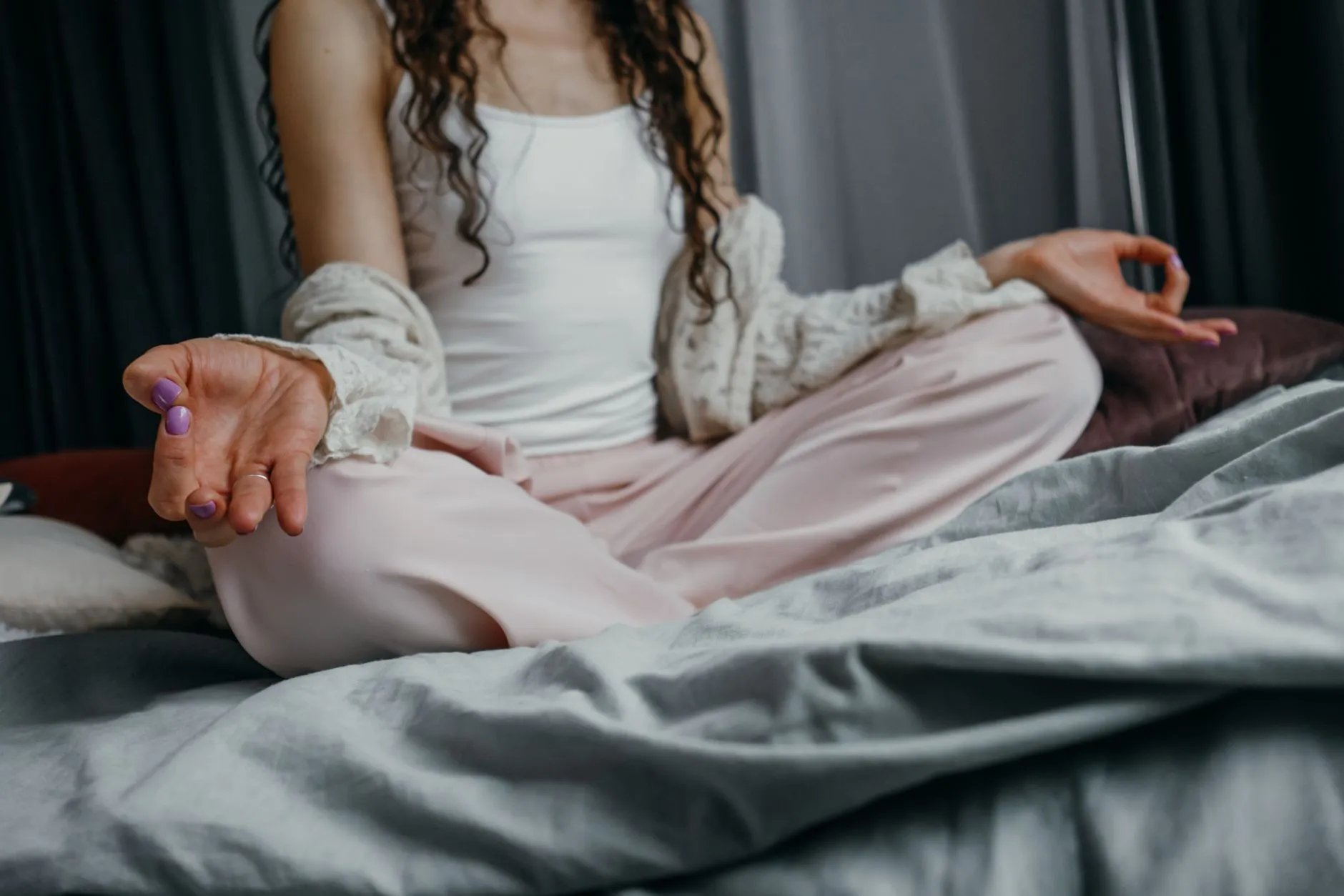
Comparing Meditation Options for Anxiety Relief
Comparison of Techniques
When seeking relief from anxiety, various techniques offer distinct approaches, each with its own benefits. Understanding these differences can help individuals choose the most suitable path.
Mindfulness meditation offers a path to present-moment awareness, encouraging individuals to observe thoughts and feelings without judgment. This practice often involves focusing on the breath or body sensations, which can help in reducing overthinking and worry, common symptoms of anxiety. Through consistent practice, it aims to cultivate a sense of calm and emotional regulation.
In contrast, Cognitive Behavioral Therapy (CBT) is a structured therapeutic approach that focuses on identifying and modifying unhelpful thought patterns and behaviors that contribute to anxiety. While not exclusively a meditation technique, CBT often incorporates mindfulness exercises as a component to help clients become more aware of their thoughts and reactions. The core difference lies in their primary focus: mindfulness emphasizes acceptance and observation, while CBT actively works to challenge and restructure cognitive distortions. Both can be highly effective in managing anxiety, often complementing each other.
Breathing techniques are foundational practices for immediate anxiety relief. Engaging in specific breathing techniques can directly influence the body’s stress response system, promoting relaxation. The 4-7-8 breathing technique involves inhaling for four counts, holding the breath for seven counts, and exhaling for eight counts, typically through the mouth. This method is often used to calm the nervous system and promote sleep. Box breathing, also known as square breathing, involves inhaling for a count of four, holding for four, exhaling for four, and holding empty for four, creating a steady, rhythmic pattern. Both techniques aim to slow the heart rate and reduce physiological symptoms of anxiety by emphasizing a controlled, deep breath.
For those looking to integrate guided practices into their routine, numerous apps are available that offer structured sessions for mindfulness, meditation, and breathing exercises. These apps often provide a range of durations and styles, making it easier to fit practice into busy schedules. Individuals interested in structured learning and guided group practices can also explore offerings from institutions like YMB Yoga School, which may provide courses or workshops on various mindfulness and breathing techniques beneficial for anxiety management. For specific program details and current offerings, checking YMB Yoga School’s course page is recommended.
Scientific Insights on Meditation and Anxiety
Research Documented Benefits
Meditation for anxiety has been the subject of extensive scientific inquiry, revealing several profound benefits. Mindfulness-Based Stress Reduction (MBSR) programs, in particular, have shown significant symptom reduction in various clinical trials. These studies indicate that regular engagement with mindfulness practices can lead to a decrease in the severity and frequency of anxiety symptoms. Beyond symptomatic relief, research has also documented meditation-related changes in brain structure, particularly in areas associated with emotion regulation, self-awareness, and stress response. For instance, some studies suggest that practice may be linked to increased gray matter density in regions like the hippocampus, crucial for learning and memory, and a reduction in the volume of the amygdala, which plays a primary role in fear and anxiety processing. Furthermore, physiological studies demonstrate that meditation can be effective in lowering stress hormones like cortisol and contributing to more balanced heart rates, indicating a direct impact on the body’s stress response system.
Success Stories
The tangible benefits of meditation for anxiety are not limited to clinical findings; they are also reflected in numerous personal accounts of alleviated anxiety. Individuals often report a greater sense of calm, improved emotional resilience, and a reduced tendency to become overwhelmed by stressful situations. These insights highlight long-term improvements in mental health, with practitioners frequently experiencing sustained reductions in anxiety symptoms and a greater capacity to manage daily stressors. Many success stories emphasize the value of responsive practices adapted to individual needs, allowing people to find meditation techniques that resonate most effectively with their personal experiences and challenges. Such tailored approaches, often found in supportive environments like those offered at YMB Yoga School, help foster a deeper and more consistent practice, leading to more profound and lasting benefits in managing anxiety. YMB Yoga School’s approach to teaching meditation helps individuals cultivate these responsive practices, enabling them to integrate mindfulness effectively into their lives.

FAQs
What techniques are best for anxiety relief?
For individuals seeking meditation for anxiety relief, several techniques have demonstrated effectiveness. Mindfulness meditation and breath awareness exercises are strongly supported by research for their ability to cultivate present-moment awareness and reduce stress. Additionally, guided imagery can be a powerful tool, helping individuals to visualize calming scenes and promote relaxation.
Can meditation be as effective as medication?
Research indicates that mindfulness, a key component of meditation for anxiety, can demonstrate comparable efficacy to certain medications for some individuals. While meditation offers a non-pharmacological approach to managing anxiety symptoms, it is important to remember that individual responses vary, and it should be considered as part of a comprehensive wellness strategy, potentially alongside medical advice.
How often should I meditate for results?
For optimal results in managing anxiety, consistency is key. Aim for a regular meditation practice, integrating it into your daily routine. Specific recommendations for duration can vary depending on the technique and individual needs, so it’s advisable to explore different lengths and find what works best for you, or consult with an instructor for personalized guidance.
Is there a difference between meditation and mindfulness?
Yes, there is a distinct relationship between meditation and mindfulness. Meditation is the broader practice or technique, involving various methods like focused attention or open monitoring. Mindfulness, on the other hand, is a state of awareness that can be cultivated through meditation. It refers to paying attention to the present moment, without judgment, and can be integrated into daily life beyond formal meditation sessions.
Conclusion
Summarizing Meditation’s Role
Throughout this article, we’ve explored how meditation for anxiety offers a powerful and structured method for cultivating inner peace and alleviating stress. Its practice provides individuals with concrete tools to manage their thoughts and emotions, fostering a sense of calm amidst daily challenges. The journey with meditation is not merely about momentary relief; it’s a continuous path where dedicated engagement progressively enhances overall mental well-being, leading to a more resilient and centered state of mind. For those seeking to deepen their practice and harness its full potential, professional guidance can significantly amplify these benefits. YMB Yoga School, for instance, provides expertly structured programs designed to support individuals in developing effective meditation techniques and integrating them into their lives for lasting positive change.