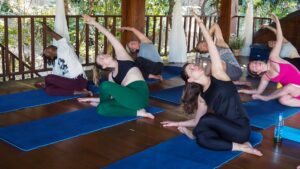
Written by the teaching team at YMB Yoga School in Klungkung, Bali.
Understanding the Influence of Local Traditions on Yoga
The practice of Indonesian yoga is deeply intertwined with the rich cultural tapestry of the archipelago, particularly in Bali. More than just a physical exercise, yoga here frequently integrates with local spiritual practices, creating a holistic experience. This incorporation of traditional roots is a defining characteristic of yoga in Bali, offering practitioners a unique blend of physical movement and spiritual depth.
How Are Traditional Roots Incorporated?
In Bali, yoga sessions frequently integrate elements of Balinese spiritual practices. This can manifest through opening ceremonies, offerings (Canang Sari), or blessings, which connect the practice to the island’s Hindu traditions. Teachers often encourage an understanding of these customs, fostering a deeper respect for the local culture. This approach moves beyond mere physical postures, aiming for a practice that nurtures both the physical body and spiritual well-being.
The focus extends beyond attaining physical health; it deliberately cultivates spiritual awareness and inner peace. The island’s renowned “Mother Bali” energy, described as a nurturing and mother-like feminine force, often provides a safe space for emotional release and psychological growth. This inherent energy amplifies the spiritual aspect of yoga, creating an environment conducive to personal transformation. YMB Yoga School also emphasizes the wisdom found in ancient texts like Patanjali’s Yoga Sutras, which are foundational to understanding the cultural significance and diverse teachings within yoga, including styles such as Hatha yoga and Raja yoga.
Moreover, local cultural values are paramount in teaching methodologies. Whether exploring Hatha, Vinyasa, or Ashtanga, these diverse yoga styles are taught with an awareness of their broader spiritual and cultural context. This ensures that the practice of Indonesian yoga is not just about postures but also about fostering community, understanding Balinese philosophy, and connecting with the profound spiritual heritage that permeates daily life on the island.
Yoga Practices in Bali vs. Western Styles
The exploration of Indonesian yoga offers a fascinating contrast when set against the backdrop of Western yoga styles. While both paths lead to personal growth and well-being, their cultural underpinnings and practical expressions often diverge significantly. Understanding these differences can help you find the practice that resonates most deeply with your personal journey.
Cultural Influences and Historical Context
Western yoga, as it is largely practiced today, has evolved significantly through urban wellness culture, becoming broad enough to cater to a diverse demographic including spiritual seekers, serious practitioners, beginners, athletes, office workers, retirees, and travelers. Often embraced as part of a larger wellness routine, it focuses on physical fitness, stress reduction, and mental clarity. This evolution has led to a wide variability in Western practices, ranging from vigorous hot yoga sessions designed to detoxify and build strength, to gentle restorative classes aimed at deep relaxation and healing. The influences on modern Western yoga can be traced back through various texts, but its contemporary form often reflects an adaptation to busy lifestyles and individualistic goals.
In contrast, Indonesian yoga, particularly in Bali, is often deeply integrated with local spiritual practices and ancient wisdom. The island itself is frequently described as possessing a “Mother Bali” energy, a nurturing and maternal force that creates a safe space for profound emotional release and psychological growth. This environment fosters a deeper connection to cultural significance, allowing for the infusion of ancient texts like Patanjali’s Yoga Sutras into various yoga teachings, including Hatha yoga and Raja yoga. This integration often means that a practice session in Bali might encompass more than just physical postures, blending breathwork, meditation, and elements of local healing traditions, offering a holistic path that extends beyond the physical mat.
Comparison of Practices
While the ultimate goal of well-being is shared, the approach and emphasis between practices rooted in Bali and those commonly found in Western settings can differ. The table below highlights some key distinctions in styles, techniques, and community aspects.
| Aspect | Indonesian Yoga (Bali Focus) | Western Yoga Styles |
|---|---|---|
| <strong>Core Philosophy</strong> | Strong integration with local spiritual traditions, “Mother Bali” energy, ancient texts like Patanjali’s Yoga Sutras. | Often focuses on physical well-being, stress relief, and individual self-improvement within a wellness framework. |
| <strong>Common Styles/Focus</strong> | Hatha and Raja yoga often blended with Balinese spiritual practices. Focus on holistic healing and deeper connection. | Diverse styles such as Hatha, Vinyasa, and Ashtanga are common. Focus can range from dynamic movement to passive stretching and relaxation, tailored to various fitness levels and goals. |
| <strong>Techniques/Approach</strong> | Emphasis on breath, mindful movement, and often includes meditation, chanting, and integration of natural elements. | Diverse techniques depending on style; Vinyasa for dynamic flow, Hatha for basic postures and breathing, Ashtanga for structured sequences. |
| <strong>Community/Experience</strong> | Nurturing and supportive environment, fostering emotional release and spiritual growth. Often a retreat-like atmosphere. | Community often forms around studios or specific teachers. The experience can vary from high-energy classes to quiet, restorative sessions, adapting to urban life. |
This distinction highlights that while many yoga styles originate from ancient traditions, their adaptation and integration into different cultural contexts create unique experiences. For those seeking to deepen their understanding of Indonesian yoga and its holistic, spiritually-infused approach, Bali offers an unparalleled setting.
Benefits of Practicing Yoga in Bali
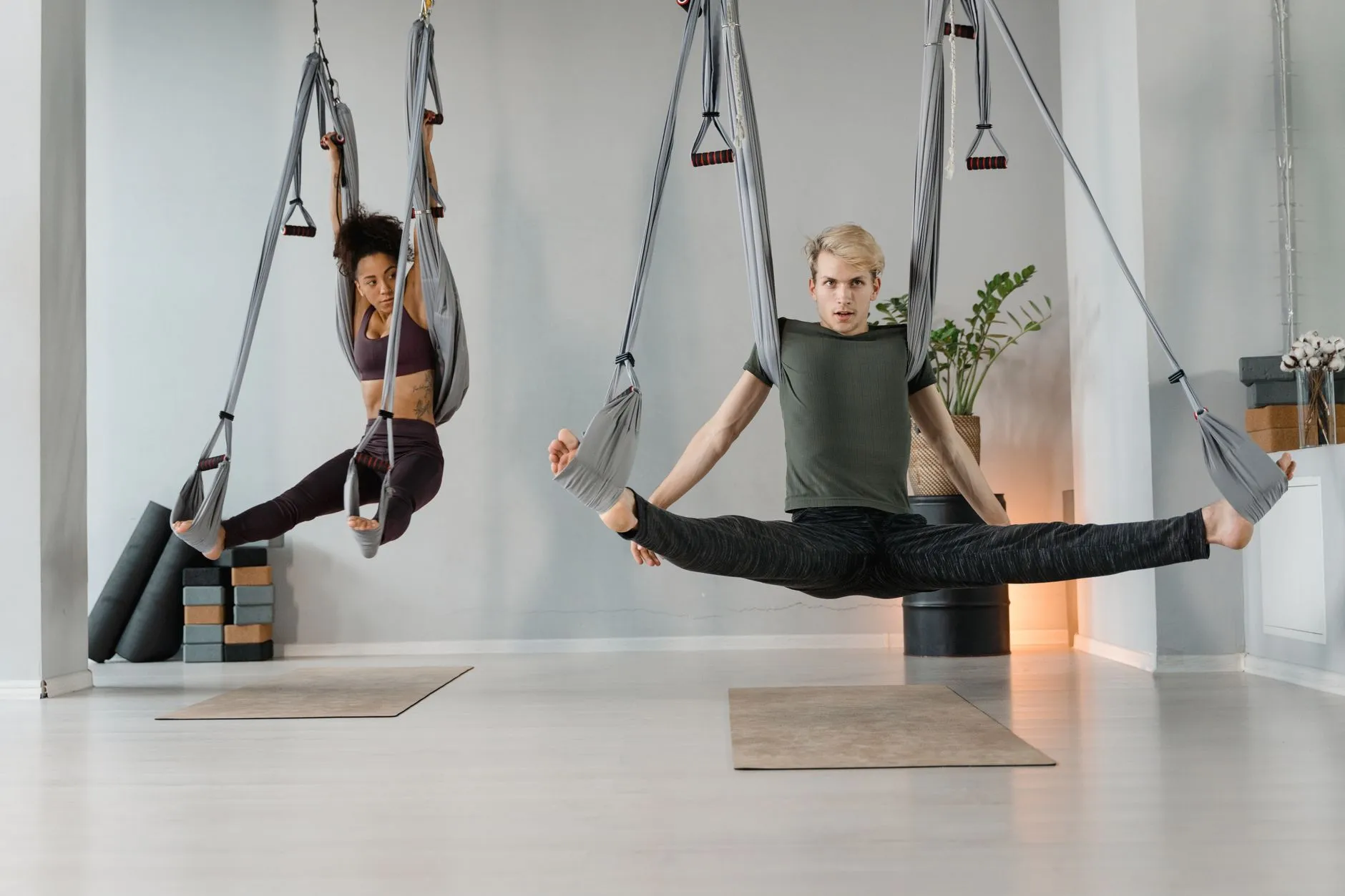
Choosing Bali as a destination for your yoga practice offers a unique blend of natural beauty, spiritual depth, and cultural immersion, making the experience far richer than a typical studio setting. The island provides an unparalleled backdrop for both deepening your personal practice and embarking on a teacher training journey, such as those offered at YMB Yoga School. The allure of Indonesian yoga in Bali stems from its ability to integrate physical wellness with a profound sense of place.
Why Choose Bali for Yoga Retreats?
Bali’s picturesque landscapes naturally enhance mindfulness practices, fostering an environment where inner peace feels more accessible. Imagine practicing your asanas surrounded by lush rice paddies, volcanic mountains, or the soothing sounds of the ocean. This connection to nature, combined with the island’s serene atmosphere, helps practitioners to cultivate a deeper sense of presence and focus. The island is often described as possessing “Mother Bali” energy, a nurturing and feminine force that supports deep emotional release and psychological growth, providing a safe space for personal transformation.
Beyond the scenery, the cultural ambiance of Balinese Hinduism encourages spiritual engagement. The island’s daily rituals, temples, and the gentle, spiritual nature of its people create an immersive environment that aligns perfectly with the philosophical tenets of yoga. Embracing this cultural significance allows for a deeper connection to your practice, infusing the wisdom of ancient texts like Patanjali’s Yoga Sutras into the diverse teachings of various yoga schools. This integration of physical wellness and cultural experiences is a hallmark of retreats here, offering more than just postures; it’s an opportunity to connect with the origins and spirit of yoga in a meaningful way. Participants can choose from a myriad of yoga styles, including Hatha, which focuses on basic postures and breathing, and Vinyasa, known for its dynamic movements, tailored to all levels seeking to explore the richness of Indonesian yoga.
What to Expect from Your Yoga Experience
Essential Information on Yoga Programs
When exploring Indonesian yoga programs, understanding the typical structure, costs, and suitability is key to finding the right fit for your journey. Programs often encompass a range of styles and activities, catering to a diverse audience from spiritual seekers to serious practitioners and even those integrating yoga into a broader wellness routine. These experiences are designed to immerse you deeply in the practice, often including accommodation, meals, and comprehensive training.
Typical costs for yoga sessions and retreats can vary significantly depending on their duration and inclusions. For example, a 100-hour yoga teacher training at YMB Yoga School is priced at $999 for early bird registration or $1,400 at the regular rate, spanning 10 days. More comprehensive programs, such as our 200-hour training, are available for $1,450 as an early bird offer or $2,199 at the regular price, covering 23 days. For advanced practitioners, our 300-hour training runs for 28 days, costing $2,400 for early bird sign-ups or $3,450 at the regular rate. These prices typically include the training curriculum, materials, and certification upon successful completion. A deposit of $380 is usually required to secure a spot.
The duration options for yoga programs are as varied as the styles themselves. You can find intensive workshops lasting a few days, or more extensive programs like the teacher trainings mentioned, which can range from 10 days to nearly a month. Beyond dedicated trainings, shorter engagements are also available for yoga in Bali, such as regular classes. For instance, YMB Yoga School offers classes every Sunday from 4-8 PM, allowing for ongoing practice without a long-term commitment. Whether you seek a brief restorative break or a profound, career-changing experience, there is a program length to match your goals.
Yoga programs, particularly those in a setting like Bali, are inherently designed to accommodate a wide spectrum of individuals. Regardless of whether you are a complete beginner or an experienced practitioner, there are offerings tailored to your level. Styles like Hatha, which focuses on basic postures and breathing, and Vinyasa, known for its dynamic movements, are popular choices that can be adapted for different abilities. The island’s nurturing atmosphere, often described as having “Mother Bali” energy, provides a safe space for deep emotional release and psychological growth, making it an ideal environment for all levels of practitioners to explore and deepen their practice.

Cost Comparison: Yoga in Bali vs. Other Destinations
Understanding the financial aspects of a yoga teacher training program is a significant consideration for many aspiring teachers. When considering an Indonesian yoga teacher training, the costs can vary, and it is helpful to compare these with programs offered in other regions. Bali offers a unique and often comprehensive experience that can influence the overall investment.
Financial Aspects of Yoga Retreats
Yoga training programs in Bali typically range from $1699 to $4000. This range often reflects the immersive nature of courses on the island, which can include not just instruction but also accommodation, meals, and cultural experiences. When comparing this to Western schools, costs may start around $1000. This difference often highlights the inclusive luxury element that many Bali-based programs provide, offering a holistic retreat experience beyond just the yoga curriculum.
YMB Yoga School provides structured pricing for various levels of training, ensuring transparency for your investment in an Indonesian yoga journey. For those seeking foundational knowledge, our 100-hour yoga teacher training program is offered between $999 and $1,400, completed over 10 days. Our 200-hour program, essential for becoming a certified teacher, ranges from $1,450 to $2,199 and spans 23 days. For advanced practitioners, the 300-hour program costs between $2,400 and $3,450 over a 28-day period. A deposit starting from $380 secures your place in any of these programs. These costs cover extensive training, curriculum materials, and often include components that contribute to a truly immersive experience.
Here is a general comparison of typical training costs:
| Program Type | Typical Cost Range | Duration |
|---|---|---|
| Yoga Teacher Training in Bali | $1,699 – $4,000 | Varies |
| Yoga Teacher Training in Western | Starting around | Varies |
| Destinations | $1,000 | |
| <strong>YMB Yoga School’s Programs in Bali</strong> | ||
| 100-hour Yoga Teacher Training | $999 – $1,400 | 10 days |
| 200-hour Yoga Teacher Training | $1,450 – $2,199 | 23 days |
| 300-hour Yoga Teacher Training | $2,400 – $3,450 | 28 days |
FAQs
What cultural aspects influence yoga in Bali?
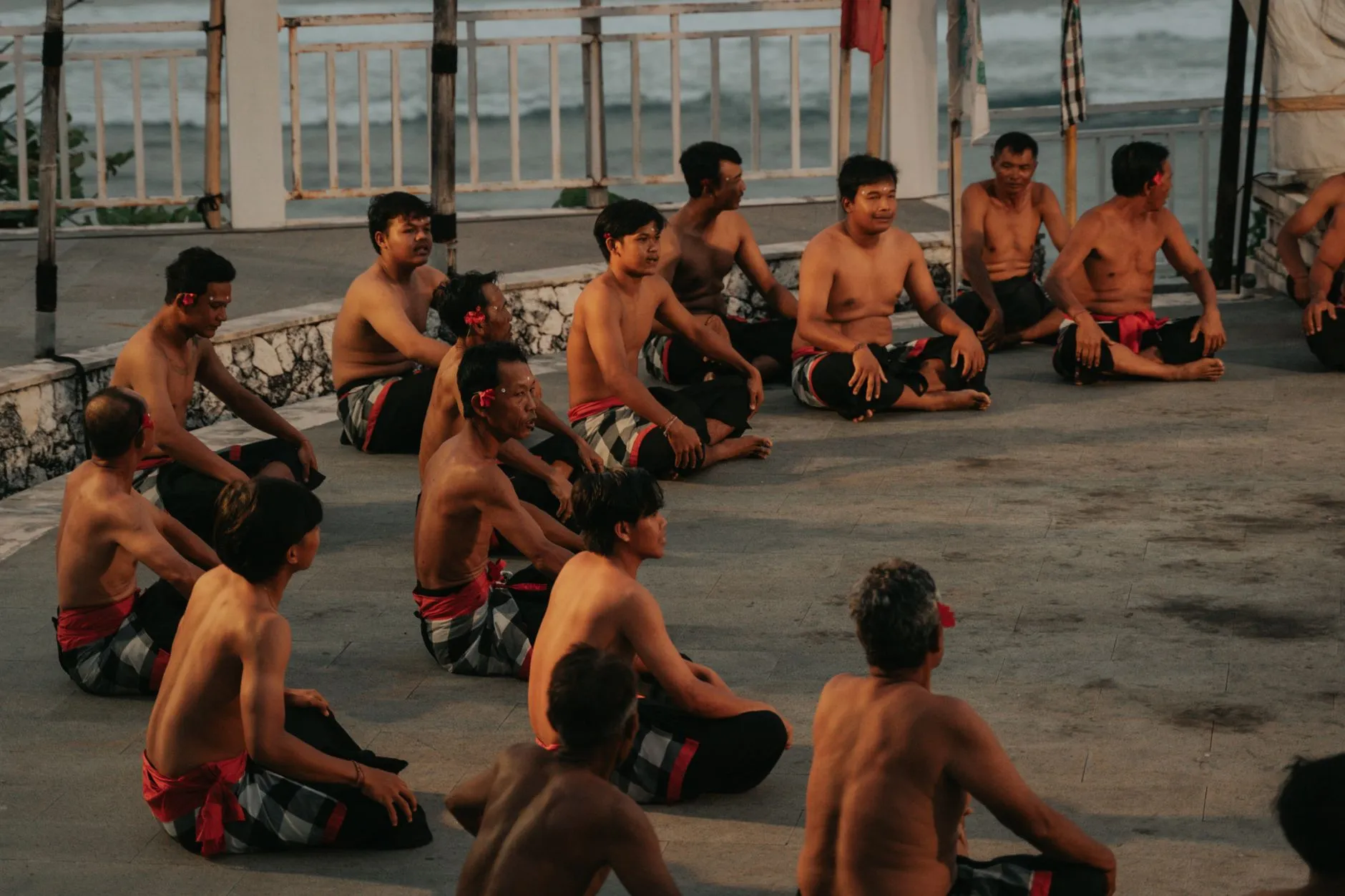
Indonesian yoga in Bali is deeply influenced by the island’s rich spiritual heritage. Local traditions and daily rituals are often integrated into yoga sessions, creating a practice that extends beyond physical postures. This emphasis allows for a deeper connection, infusing the wisdom of ancient texts like Patanjali’s Yoga Sutras into diverse yoga teachings. The island is also described as having a “Mother Bali” energy, a nurturing presence that supports emotional release and personal growth, which permeates the approach to wellness and yoga here.
Is yoga practice in Bali suitable for beginners?
Yes, yoga practice in Bali is very suitable for beginners. Many schools and retreats offer courses specifically designed for those new to yoga, providing foundational instruction in a supportive and inclusive environment. You can choose from a myriad of yoga styles, including Hatha, which focuses on basic postures and breathing, and Vinyasa, known for its dynamic movements, all tailored to accommodate various experience levels. Modern yoga is broad enough to welcome everyone, from spiritual seekers to absolute beginners.
What makes YMB Yoga School unique?
YMB Yoga School stands out by focusing on integrating traditional Indonesian practices and Balinese culture into its comprehensive yoga programs. Our courses are carefully tailored to respect and incorporate local cultural elements while remaining accessible to a global audience. This approach offers a distinctive experience, allowing students to connect with the spiritual essence of Balinese life alongside their yoga training. We believe this cultural immersion enriches the learning journey, providing a holistic and memorable experience.
When is the best time to attend yoga classes in Bali?
The ideal time to attend yoga classes in Bali, especially for outdoor sessions, is during the dry season, which runs from April to October. This period offers sunny weather and comfortable temperatures. While classes are available year-round, you might find them less crowded during the off-peak months outside this dry season, offering a more intimate learning environment.
How do costs at YMB compare to yoga schools in India?
When considering yoga teacher training, the costs and experiences can vary significantly between Bali and India. While some Indian schools may offer lower costs, they often come with fewer amenities or a more austere environment. At YMB Yoga School, our programs, such as the 200-hour teacher training, reflect a luxury environment with comprehensive inclusions, providing a distinct value. For example, our 200-hour course ranges from $1,450 for early bird registration to $2,199 for regular enrollment, and it includes private accommodation, three daily meals, airport transfer, and excursions.
Here is a general comparison:
| Feature | YMB Yoga School (Bali) | Yoga Schools (India – general) |
|---|---|---|
| <strong>200-Hour Course Price</strong> | $1,450 (early bird) – $2,199 (regular) | Often lower, varying widely |
| <strong>Duration</strong> | 23 days | Typically 21-28 days |
| <strong>Inclusions</strong> | Private accommodation, 3 daily meals, airport transfer, excursions | Fewer amenities, sometimes shared accommodation |
| <strong>Environment</strong> | Luxurious setting, nurturing “Mother Bali” energy | Often simpler, focus on austerity and tradition |
Conclusion
Indonesian yoga, especially within the serene landscapes of Bali, offers an unparalleled journey that extends beyond physical postures to embrace a rich cultural tapestry. The island’s profound spiritual heritage intricately weaves into the yoga experience, creating an atmosphere unlike anywhere else in the world. Bali’s integration of local traditions significantly enhances the practice, offering more than just a class but a holistic immersion. The island is often described as possessing a “Mother Bali” energy, providing a nurturing and mother-like feminine essence that supports deep emotional release and psychological growth. This environment naturally fosters a deeper connection to one’s practice, infusing the wisdom of ancient texts like Patanjali’s Yoga Sutras into diverse teachings, spanning various styles from Hatha yoga to Raja yoga.
The range of programs available for Indonesian yoga truly caters to all individuals, from those just beginning their journey to seasoned practitioners. Yoga in Bali offers a diverse selection of programs suitable for all levels, ensuring everyone can find a path that resonates with them. Whether you are a spiritual seeker, a serious practitioner, a beginner, an athlete, or simply looking to integrate wellness into your travels, Bali has a program for you. Participants can choose from a myriad of yoga styles, including Hatha, Vinyasa, and Ashtanga, all tailored to different levels of experience. Beyond the physical practice, many centers also incorporate Ayurveda, breathwork, and healing sessions, offering a comprehensive approach to well-being. From booking a holiday retreat for practice and rest to enrolling in a 200-hour teacher training to teach, the opportunities are extensive. Here at YMB Yoga School, we are dedicated to upholding these values, providing a supportive and enriching environment for all who seek to deepen their understanding and practice of yoga.
Related Reading from YMB Yoga School
- The Financial Reality of Yoga Teacher Training: Understanding Costs, Earnings, and Opportunities
- Understanding Yoga Teacher Training Course (TTC): Types of Programs and Benefits
- Types of Yoga Retreats in Bali: A Perfect Path Towards Good Health