Written by the teaching team at YMB Yoga School in Klungkung, Bali.
The “best” 200-hour yoga teacher training retreat is subjective, depending on your personal goals, preferred yoga style, budget, location preferences, and desired learning environment. It is the training that aligns most closely with your individual needs for deepening your practice and becoming a certified yoga teacher. This guide will walk you through the key considerations to help you find the program that is right for you.
Understanding the ‘Best’ 200-Hour Yoga Teacher Training Retreat for You
Finding the ‘best’ 200-hour yoga teacher training retreat begins with understanding that ‘best’ is a highly personal definition, unique to your goals and needs. Before comparing programs, it’s helpful to look inward and clarify what you hope to achieve.
Defining Your Goals for a YTT
First, clarify your primary intention. Are you certain you want to teach yoga professionally, or is your main goal to deepen your personal practice? Perhaps it’s a combination of both. Your core motivation will influence the type of program that suits you. For instance, someone focused on personal development might prioritize a school with a strong philosophical lineage, while an aspiring teacher may look for extensive teaching practicum.
Key Factors to Evaluate in a 200-Hour YTT Retreat
With your personal goals in mind, you can start evaluating potential programs using these key factors:
- Yoga Style and Lineage: Do you have a strong preference for a particular style like Hatha, Vinyasa, or Ashtanga? Many schools offer a multi-style approach. Research the school’s philosophical background and the lineage of its teachers to see if it resonates with you.
- Location: The setting of your training is a major part of the experience. Do you envision yourself in a place with a rich cultural backdrop, a quiet natural setting, or a specific climate? Your choice of location will shape your time outside of the yoga shala. You can start by considering different options when choosing a YTT destination.
- Accreditation and Teacher Experience: Look for a Registered Yoga School (RYS) with Yoga Alliance. This ensures the program meets a certain standard of curriculum and contact hours. Also, investigate the experience and background of the lead trainers.
- Budget and Inclusions: Practical considerations are important. Determine your budget and carefully check what is included in the course fee, such as accommodation, meals, course materials, and airport transfers.
- School Ethos and Community: The atmosphere of the school plays a significant role. Do you prefer a small, intimate group or a larger one? Reading reviews and testimonials can give you a sense of the community and the school’s core values.
At-a-Glance: What to Expect from a 200-Hour YTT Retreat
A 200-hour yoga teacher training retreat typically offers a foundational curriculum designed to equip you with the knowledge and skills to teach yoga safely and effectively. These programs involve around 200 contact hours of study, usually completed over an intensive period of three to four weeks. They are created for serious practitioners looking to either begin a teaching career or significantly advance their personal yoga studies.
A key element is registration with an organization like Yoga Alliance, which ensures a standardized curriculum and allows graduates to register as a Registered Yoga Teacher (RYT-200). The retreat setting combines this intensive study with cultural exposure, healthy living, and community connection.
Here is an example from YMB Yoga School’s 200-hour Yoga Teacher Training in Bali:
| Feature | Details |
|---|---|
| Duration | 23 Days |
| Price (Early Bird) | Shared room: $1,450; Private room: $1,900 |
| Price (Regular) | $2,000 (shared room) or $3,000 (private room) |
| Location | Klungkung, Bali, Indonesia |
| Style | Multi-style (Hatha, Vinyasa, Ashtanga) |
| Included | Tuition, accommodation, 3 vegetarian meals/day, course materials, yoga props |
| Certification | 200-Hour Yoga Teacher Certificate, eligible for RYT-200 registration |
Ready to Train in Bali?
YMB Yoga School in Klungkung runs monthly intakes for its Yoga Alliance-certified courses: the all-inclusive 200-hour training from $1,450 (23 days) and the 300-hour from $2,400 (28 days). A $380 deposit secures your spot.
Diving Deep: The 200-Hour YTT Curriculum Explored
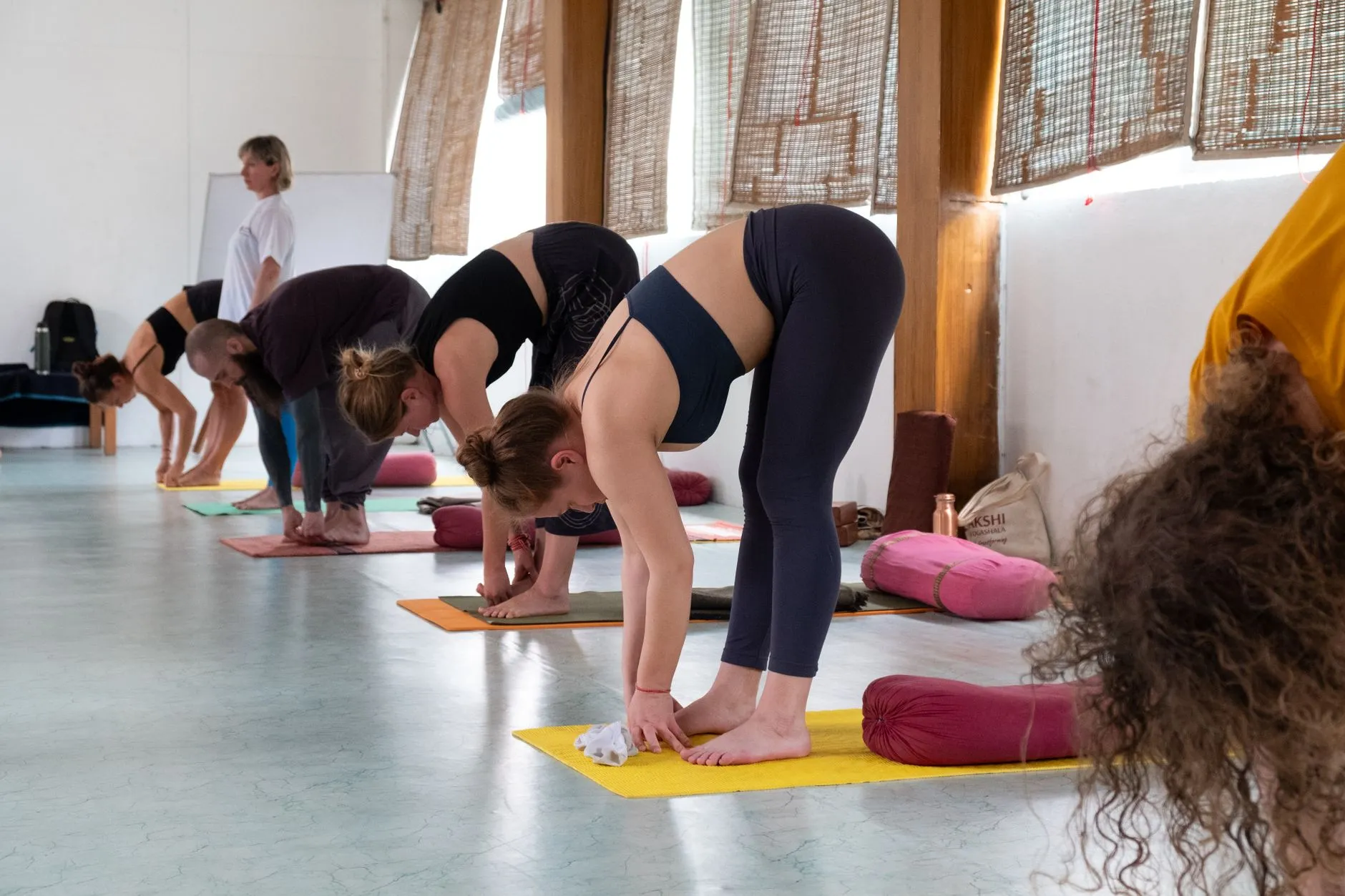
The curriculum for a 200-hour yoga teacher training is comprehensive, designed to provide a well-rounded foundation in yoga theory and practice. The content is generally broken down into four key areas, as outlined by standards like those of Yoga Alliance.
Techniques, Training, and Practice (Asana, Pranayama, Meditation)
This is the largest component of any YTT. You will spend significant time practicing and dissecting yoga postures (asanas). This includes learning proper alignment, modifications for different body types and abilities, and contraindications. You will also explore various breathing techniques (pranayama) to understand their effects on the body’s energy. Finally, you will be introduced to different meditation practices to cultivate focus and self-awareness.
Anatomy and Physiology
To teach yoga safely, you must understand the human body. This part of the curriculum covers the body’s systems, from the skeleton and muscles to the circulatory and nervous systems. You will study biomechanics and how anatomical principles apply to yoga postures. This knowledge is essential for preventing injuries and providing effective cues and adjustments to your future students. While yoga can be a supportive practice for physical well-being, it is not a substitute for medical treatment. Always consult a doctor for injuries or health conditions.
Yoga Philosophy, Lifestyle, and Ethics
Yoga is much more than physical postures. This section covers the historical and philosophical roots of the practice. You will study key ancient texts like the Yoga Sutras of Patanjali and the Bhagavad Gita to understand yoga’s core principles. The curriculum also addresses the ethical guidelines for yoga teachers and the principles of living a yogic lifestyle, which extends beyond the mat. At YMB Yoga School, the curriculum is enriched by the perspectives of experienced Indian and Balinese teachers, who bring authentic cultural and traditional context to these subjects.
Teaching Methodology and Practicum
This is where you learn how to become a teacher. Topics include the art of sequencing a class, effective communication and cueing, observation skills, and hands-on adjustments. A major part of this is the practicum, where you will get direct experience teaching your fellow students. This practical application builds confidence and allows you to receive constructive feedback from your trainers and peers in a supportive setting.
A Glimpse into a Typical Day at a 200-Hour YTT Retreat
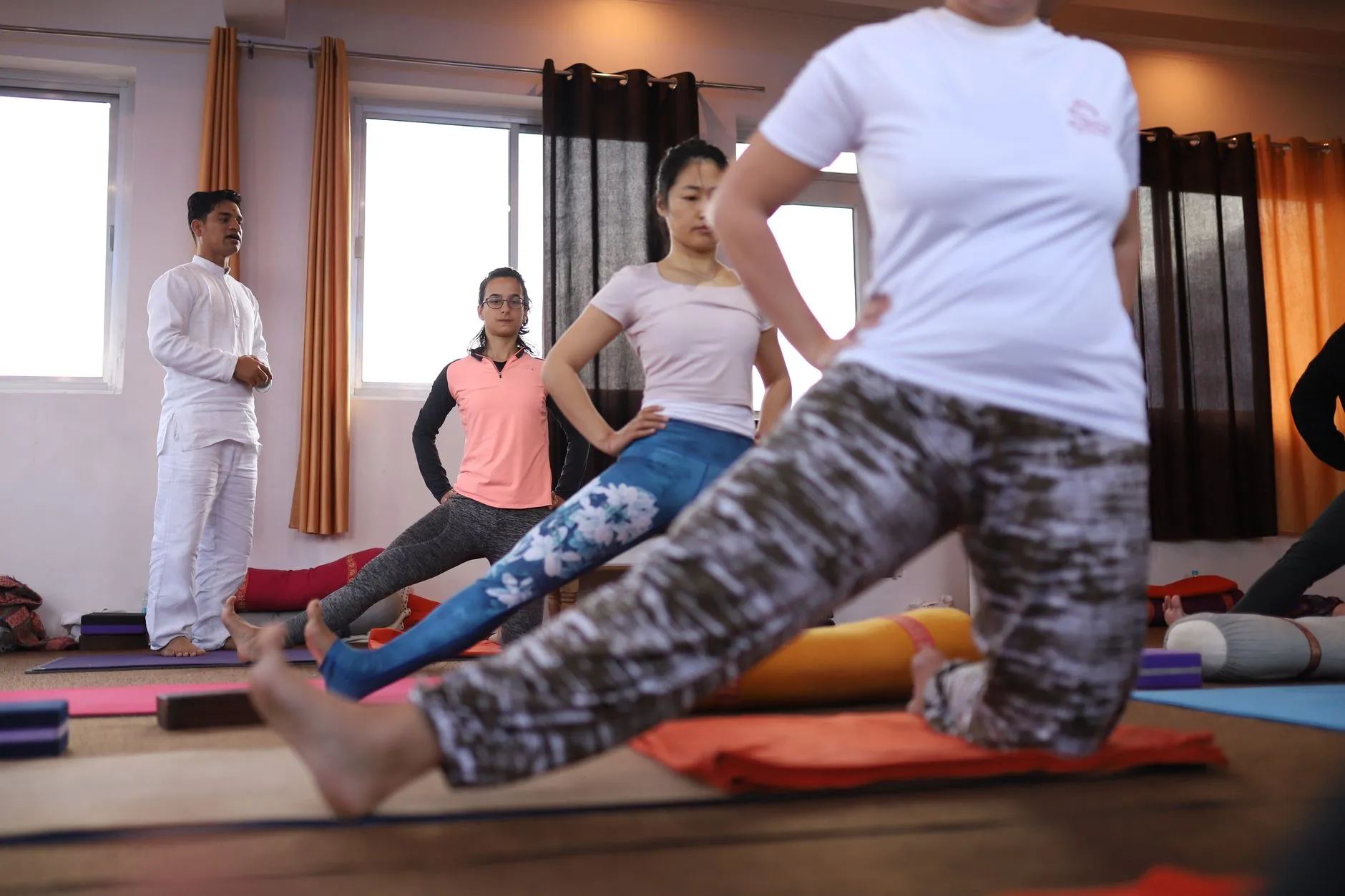
A typical day during a 200-hour yoga teacher training retreat is structured and intensive, blending physical practice with theoretical study and dedicated self-reflection time. The schedule is designed to foster deep learning and personal growth within a focused community.
- Mornings often start early, around 6:00 AM, with quiet meditation, pranayama (breathing exercises), and an invigorating asana practice to awaken the body and mind.
- After the morning practice, a healthy breakfast is served. This is followed by the first theory session of the day, which might cover topics like anatomy, philosophy, or teaching methodology.
- The middle of the day includes a nutritious lunch and a break. This time is for rest, personal study, or connecting with fellow students.
- Afternoons are typically dedicated to more practical application. This could involve workshops on breaking down specific asanas, practice teaching sessions, or studying adjustment techniques.
- The day usually concludes with dinner. Evenings may include optional activities like satsangs (spiritual discourse), chanting, or simply quiet time for journaling and absorbing the day’s lessons.
Who Benefits Most from a 200-Hour YTT (and Who It’s Not For)
A 200-hour yoga teacher training is a significant commitment, suited for individuals at a particular stage of their practice and with specific goals. It’s important to be honest about whether this is the right step for you.
Who It Suits Best
- Aspiring Yoga Teachers: This is the foundational certification for anyone who wants to lead yoga classes professionally.
- Dedicated Practitioners: Many students enroll simply to deepen their understanding of yoga’s physical, philosophical, and energetic dimensions, with no immediate intention to teach.
- Individuals Seeking Personal Growth: The focused environment and deep self-study provide a unique opportunity for personal development.
- Those Ready for Discipline: A YTT requires commitment to a rigorous daily schedule of practice and study.
Who Might Consider Alternatives
- Those Seeking a Relaxing Holiday: A YTT is an intensive academic and physical program, not a casual vacation. If you are mainly looking for rest, a standard yoga retreat would be a better fit.
- Beginners with Minimal Experience: The pace and depth can be challenging for those new to yoga. A consistent personal practice for at least 6-12 months is generally recommended to build a solid foundation.
- Experienced Teachers Seeking Specialization: If you already hold a 200-hour certificate, a 300-hour advanced training or a shorter specialized module would be more appropriate for your continuing education.
You can learn more about who can do yoga teacher training to see if it aligns with your current situation.

Costs, Inclusions, and Booking Your 200-Hour YTT Retreat
Understanding the financial aspects and logistical steps of booking your 200-hour yoga teacher training retreat is crucial for a smooth and prepared experience. Prices and packages can vary widely, so it’s important to read the details carefully.
Typical Cost Breakdown of a YTT
The total cost of a yoga certification retreat depends heavily on location, duration, and inclusions. When you see a price, check what it covers. Often, the main fee will include tuition, accommodation, and meals. However, you should also budget for additional expenses, which typically include:
- Flights to and from the destination.
- Visa fees, if required.
- Travel insurance.
- Personal spending money.
- Yoga Alliance registration fees, which you pay directly after graduation.
For a clearer picture of potential YTT costs, it’s helpful to look at a specific example.
What’s Included in Your Retreat Package
The 200-hour Yoga Teacher Training runs for 23 days. The early bird price is $1,450 for a shared room or $1,900 for a private room. The regular price is $2,000 for a shared room or $3,000 for a private room. The course price includes:
- Course tuition
- Accommodation
- Three vegetarian meals per day (with gluten-free and vegan options available on request)
- Yoga mats and all necessary props
- Course books and a notebook
- Purified water, herbal tea, and coffee
How to Book Your Training
The booking process is generally straightforward. Most schools require a deposit to secure your place in the course. The remaining balance is often due closer to the start date or upon arrival. For YMB Yoga School, a booking deposit starting from $380 is required. For bookings made on or after 18 May 2022, this deposit is non-refundable but can be transferred to a different course or start date, depending on availability and any price difference. The final payment is made upon arrival at the school.
Practical Logistics: Getting to Your 200-Hour YTT Retreat
Preparing for your 200-hour yoga teacher training retreat involves more than just packing your yoga mat; it includes travel arrangements, visa considerations, and mental preparation.
Travel and Visa Information
Once you’ve chosen a program in the yoga teacher training world, your first step is to research visa requirements for your nationality. Do this well in advance. Book your flight to the nearest major international airport. For those attending YMB Yoga School in Klungkung, Bali, the nearest airport is Ngurah Rai International Airport (DPS) in Denpasar. From there, you can arrange for an airport transfer or use local transportation to reach the school.
What to Pack for Your Retreat
- Clothing: Pack lightweight, breathable clothing suitable for practicing yoga daily. Remember that for YMB Yoga School, white clothing is required for the opening and closing ceremonies.
- Personal Items: Bring your own toiletries, any necessary medications, a reusable water bottle, and an adapter for your electronics.
- Study Tools: A journal and pen are essential for taking notes and self-reflection. You might also want to bring a good book for your downtime.
- Comforts: Pack any small personal items that bring you a sense of comfort and home.
Preparing Mentally and Physically
The schedule is demanding, so it’s wise to prepare. Physically, maintain a consistent yoga practice in the weeks leading up to your training to ensure your body is ready. Mentally, prepare yourself for a period of focused study and deep self-reflection. Try to arrive with an open mind, ready to learn, grow, and connect with a new community.
Frequently Asked Questions
How do I know if a 200-hour YTT is right for me?
You can determine if a YTT is right for you by assessing your goals. Are you looking to teach, or primarily to deepen your own practice? Evaluate your current practice level; most schools recommend at least 6-12 months of consistent practice. Finally, consider if you are ready for the disciplined, intensive schedule of a retreat-style training.
What is the average duration of a 200-hour yoga teacher training retreat?
Most intensive, in-person 200-hour yoga teacher training retreats run for about three to four weeks. A 200-hour program, for example, is completed over 23 days. Some programs may offer different formats, but the residential retreat model is typically concentrated within this timeframe.
What kind of certification do I get after a 200-hour YTT?
Upon successful completion of a program at a Registered Yoga School (RYS), you receive a 200-hour certificate from that school. This certificate makes you eligible to register with Yoga Alliance as a Registered Yoga Teacher (RYT-200), which is an internationally recognized credential. Note that the registration fee for Yoga Alliance is a separate cost paid by the student.
Are meals always included in 200-hour YTT retreat packages?
In most residential 200-hour YTT packages, three daily meals are included in the total price. These are typically healthy, vegetarian meals designed to support your practice. For instance, three vegetarian meals a day are provided, with gluten-free and vegan options available upon request.
What are the assessment methods for a 200-hour YTT?
Assessment methods typically include both written and practical components. Students are usually required to pass written exams on theory, such as anatomy and philosophy. The practical assessment involves teaching a full yoga class to demonstrate your skills. For instance, the assessment for the 200-hour training includes two theory exams and one practical teaching exam.