Written by the teaching team at YMB Yoga School in Klungkung, Bali.
Starting yoga for beginners at home is an accessible and rewarding way to build strength, flexibility, and mindfulness. It requires minimal equipment and a commitment to listen to your body. By focusing on foundational poses, simple breathing techniques, and creating a consistent, safe space, even short daily practices can lead to significant benefits.
This guide will walk you through everything you need to start a fulfilling beginner home yoga practice, from setting up your space to learning your first poses and building a sustainable routine.
Setting Up Your Home Yoga Space (and Mindset)
To successfully begin yoga for beginners at home, you need to prepare both your physical space and cultivate a receptive mindset. The environment you create externally and internally sets the stage for a positive experience.
Essential Gear (and What You Can Skip)
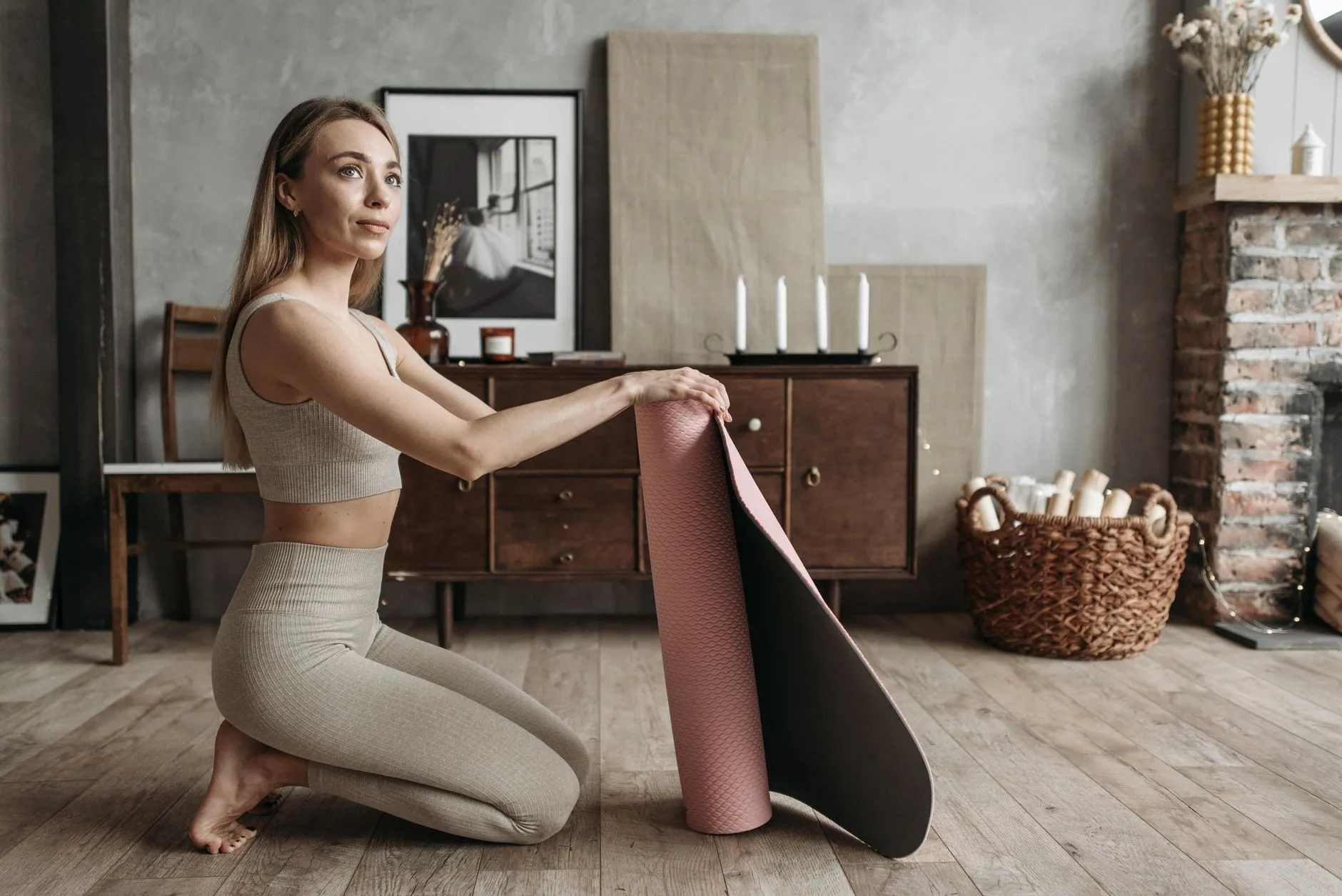
While you don’t need a lot of expensive equipment, a few items are key. A non-slip yoga mat is the most important investment. According to Yoga Design Lab, having a reliable surface allows you to focus on your alignment rather than on your hands slipping, which is crucial for stability and safety.
Props like yoga blocks, a strap, and a blanket are very helpful but not essential to get started. You can easily substitute with household items: use thick books or a sturdy box instead of blocks, and a belt or a long towel instead of a yoga strap. A folded blanket can provide cushioning for your knees or be used to sit on.
Creating Your Sanctuary: Physical Space Tips
Your practice space has a direct impact on your focus. Choose a quiet, clutter-free area where you won’t be easily interrupted. Creating a dedicated space for your practice helps signal to your brain that it is time to focus. It doesn’t need to be large—just enough room to stretch your arms and legs out fully. Ensure the area is well-ventilated, has a comfortable temperature, and is a place you enjoy being in.
Cultivating a Beginner’s Mindset
How you approach your mat is just as important as the poses you do. When you start yoga at home, embrace a “beginner’s mind.” This means approaching your practice with curiosity, patience, and a complete lack of judgment.
Let go of any expectations about what your poses “should” look like or how flexible you think you need to be. Progress is not linear, and every person’s body is different. Your goal is not to achieve a perfect shape but to pay attention to the present moment and the sensations within your own body.
The Core Principles of Home Yoga for Beginners
For an effective yoga practice at home, beginners must grasp key principles such as listening to their body, understanding breath’s role, and prioritizing consistent effort. These concepts form the foundation of a safe and beneficial practice.
Listening to Your Body: Differentiating Sensation from Pain
One of the most important skills you will develop is body awareness. This includes learning to tell the difference between a healthy stretch and a pain signal.
A healthy stretch might feel like a deep, sometimes intense, pulling or lengthening sensation. It’s a “good” kind of discomfort that often eases as you hold the pose and breathe into it. Pain, on the other hand, is a stop signal. It can feel sharp, stabbing, pinching, or radiate. If you feel any of these sensations, back off immediately. Never push through pain. Modifying the pose or taking a rest in Child’s Pose is always a wise and valid choice.
The Importance of Breath (Pranayama Basics)
Yoga is a practice of uniting movement with breath. As a beginner, one of the most impactful things you can do is simply to focus on the breath, not the pose. Conscious, steady breathing through the nose helps calm the nervous system, supports movement, and deepens your awareness.
Start by simply noticing your breath without trying to change it. As you become more comfortable, you can practice deep, diaphragmatic breathing. Place a hand on your belly and feel it expand on the inhale and soften on the exhale.
Consistency Over Perfection: Building a Sustainable Habit
It’s far more beneficial to practice for 10-15 minutes every day than for one long session once a week. Consistency is what builds strength, increases flexibility, and develops mindfulness. A 10-minute beginner yoga routine can give you a simple place to start.
Don’t worry if your poses are not perfect or if your mind wanders. The most important part is showing up on your mat regularly. This dedication to a short, consistent practice will create a sustainable habit that yields long-term results.
Foundational Yoga Poses for Beginners at Home
Several foundational yoga poses are ideal for beginners at home, building strength, flexibility, and body awareness. This selection focuses on essential movements like spinal mobility and gentle stretches, as recommended for a 15-minute yoga for beginners routine.
Mountain Pose (Tadasana): Establishing Ground
Stand tall with your feet about hip-width apart. Distribute your weight evenly across both feet. Gently engage your thigh muscles to lift your kneecaps. Lengthen your spine, drawing the crown of your head upward. Relax your shoulders down and away from your ears, with your arms by your sides. Feel grounded and stable.
Cat-Cow (Marjaryasana-Bitilasana): Spinal Mobility
Start on your hands and knees in a tabletop position, with wrists under shoulders and knees under hips. As you inhale, drop your belly towards the floor and lift your gaze, arching your back (Cow Pose). As you exhale, round your spine toward the ceiling, tucking your chin to your chest (Cat Pose). Flow between these two poses, synchronizing the movement with your breath.
Child’s Pose (Balasana): Gentle Rest and Release
From your hands and knees, bring your big toes to touch. You can keep your knees together or spread them wide. Sit your hips back towards your heels and fold forward, resting your forehead on the mat. Your arms can be extended in front of you or rest alongside your body. This is a primary resting pose in yoga.
Downward-Facing Dog (Adho Mukha Svanasana): Full Body Stretch (with modifications)
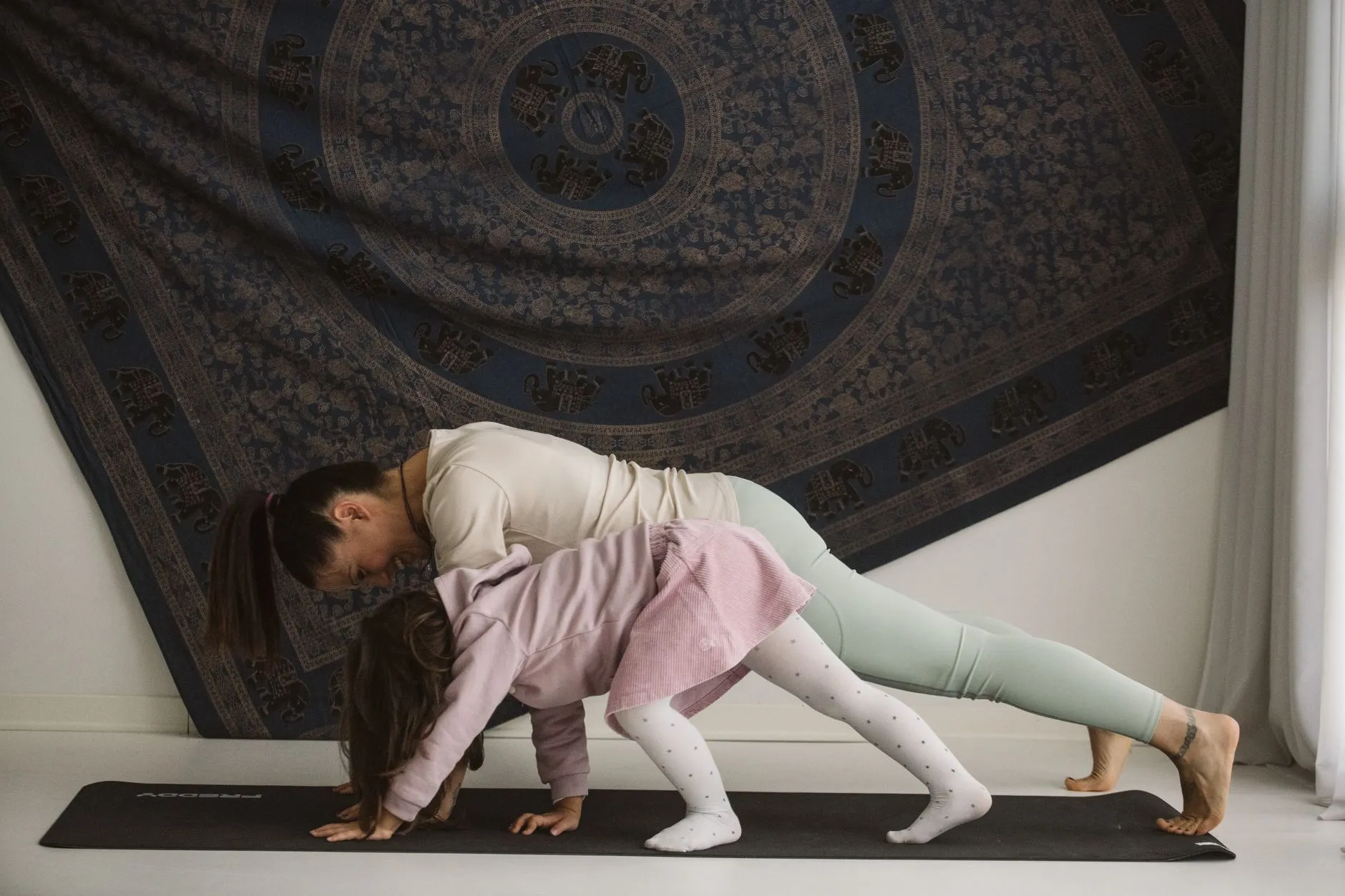
From hands and knees, tuck your toes and lift your hips up and back, forming an inverted ‘V’ shape. Keep your hands shoulder-width apart and feet hip-width apart. For beginners, it’s essential to keep your knees generously bent. This allows you to lengthen your spine, which is the primary goal of the pose. Press firmly through your hands and draw your chest toward your thighs.
Low Cobra (Bhujangasana Variation): Gentle Backbend
Lie on your stomach with your legs extended behind you. Place your hands under your shoulders, hugging your elbows in toward your sides. Press the tops of your feet into the floor. On an inhale, gently lift your head, neck, and chest off the floor, using your back muscles. Keep your gaze slightly forward and your pelvis on the ground. Keep the lift low and gentle.
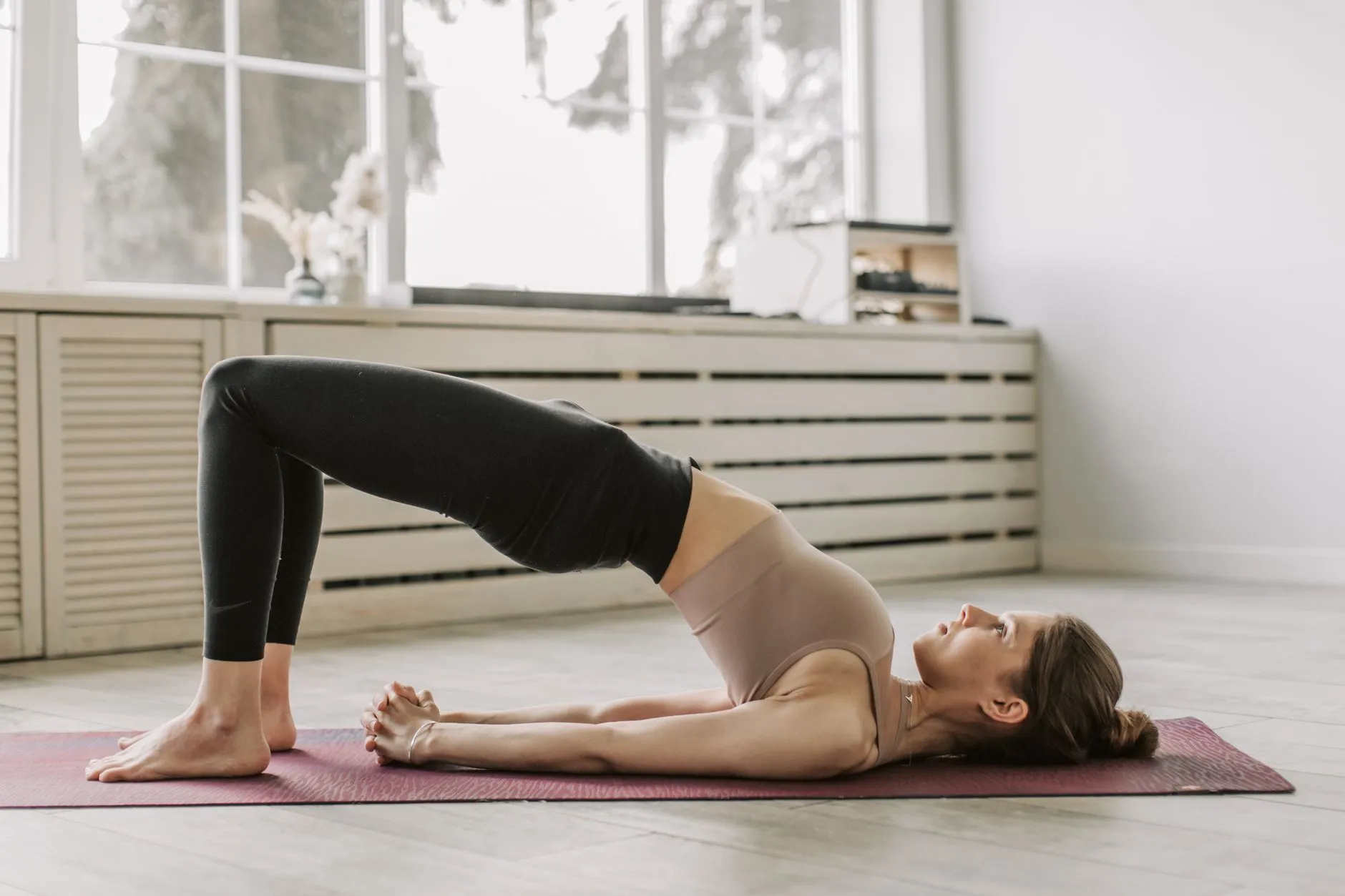
Bridge Pose (Setu Bandhasana): Strengthening the Back Body
Lie on your back with your knees bent and your feet flat on the floor, close to your glutes. Your arms should be alongside your body. Press into your feet and lift your hips off the floor. You can keep your arms by your sides or interlace your fingers on the mat beneath you. This pose strengthens the back, glutes, and hamstrings.
Final Resting Pose (Savasana): Integration and Relaxation
Lie flat on your back. Let your feet fall open naturally and place your arms a little way from your body with the palms facing up. Close your eyes and allow your body to feel heavy and completely supported by the floor. This pose is essential for integrating the benefits of your practice and allowing your body and mind to rest completely.
Building Your First At-Home Yoga Routine (10-15 Minutes)
You can easily build effective 10-15 minute yoga routines at home by combining foundational poses thoughtfully. This makes it easy to start and stay consistent.
A Sample 10-Minute Morning Flow for Energy
This short sequence is designed to awaken the body and mind.
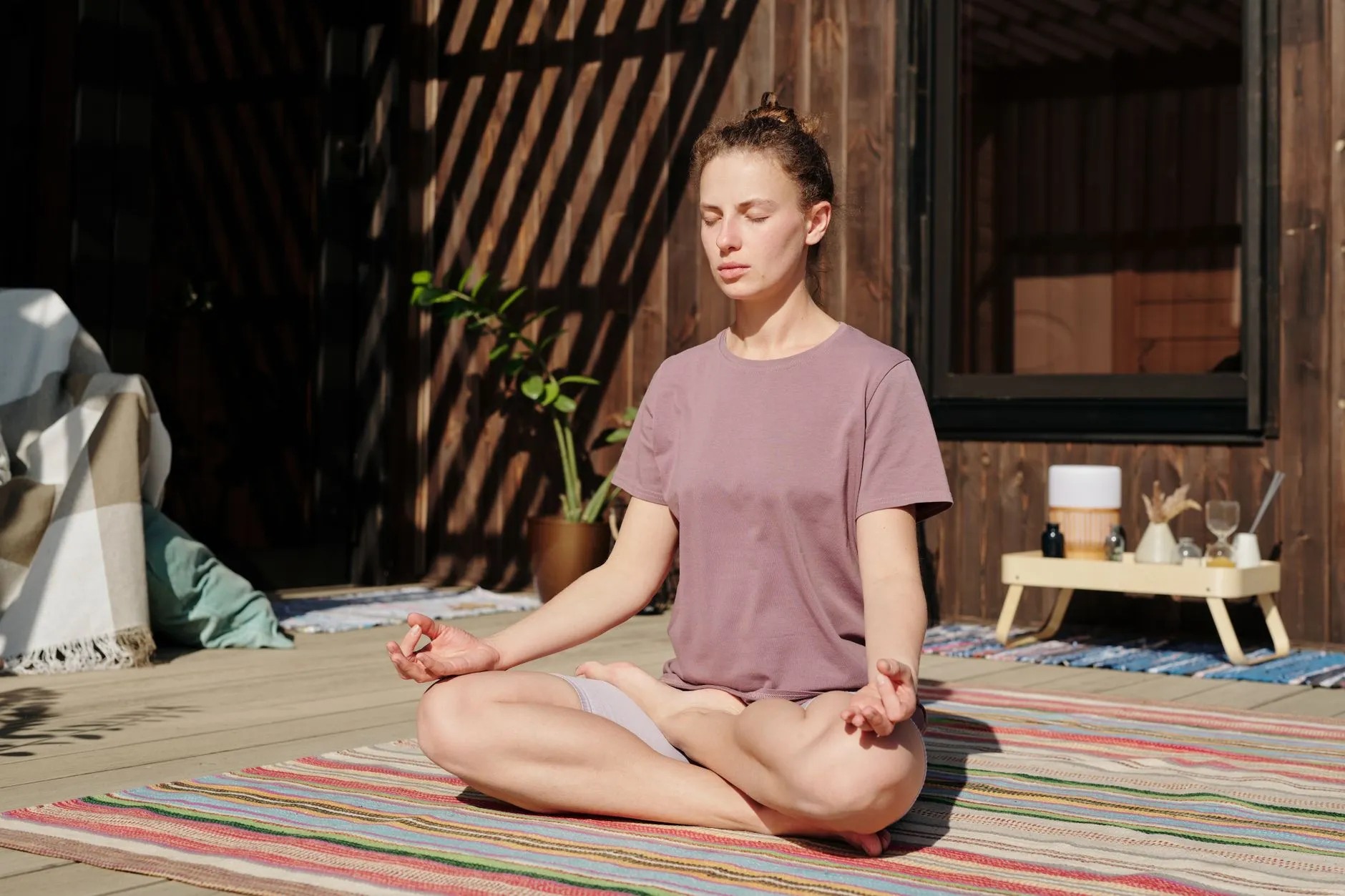
- 1 minute: Seated Breath Awareness
- 3 minutes: Cat-Cow
- 3 minutes: Downward-Facing Dog (with bent knees, pedaling the feet)
- 2 minutes: Mountain Pose
- 1 minute: Savasana
A Sample 15-Minute Evening Wind-Down for Relaxation
This gentle flow helps release tension from the day and prepare for restful sleep.
- 2 minutes: Child’s Pose
- 3 minutes: Cat-Cow
- 3 minutes: Low Cobra (2-3 gentle lifts)
- 4 minutes: Bridge Pose
- 3 minutes: Savasana
How to Build Your Own Routine: A Flexible Approach
Creating your own sequence can be simple. A good rule of thumb is to include a gentle warm-up (like Cat-Cow), a few more active poses (like Downward Dog or Bridge), and a cool-down with a final rest (Savasana).
Choose poses that feel good in your body and match your intention for the day. You can use a timer to help manage your time, as suggested by Hugger Mugger. Start with just a few poses, holding each for several breaths, and add more as you get comfortable.
| Sample Routine | Poses & Duration |
|---|---|
| 10-Min Morning Flow (Energy) | 1 min: Seated Breath, 3 min: Cat-Cow, 3 min: Downward-Facing Dog, 2 min: Mountain Pose, 1 min: Savasana |
| 15-Min Evening Wind-Down (Relax) | 2 min: Child’s Pose, 3 min: Cat-Cow, 3 min: Low Cobra (gentle lifts), 4 min: Bridge Pose, 3 min: Savasana |
Ready to Train in Bali?
YMB Yoga School in Klungkung runs monthly intakes for its Yoga Alliance-certified courses: the all-inclusive 200-hour training from $1,450 (23 days) and the 300-hour from $2,400 (28 days). A $380 deposit secures your spot.
Common Mistakes and How to Avoid Them
Avoiding common mistakes is key to a safe and beneficial yoga practice for beginners at home. Awareness of these pitfalls can help you practice more intelligently from the start.
Rushing Through Transitions
One of the most frequent errors is rushing between poses. This can lead to injury and undermines the mindful aspect of the practice. Move slowly and with control, paying attention to how your body feels as you transition from one shape to the next.
Comparing Yourself to Others (Even Online)
Your home practice is for you and you alone. It can be tempting to compare your flexibility or ability to perform a pose with pictures or videos you see online. Remember that every body is unique. Focus on your internal experience rather than the external appearance of a pose.
Holding Your Breath
Forgetting to breathe is a very common mistake. When you hold your breath, you create tension in your body. Make a conscious effort to maintain a slow, steady, and continuous breath through your nose throughout your practice. If you notice you’re holding your breath, pause and reset.
Ignoring Pain Signals
As discussed earlier, pain is your body’s way of telling you to stop. Pushing through sharp or stabbing pain is a recipe for injury. Learn to listen to your body’s wisdom and modify or rest whenever you need to.
Not Using Props When Needed
Some beginners view props as a sign of weakness, but this couldn’t be further from the truth. Props are tools to support your practice. A block can bring the floor closer to you in a lunge, and a strap can help you access a stretch safely. Using props allows for better alignment and makes poses more accessible, which is smart, not weak.
Benefits of Starting Yoga at Home
Starting yoga at home offers numerous physical and mental benefits, enhancing overall well-being. Even a brief and simple practice can have a noticeable impact.
- Increased flexibility and range of motion.
- Improved strength and muscle tone.
- Better balance and posture.
- Reduced stress and anxiety. A mindful practice can promote relaxation and mental clarity, making it a great tool for Yoga for Stress Relief.
- Enhanced body awareness and mindfulness.
- Improved sleep quality.
- Convenience and cost-effectiveness. You can practice on your own schedule without travel time or the expense of a studio membership.
Enhancing Your Home Practice: Beyond the Basics
To deepen your yoga practice at home, explore props, diverse online resources, and consider when in-person guidance can further your development.
Using Props Effectively
As you get more comfortable, you can start experimenting with props. Blocks can provide support under your hands in poses like Downward-Facing Dog or add height to sit on for better posture. A strap can help you gently deepen a hamstring stretch without compromising your alignment. A blanket can provide cushioning for sensitive knees or add weight and comfort in Savasana.
Exploring Online Resources (Videos, Apps)
There is a wealth of online resources available for home practitioners. Many websites and apps offer guided classes for all levels. When choosing a video, look for a 10-minute class that explains transitions and offers alternatives at a pace you can follow. This visual guidance can be very helpful for understanding alignment and flow.
When to Consider In-Person Guidance
While a home practice is wonderful, there is no substitute for the personalized feedback of a qualified teacher. An instructor can offer hands-on adjustments and verbal cues tailored to your specific body, helping to prevent injury and deepen your understanding of the poses.
If you find yourself truly drawn to the practice and wish to understand its rich philosophy beyond the physical postures, an immersive course can be a next step. A program like a 200-hour yoga teacher training, such as those offered at YMB Yoga School in Bali, provides a comprehensive education in asana, philosophy, anatomy, and teaching methodology.
At YMB Yoga School, we believe in supporting every yogi’s journey, from their very first pose at home to advanced teacher training.
Frequently Asked Questions
Is 10-15 minutes of yoga a day enough for a beginner?
Yes, absolutely. One fitness writer noted that “sometimes, just 10 minutes of mindful movement and breathing can completely change how you feel.” A consistent daily practice of 10-15 minutes is enough to improve flexibility, build strength, and reduce stress. As we’ve written before, you can find out more by asking Is Doing 10 Minutes of Yoga a Day Enough?. Consistency is far more impactful than duration when you are starting out.
Do I need to be flexible to start yoga at home?
No, you do not need to be flexible to begin a yoga practice. This is a common misconception. Yoga is a practice that develops flexibility over time, not a prerequisite for starting. Beginner poses and modifications are designed to meet you where you are.
How often should a beginner do yoga at home?
For a beginner, aiming for a home practice 3-5 times a week is a great goal. However, even short daily sessions of 5 to 15 minutes are highly beneficial. The most important thing is to create a routine that feels sustainable and enjoyable for you, without adding pressure to your life.
What basic equipment do I need for yoga for beginners at home?
The single most essential item is a non-slip yoga mat. It provides the necessary cushioning and grip for a safe and stable practice. While not required to start, props like yoga blocks and a strap are very helpful for modifying poses and providing support. You can begin with just a mat and improvise with household items.