Written by the teaching team at YMB Yoga School in Klungkung, Bali.
Starting yoga over 50 offers powerful benefits for your physical and mental well-being. To begin safely, focus on gentle, modified practices like Hatha, Restorative, or Chair Yoga, prioritizing comfort and safety over intensity. This approach helps improve balance, flexibility, and strength, while reducing pain and anxiety, all at your own pace and level.
The Transformative Benefits of Yoga After 50
Yoga offers a wealth of benefits for individuals beginning their practice over 50, addressing many age-related physical and mental challenges. It’s a gentle yet effective way to maintain and enhance your health as you age.
Enhanced Physical Well-being
A consistent yoga practice builds a strong foundation for physical health. It specifically addresses areas that become more important with age.
- Improved balance and stability: Regular practice can significantly reduce the risk of falls. According to research, physical activity can lower the risk of fall-related injuries in older people by 32-40%. A systematic review of multiple trials found that yoga-based exercise had a meaningful effect on balance and physical mobility for people over 60.
- Increased flexibility and mobility: Gentle stretching counteracts age-related stiffness, making daily activities like bending, reaching, and walking feel easier and more comfortable.
- Greater strength: Yoga uses your own body weight to build muscle strength without the high impact of other exercises, which helps support your joints and maintain functional fitness.
- Pain relief: Gentle yoga is a low-impact way to manage chronic pain. For those with knee osteoarthritis, a randomized controlled trial showed that by 24 weeks, a yoga group had greater improvements in physical function and quality of life than a traditional strengthening group.
- Better sleep quality: The relaxation techniques and mindful movement inherent in yoga can lead to more restful and restorative sleep.
Significant Mental and Emotional Advantages
The connection between mind and body is central to yoga, offering substantial support for mental clarity and emotional regulation.
- Stress reduction and anxiety management: Yoga’s focus on controlled breathing and mindfulness helps to calm the nervous system and manage feelings of stress and anxiety.
- Improved mood and cognitive function: Engaging in mindful movement and breathwork supports mental clarity, focus, and emotional resilience.
- Strong adherence rates: People tend to stick with yoga because of its positive effects. One study on a yoga program for chronic pain reported 91% attendance and 97% retention, with 87% of participants saying they would recommend it to others.
Boosting Bone Density and Joint Health
Weight-bearing poses, even gentle ones, can help maintain bone density, which is a key concern for aging bodies. The focus on slow, controlled movements also lubricates the joints, helping to preserve their range of motion and reduce discomfort.
Is Yoga Safe for Beginners Over 50? Understanding Risks and Smart Precautions
Yes, yoga is generally safe for beginners over 50, provided you approach it thoughtfully and prioritize modifications and listening to your body. Understanding how to practice safely is the first and most important step.
Before You Begin: Consulting Your Doctor
Before starting any new exercise program, it is essential to consult your healthcare provider. This is especially true if you have pre-existing conditions like heart disease, osteoporosis, severe arthritis, high blood pressure, or have had recent surgeries. Discuss any specific concerns or limitations you have, such as balance issues or joint pain.
Choosing the Right Class and Instructor
The right guidance is crucial for a safe and positive experience. Look for instructors specifically trained in teaching seniors, adaptive yoga, or therapeutic yoga. They understand how bodies change over time and can offer appropriate guidance.
When you find a potential teacher, ask about their experience with students over 50 and how they incorporate modifications into their classes. A good instructor will create a supportive, non-competitive environment and emphasize listening to your body. If you’re looking for a structured, immersive experience to deepen your understanding of yoga’s foundations, consider a course at a registered yoga school like YMB Yoga School in Klungkung, Bali, where experienced Indian and Balinese teachers offer foundational training and emphasize mindful practice.
The Importance of Body Awareness
Your body is your best teacher. Pain is a signal to ease off or modify a pose. Yoga should feel like a “good stretch” or a gentle challenge, but it should never cause sharp or persistent pain. Your body will feel different from day to day, so respect its current state rather than pushing to achieve what you did yesterday.

Finding Your Flow: Best Yoga Styles for Over 50
The best yoga style for beginners over 50 is one that prioritizes safety, support, and adaptation to individual needs, focusing on mindful movement rather than strenuous athleticism. Here are some excellent styles to explore.
Gentle Hatha Yoga: The Foundation
Gentle Hatha is a perfect starting point. It focuses on foundational poses held for several breaths, with a strong emphasis on proper alignment and breath awareness. The pace is slow and deliberate, giving you plenty of time to learn the basics and adjust the poses for your body.
Restorative and Yin Yoga: Deep Relaxation
Restorative yoga uses props like blankets, bolsters, and blocks to completely support your body in comfortable, passive poses. It is designed to promote deep relaxation and calm the nervous system. Yin yoga also involves long-held passive poses but focuses more on targeting the body’s deep connective tissues to improve flexibility and joint health.
Chair Yoga: Support and Accessibility
Chair yoga is an excellent option for anyone with balance concerns, limited mobility, or difficulty getting up and down from the floor. The chair is used for support in both seated and standing poses, making yoga accessible to nearly everyone.
Therapeutic Yoga: Targeted Healing
Often taught one-on-one or in small groups, therapeutic yoga is tailored to address specific health conditions or injuries. An instructor with a therapeutic background can help you use yoga as a tool for healing and rehabilitation.
Slow Flow Vinyasa: Mindful Movement
For those who feel ready for a bit more movement, a Slow Flow Vinyasa class can be a good choice. It links breath to movement, but at a much slower pace than a typical Vinyasa class. This allows for careful transitions and ample time to incorporate modifications.
Essential Modifications and Props for a Comfortable Practice
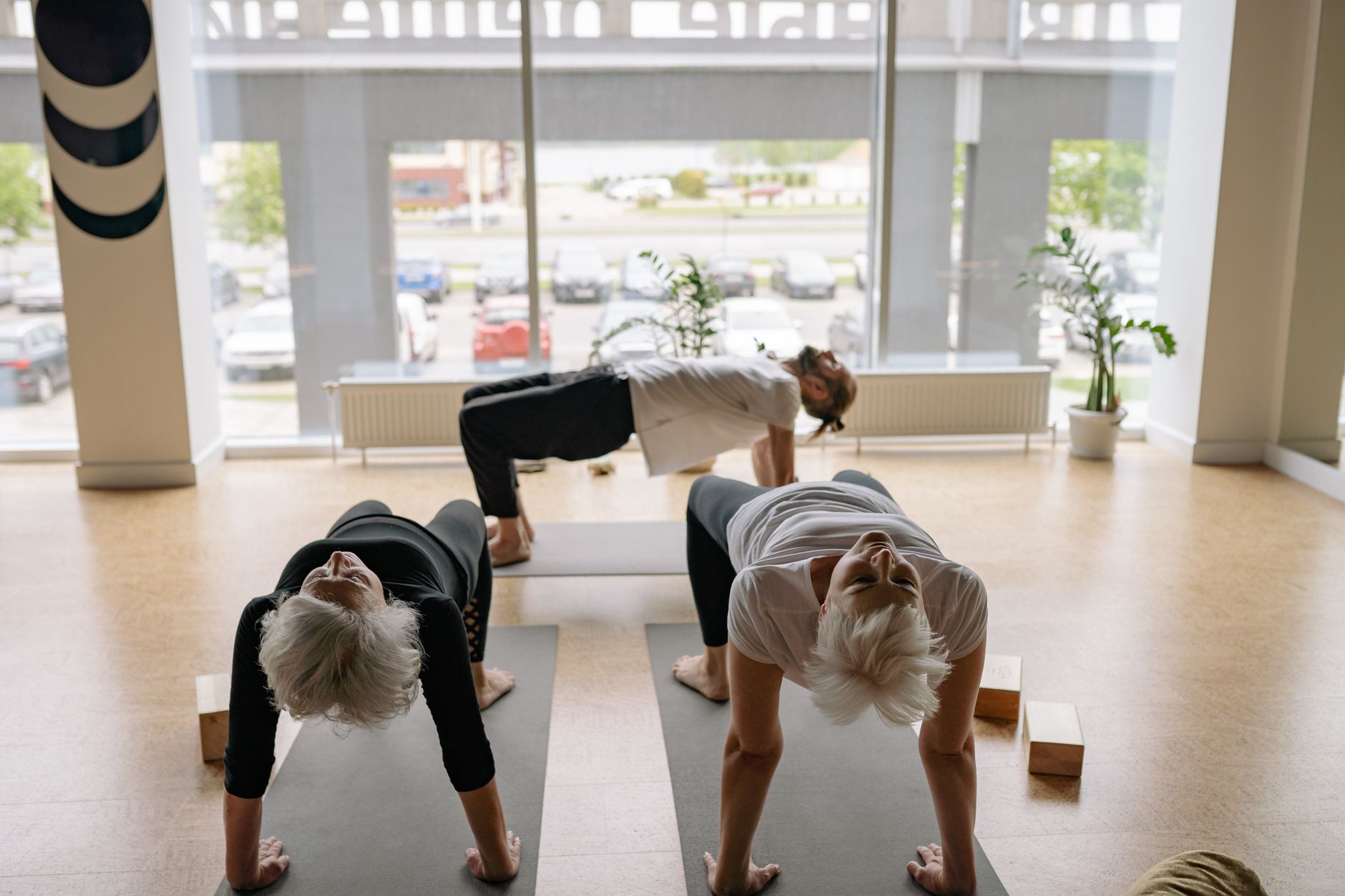
Modifications and props are not signs of weakness but powerful tools that make yoga accessible, safe, and beneficial for every body, especially for those starting a practice in their later years.
Embrace the Power of Props
Props are your allies in yoga. They help you find proper alignment, build confidence, and experience the full benefit of a pose without strain.
- Yoga Blocks: Bring the floor closer to you. Use them under your hands in forward folds or lunges to maintain a long spine. They also provide stability in balancing poses.
- Straps: Extend your reach. If you can’t touch your toes in a seated forward fold, a strap looped around your feet allows you to hold the pose with a straight back.
- Blankets/Towels: Provide cushioning and support. Place a folded blanket under your knees in tabletop pose or under your hips in seated poses to ease discomfort.
- Chairs: Offer unparalleled support for balance, seated poses, and modifying standing postures.
Listening to Your Body: The Golden Rule
The most important yoga principle is to listen to your body. Mild discomfort from stretching a muscle is normal, but sharp, shooting, or persistent pain is a sign to stop. The goal is not to achieve a “perfect” shape but to feel the pose in your body. It is better to focus on the breath, not the pose.
Adjusting for Joint Health
Protecting your joints is paramount. Always maintain a slight micro-bend in your knees and elbows to avoid locking them. If a pose puts pressure on a sensitive joint, use padding (like a blanket) or modify the pose to a less intense version. Stability and steady breathing are far more important than how deep you go into a stretch.
Practical Steps to Start Your Yoga Journey (and Keep Going!)
Embarking on your yoga practice as a beginner over 50 involves a few key practical steps to ensure a safe, enjoyable, and sustainable practice.
How Often Should You Practice?
For beginners, consistency is more important than duration. Aim for 2-3 times a week. Even short sessions of 15-30 minutes are very effective for building a habit and feeling the benefits. Remember that rest days are just as important as practice days, as they allow your body to recover and integrate the work you’ve done.
Finding Your First Class: In-Person vs. Online
- In-Person Classes: Offer the advantage of direct feedback from an instructor and a sense of community. Look for classes specifically labeled “Gentle Yoga,” “Senior Yoga,” or “Yoga for Beginners.”
- Online Resources: Provide wonderful flexibility and convenience. Many reputable platforms offer classes designed for older adults, with clear instructions and modifications.
If you have practiced before and are looking for guidance on getting back into yoga, a gentle beginner class is a great way to ease back in.
Overcoming Common Beginner Mistakes
- Mistake 1: Treating Props as Failure: As mentioned, props are tools for success. They help you practice safely and effectively.
- Mistake 2: Chasing Depth Instead of Alignment: Focus on how the pose feels and maintaining good form. Depth will come naturally over time.
- Mistake 3: Skipping Savasana (Corpse Pose): This final relaxation pose is one of the most important parts of the practice. It allows your body and nervous system to absorb the benefits of the movements you just did.
Nurturing Patience and Consistency
Progress is not always a straight line. Some days you will feel more flexible and energetic than others. Be kind to yourself, celebrate small victories, and remember that yoga is a lifelong practice, not a performance.
Beginner-Friendly Yoga Poses for Over 50
These foundational yoga poses are excellent starting points for beginners over 50, focusing on building strength, flexibility, and balance gently and safely.
| Pose Name | Primary Benefit | Modification Tips for Over 50 |
|---|---|---|
| Mountain Pose (Tadasana) | Grounding, improves posture | Stand with feet hip-width apart, gently sway to find center, slight bend in knees. |
| Chair Pose (Utkatasana) | Strengthens legs and core | Use a real chair behind you, tap your bottom to the chair, or hold onto a wall. |
| Cat-Cow Flow (Marjaryasana-Bitilasana) | Spinal flexibility, coordination | Pad knees with a blanket, move slowly with breath, avoid extreme arches/rounds. |
| Downward-Facing Dog (Adho Mukha Svanasana) | Full body stretch, strengthens arms/legs | Hands on a wall or chair, bend knees deeply to lengthen spine. |
| Child’s Pose (Balasana) | Calming, hip and back stretch | Widen knees, place cushion under hips or forehead, keep arms by sides. |
| Bridge Pose (Setu Bandhasana) | Strengthens back, glutes; chest opener | Feet hip-width apart, knees over ankles. Place block under sacrum for support. |
| Supine Spinal Twist (Supta Matsyendrasana) | Gentle spinal release | Keep both shoulder blades on the floor, use a cushion between knees or under top knee. |
| Savasana (Corpse Pose) | Deep relaxation, stress relief | Place a blanket under head/neck, roll up a blanket under knees for lower back comfort. |
Ready to Train in Bali?
YMB Yoga School in Klungkung runs monthly intakes for its Yoga Alliance-certified courses: the all-inclusive 200-hour training from $1,450 (23 days) and the 300-hour from $2,400 (28 days). A $380 deposit secures your spot.
Cultivating a Mindful Lifestyle: Yoga Beyond the Mat
Yoga’s benefits extend far beyond the physical postures performed on the mat, offering tools for a more mindful and balanced daily life.
Breathwork for Daily Calm
You can use simple yoga breathing techniques anytime, anywhere. Practicing diaphragmatic breathing (belly breathing) for just a few minutes can help calm your nervous system, reduce feelings of stress, and bring a sense of clarity to your mind. Explore more Meditation and Stress Reduction Techniques to build on this foundation.
Simple Mindfulness Practices
Bring the awareness you cultivate on your mat into your everyday activities. Pay attention to the sensation of your feet on the ground as you walk. Notice the flavors and textures of your food as you eat. Transforming routine activities into mindful moments can enrich your entire day.
The Ripple Effect on Overall Wellness
The body awareness you gain from yoga translates into better posture while sitting and standing, safer movement patterns in daily life, and a reduced risk of injury. This mindful approach can also enhance cognitive function and emotional resilience, contributing to a richer and more present experience as you age.
We hope this guide helps you begin your yoga practice with confidence and joy. At YMB Yoga School, we believe that yoga is for every body and every age.
Frequently Asked Questions
What are the key benefits of yoga for individuals over 50?
- Yoga significantly improves balance and mobility. Research shows it has a meaningful effect on physical function and can reduce the risk of fall-related injuries by 32-40%.
- It helps manage chronic pain. Studies on conditions like osteoarthritis found that yoga participants had greater improvements in function and quality of life.
- Yoga reduces stress and anxiety, enhances mood, and can improve sleep quality, contributing to overall mental well-being.
What are the safest ways for beginners over 50 to start yoga?
- First, consult your doctor, especially if you have existing health conditions.
- Seek out experienced instructors who specialize in teaching older adults or adaptive yoga, as they understand the needs of an aging body.
- Start with gentle styles like Hatha, Restorative, or Chair Yoga. Always use props to support your body and modify poses as needed.
- Most importantly, listen to your body. Avoid pushing into pain and focus on stable alignment rather than how deep the pose looks.
How frequently should someone over 50 practice yoga as a beginner?
- Practicing 2-3 times per week is an excellent goal for beginners. This builds consistency and allows you to experience the benefits without overdoing it.
- Even short sessions of just 15-30 minutes are highly effective. The key is regularity, not intensity.
- Be sure to include rest days in your schedule. This gives your body time to recover and adapt.
Which yoga styles are most recommended for beginners over 50?
- Gentle Hatha Yoga is ideal for learning foundational poses and breathwork at a manageable pace.
- Restorative Yoga uses many props to facilitate deep relaxation and passive stretching.
- Yin Yoga targets connective tissues with long holds, which can improve joint health and flexibility over time.
- Chair Yoga provides excellent support, making it perfect for those with balance concerns or limited mobility.
- Therapeutic Yoga can be a great option as it is often customized for specific health needs, offering targeted benefits.