Introduction to Yoga Teacher Training
Doing a Yoga Teacher Training at Any Age is a transformative journey that opens the door to a world of self-discovery and connection. The great news is that yoga teacher training is accessible to all ages, allowing individuals to pursue their passion for yoga regardless of when they start. This inclusivity in yoga teacher training not only highlights age diversity but also invites rich life experiences into the classroom, making it a fruitful environment for everyone involved.
Overview
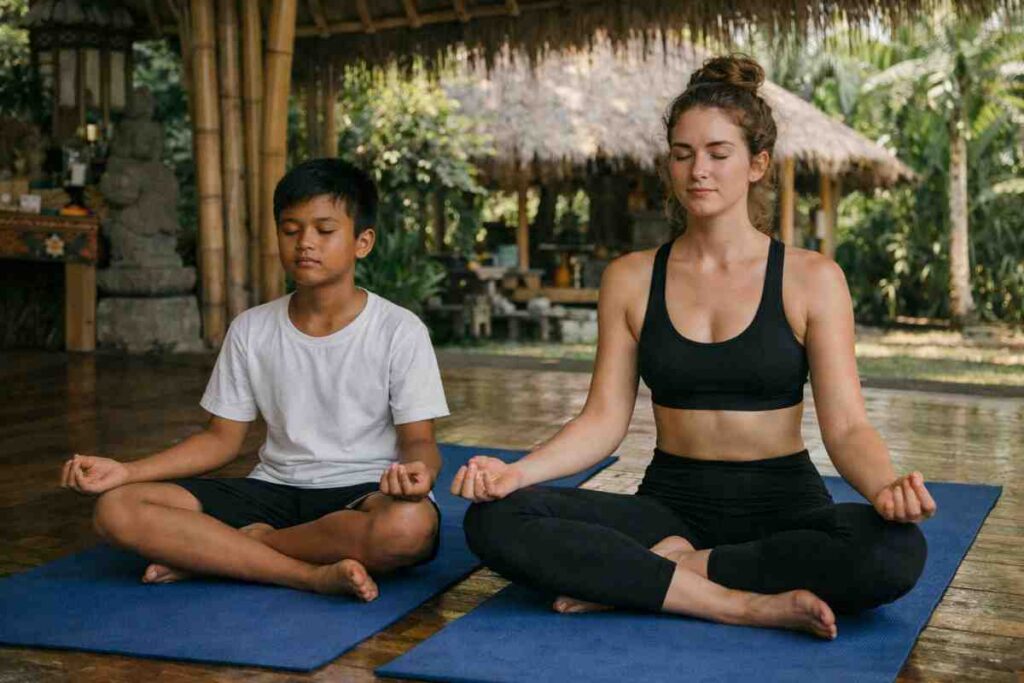
Yoga teacher training emphasizes the possibility of engaging in this practice at any age. While many programs have a minimum age requirement of 18 years, they largely focus on life experience and emotional maturity rather than physical ability. This approach underscores that the journey of becoming a teacher is as much about personal growth as it is about developing teaching skills. Participants often find that their emotional maturity enhances their learning and teaching, enabling them to connect with students on a deeper level, regardless of age or prior experience.
Most programs welcome older adults who wish to share their passion for yoga, further demonstrating that the benefits of yoga teacher training are not limited by age. It’s a practice that celebrates individual journeys and the diverse perspectives they bring to the mat.1
Why You Can Train at Any Age
Training programs today embrace individuals of all ages. This inclusivity ensures that a rich variety of life experiences contribute to the learning environment.
Inclusivity of Age
- Many programs are designed to accept candidates starting from 18 years old. This broad age range allows participation from individuals who might be entering a new phase in their lives, seeking further education, or changing careers.
- The focus is heavily on life experiences rather than strictly on age. Students often bring diverse backgrounds and perspectives, enriching the educational process.
- Additionally, many training initiatives are tailored for various educational backgrounds. This adaptability helps accommodate different levels of prior knowledge and skills, ensuring that every participant can engage meaningfully.
Diverse Learning Environments
Training programs now come in various formats, making it easier than ever to access education.
- Options include in-person classes, modular formats, or online courses, providing flexibility for learners with different lifestyles and commitments. This diverse selection permits individuals to choose what fits best into their daily routines.
- Furthermore, these programs encourage sharing of experiences among students. Workshops and collaborative projects allow students to learn from each other, fostering a supportive community that values each person’s unique contributions. This collaborative approach helps bridge generational gaps and enhances understanding among participants of different ages.
Popular Yoga Teacher Training Programs
As the popularity of yoga continues to rise, many aspiring teachers seek credible training programs to guide their practice. Here are a few of the most recognized yoga teacher training programs available today.
Ymb Yoga School: Pathway to Certification
- Entry Options: Ymb Yoga School provides pathways for both beginners and advanced practitioners, making it accessible for anyone interested in deepening their understanding of yoga.
- Curriculum: The program emphasizes essential aspects such as anatomy, ethics, philosophy, and teaching methodologies. This comprehensive approach ensures that participants gain well-rounded knowledge essential for a successful teaching career.

Yogmantra Bali: A Time-Tested Tradition
- Program Structure: The Yogmantra Bali Institute offers a robust 200-hour In Person program designed for those keen on sharing their wisdom and insights with others.
- Personal Focus: This program emphasizes personal development and healing journeys, making it ideal for those looking to grow not just as teachers but as individuals.
Benefits of Yoga Teacher Training at Any Age
Yoga teacher training offers numerous advantages that transcend age boundaries. The journey can stimulate profound personal growth, foster strong community connections, and enhance essential skills.
Personal Growth
Embarking on yoga teacher training can catalyze personal insights and emotional healing. Participants often experience transformative moments that significantly enhance their self-awareness and emotional resilience. These benefits are universal; individuals of all ages can find empowerment and introspection through this process.
Building Community
Engaging with fellow trainees fosters a supportive environment, creating valuable long-lasting relationships. The bonds formed during training go beyond yoga practice, offering a nurturing community where individuals can share experiences, challenges, and successes. The connections made in this setting often last a lifetime, providing essential support both during and after the training program.
Skill Development
Yoga teacher training effectively enhances mindfulness and communication skills, which play a vital role in personal and professional life. Through structured training, participants learn to articulate thoughts and feelings clearly, leading to improved relationships and overall well-being. The blend of mindfulness practices and skill refinement also contributes positively to an individual’s holistic health, providing lasting benefits that extend well beyond the classroom.
In summary, the benefits of yoga teacher training are applicable at any age, nurturing personal growth, fostering community, and enhancing critical skills.
Frequently Asked Questions
Minimum Age Requirements
Most yoga programs require participants to be at least 18 years old. While physical ability is important, program providers often prioritize emotional maturity as a key trait in candidates.
Prior Yoga Experience Requirements
Prior experience in yoga can be beneficial, but it is not a strict requirement for most training programs. The essential factor is a strong commitment to learning and personal growth through yoga practice.
Participation of Older Adults
Yoga programs are welcoming to individuals of any age, including older adults. Many participants find the experience to be both personally fulfilling and professionally advantageous, enhancing their overall well-being.
Types of Yoga to Teach Post-Certification
After certification, participants can choose from various teaching styles, depending on their training program. This can include diverse styles such as Hatha, Vinyasa, Yin, and Restorative yoga.
Registration with Yoga Alliance
While registration with Yoga Alliance is optional, some studios may require this certification for instructors. Others may not, providing flexibility depending on the teaching environment.
Conclusion
Embracing the Journey for Yoga Teacher Training at Any Age
Yoga teacher training is a transformative experience accessible at any stage of life. Whether you are in your twenties or your sixties, this journey offers a unique opportunity for personal growth and self-discovery. Individuals who choose to engage with yoga teacher training often find unexpected benefits, including increased self-confidence, enhanced leadership skills, and improved communication abilities 1.
They unlock their potential, challenging themselves physically and mentally, which can be particularly empowering. Participants often describe a profound sense of connection to themselves and the world around them. Age is not a barrier; rather, it is an asset that brings richness and depth to the training experience. Encouragement to dive into yoga teacher training resonates widely, as the journey can lead to holistic transformation and a deeper understanding of one’s capabilities. Embrace the opportunity to explore, learn, and grow—no matter your age!
Suggested Internal Linking Opportunities
Creating relevant internal links within your content can enhance user experience and improve SEO. Below are some suggested articles to link to that complement the topic at hand:
Relevant Articles
- The Benefits of Yoga for All Ages: This article highlights how yoga can be beneficial regardless of age, emphasizing flexibility, mental health, and overall well-being. Exploring this topic can provide your readers with insights into the universal advantages of yoga practice.
- How to Choose the Right Yoga Teacher Training for You: This piece offers guidance for those looking to pursue yoga teacher training. It discusses what to consider in selecting a program that best aligns with individual needs and goals, thereby supporting readers in their journey towards becoming certified instructors.
Young Students in Yoga Teacher Training
The 200-Hour Yoga Teacher Training at the Ymb Yoga School In Bali Institute is specifically designed to be inclusive for all participants. This program not only welcomes seasoned practitioners but also young students who are eager to deepen their practice and understanding of yoga.
Inclusivity in Programs
Overview of 200-Hour Yoga Teacher Training at the Ymb Yoga School
The Ymb Yoga School 200-Hour Yoga Teacher Training aims to provide a comprehensive foundation in yoga, blending philosophy, anatomy, and teaching methodology. This course emphasizes a friendly and supportive learning environment, suitable for individuals from diverse backgrounds and with varying experiences. Whether you are a beginner or someone with more advanced skills, the program adapts to your individual needs.
Adaptability for Diverse Ages and Fitness Levels
One of the key strengths of this training program is its adaptability for diverse ages and fitness levels. The curriculum is crafted in a way that allows young students to engage meaningfully, ensuring that they receive personalized attention and support throughout their training. This focus on inclusivity creates a nurturing space where young yogis can flourish, both in their practice and personal growth. The training fosters a community atmosphere that encourages learning, inquiry, and exploration among all participants.
This level of inclusivity ensures that young students feel valued and empowered, making the Ymb Yoga School’s yoga training a truly enriching experience for everyone involved.
Why Choose Yoga Teacher Training as a Senior?
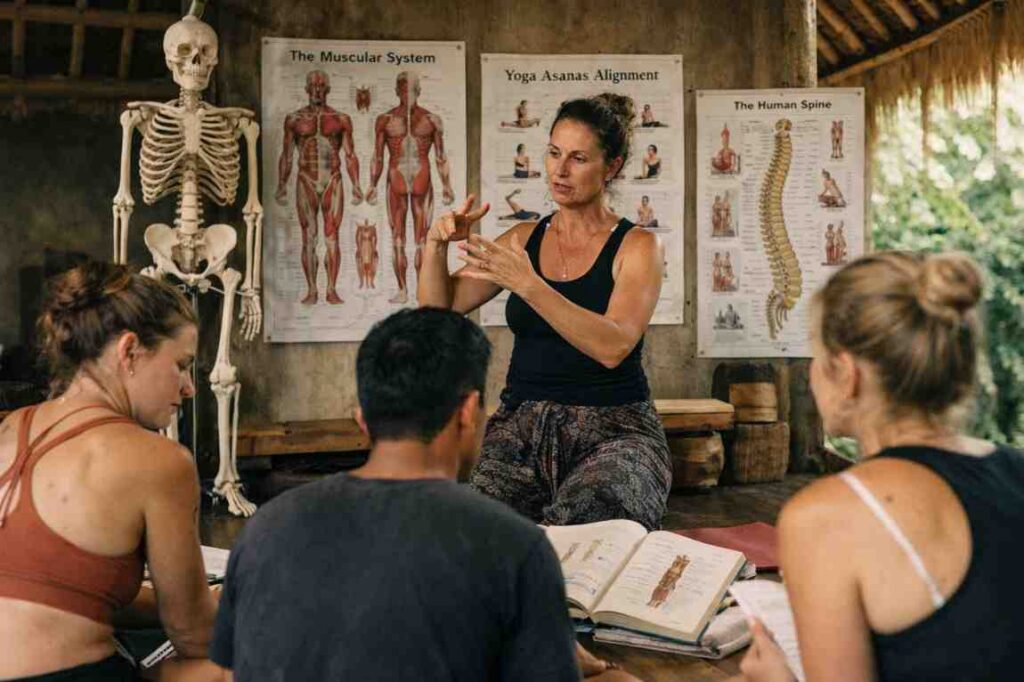
As seniors seek ways to enhance their well-being, yoga teacher training presents an inspiring and fulfilling opportunity. This journey not only promotes health but also cultivates community and personal empowerment.
Empowerment and Community
One of the standout benefits of yoga teacher training for seniors is the strong sense of community it fosters. Engaging with peers who share similar experiences creates a supportive environment where wisdom is shared and friendships are formed. Teaching yoga allows seniors to express their life wisdom, providing personal fulfillment as they contribute to others’ growth and learning.
Health Benefits
Yoga is renowned for its multitude of health benefits, particularly for older adults. By participating in structured yoga programs, seniors can enhance their physical health and flexibility. Regular practice not only improves mobility but also contributes to better balance and coordination, reducing the risk of falls. Moreover, the mental well-being benefits from engaging in yoga are significant, as the practice encourages mindfulness and stress reduction, which are vital for overall mental health.
Adaptability of Training Programs
Yoga teacher training programs are designed to be adaptable and inclusive for seniors. They often include modifications for varying ability levels, ensuring that those with different health needs can participate. This consideration makes the training accessible to everyone, promoting a sense of inclusivity. Furthermore, the programs are typically tailored to address unique health concerns of older adults, enabling a safe and effective training experience.
This holistic approach makes yoga teacher training an attractive option for seniors looking to improve their quality of life while contributing positively to their communities.
Key Features of Senior-friendly Yoga Teacher Training
Creating a supportive and productive environment for seniors is integral to yoga teacher training. Here are the key features that make the training effective and accessible for this demographic.
Accessible Curriculum
To ensure inclusivity, the curriculum focuses on adapting yoga practices specifically for seniors. This involves instruction that highlights how to tailor poses, sequences, and techniques to accommodate various physical capabilities. The goal is to make learning accessible, enabling trainees to support seniors with different levels of experience and mobility.
Inclusive Formats
The training offers diverse formats, including online training modules that allow for greater flexibility. This format is particularly beneficial for seniors who may face difficulties attending in-person classes. Furthermore, the opportunity to engage with instructors and peers remotely provides a community aspect that encourages collaboration and learning from one another in a supportive setting.
Focus on Therapeutic Practices
Emphasizing therapeutic yoga benefits is critical in this training. The curriculum aims to enhance the overall well-being of seniors by focusing on practices that improve health and address common age-related issues. Specializing in these therapeutic techniques allows future instructors to guide their students effectively, fostering a healthier lifestyle through yoga practices tailored to their needs.
This comprehensive approach ensures that senior-friendly yoga teacher training not only educates facilitators but also enriches the yoga experience for the elderly demographic they will serve.
Popular Yoga Training Options for Seniors
Yoga is recognized for its numerous benefits, especially for seniors seeking improved flexibility, balance, and overall well-being. There are several accessible training options that cater specifically to the needs of this demographic.
Chair Yoga Teacher Training
Chair yoga offers a unique and adaptable approach to traditional yoga practices. This training emphasizes modifying conventional poses to ensure accessibility for seniors who may have mobility challenges.
- Modifying Traditional Poses for Accessibility: In chair yoga, practitioners can perform asanas while seated, making it easier for individuals with limited range of motion or those who might feel unsteady standing. This modification helps seniors experience the benefits of yoga, such as increased strength and improved circulation, without the fear of falling or injury.
- Teaching in Diverse Settings: Training in chair yoga equips instructors to teach in various environments. Many seniors participate in classes at community centers or nursing homes, where customization is key to meeting diverse needs and fostering participation across all ability levels.

Retreats Focused on Seniors
Yoga retreats tailored for seniors present an excellent opportunity for immersive practice in a supportive environment. These retreats are designed to cater specifically to the unique needs of older adults.
- Yoga Retreats Designed for Seniors: These specialized retreats provide gentle yoga sessions, meditation practices, and relaxation techniques that take the specific requirements of seniors into account. This ensures a safe and enjoyable experience where participants can connect with their peers and enjoy the therapeutic effects of yoga in a serene setting.
- Accommodating Unique Needs: Organizers of these retreats focus on creating supportive learning environments. They carefully consider dietary needs, accessibility requirements, and the physical limits of participants to enhance the overall comfort and experience during the retreat.
Participating in these structured programs not only nurtures physical health but also promotes social connections and mental well-being among seniors through shared experiences and mindfulness practices.
Tips for Older Students in Yoga Teacher Training
Prioritizing Your Practice
- Listening to Your Body: As an older student, it’s essential to remain in tune with your body’s signals. Overexertion can lead to injuries, so understanding when to push through discomfort versus when to ease off is vital.
- Understanding Physical Limits: Acknowledge your physical capabilities and limitations. This understanding helps tailor your practice to be safe and enjoyable.
Using Modifications and Props
- Adapting Poses for Safety: Modifications are crucial for maintaining safety during practice. By recognizing your personal needs, you can adapt poses to ensure they are suitable for you.
- Encourage the Use of Props to Prevent Injuries: Props such as blocks, straps, and bolsters can support your practice. Utilizing them can reduce strain and enhance stability in various poses.
Embracing a Gentle Approach
- Starting with Gentle Practices: If you’re new to yoga or returning after a break, beginning with gentle practices can help to ease into your routine without overwhelming your body.
- Benefits of Easing into Intense Practices: Gradually building strength and flexibility through a gentle approach minimizes the risk of injuries and promotes a sustained practice.
Focusing on Breath Awareness
- The Role of Breath in Yoga: Breath is central to yoga. Focusing on your breath can enhance your physical performance and deepen your mind-body connection.
- Discuss How Breath Awareness Can Reduce Stress: Practicing breath awareness helps in managing stress effectively, contributing to overall well-being and a more enjoyable experience in your yoga practice.
Creating a Comfortable Environment
- Choosing the Right Studio: Find a studio that promotes inclusivity and a welcoming atmosphere. A comfortable environment can significantly enhance your motivation and engagement in teacher training.
- Look for Studios That Promote Inclusivity: Studios that recognize and accommodate older students’ unique needs can foster a sense of belonging and support your learning journey.
Seeking Experienced Instructors
- Choose Instructors Familiar with Older Students’ Needs: Having an instructor who understands the specific challenges faced by older students can make a massive difference in your experience, ensuring that guidance is appropriate and safe.
Engaging with the Community
- Encourage Forming Connections to Enhance Learning: Building relationships with fellow students can create a supportive network. Engaging with others who share similar experiences enriches your learning process.
Incorporating Mindfulness Practices
- Introduce Meditation and Breathing Exercises as Complementary: Integrating mindfulness practices such as meditation and focused breathing into your training can enhance mental clarity and emotional calmness, supporting your yoga journey.
Choosing the Right Yoga Teacher Training Program
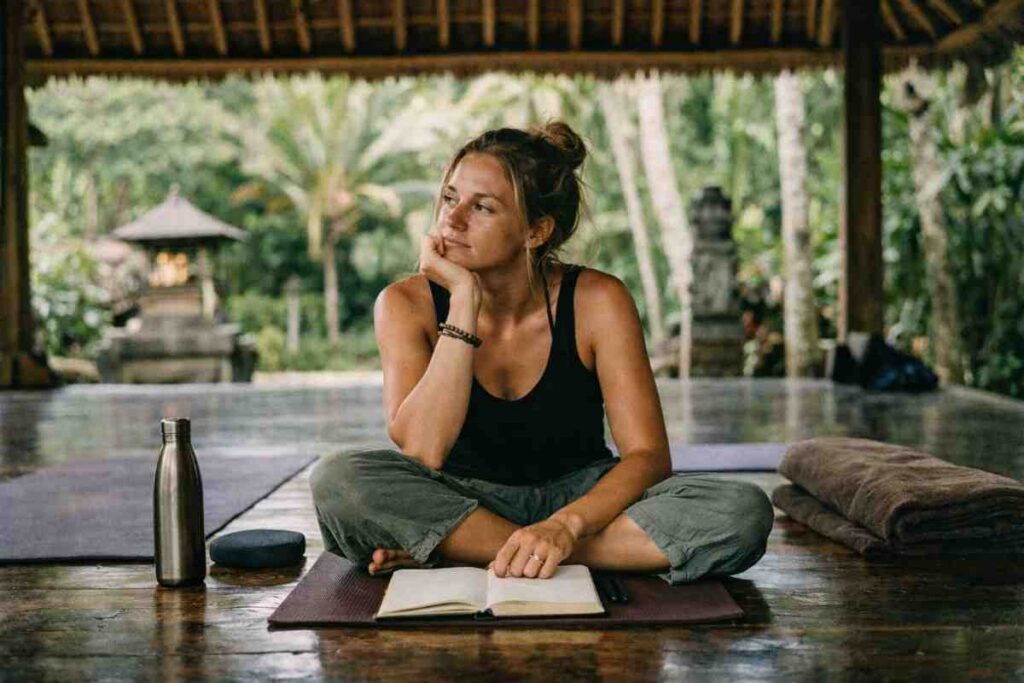
Selecting the right yoga teacher training program can feel overwhelming, given the multitude of options available. It’s essential to research thoroughly, as your choice will significantly impact your teaching career and personal growth.
Accreditation
When considering yoga teacher training, prioritize programs accredited by respected organizations. Look for those affiliated with Yoga Alliance or other recognized bodies to ensure the program meets established quality standards. Accreditation reflects the program’s credibility and can enhance your marketability in the job sector.
Curriculum
A comprehensive curriculum is vital in your training. Ensure the program covers various aspects, including:
- Asanas: Proper techniques and alignment.
- Philosophy: Understanding the principles behind yoga.
- Anatomy: Knowledge of the human body and how it relates to yoga practice.
- Teaching Methodology: Strategies and practice for instructing others effectively.
This holistic approach prepares you for real-world teaching scenarios.
Instructor Experience
The instructors’ qualifications and teaching backgrounds significantly influence your learning experience. Research the instructors’ credentials, years of experience, and teaching styles. Experienced trainers can provide valuable insights and adapt the instruction to accommodate varying student needs, which is crucial in a teacher training setting.
Training Format
Consider the format of the training. You can choose between:
- Immersive (full-time): These programs often conduct classes intensively over a few weeks, allowing for deep immersion.
- Modular (weekend or online): Ideal for those who work or have other commitments, these options offer flexibility in scheduling but may extend the duration of the training.
School Culture
The training facility’s culture can greatly affect your learning environment. Look for a school that promotes a positive, supportive atmosphere. A community-oriented culture encourages sharing, collaboration, and personal growth, making the training experience more enriching.
Cost and Location
Evaluate tuition fees in relation to what the program offers. While lower costs may be attractive, ensure that the training’s quality and resources justify the investment. Additionally, consider the location; training in an area with abundant yoga studios and communities provides networking opportunities and exposure to different teaching styles.
Personal Goals
Reflect on your motivations for becoming a yoga teacher. Are you seeking to deepen your practice, or do you aspire to make a career out of teaching? Identifying your personal goals can guide you in selecting a program that aligns with your aspirations and prepares you have the career you desire.
By carefully evaluating these considerations, you can find a yoga teacher training program that fits your needs and sets you on the path to success.
Exploring Yoga Teacher Training Programs

The journey to becoming a certified yoga instructor is both enriching and multifaceted. Here, we’ll examine key components of yoga teacher training programs.
200-Hour Training as a Foundation
A common requirement for certification programs is the completion of a 200-hour training course. This foundational training equips aspiring teachers with essential knowledge and skills, covering various aspects of yoga practice, philosophy, anatomy, and teaching methodologies. This initial certification acts as a stepping stone for further specialization in different yoga styles.
Flexibility in Learning Formats
Yoga teacher training programs are available in several formats to accommodate diverse learning preferences. These formats include:
- Immersive Programs: Typically, these are intensive courses held over a few weeks, allowing participants to fully immerse themselves in the learning experience.
- Modular Programs: These programs break the curriculum into smaller segments, making it easier for participants to complete training over a longer period while balancing other commitments.
- Hybrid Programs: Combining online and in-person instruction, hybrid programs offer flexibility for those who prefer a mix of learning environments.
Such varied formats ensure that individuals can pursue their yoga teacher training in a way that best suits their schedules and learning styles.
Accreditation
Accreditation is a significant aspect of yoga teacher training programs. Programs registered with Yoga Alliance have demonstrated adherence to high standards of training and education. This recognition enhances the credibility of the program and ensures that graduates are well-prepared to teach yoga safely and effectively. By choosing an accredited program, aspiring teachers can feel confident in the quality of their education and training.
Benefits of Yoga Teacher Training for Older Adults
Yoga teacher training offers a host of benefits specifically tailored for older adults, enhancing their mental and physical well-being while fostering a sense of community.
Improved Mental Health
Participating in yoga teacher training can significantly aid older adults in managing mental health challenges such as stress, anxiety, and depression. The meditative aspects of yoga promote mindfulness, which helps in reducing negative thoughts and improving overall mental clarity.
Enhanced Physical Well-being
Yoga training is particularly beneficial for physical health. It promotes increased flexibility, balance, and strength, all of which are crucial for older adults. Regular practice can lead to enhanced mobility and fewer injuries, allowing them to maintain an active lifestyle more comfortably.
Community and Connection
One of the standout aspects of yoga teacher training is its ability to create lasting friendships and support networks. Older adults often face feelings of loneliness, but engaging in group training fosters connections with like-minded individuals, contributing to a more fulfilling social life.
Lifelong Learning
Yoga teacher training encourages a spirit of lifelong learning and personal growth. Older adults can continually enrich their understanding of yoga philosophy, teaching methodologies, and wellness practices, which helps in keeping the mind engaged and active.
Teaching as a Medium for Self-Expression
For older adults, teaching yoga can serve as a powerful outlet for sharing life experiences and wisdom. This role not only enhances their self-esteem but also allows them to contribute positively to the community through mentoring younger practitioners and sharing their unique insights.
These collective benefits highlight how yoga teacher training can be a transformative journey for older adults, enhancing their quality of life both physically and emotionally.
Exploring Age Requirements for Yoga Teacher Training
Starting a journey in yoga teacher training is exciting, but one of the factors to consider is age.
Minimum Age Requirement (Usually 18+)
Most yoga teacher training programs set a minimum age requirement of 18 years. This ensures that participants have reached a certain level of maturity and self-awareness, which can be essential for such an introspective practice. Many programs enforce this age limit strictly, as it reflects a commitment to a safe and responsible learning environment.
Considerations for Younger Aspirants
For those younger than 18, some programs may allow acceptance with parental consent. This provides an opportunity for motivated individuals to pursue their passion for yoga even at a younger age. However, policies can vary widely among different training institutions, so it’s crucial to check specific requirements and seek permission accordingly.
Programs for Mature and Older Students
Inclusivity is a hallmark of many yoga training programs, and this extends to age. Older students are often welcomed with open arms, as their life experience can deepen their understanding of yoga principles and teachings. Educational yoga environments benefit significantly from diverse age backgrounds, fostering an enriching atmosphere for all participants.
In summary, while the most common age requirement for yoga teacher training is 18 years, younger aspirants with parental consent and older students are both supported in their educational pursuits within the yoga community.