Understanding the Benefits of Yoga for Sobriety

Yoga offers a wide range of benefits that are essential in supporting individuals on their journey to sobriety and showing Benefits of Yoga for Sobriety. By addressing stress, cravings, and emotional healing, yoga becomes a powerful ally in the recovery process.
Reduces Stress
Yoga significantly decreases stress levels through mindfulness and breathing techniques, which are vital for those in recovery. Effective stress management can diminish triggers for addictive behaviors, providing a calmer state of mind during challenging moments. This calming effect helps individuals cope better with the tension that often precedes a craving or relapse opportunity 1.
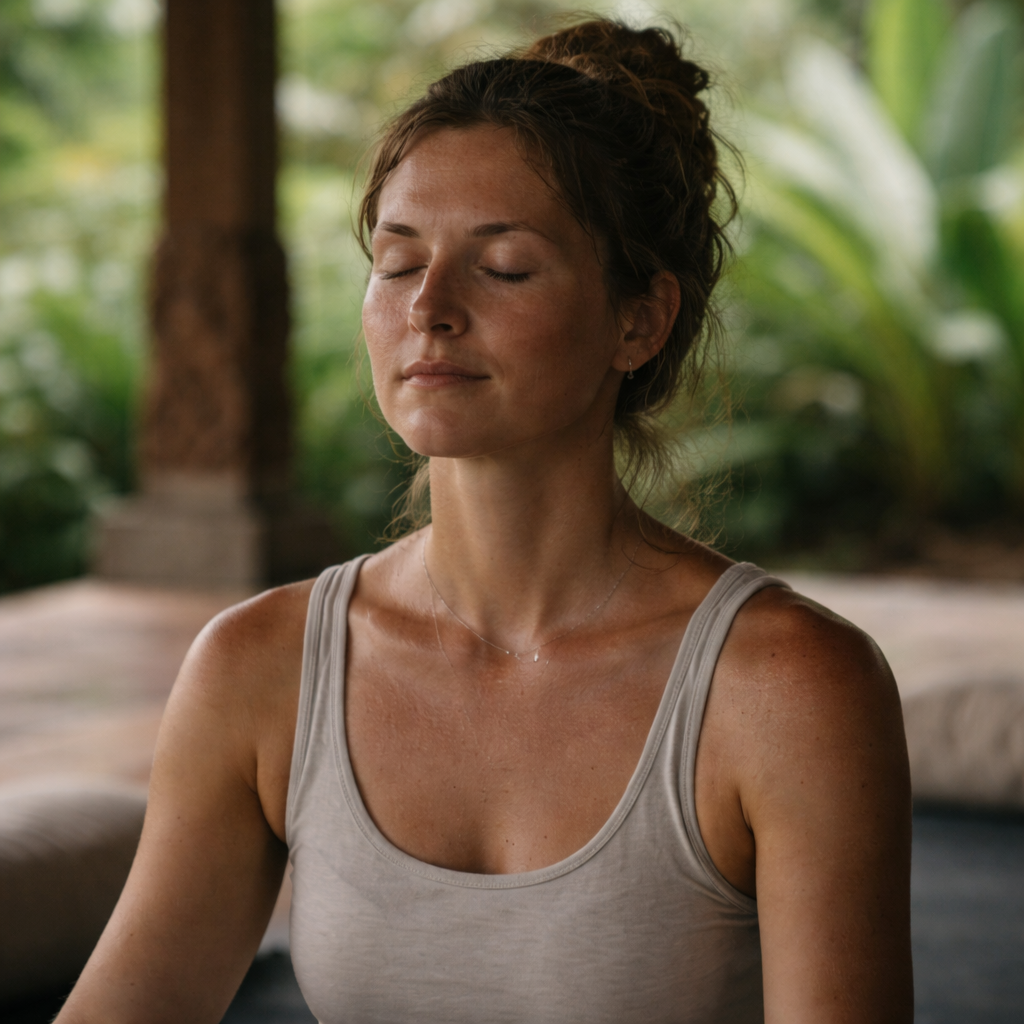
Helps Control Addictions and Cravings
Regular yoga practice helps normalize dopamine levels in the brain affected by addiction, thereby reducing cravings for substances. By creating a sense of balance and well-being, yoga diminishes the physiological pull toward alcohol or drugs, providing individuals with the tools they need to manage urges more effectively.

Increases Self-Awareness
Engaging in yoga encourages individuals to tune into their bodies, recognizing early signs of cravings and addictive behaviors. This self-awareness can preempt undesirable actions by fostering a connection with one’s emotional and physical states, making it easier to identify potential triggers and respond accordingly.
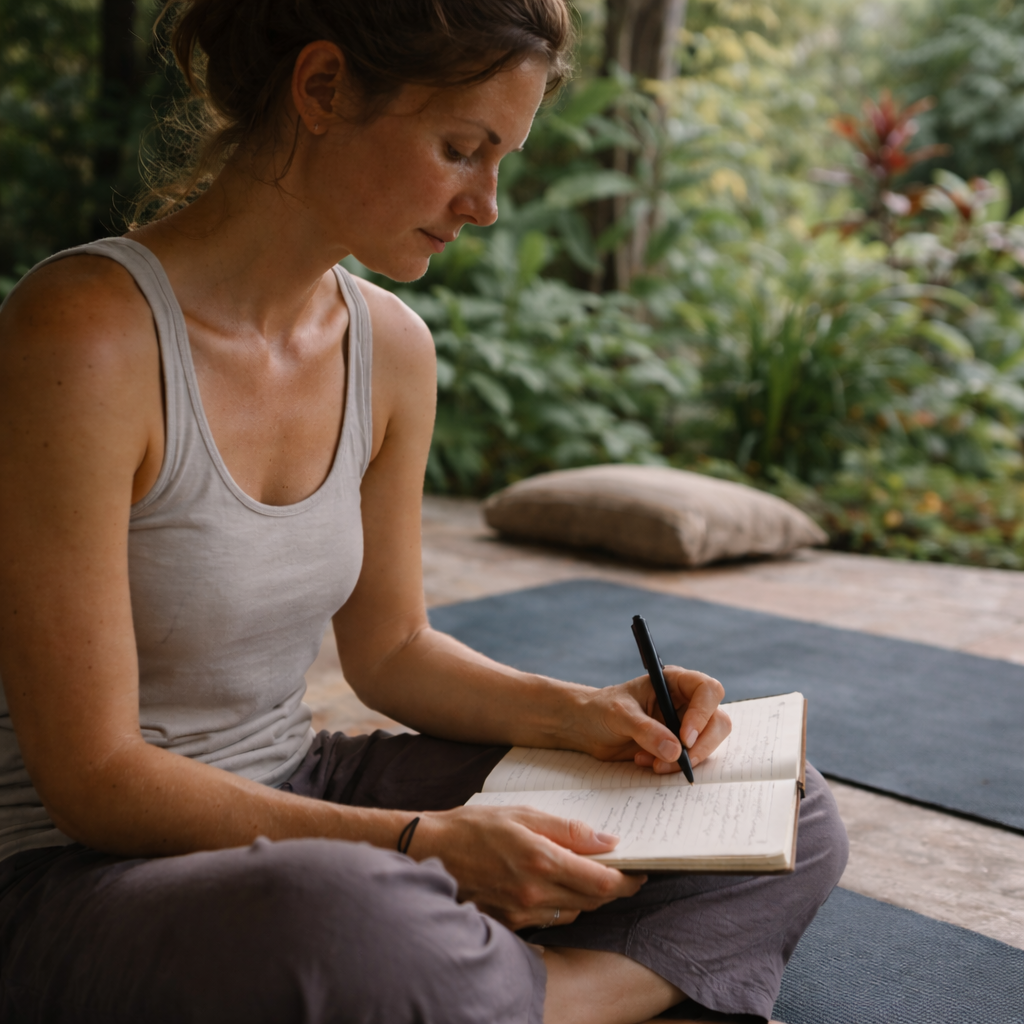
Improves Mental Clarity
Practicing yoga enhances mental clarity and emotional regulation, aiding individuals in managing their thoughts and feelings more effectively. This improved cognitive function is important for developing the mindfulness needed to make conscious choices regarding sobriety.

Enhances Emotional Healing
By fostering a connection with oneself through reflection and self-awareness, yoga supports emotional recovery, which is crucial in addiction treatment. Establishing a nurturing relationship with one’s inner self can facilitate healing from emotional wounds that often fuel addiction 2.

Promotes Healthy Coping Mechanisms
Yoga teaches strategies to handle stress and triggers leading to substance use, fostering sustainable sobriety. Learning to deal with adversity through yoga instead of reverting to past habits enables individuals to construct healthier responses to life’s challenges.
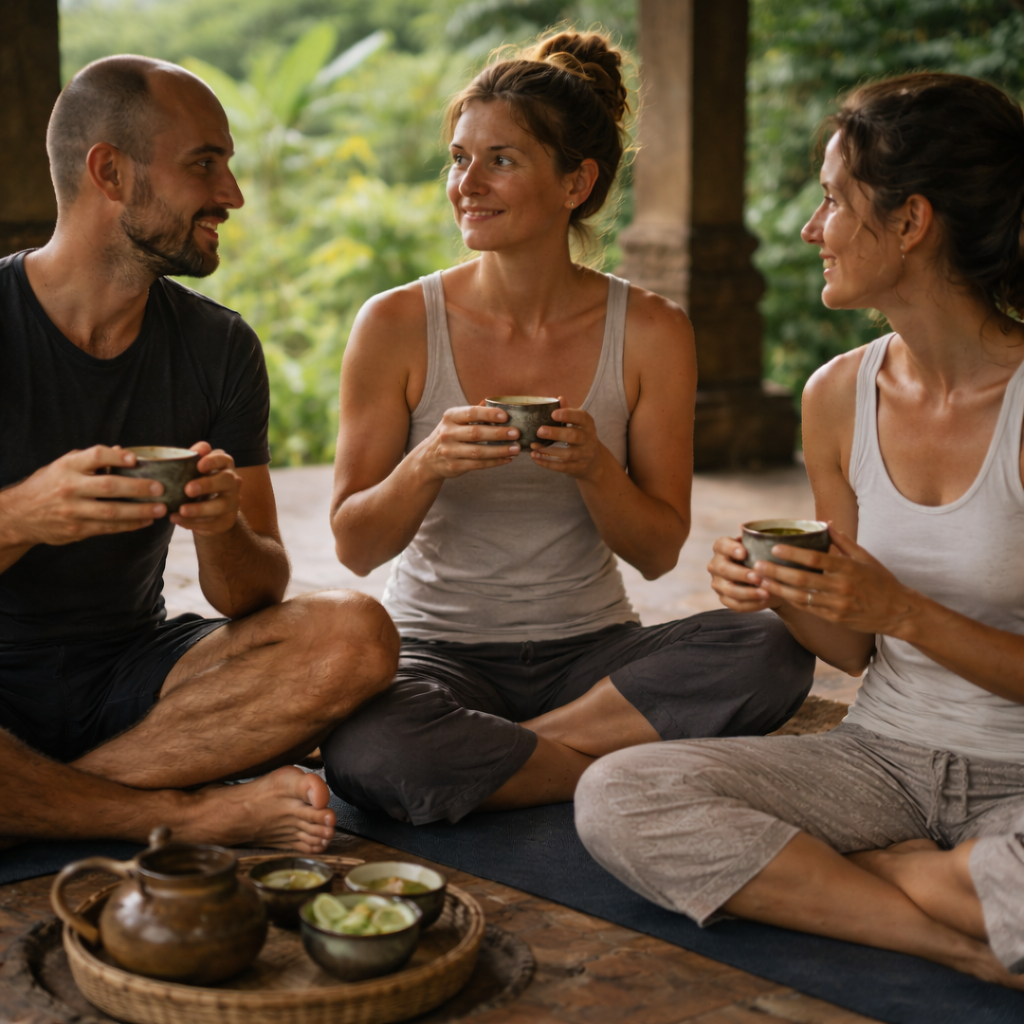
Supports Physical Rejuvenation
The practice aids in physical rehabilitation and relaxation, essential components when recovering from the effects of substance abuse. As individuals restore their physical health through yoga, they also develop a deeper appreciation for their bodies, enhancing overall well-being and resilience 3.
Incorporating yoga into a sobriety journey provides essential tools for managing stress, cravings, and emotional challenges. It offers a holistic approach to recovery that addresses both physical and mental health, making it a valuable practice for those committed to their rehabilitation.
How Yoga Complements Sobriety
Understanding yoga can greatly enhance the recovery process for those seeking sobriety. Yoga is not only a physical practice but also embodies a philosophy that promotes mental and emotional well-being. It establishes a connection between the body and mind, fostering a holistic approach to recovery. The different types of yoga, such as Hot Yoga, Bikram Yoga, and Yin Yoga, are particularly effective for recovery as they focus on mindfulness, breathing, and self-awareness—key elements that resonate with individuals on their sobriety journey.
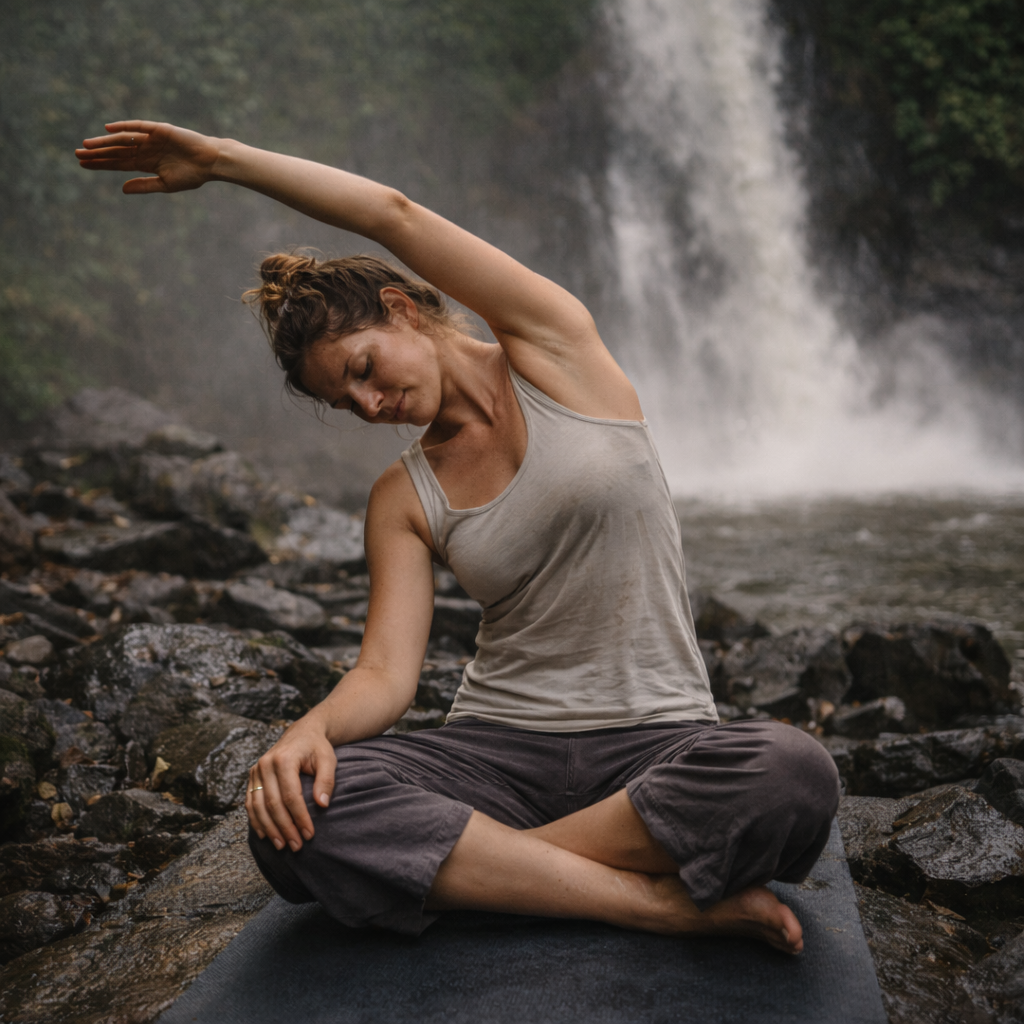
Understanding Yoga and Its Role in Recovery
Yoga encompasses various practices aimed at fostering peace and physical strength. Essentially, yoga brings together physical postures, breathing techniques, and meditation, all of which contribute to its efficacy in recovery. This combination helps individuals to cultivate awareness of their physical sensations and emotional states, enabling them to gain control over their impulses.
Furthermore, engaging in specific styles of yoga, such as Hot Yoga or Bikram Yoga, can promote detoxification through sweating and enhance physical strength. Yin Yoga, with its emphasis on deep stretching and relaxation, allows practitioners to slow down and connect with their inner selves, which can be especially beneficial during the recovery process.
Mindfulness and Increased Self-Awareness
A critical aspect of recovery is developing self-awareness. Yoga practices significantly enhance self-awareness by encouraging individuals to observe their thoughts and feelings without judgment. This heightened awareness can help individuals identify triggers and patterns associated with their previous substance use. By recognizing these triggers through yoga, they learn to manage their responses in a healthier manner.
Building Healthy Coping Mechanisms
Yoga fosters discipline and emotional regulation, essential tools in maintaining sobriety. Through regular practice, individuals develop a greater capacity to manage stress and anxiety without reverting to substance use. Techniques learned in yoga can help individuals cultivate a mindful approach to difficult situations and emotions. For instance, incorporating mindfulness techniques can create a foundation for healthy coping mechanisms, allowing for more resilient responses to challenges encountered during recovery.
Yoga as a Tool for Preventing Relapse
Incorporating yoga into aftercare plans can significantly reduce the likelihood of relapse. Specific yoga strategies can effectively combat triggers by promoting mindfulness and relaxation techniques. Having a consistent yoga practice can serve as a foundation for emotional well-being, making it easier to navigate life’s challenges and reducing vulnerability to relapse. Establishing a supportive aftercare plan that includes yoga practice can provide ongoing support as individuals continue their recovery journey.
Ultimately, yoga serves as a versatile and powerful tool in supporting sobriety, equipping individuals with the resources needed to navigate the complexities of recovery and maintain a healthy, substance-free lifestyle.
Meditation Techniques for Quitting Drinking
Meditation can serve as a powerful ally in the journey to quit drinking, addressing not just physical cravings but also emotional triggers. It offers individuals a tool to foster significant changes in their mindset, improving their connection with themselves and promoting emotional healing.

Introduction to Meditation
Meditation is a powerful tool for change and helps address emotional factors in quitting alcohol. It aids individuals in becoming more aware of their thoughts and feelings, providing a space for reflection and understanding. This self-awareness is vital in identifying triggers and managing cravings effectively.
Types of Meditation for Quitting Drinking
There are several meditation techniques that can be beneficial for those looking to quit drinking:
- Mindfulness Meditation: This technique involves focusing on the present moment, which can help individuals recognize and confront their cravings without judgment. It encourages a deeper understanding of emotional responses and helps diminish their power over time.
- Guided Meditation Using Apps Like Calm: Using guided meditation apps can provide structure and support during meditation sessions. These resources often include specific sessions aimed at quitting alcohol, helping users develop coping strategies.
- Body Scan Meditation for Tension Relief: This technique focuses on releasing tension in various parts of the body. By systematically relaxing each area, individuals can alleviate stress that may be associated with cravings, promoting a sense of calm and clarity.
- Meditative Walking for Grounding: Engaging in walking meditation allows individuals to connect movement to the present moment. This practice can be especially grounding and can help in managing impulses related to alcohol intake.
Benefits of Meditation
Incorporating meditation into one’s routine can lead to numerous benefits when quitting drinking, including:
- Increased Self-Awareness: Regular practice fosters a heightened sense of awareness about personal habits and emotional triggers, allowing individuals to make better-informed choices regarding their drinking behavior.
- Reduced Impulsivity: Mindfulness practices can help curb impulsive reactions, enabling individuals to pause and reflect before responding to cravings.
- Improved Emotional Regulation: Meditation enhances the ability to manage difficult emotions without resorting to alcohol consumption, paving the way for healthier coping mechanisms.
- Greater Sense of Peace: As stress levels decrease through meditation, individuals often experience an increased sense of peace and calm, which can alleviate the urge to drink.
By integrating these meditation techniques into their daily lives, individuals seeking to quit drinking can cultivate a supportive environment for change, ultimately fostering long-lasting recovery and well-being.
The Journey to Sobriety with Yoga and Meditation
Yoga can play a transformative role in the journey towards sobriety. It is often heralded for its unique ability to enhance both physical and mental well-being. Engaging in regular yoga practice allows individuals to connect with their bodies, promote relaxation, and develop mindfulness, which can be particularly beneficial during recovery from addiction. Incorporating yoga into one’s routine can lead to increased self-awareness and emotional regulation, both of which are essential as individuals navigate the complexities of sobriety.
Additionally, joining a community dedicated to yoga and meditation offers opportunities for shared experiences, encouragement, and support. This communal aspect provides a sense of belonging and connection, which can be incredibly uplifting during challenging times. By participating in group classes or retreats, individuals can forge valuable relationships with others who are on a similar journey, fostering an environment conducive to healing and growth.
Engaging in yoga and meditation not only bolsters the individual’s commitment to sobriety but also creates a pathway to holistic well-being. Through dedication to this practice, individuals can cultivate resilience and a deeper understanding of themselves, ultimately leading to a more fulfilling sober life.

FAQs About Yoga and Sobriety
Yoga offers a holistic approach to support individuals in their journey towards sobriety. Here we address some common questions about the relationship between yoga and addiction recovery.
Does yoga really help with addiction recovery?
Yes, yoga promotes clarity, emotional stability, and effective stress management. These benefits can be particularly essential for individuals in recovery, helping to cultivate a sense of peace and resilience in the face of challenges.
What types of yoga are best for recovery?
Certain styles of yoga are often recommended for those in recovery, including:
- Hot yoga: The heat can promote detoxification and increased flexibility.
- Bikram yoga: This specific practice aids in improving physical stamina and mental focus.
- Yin yoga: Known for its calming effects, Yin yoga encourages deep relaxation and mindfulness.
How often should I practice yoga during recovery?
Regular practice is ideal. Engaging in yoga several times a week yields the best results. Consistency helps build a routine and reinforces the benefits of mindfulness and physical activity, integral to recovery.
Is yoga a substitute for professional treatment?
No, yoga is not a substitute for professional treatment. Instead, it serves as a complementary approach to traditional treatment methods, enhancing the overall recovery experience. By incorporating yoga into a comprehensive treatment plan, individuals can enjoy a more rounded healing process, promoting both physical and mental well-being.