Introduction
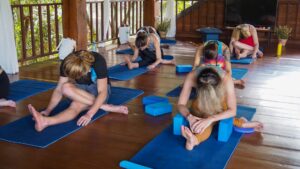
Bali is not just a destination; it’s a haven for yoga and wellness enthusiasts. With its stunning scenery and serene atmosphere, it perfectly embodies the essence of practicing yoga. The allure of becoming a yoga instructor in a tropical paradise draws many, promising a transformative journey in both body and spirit.
Yoga instructor training in Bali provides comprehensive programs that seamlessly integrate physical practices with rich cultural immersion. Participants engage deeply with the community while developing essential teaching skills. This vibrant environment serves as an ideal backdrop for personal growth and professional training.
This guide aims to explore the myriad benefits and opportunities of becoming a yoga instructor in Bali. It highlights essential information that aspiring yoga instructors need to succeed in their training and teaching careers. Whether you are seeking personal growth or a transformative career path, Bali offers an experience like no other.
Key Takeaways
Bali stands out as a premier destination for yoga instructor training, offering unique experiences that blend wellness with cultural immersion.
- Diverse Training Programs: The island provides a range of yoga training programs catering to various styles. This diversity allows aspiring instructors to find courses that align with their specific interests and teaching philosophies.
- Cultural Immersion: Training in Bali is not solely about the physical aspects of yoga. Programs also include elements of Balinese culture, enhancing the overall learning experience. This cultural integration enriches the training environment and deepens participants’ understanding of yoga’s spiritual dimensions.
- Quality Assurance: Many training programs are accredited, ensuring that the courses meet industry standards. This accreditation boosts the credibility of the training received and fosters a supportive community among instructors.
- Abundant Opportunities Post-Training: After completing their training, many graduates find numerous opportunities within Bali’s thriving wellness and yoga community, making it easier to establish a successful career as a yoga instructor. The ongoing community support further aids in professional development and networking.
Understanding Yoga Instructor Training

Overview of Programs
Yoga instructor training programs vary widely, catering to different levels of expertise and styles of yoga. Many schools, including YMB Yoga School in Bali, offer a range of styles such as Hatha, Vinyasa, and Ashtanga. Each style has its unique philosophy and techniques, allowing instructors to find their niche in the vast landscape of yoga practice.
Certification levels also differ significantly among programs. Most yoga teacher training (YTT) courses range from 200-hour to 500-hour formats, addressing the needs of both beginners and experienced practitioners looking to deepen their knowledge. It’s essential to consider the duration and quality of the training when selecting the right program.
Accreditation plays a vital role in yoga training. Recognized certifications ensure that instructors meet established standards and deliver quality instruction. Schools that are accredited by the Yoga Alliance, for instance, provide a mark of credibility that’s respected worldwide, making a significant difference in a teacher’s career prospects and opportunities for employment 1.
Why Choose Bali?
Bali is renowned for its serene environment, making it a prime location for yoga and wellness practices. The island serves as a global hub for spiritual pursuits, attracting practitioners and instructors alike. Many training programs are located amidst the stunning natural beauty of Bali, offering an immersive experience that enhances personal and professional growth.
Culturally, Bali enriches the training experience with its deep-rooted spiritual traditions. The island’s rich heritage, spiritual rituals, and community-oriented lifestyle contribute positively to the training environment. Engaging with local customs can deepen understanding and appreciation of yoga’s holistic approach, making Bali an appealing choice for those pursuing yoga instructor training 2.
Types of Yoga Instruction Programs
Yoga instruction programs vary significantly in style and structure, catering to diverse practitioner needs. Understanding these variations can enhance your choice of program, especially when considering options such as those offered by YMB Yoga School in Bali.
Popular Styles Taught
Several popular yoga styles are commonly taught in programs, each with its unique features and methodologies. The following styles stand out:
- Hatha Yoga: This classical style focuses on the basic postures (asanas) and breathing techniques (pranayama), making it an excellent choice for beginners.
- Vinyasa Yoga: Known for its flowing movements, Vinyasa links breath with movement, creating a dynamic and energetic practice.
- Ashtanga Yoga: This method involves a set sequence of postures performed in a specific order, promoting strength and flexibility while cultivating discipline.
- Yin Yoga: This slower-paced style involves holding postures for extended periods, which allows for deeper stretching and relaxation of the connective tissues.
- Kundalini Yoga: Emphasizing spiritual growth, Kundalini practice integrates physical postures, breathwork, and meditation to awaken energy within the body.
Each style has its nuances, enabling instructors to tailor their teachings to meet the specific needs of their students, reflecting the traditions and philosophies behind these practices 1, 2.
Program Structures and Durations
Yoga instructor training programs typically range in duration and structure, accommodating various levels of commitment. Common durations include:
- 200-hour Programs: This is often the foundational level for aspiring instructors, covering the essential aspects of yoga philosophy, anatomy, and teaching techniques.
- 300-hour Programs: Designed for those who have completed a 200-hour training, this program allows for deeper exploration into advanced practices and instruction methods.
- Specialized Programs: These focus on specific styles, such as prenatal yoga or yoga therapy, catering to practitioners looking to enhance their qualifications.
Typical daily schedules in these programs blend asana practice, meditation, and educational sessions. Mindfulness practices are integrated into the structure, encouraging instructors to embody the principles of yoga both on and off the mat 1, 2.
Physical Benefits of Training

Training offers numerous physical benefits that enhance overall well-being. From increased strength to improved flexibility, embracing a regular training regimen can significantly transform your physical capabilities.
Enhanced Strength and Flexibility
Intensive training is vital for boosting physical capabilities. Regular practice not only enhances muscle strength but also contributes to greater flexibility. Yoga, in particular, is well-known for its positive effects on the body. Engaging in consistent yoga practice improves muscle elasticity and joint flexibility, promoting a more mobile and adaptable physique. This combination of strength and flexibility enables individuals to perform daily activities with greater ease and reduces the risk of injuries during physical exertion.
Improved Posture and Alignment
Posture plays a significant role in physical health, and training emphasizes the importance of body alignment. In yoga, proper body alignment is a foundational concept that helps practitioners develop awareness of how to position their bodies correctly. This awareness can lead to better overall posture, which affects not only physical appearance but also affects daily movement and comfort levels. By focusing on alignment during training, individuals can expect improvements in their posture, reducing neck and back pain and enhancing their overall well-being.
Mental and Emotional Gains
Reducing stress and enhancing mental clarity can be achieved through effective yoga and mindfulness practices. Engaging in these techniques can lead to significant mental and emotional benefits, particularly for those navigating the demands of daily life.
Stress Reduction Techniques
Yoga plays a significant role in mitigating stress and anxiety. Through various poses and breathing exercises, practitioners can cultivate relaxation, ultimately leading to reduced stress levels. The incorporation of mindfulness practices in this training furthers these benefits, as it encourages individuals to focus on the present moment, thereby alleviating feelings of overwhelm associated with past or future worries.
Focus and Concentration Benefits
Yoga techniques, such as breath control and meditation, are instrumental in improving mental clarity. By regularly practicing these methods, individuals can enhance their focus and concentration, leading to sharper cognitive abilities. Meditation, in particular, has shown a positive impact on the ability to maintain concentration, making it a powerful tool for mental wellness and productivity.
These practices not only foster a sense of calm but also help build resilience against stressors, attuning both the mind and body to better handle daily challenges.
Spiritual Growth Opportunities
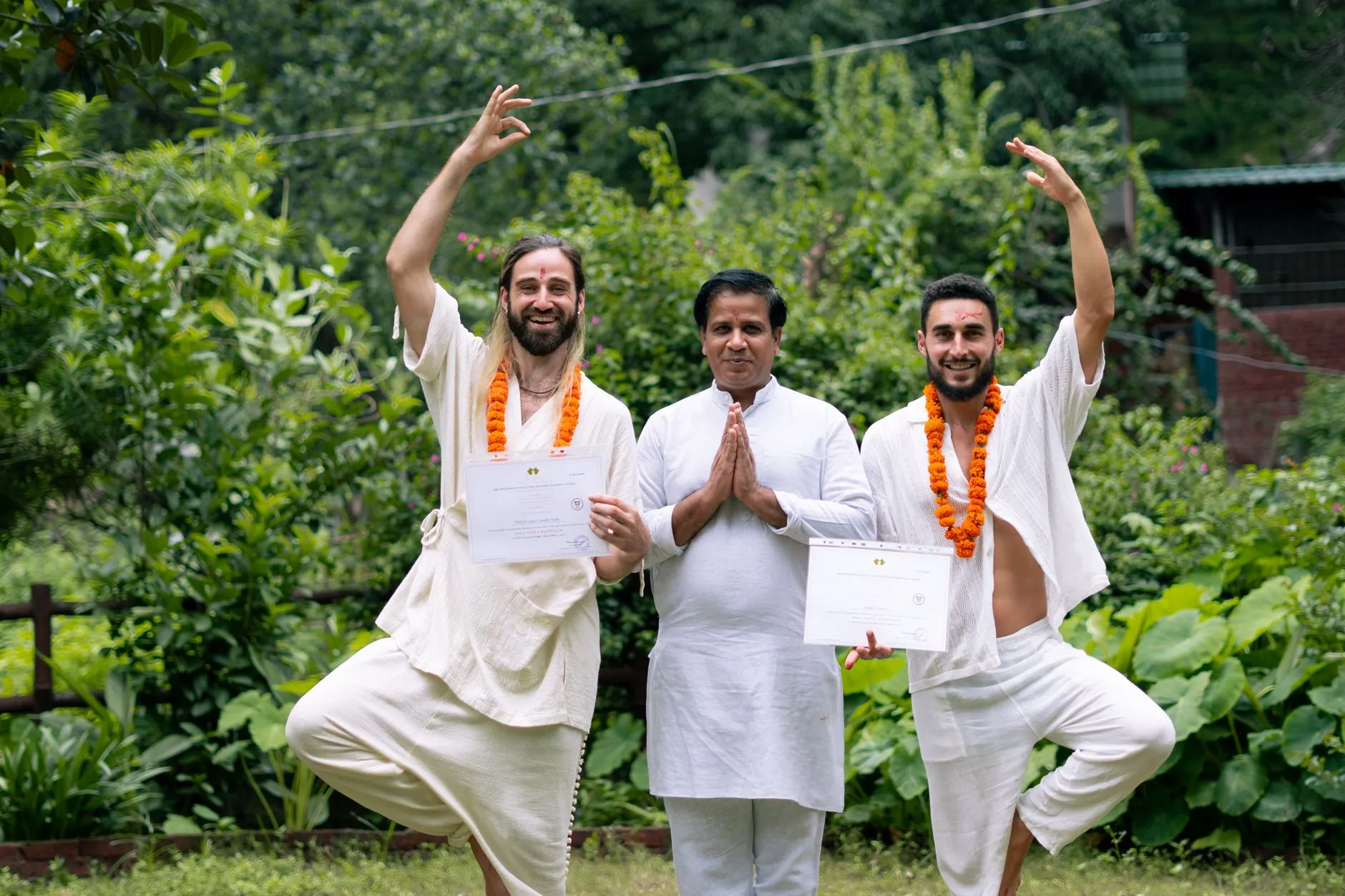
Connecting on both personal and community levels is essential for spiritual growth, especially during yoga practices. When trainees engage with a community, they foster deeper connections that enhance their journey. The camaraderie built among participants can lead to personal transformations, allowing individuals to explore their spirituality in a supportive environment.
Connection with Self and Community
-
Building Community Among Trainees: In a yoga setting, participants often form tight-knit relationships that provide emotional and spiritual support. This community becomes a safe space for individuals to share their experiences and insights, further enriching their spiritual journeys.
-
Personal Transformation Through Yoga Practice: Engaging in yoga can prompt significant inner changes. As practitioners delve into their practices, they often find clarity, balance, and renewed purpose, helping them connect more profoundly with themselves and others.
Cultural Immersion and Spirituality in Bali
Bali’s unique cultural landscape plays a vital role in shaping spiritual practices. The island is steeped in traditions that deeply influence how spirituality is expressed, making it an exceptional place for personal growth.
-
Influence of Balinese Culture on Spiritual Practices: Balinese rituals and customs are interwoven with everyday life, creating an atmosphere rich in spiritual significance. These cultural elements offer practitioners valuable insights into their own spiritual journeys as they observe and participate in local traditions.
-
Opportunities for Spiritual Exploration in Bali: YMB Yoga School in Bali provides numerous avenues for individuals seeking spiritual exploration. From participating in local ceremonies to engaging with traditional healing practices, trainees can experience first-hand how spirituality manifests in Balinese culture. The chance to immerse themselves fully in this environment allows for profound spiritual and personal growth.
By fostering connections with oneself, the community, and the rich cultural backdrop of Bali, participants in yoga programs can achieve a deeper understanding of their spirituality and personal transformations.
Cost of Yoga Teacher Training in Bali
Yoga teacher training in Bali can be a transformative experience, but understanding the costs involved is essential for prospective students. The expenses can vary significantly based on several factors.
Typical Expenses
Tuition fees for yoga teacher training programs in Bali vary widely depending on the provider and the duration of the course. Generally, you can expect to pay between $2,000 to $5,000 for a comprehensive program that typically lasts 200 hours. It’s important to check the specifics with each training school, such as YMB Yoga School, as additional features like meals, materials, and certifications can influence the final cost.
Accommodation and living expenses in Bali also contribute to the overall budget. Costs for lodging can vary from economical hostels at around $10 a night to luxury resorts that can exceed $100. Additionally, daily living expenses, such as meals and transportation, should be considered. On average, budgeting around $30-$50 per day for food and local travel is a good practice to ensure a comfortable stay while completing your training.
Scholarship Opportunities
For those concerned about the financial burden of yoga teacher training, many schools offer financing options and payment plans designed to ease upfront costs. Scholarships may also be available to help make this journey more accessible. Various yoga schools, including YMB Yoga School, actively provide grants for students to support their education in yoga.
Investigating these options is highly recommended for prospective students. The availability of financial assistance can significantly impact your decision to pursue a yoga teacher training program in Bali, allowing a broader range of individuals to partake in this enriching experience.
Choosing the Right Program
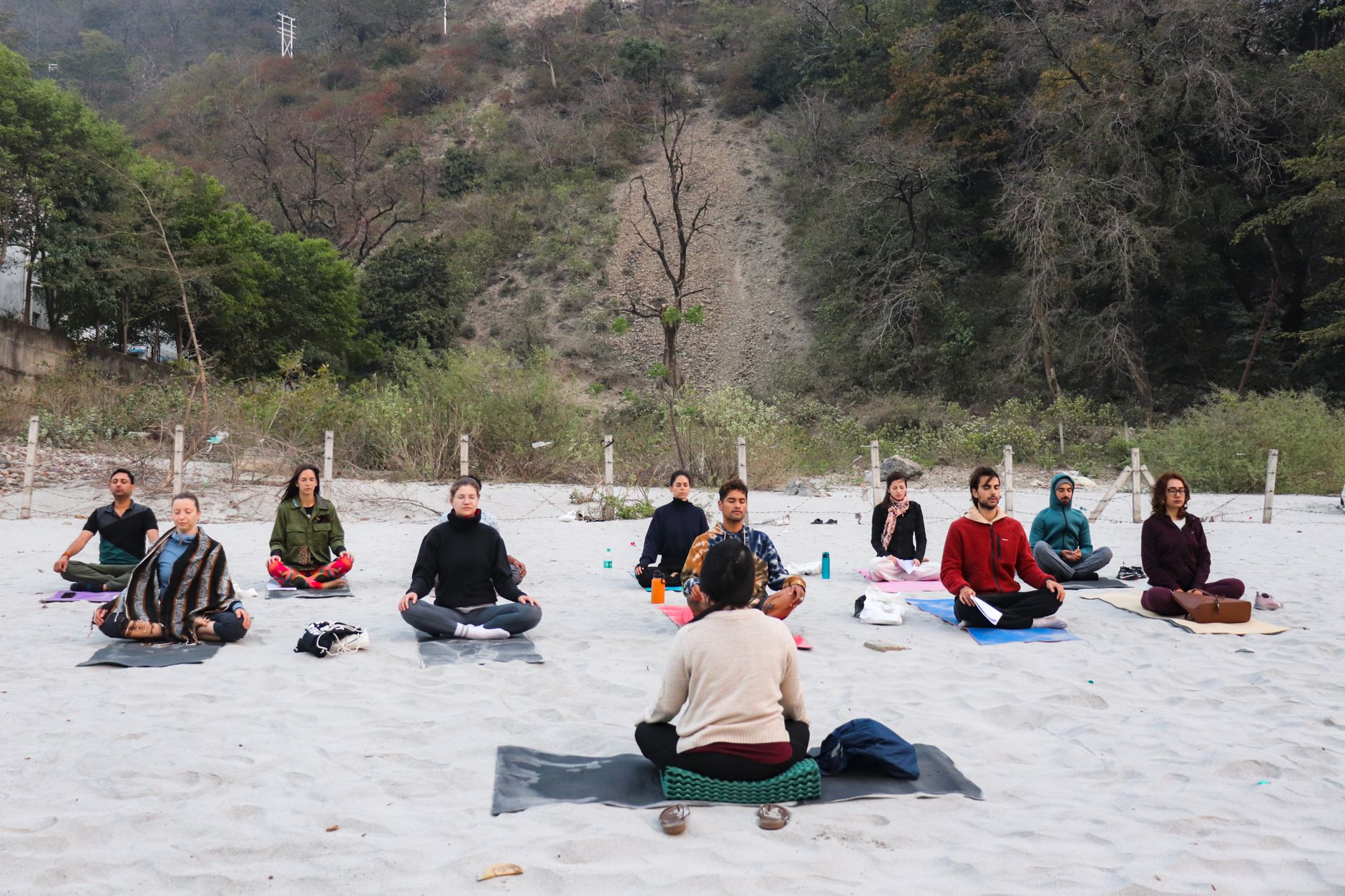
When selecting a yoga program, several important factors should be evaluated to ensure a fulfilling experience.
Factors to Consider
-
Location, Ambiance, and Instructor Qualifications
The geographic location of the yoga school can significantly impact your learning experience. It’s advisable to look for a school like YMB Yoga School in Bali, which offers a serene environment conducive to practice. Furthermore, instructor qualifications play a vital role. Verify their certifications and teaching experience to ensure you’re receiving high-quality instruction. -
Program Accreditation and Student Reviews
Ensure that the program is accredited by a recognized body; this can speak volumes about the quality of education you can expect. Additionally, past student reviews provide valuable insights into the program’s effectiveness. Take time to read testimonials to gauge the experience of other participants. These two factors combined can help you make an informed decision about whether a program is right for you.
Choosing a program with the right ambiance, qualified instructors, and strong accreditation is essential for your yoga journey. Always conduct thorough research to find the best fit that resonates with your personal growth goals.
Post-Training Opportunities for Instructors
A career in yoga instruction offers diverse and fulfilling paths. After completing your training, you can explore various roles such as a studio instructor, retreat leader, or wellness coach. Each role has its unique appeal and caters to different interests within the yoga community. The market for yoga instructors continues to grow, driven by increasing demand from individuals seeking wellness and mindful living solutions, making this a promising field for new instructors seeking their way.
Career Paths
Upon finishing your training, several opportunities await.
- Studio Instructor: Many choose to work in established yoga studios, where they can lead classes and build a community of students.
- Retreat Leader: Organizing retreats allows you to create immersive experiences for participants, blending yoga with travel and relaxation.
- Corporate Wellness Coach: Businesses are increasingly incorporating yoga into their wellness programs, offering instructors a unique avenue to share their expertise.
The growing market demand for yoga instructors highlights the appeal of this profession, with many seeking qualified individuals to lead classes, workshops, and events 1 2.
Building a Successful Yoga Business
To establish a successful yoga business, consider key factors that will pave your way.
- Business Plan: Create a thoughtful business plan outlining your services, target audience, and financial projections.
- Legal Requirements: Ensure you understand and meet any local regulations and obtain necessary permits.
- Brand Development: Develop a compelling brand identity that resonates with your audience to create a lasting impression.
Effective marketing strategies post-training are essential for attracting clients. Utilize social media platforms to promote classes, share testimonials, and offer online sessions to reach a broader audience. Engaging with your local community through workshops and classes can further help to establish your presence in the yoga market.
By focusing on these aspects, you can build a thriving yoga business that inspires others and contributes to their wellness journey 1 2.
Exploring Local Attractions Near YMB Yoga School
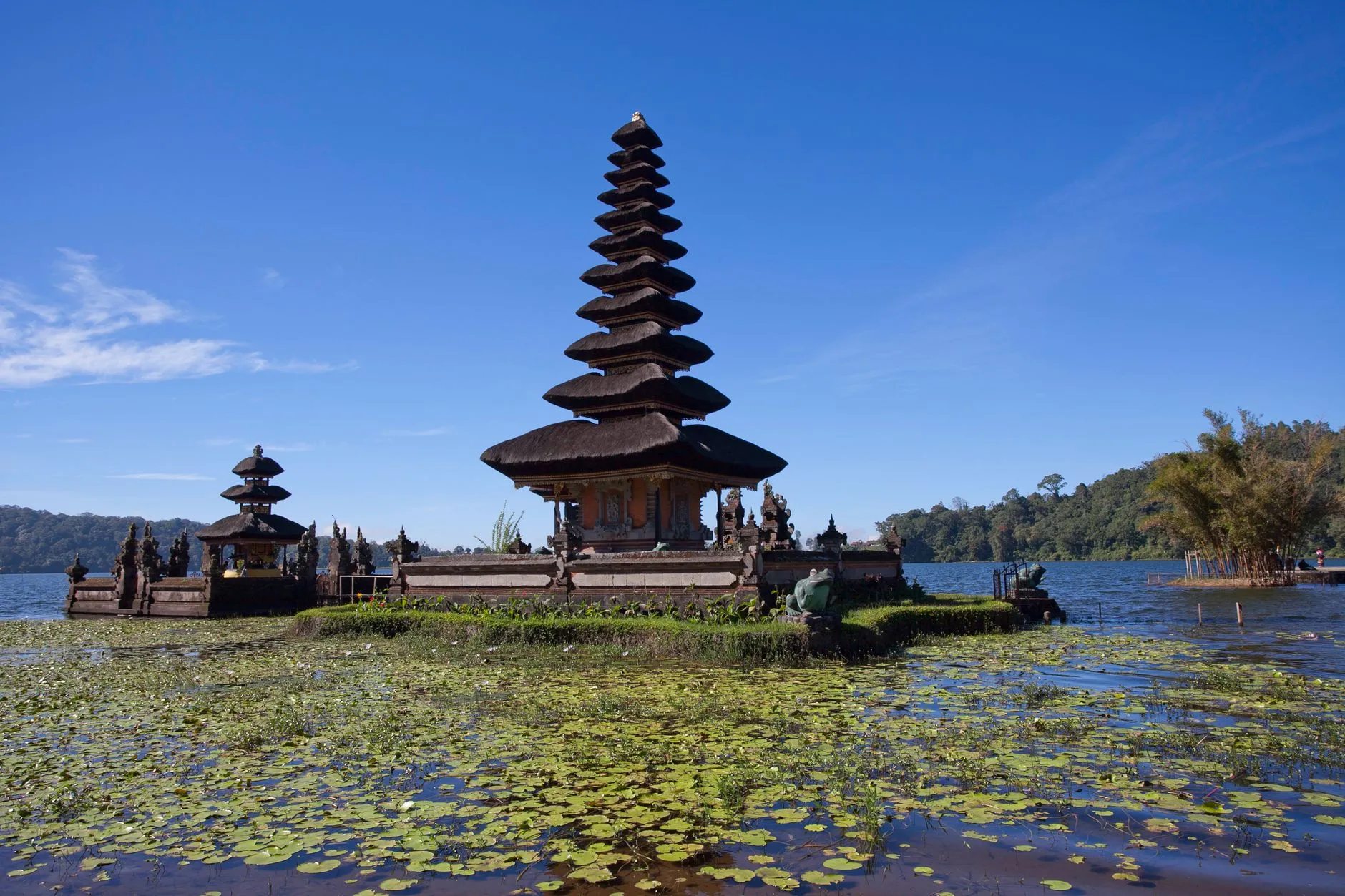
YMB Yoga School is not just a destination for yoga enthusiasts; it’s also a gateway to a variety of captivating local attractions. Nestled in a region rich with culture and natural beauty, the school creates an ideal environment for both relaxation and exploration.
Overview of YMB Yoga School
YMB Yoga School has built a solid reputation as a premier destination for yoga and wellness. Known for its dedicated instructors and immersive yoga programs, it serves as a wellness retreat for locals and tourists alike. The school’s ambiance promotes tranquility and mindfulness, making it a haven for practitioners looking to deepen their practice or escape the hustle and bustle of daily life. This unique essence attracts yoga enthusiasts from all walks of life, enhancing its standing as a leading yoga institution in Bali.
Nearby Attractions
The attractions surrounding YMB Yoga School offer an enriching experience that complements the yoga practice.
-
Natural Beauty: The area is enveloped in stunning landscapes, from lush rice terraces to breathtaking beaches. These natural wonders present opportunities for hiking, sightseeing, and connecting with the environment, which can enhance one’s overall wellness journey.
-
Cultural Sites: Visitors can explore nearby temples and cultural landmarks that reflect the rich heritage of Bali. These sites provide a unique glimpse into the local traditions and spiritual practices, further resonating with the themes of yoga and wellness.
-
Wellness Options: Beyond yoga sessions, there are various wellness options available in close proximity, including spa services and holistic health centers. These amenities allow practitioners to indulge in self-care that complements their yoga journey.
-
Local Markets and Dining: The thriving markets nearby are perfect for those looking to experience local flavors and craft. Visitors can enjoy fresh produce, artisanal goods, and local cuisine. Dining options range from quaint eateries offering healthy meals to traditional Balinese dining experiences, providing both nourishment and a taste of local culture.
With its burgeoning local attractions, YMB Yoga School stands as a pillar of the community, encouraging both local and international visitors to engage in a holistic lifestyle.
FAQs
What are the benefits of yoga instructor training in Bali?
Yoga instructor training in Bali offers a unique environment for comprehensive learning with an enriching cultural immersion. Participants benefit from not only learning effective teaching methods but also experiencing the serene landscapes and spirituality that characterize Bali. This combination enhances personal growth alongside professional development in yoga.
How much does it cost to participate in programs?
The costs of participating in yoga training programs vary significantly based on factors like program length and included amenities. Generally, students can expect a range of prices, making it essential to compare different training options to find the best fit for both budget and expectations.
What styles of yoga are offered in training?
Training programs typically include various styles of yoga, such as Hatha and Vinyasa. This diversity allows students to explore multiple approaches to practice, helping them discover which style resonates most with their personal philosophy and teaching preferences, thereby broadening their skill set.
How to select the right yoga training program?
To choose the right yoga training program, consider your personal goals, read reviews from past participants, and research the backgrounds of instructors. This will help ensure that the program aligns with your aspirations and provides a supportive learning environment.
What are potential career paths after training?
After completing yoga instructor training, several career paths become available, including teaching at studios, conducting workshops, or organizing retreats. Graduates can tailor their careers based on their interests and expertise, opening doors to diverse opportunities within the wellness industry.