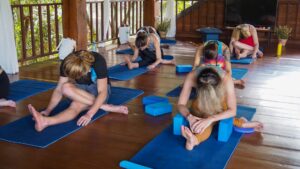
Introduction to Yoga Teacher Training in Bali
The allure of Bali as a yoga teacher training destination has grown significantly. Picturesque landscapes, serene beaches, and a rich spiritual atmosphere create an ideal setting for both personal and professional development. With its vibrant yoga community, Bali attracts aspiring instructors from all over the world, drawn not only by the opportunity to deepen their practice but also by the chance to explore a new culture.
The Growing Popularity of Yoga Teacher Course Bali
Bali’s yoga scene is flourishing, characterized by a diverse array of yoga styles and teacher training programs. The popularity of these programs stems from several key factors:
- Overview of the Yoga Scene in Bali: Bali is home to numerous yoga studios and retreats that cater to various skill levels and styles, from Hatha and Vinyasa to Ashtanga and Kundalini. This extensive range allows aspiring teachers to find the program that aligns with their personal interests and teaching aspirations.
- Reasons for its Popularity as a Training Hub: The island’s affordability compared to other yoga training destinations, coupled with its stunning natural beauty, makes it an appealing choice. Many participants highlight the quality of training, experienced instructors, and a supportive community as significant advantages of studying in Bali 8.
- Appeal of Combining Travel with Yoga Education: In addition to gaining certification, many trainees enjoy the unique opportunity to immerse themselves in Balinese culture. The experience of learning in such a vibrant setting adds a transformative layer to their education, blending personal adventure with professional growth 7.
Quick Answer
The Yoga Teacher Course in Bali offers a transformative experience, blending personal growth, community engagement, and professional training in a serene environment. Classes focus on various styles and practical teaching methods, ensuring a well-rounded education for aspiring instructors. Participants emerge from these programs not only with teaching credentials but also with increased self-awareness and connections to a global community of like-minded individuals 12.
Key Takeaways
Bali stands out as a premier destination for yoga teacher training. Its unique blend of serene environments, spiritual culture, and vibrant community makes it an attractive choice for aspiring yoga instructors. Here are key points to consider:
- Overview of Courses: The yoga teacher training courses in Bali vary in length, style, and format, catering to a wide range of preferences. Students can select from intensive month-long programs to shorter courses, depending on their needs and schedules.
- Cultural Immersion: Engaging in cultural immersion enhances the overall training experience. Participants not only learn yoga techniques but also delve into Balinese traditions and practices that enrich their teaching journey.
- Networking Opportunities: Bali’s yoga community is thriving, providing excellent networking opportunities. Through classes, workshops, and events, participants can connect with fellow yogis and educators, fostering relationships that may lead to future collaborations.
- Job Prospects: After completing yoga teacher training, job prospects are promising. With the growing demand for certified instructors globally, many graduates find opportunities not only in Bali but also in various locations around the world. Programs like those offered by the YMB Yoga School in Bali equip students with the skills and certifications needed to thrive in the competitive yoga environment.
Embarking on a yoga teacher training journey in Bali is not just about learning yoga; it’s about transformation, personal growth, and stepping into a supportive community that can help shape your future in the yoga industry.
For more information on courses available, consider checking out resources like Bali Yoga School or House of Om for detailed descriptions of their offerings.
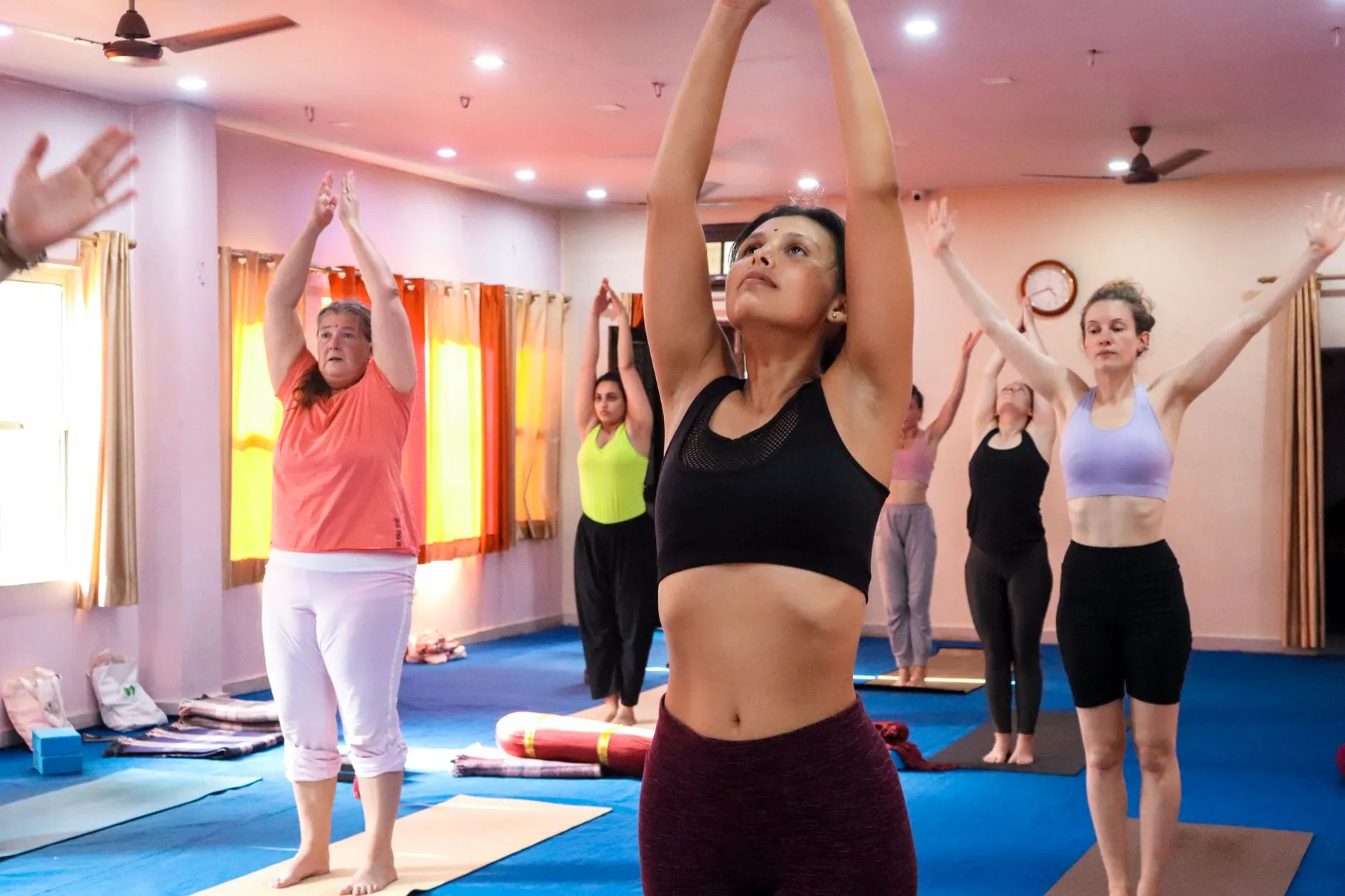
Choosing the Right Yoga Teacher Training Course
When considering a yoga teacher training course, it’s essential to select a program that aligns with your individual needs and aspirations. This choice can significantly impact your teaching style, philosophy, and overall experience.
Types of Yoga Teacher Training Programs
Different Styles of Yoga
Various styles of yoga are widely taught in teacher training programs, including Hatha, Vinyasa, Ashtanga, and many others. Each style has its own unique principles and methods, so choosing one that resonates with you is vital. Researching each style can help you find the right fit for your personal practice and teaching approach.
Program Lengths and Formats
Yoga teacher training programs vary in length from intensive month-long courses to part-time options that span several months. Opt for a duration that suits your schedule and learning style. Additionally, some courses offer in-person training, while others may provide online modules, allowing for more flexibility. Consider what format works best for you 1, 5.
Options for Full-Time and Part-Time Training
Many schools offer both full-time and part-time training options, catering to different lifestyles and commitments. Full-time programs are immersive and often conducted over four to six weeks, while part-time programs allow you to balance work or personal responsibilities alongside your training. Evaluate your availability and commitment level to choose the right option.
Factors to Consider When Selecting a Course
Reputation and Reviews of the Institute
Investigate the reputation of the training institute or school. Look for reviews and testimonials from past students, which can provide insight into the quality of instruction and student support. A well-reviewed program often indicates a strong curriculum and respected faculty 2, 12.
Instructor Qualifications and Experience
The qualifications and experience of the instructors are critical. Look for teachers with recognized certifications and relevant experience in the yoga community. An instructor who embodies the principles of yoga can profoundly influence how you absorb and teach the material. Attend intro sessions if available to gauge their teaching style.
Location Specifics and Accommodations
When choosing a course, consider the location of the training. Many programs are offered in serene, retreat-like settings that enhance the learning experience. Ensure available accommodations meet your needs, whether you prefer on-site housing or nearby options. Training in a peaceful environment can significantly enhance your practice 6, 10.
By taking these factors into account, you can make an informed decision about your yoga teacher training course, paving the way for a fulfilling journey in yoga teaching.
The Costs Associated with Yoga Teacher Training in Bali
Training as a yoga teacher in Bali is an enriching experience, but it’s essential to understand the total investment involved. This journey includes not only tuition fees but also living expenses unique to the island paradise.
Tuition Fees and Payment Options
Tuition fees for yoga teacher training programs in Bali can vary significantly. On average, programs can range from $2,000 to $4,500 depending on the school’s reputation, training hours, and additional amenities provided. For example, the price for a 200-hour yoga teacher training typically falls within this range, while more advanced courses, such as a 300-hour training, may be priced higher 21, 23.
Many schools in Bali offer flexible payment options to accommodate students. Some may require an upfront deposit followed by payment plans, while others might provide financial aid for qualified applicants. It’s advisable to check directly with the yoga school you are interested in, as specific payment structures can vary 22.
Additional Expenses
Aside from tuition, several additional costs should be accounted for when planning your yoga teacher training in Bali.
- Accommodation Prices: The cost of housing can vary widely depending on your preferences for comfort and amenities. Dormitory-style hostels can start around $10 per night, while more private accommodations might range from $30 to $100 per night 6.
- Living Expenses: Daily living expenses—including food, transportation, and leisure activities—can accumulate. For instance, budgeting around $15 to $30 per day can generally cover meals and outings, though local options can be cheaper if warranted 5.
- Travel Costs: If coming from overseas, it’s imperative to include airfare in your budget. Additionally, keep in mind the costs associated with getting around Bali, which may involve renting a scooter or utilizing taxi services.
Understanding these costs will give you better clarity on the total investment for pursuing your passion in yoga teacher training in Bali, allowing you to plan effectively for this life-transformative experience.

Benefits of Yoga Teacher Training in Bali
Yoga Teacher Training in Bali offers a myriad of benefits, from personal growth to cultural immersion. Here are some of the key advantages:
Personal Growth and Development
One of the most significant benefits of yoga teacher training in Bali is the opportunity for personal growth. Participants often experience:
- Increased self-awareness and mindfulness: Immersive practices enhance one’s understanding of self, cultivating a deeper connection to personal beliefs and values. This journey of self-discovery can lead to a transformative yoga experience.
- Opportunities for personal transformation: The serene environment of Bali, combined with the structured training, allows individuals to challenge their boundaries and develop a greater sense of self, offering pathways to emotional healing and resilience.
Cultural Immersion
Engaging deeply with Balinese culture adds a unique dimension to yoga teacher training:
- Experience Balinese culture and spirituality: Bali’s rich spiritual heritage infuses training with local practices, creating a vibrant learning experience that is both enriching and holistic. The integration of cultural rituals fosters a broader understanding of yoga’s roots.
- Engagement with local practices and traditions: Regular interactions with local communities provide insight into the traditional practices surrounding yoga in Bali, offering a more authentic and immersive education.
Quality of Training and Networking Opportunities
The quality of training in Bali is among the best globally, thanks to the number of experienced instructors available:
- Access to experienced instructors: Many training programs in Bali are led by certified experts who impart valuable knowledge and practical experiences. Their insights pave the way for deeper understanding and nuanced learning.
- Building relationships within the community: Participants have the chance to network with fellow yogis and instructors, fostering connections that extend beyond the training. This community support often nurtures friendships and mentorship, enriching the overall experience.
Each aspect of yoga teacher training in Bali is designed to maximize growth, connection, and learning, making it a highly sought-after experience for aspiring yoga teachers. Discover more about the transformative experiences offered by programs like those at YMB Yoga School in Bali and others listed here.
Post-Training Opportunities for Graduates
After completing a yoga teacher training course, graduates have a multitude of career paths and networking opportunities available to them.
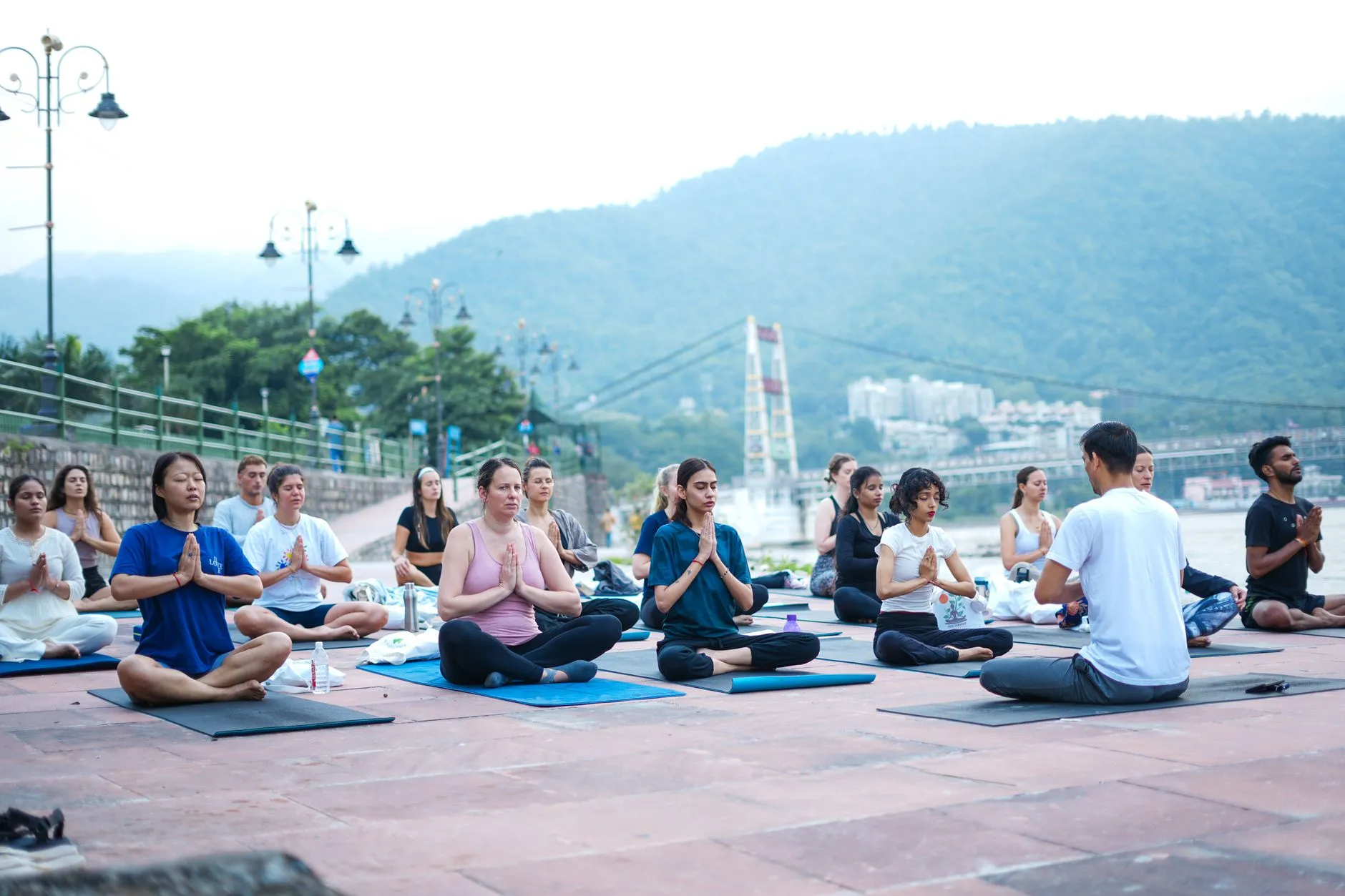
Career Paths After Certification
Graduates can explore various career options, depending on their interests and expertise:
- Teaching Abroad or Locally: Many graduates choose to teach yoga internationally, especially in tourist hotspots like Bali. This allows them to share their skills while exploring different cultures and meeting people from diverse backgrounds. Additionally, the demand for qualified yoga instructors is growing in local studios and wellness centers, offering numerous teaching positions.
- Private Practices and Specializations: Some graduates opt to open their own private practices, focusing on specific aspects of yoga such as therapeutic yoga, prenatal yoga, or yoga for athletes. This not only allows for greater independence but also the opportunity to cater to niche markets, attracting clients with particular needs and interests.

Networking and Community Building
Building a strong professional network is essential for ongoing success in the yoga industry:
- Connections with Fellow Graduates: Establishing connections with classmates and fellow graduates can lead to collaboration, mentorship opportunities, and increased job prospects. Sharing experiences and resources enhances personal growth and professional development in the field.
- Joining Teaching Associations and Building a Personal Brand: Graduates can benefit from being part of professional yoga associations, which often provide resources, advocacy, and additional training opportunities. Developing a personal brand through social media and community engagement can also help attract students and clients, making it easier to establish a successful career.
By taking advantage of these opportunities, yoga teacher training graduates can carve out rewarding careers in a field that is both fulfilling and growing.
Yoga Teacher Training Syllabus and Philosophy
As a prospective yoga teacher, understanding the scope and depth of the teacher training syllabus is essential. This includes core components as well as the practical experiences you will encounter during your training.
Core Components of the Curriculum
The curriculum for yoga teacher training encompasses several crucial areas, ensuring you develop both the technical skills and philosophical grounding needed to teach effectively.
- Asana Practice, Pranayama, and Anatomy: You will learn various asanas (postures) alongside pranayama (breathing techniques). This foundational knowledge also includes studying anatomy to understand how the body moves and responds to different postures. A comprehensive understanding of these elements promotes not only personal practice but also the ability to teach safe and effective classes.
- Yoga Philosophy, Ethics, and Teaching Methodology: Delving into yoga philosophy and ethics is vital for nurturing mindful teachers. This segment typically covers key texts like the Yoga Sutras and Bhagavad Gita, reinforcing the importance of ethics in yoga teaching. Additionally, you will learn methodologies for planning, sequencing, and effectively leading classes.
Practical Experience and Workshops
Real-world experience forms a significant part of your yoke teacher training, enhancing both confidence and practical skills.
- Opportunities for Practice Teaching: Engaging in practice teaching workshops is a pivotal feature of the training. These sessions allow you to gain hands-on experience, receive constructive feedback from instructors, and build your teaching style in a supportive environment.
- Engagement with Local Culture and Traditions: Apart from the curriculum, immersing yourself in Bali’s rich culture and yoga traditions adds authenticity to your training. This engagement can inspire your yoga practice and teaching, grounding them in the local context.
By integrating these elements, the training program not only prepares you to become a skilled yoga teacher but also instills a deeper understanding of yoga’s holistic nature. For more information, consider exploring resources like the Bali Yoga School and its various offerings.

Frequently Asked Questions About Yoga Teacher Course Bali
What are the requirements to enroll in a yoga teacher course?
To enroll in a yoga teacher course in Bali, the minimum age is typically around 18 years. While there isn’t a strict educational prerequisite, a basic understanding of yoga practices is beneficial. Previous yoga experience is often recommended to ensure that participants can engage fully with the curriculum, particularly for foundational courses like the 200-hour training.
What styles of yoga are taught in Bali’s courses?
Bali’s yoga teacher courses often cover a variety of styles, including Hatha and Vinyasa. Hatha yoga focuses on basic postures and breathing techniques, while Vinyasa flows connect movement and breath. Emerging styles like Yin Yoga and Restorative Yoga are also becoming popular due to increasing interest in holistic practices. Many schools offer specialized training in these areas, aligning with current trends in yoga.
How much does yoga teacher training cost in Bali?
The cost of yoga teacher training in Bali can vary significantly based on the length and type of program. Typical pricing ranges from $1,500 for a basic 200-hour course up to $3,000 or more for advanced 300-hour certifications. Some schools offer financial aid and flexible payment options to help aspiring teachers manage costs. It’s advisable to explore different programs and their inclusions to find a suitable fit for your budget.
What is the duration of yoga teacher training programs?
Yoga teacher training programs in Bali generally range from 200 hours to 300 hours or more, depending on certification levels. A standard 200-hour course typically lasts around three to four weeks when taken full-time, while part-time options may extend this duration. It’s essential to choose a program that fits your schedule and personal commitments.
What opportunities exist after certification?
Upon certification, job prospects for yoga teachers are diverse, both locally and internationally. Many graduates find work in yoga studios, wellness retreats, or travel as freelance teachers. Networking during the training can open doors to various opportunities. Additionally, many programs provide job-searching support and resources to help participants transition into their new roles.
For further details about training programs, visit Bali Yoga School and explore their offerings.
Final Thoughts on Pursuing Yoga Teacher Training in Bali
Choosing to pursue yoga teacher training in Bali offers significant benefits. Participants immerse themselves in a unique cultural environment amidst stunning natural beauty, enhancing their learning experience. The training programs available are often immersive, combining practical skills with philosophical studies, ensuring a well-rounded education. As a result, attendees leave not only with teaching credentials but also with personal growth and enriched knowledge of yoga practices.
If you’re considering becoming a yoga teacher, taking this step could be transformative. Not only does it provide the opportunity to understand yoga deeply, but it also opens avenues for a career that aligns with personal values and passions. From experiencing the local culture to connecting with like-minded individuals, every aspect of yoga teacher training in Bali can significantly impact your journey. Embrace this opportunity, and begin your path towards becoming a certified yoga instructor. For more insights on specific programs and their benefits, check out resources such as YMB Yoga School and Peaceful Warriors Yoga.