Introduction
Choosing the right location for yoga teacher training can significantly influence your experience and growth. The enchanting landscapes and rich cultural settings in popular destinations like Yoga Teacher Training in Bali vs India vs Brazil play a huge role in shaping the training environment.

Importance of Choosing the Right Location for Yoga Teacher Training
Selecting an ideal site for yoga teacher training is crucial, as it impacts not only the quality of teaching but also your overall learning experience. Each destination offers unique advantages tailored to different preferences and aspirations.
Popular Destinations: Bali, India, Brazil
- Bali: Known for its serene environment and holistic wellness culture, Bali provides an immersive experience in yoga practice, complemented by beautiful landscapes and cultural richness. Many programs focus on modern methodologies alongside traditional practices, enhancing personal growth and relaxation.
- India: As the birthplace of yoga, India offers authentic training deeply rooted in spirituality and tradition. It provides comprehensive programs that delve into ancient practices, philosophy, and various yoga styles, making it a unique choice for serious students.
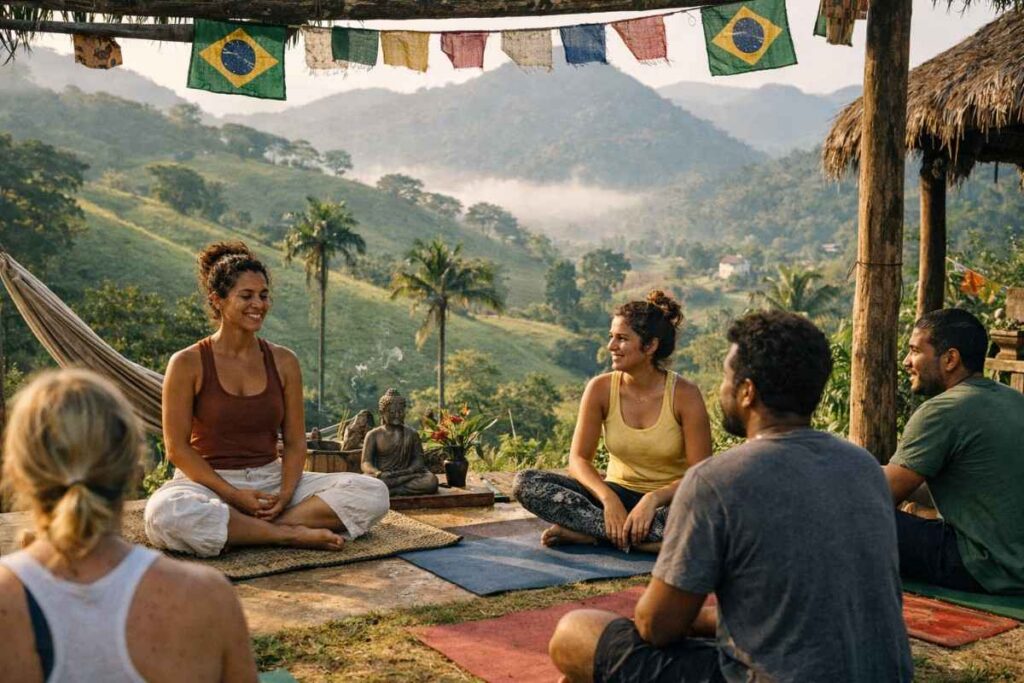
- Brazil: Featuring a vibrant blend of yoga practices with local culture, Brazil offers an innovative approach to teacher training amidst lush natural beauty. The diverse settings encourage personal connections and a sense of community among participants.
When considering these factors, it’s essential to think about what resonates most with your journey as a yoga practitioner. Each location not only has its unique landscapes and teaching styles but also distinct cultural experiences that can profoundly affect your training outcomes.

Overview of Yoga Teacher Training Programs
Yoga teacher training programs offer a variety of pathways to deepen both practice and knowledge.
Diverse Offerings
These programs generally include a range of styles such as Ashtanga, Hatha, Vinyasa, Yin, and Kundalini yoga. This variety allows trainees to explore different approaches to yoga, ensuring they can find a style that resonates with their personal philosophy.
Furthermore, most programs focus on foundational courses providing 200-hour certifications. For those seeking further expertise, advanced teacher training can extend up to 500 hours. This structure allows practitioners to advance at their own pace, building upon their initial training to gain a more comprehensive understanding of yoga philosophy and techniques [1](source http link in research data).
Notable Yoga Schools in Bali
Bali is a sanctuary for yoga enthusiasts, offering diverse styles and teachings across various schools. Here are some notable yoga institutions that attract practitioners from around the globe:
YMB Yoga School In Bali
- Location: Situated in Semarapura bali, this school provides a serene environment for learning.
- Programs Offered: Bali Yoga School features both foundational and advanced Yoga Teacher Training (YTT) programs.
- Focus: The curriculum emphasizes hands-on teaching experiences while encouraging students to develop their personal practice.
Yogmantra Bali
- Location: Nestled in Gianyar, Bali, this school boasts stunning beachfront views.
- Class Size: All Yoga is known for its small class sizes, allowing for personalized instruction tailored to individual needs.
- Curriculum Emphasis: The focus here is on a blend of asana practice and yoga philosophy, ensuring a well-rounded education.

Maharishi Yoga Peeth
- Location: Although located in Rishikesh, this school is renowned for its intensive training programs and is worth noting for those seeking comprehensive learning.
- Programs Offered: Maharishi Yoga Peeth provides diverse YTT options, catering to different levels from beginner to advanced practitioners.
Loka Yoga School
- Reputation: Loka Yoga School is well-regarded for its competitive pricing and immersive experiences that attract both novice and experienced yogis.
These schools represent just a sample of Bali’s vibrant yoga community, each offering unique approaches to yoga that cater to various needs and levels of experience.
Yoga Teacher Training in India
The journey to becoming a yoga teacher is not just about mastering the postures; it’s about immersing oneself in the rich cultural tapestry of yoga’s birthplace—India.
Cultural Significance and Authenticity
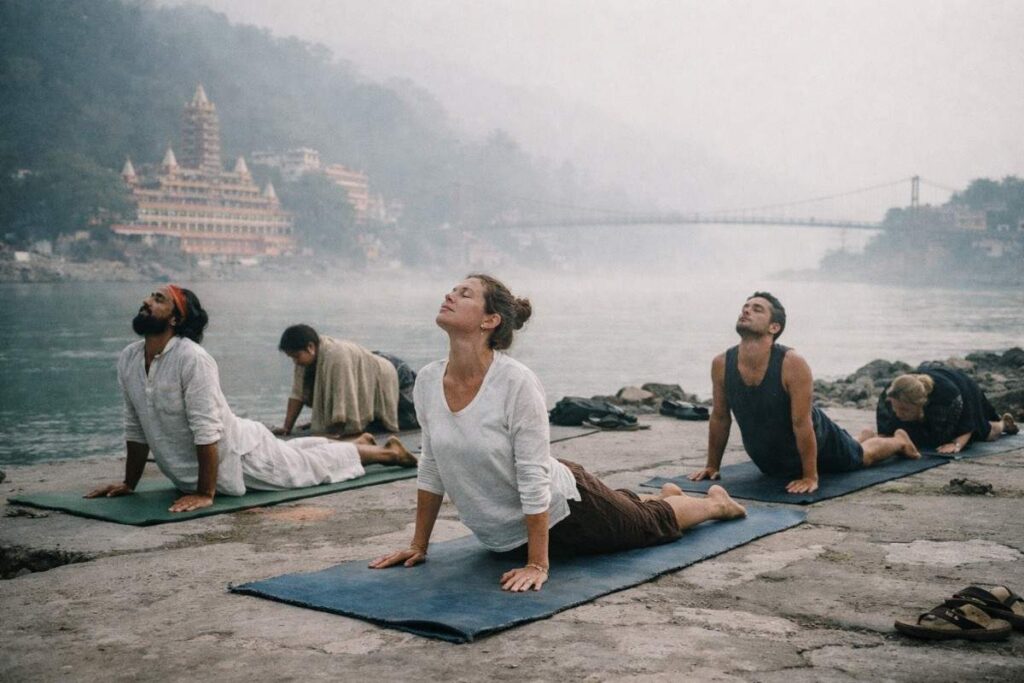
India is widely recognized as the birthplace of yoga, with a history that spans thousands of years. Participants in yoga teacher training (YTT) programs in India are not just learning techniques; they are engaging in a spiritual tradition that has shaped lives for generations. The authenticity of the programs offered adds immense value, as they often include teachings from ancient texts and practices that have been preserved through the ages.
Unique Opportunity: Trainees have a unique opportunity to immerse themselves in yogic lifestyle practices, often ranging from meditation and Ayurvedic principles to the philosophy underlying yoga. This cultural immersion helps cultivate a deeper understanding and connection to the practice, which is often hard to achieve in more commercialized settings outside of India.

Types of Programs Offered
In India, various training programs cater to the diverse needs of yoga enthusiasts aspiring to become teachers.
- 200 Hour Yoga Teacher Training Course in Bali 2026: This foundational course is designed for beginners. It covers the basics of yoga philosophy, techniques, and teaching methodologies.
- 300-Hour and 500-Hour Advanced Programs: For those seeking to deepen their practice, these advanced programs delve into more complex aspects of yoga and provide extensive training to elevate teaching skills.
- Specialized Courses: Many schools offer specialized courses focusing on specific styles such as Ashtanga, Hatha, or Kundalini yoga, as well as wellness practices that integrate yoga with holistic health approaches.
Key Locations for Training
Several locations in India stand out as premier destinations for yoga teacher training.
- Rishikesh: Known as the ‘Yoga Capital of the World’, Rishikesh offers a serene environment along the Ganges River, perfect for focused learning and spiritual practice.
- Goa: With its beautiful beaches, Goa presents a laid-back training atmosphere that attracts those looking to blend relaxation with their yoga practice.
- Mysore: Renowned for its Ashtanga yoga lineage, Mysore is a hub for serious practitioners seeking deep, systematic training in this specific style.
As the global interest in yoga continues to rise, training in India remains a timeless tradition, providing authentic knowledge and life-changing experiences for aspiring yoga teachers.
Yoga Teacher Training in Brazil
Yoga teacher training in Brazil presents a unique opportunity for personal growth and cultural immersion. Participants dive deep into traditional yoga practices while experiencing the vibrant Brazilian culture. The beautiful natural landscapes of this diverse country serve as stunning backdrops for the training, enhancing the overall experience.

Overview of Yoga Teacher Training in Brazil
- Cultural Immersion: Engaging with local traditions allows participants to connect more profoundly with yoga. This experience enriches the training by integrating the philosophies and practices unique to Brazilian culture.
- Blend of Tradition and Modernity: The training not only focuses on classic yoga techniques but also incorporates elements from Brazil’s rich cultural tapestry. This unique blend fosters a deeper understanding of yoga as a practice that transcends geographical boundaries.
- Stunning Locations: With picturesque settings across Brazil, such as the beaches of Rio de Janeiro and the lush landscapes of Bahia, the environment enhances the training. Nature becomes an integral part of the participants’ journey towards becoming certified yoga instructors.
Advantages of Yoga Teacher Training in Brazil
- Cultural Immersion: The program provides a chance to engage with local traditions that shape the yoga teaching style. This immersion aids in developing a well-rounded perspective that benefits both teachers and students in their yoga journey.
- Diverse Training Locations: Yoga teacher training can be found in various breathtaking locations, including:
- Bahia: Known for its stunning beaches and rich African-influenced culture.
- Rio de Janeiro: Offers a vibrant atmosphere with the backdrop of the iconic Sugarloaf Mountain and Copacabana Beach.
- Florianópolis: This island city provides a unique blend of nature and surf culture, perfect for yoga enthusiasts aiming to connect with nature.
Training in these remarkable locations not only enhances the learning experience but also cultivates a bond with the land and culture, making the journey transformative and unforgettable.
Benefits of Training in Bali
Training in Bali offers unique advantages that cannot be easily found elsewhere. The combination of a serene environment, rich cultural experiences, and affordable programs makes it an ideal destination for yoga teacher training.

Immersive Experience
Bali is not just a beautiful backdrop; it plays a crucial role in enhancing the training experience itself. The serene environment promotes mindfulness and concentration, allowing trainees to immerse themselves fully in their practice. Moreover, many programs blend traditional practices with modern teaching methodologies, enriching the learning experience and providing a comprehensive understanding of yoga.
Cost and Logistics of Yoga Teacher Training
When considering training in Bali, it’s vital to evaluate the costs involved. Typically, program pricing ranges from $2,000 to $4,000, depending on various factors such as accommodations, meals, and additional amenities included in the training package. Different schools may offer varying levels of comfort and support, which can influence overall costs. Being aware of these details can help prospective trainees budget effectively and choose the best program that fits their needs.
Comparative Analysis: Bali vs. India vs. Brazil
Bali, India, and Brazil offer unique experiences for yoga practitioners, but they each come with distinct advantages and challenges.
Bali
Pros: Bali is renowned for its lush landscapes and modern facilities, which create an ideal setting for yoga and wellness retreats. The natural beauty of the region enhances the meditative experience, making it a favorite among tourists and wellness seekers alike.
Cons: However, Bali’s popularity comes with drawbacks, such as a higher cost of living compared to other regions and distractions from the influx of tourists. This environment might detract from the tranquil experience some practitioners seek.
India
Pros: Known as the birthplace of yoga, India offers a rich historical context that adds depth to the practice. The availability of affordable options makes it accessible to a wide range of practitioners, especially those on a budget.
Cons: That said, comfort levels can vary greatly across different regions and yoga schools. Some practitioners might find accommodations or facilities lacking compared to what they are used to, leading to a less enjoyable experience.
Brazil
Pros: Brazil stands out with its unique yoga styles influenced by the country’s vibrant culture. The diversity of practices allows for personal exploration and growth, catering to those looking to deepen their yoga journey in a culturally rich environment.
Cons: On the downside, potential issues with certification recognition and a lack of established institutions can pose challenges for practitioners seeking formal education or accreditation. This could affect individuals aiming for a professional career in yoga.
Key Considerations for Aspiring Teachers
When considering a career in teaching, particularly in the yoga field, there are several critical factors that aspiring educators should take into account. Here are the essential considerations:
Yoga Style Preference
- Identify desired style of yoga to teach. It’s important for any teacher to have a strong personal connection to the style they intend to teach. This connection often informs their methodologies and approaches in the classroom. For instance, if someone is passionate about Vinyasa, they may favor a dynamic teaching style.
- Variations in influences depending on location. The style may vary based on the geographic location of practice and local influences, making it essential to understand what resonates in different communities. For example, in urban areas, there might be a greater demand for trendy styles like Power Yoga, while rural contexts may favor more traditional approaches.
Budget Considerations
- Evaluate total costs including travel and meals. Aspiring teachers should conduct a comprehensive review of potential expenses. This includes the costs associated with teacher training programs, which can vary significantly based on location and style of yoga. Travel for workshops or trainings also adds to this financial landscape, making thorough budgeting vital.
- Assess financial implications beyond tuition. It’s also crucial to consider continuing education, certifications, and additional workshops, which can add up. Ensuring you have a clear financial plan can lead to a smoother path in attaining teaching qualifications and sustaining a practice post-certification.

Preferred Learning Environment
- Determine which location resonates with personal growth. The environment where one learns often impacts their educational experience and personal development. Some may thrive in a bustling city with many yoga studios, while others may prefer a serene, nature-infused setting for training.
- Assess community engagement opportunities. Community involvement should be a key consideration as well. Engaging with local yoga communities can provide valuable networking opportunities and support systems for new teachers. This engagement can also enrich the teaching experience, fostering stronger ties with students and fellow practitioners.
By thoughtfully weighing these key considerations, aspiring teachers can create a clear roadmap toward their goals in the yoga field, enhancing their chances for a fulfilling career.
Frequently Asked Questions
Cost of Training
The cost of yoga teacher training can vary significantly depending on various factors, including the location and duration of the program. Typical costs range between $2,000 to $4,000, which can cover tuition and sometimes additional fees for materials or accommodations. When comparing different training locations, prices may differ, influenced by geographic factors and the reputation of the training institution.
Styles of Yoga Teacher Training in Bali vs India vs Brazil
Most yoga teacher training programs include a variety of yoga styles. Common styles covered include Hatha, Vinyasa, Ashtanga, and Yin. Each style provides a unique approach and philosophy, allowing students to explore diverse teaching methodologies and deepen their personal practice during the training.
Experience Requirements
Generally, most yoga teacher training programs do not require prior yoga experience. This accessibility opens up opportunities for individuals from various backgrounds to pursue their passion for yoga and teaching. Programs are widespread, with many available in different locations, making it easier for aspiring teachers to find training that suits their needs and schedules.
Making a Choice for Yoga Teacher Training in Bali vs India vs Brazil

When deciding on a location for your new venture, several factors come into play. Key among these are the location’s accessibility, potential for growth, and the sense of community.
A well-chosen location can offer a significant advantage. Easy accessibility attracts more customers, while a vibrant community fosters loyalty. It’s important to gauge the demographics of an area to ensure it aligns with your target audience. Resources like local population growth rates, income levels, and education statistics can provide valuable insights for this analysis.
Growth opportunities are also paramount. Reporting on economic indicators can help identify areas with emerging markets or industries. Staying informed about local government incentives for new businesses may also guide your decision.
Lastly, the community aspect should not be overlooked. Engaging with local support networks and understanding community values can enhance your brand’s reputation. Customers are more likely to support businesses that align with their values, making it essential to integrate into the community’s fabric.
Considering these elements can lead to a well-informed choice that positions your business for long-term success.