Written by the YMB Yoga School teaching team in Klungkung, Bali.
A 200-hour yoga course is the foundational level of yoga teacher training, recognized globally as the standard for aspiring instructors and dedicated practitioners. This training provides core knowledge in yoga philosophy, anatomy, asana techniques, and teaching methodology, preparing graduates to lead classes safely and effectively. If you’ve ever considered deepening your practice or sharing your love for yoga with others, this guide will explain exactly what a 200-hour program entails.
What Exactly is a 200-Hour Yoga Teacher Training?
A 200-hour yoga teacher training (YTT) is the most common starting point for individuals looking to deepen their yoga practice or become certified yoga instructors. It represents a program that includes a minimum of 200 hours of instruction and study, designed to provide a comprehensive foundation in the art and science of yoga. Most of these programs are offered by schools registered with Yoga Alliance (an RYS 200), which ensures the curriculum covers key areas of study to an international standard. While its primary goal is to equip you with the skills to lead a safe and inspiring class, a YTT is also a period of self-discovery and a way to understand the ancient wisdom of yoga far beyond just the physical postures. You can learn more about the broader context of Yoga Teacher Trainings to see how this fits into the larger picture of yoga education.
The Comprehensive Curriculum: What You’ll Master
The curriculum of a 200-hour yoga course is carefully structured to provide a complete education, encompassing both the physical and philosophical aspects of yoga. While each school has its unique focus, all registered programs cover four main areas.
Yoga Techniques, Training & Practice
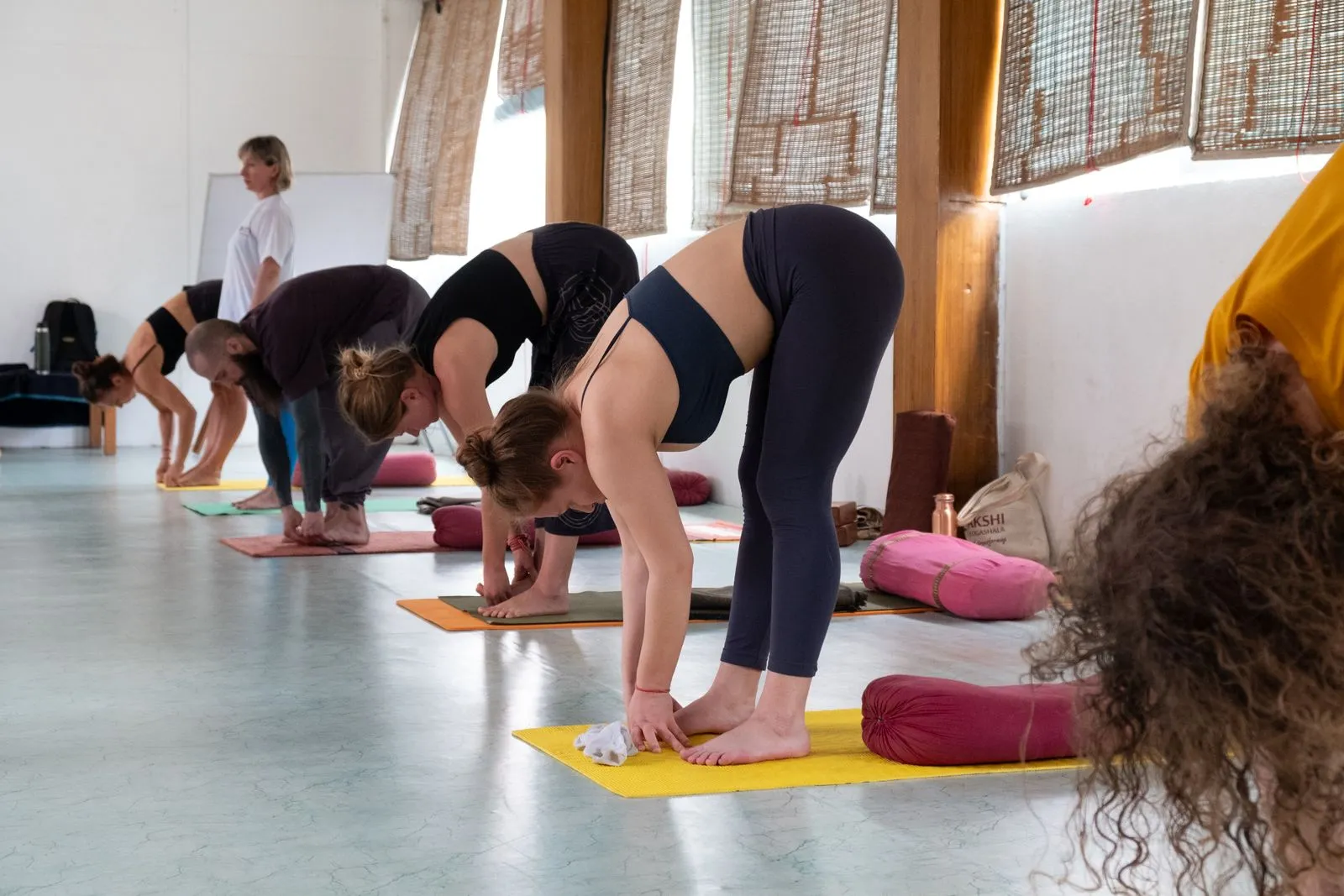
This is the largest component of your training. You will spend significant time practicing and dissecting asanas (postures), pranayama (breathing techniques), and meditation. The focus is on learning proper alignment, modifications for different bodies, and contraindications for common injuries. You’ll practice teaching and experience various styles, such as Hatha and Vinyasa, to build a solid personal practice and a reference point for your classes.
Teaching Methodology
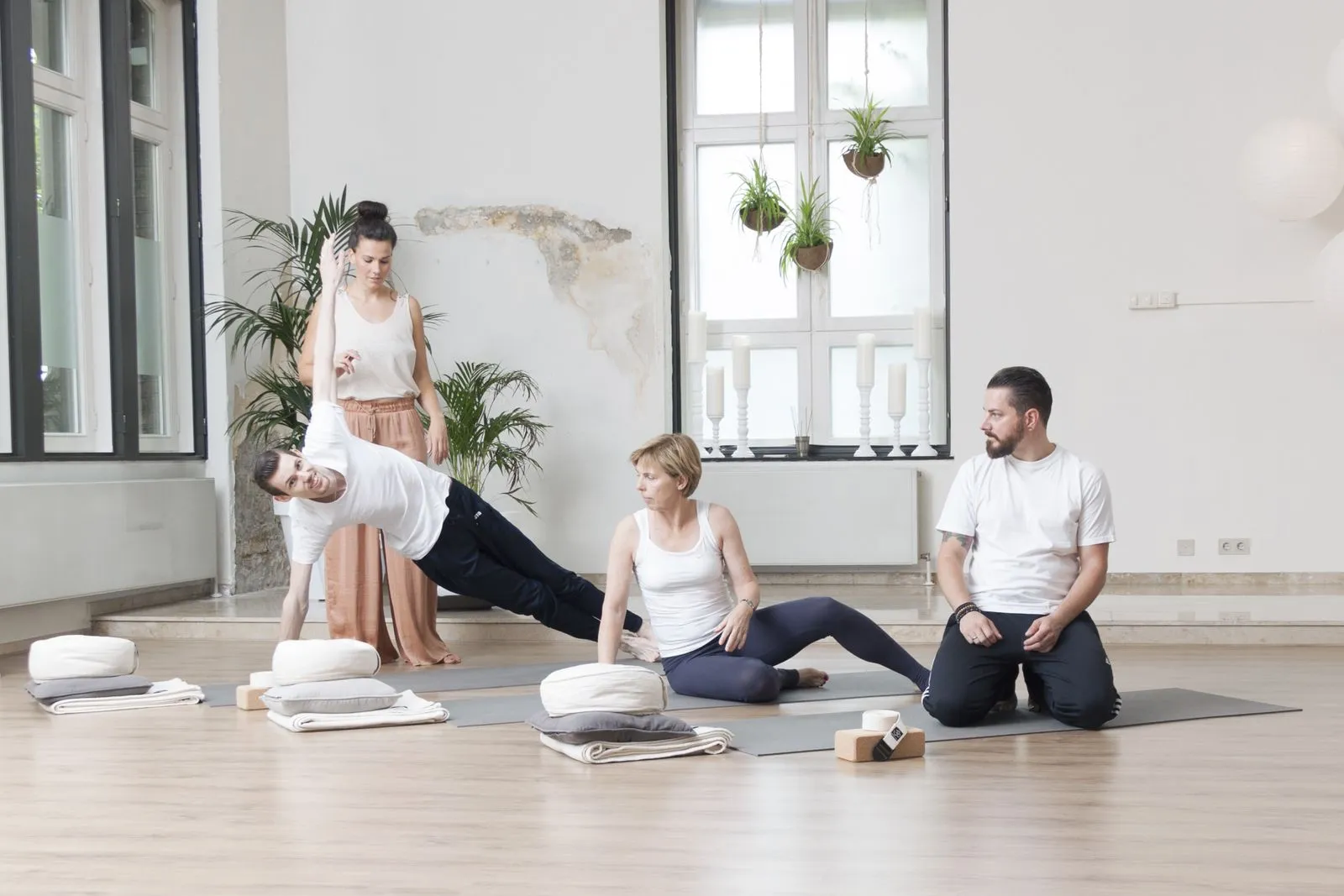
This segment covers the art and science of teaching yoga. You’ll learn the principles of demonstration, observation, and verbal cueing to effectively guide students. Topics include how to sequence a class for a specific purpose, classroom management, and developing your unique teaching voice. This part of the training is very hands-on, with plenty of opportunities to teach your fellow students.
Anatomy & Physiology
Understanding the human body is crucial for safe yoga instruction. This subject covers functional anatomy and key bodily systems to help you comprehend how yoga postures affect the body. You’ll study the biomechanics of movement, common injuries and how to prevent them, and the benefits of yoga for both physical and mental health. This knowledge helps you provide intelligent modifications and support.
Yoga Philosophy, Lifestyle & Ethics
Here, you’ll explore the rich history and theoretical foundations of yoga. This often includes the study of foundational texts like Patanjali’s Yoga Sutras and discussion of key concepts such as the Yamas and Niyamas (ethical guidelines for yogis). You’ll also discuss the responsibilities of a yoga teacher and how to apply yogic principles to modern daily life.
Who Should Enroll in a 200-Hour YTT?
A 200-hour yoga teacher training is designed for a diverse group of individuals, extending beyond just those who want to become professional yoga teachers. You might be a good fit if you fall into any of these categories:
- Aspiring Yoga Teachers: This is the fundamental qualification required to teach yoga professionally in most gyms, studios, and retreat centers worldwide.
- Dedicated Practitioners: Many enroll simply to deepen their personal practice. A YTT helps you understand the ‘why’ behind the ‘how’ of yoga, enriching your experience on the mat.
- Seekers of Personal Growth: The intensive schedule and deep self-reflection involved in a training often lead to significant personal development and a greater sense of mindfulness. Many find the benefits of yoga teacher training extend to all areas of their lives.
It’s a common misconception that you need to be an expert to participate. While a consistent personal practice is recommended, prior teaching experience is not required. The main prerequisites are a genuine interest in yoga, a desire to learn, and an openness to personal growth.
A Glimpse into Your Training Journey: What to Expect
The experience of a 200-hour yoga course can vary significantly depending on the format chosen, but it generally involves a concentrated period of yoga study and practice. Expect a demanding yet rewarding schedule that requires your full dedication.
Course Formats and Duration
Programs come in various formats to suit different lifestyles. Intensive, in-person trainings are often structured as three-to-four-week retreats, allowing you to step away from daily distractions. Extended programs might take place over several months, with classes held on weekends. Some part-time courses can last up to eight months, as noted by some graduates. Online courses offer the most flexibility, with self-paced study.
Typical Daily Schedule (for immersive trainings)
Days in a full-time training are long and structured. A typical day might start early with meditation and a two-hour asana practice. After breakfast, you’d move into lectures on philosophy or anatomy. The afternoon is often dedicated to teaching methodology workshops and practice sessions. The day might conclude with a gentler evening practice, group discussions, or time for self-study.
Assessments and Completion
To receive your certificate, you’ll need to demonstrate your understanding of the material. This typically includes practical and theoretical assessments. For example, at YMB Yoga School, students take two theory exams and one practical teaching exam. Active participation in all sessions and completion of all coursework are also required.
From Student to Teacher: Understanding RYT 200 Certification
Upon successful completion of a 200-hour yoga teacher training from a Yoga Alliance Registered Yoga School (RYS 200), you will receive a certificate of completion. This certificate is your official proof from the school, indicating you have met their training requirements and are qualified to teach yoga.
With this school certificate, you can then apply to register as a Registered Yoga Teacher (RYT 200) with Yoga Alliance. The RYT 200 designation is an internationally recognized credential within the yoga community, signifying that your training meets a commonly accepted standard. It’s important to understand that registration with Yoga Alliance is a separate, optional step that requires a membership fee paid directly to them. Holding an RYT 200 credential can enhance your credibility and open doors to teaching opportunities in studios and wellness centers that require it.
How to Choose the Best 200-Hour Yoga Course for You?
Choosing the right 200-hour yoga course is a significant decision that will shape your foundational understanding and future in yoga, so consider several key factors.
- Location and Format: Determine if an in-person retreat, a local part-time program, or a flexible online course best suits your lifestyle and learning preferences.
- Yoga Style and Philosophy: Research the primary yoga style taught (e.g., Hatha, Vinyasa, Ashtanga) and ensure it resonates with you. Explore the school’s overall philosophy to see if it aligns with your values.
- Teachers and Experience: Look into the lead instructors’ backgrounds, qualifications, and teaching approach. Experienced and diverse faculty can significantly enrich your learning experience.
- Depth of Curriculum: While Yoga Alliance sets minimum standards, schools often have unique specializations. Review curriculum details to ensure it covers topics you’re passionate about, such as a specific philosophical lineage or therapeutic approach.
- Cost and Inclusions: Understand the full cost, including tuition, accommodation, meals, and course materials. Compare what’s included in the price to evaluate overall value.
- Reviews and Reputation: Read testimonials from past students to gain insight into their experiences and the school’s environment.
- Accreditation: Confirm the school is a Registered Yoga School (RYS 200) with Yoga Alliance if you plan to register as an RYT 200 after graduation.
| Feature | Immersive In-Person Course | Flexible Online Course |
|---|---|---|
| Pace | Intensive (e.g., 3-4 weeks) | Self-paced or over several months |
| Community | Strong group bonding with fellow students and teachers | Connection through forums and scheduled live calls |
| Environment | Dedicated space away from daily distractions | Learn from the comfort of your own home |
| Feedback | Immediate, hands-on adjustments and personalized feedback | Feedback via video submission and live sessions |
| Cost | Generally higher; may include travel, room, and board | Often more affordable; no travel or accommodation costs |
Ready to Train in Bali?
YMB Yoga School in Klungkung has monthly intakes for its Yoga Alliance-certified courses: the all-inclusive 200-hour training from $1,450 (23 days) and the 300-hour from $2,400 (28 days). A $380 deposit secures your spot.
For the opportunity to learn in a dedicated environment, consider training in a location renowned for yoga, such as Bali. For instance, YMB Yoga School’s 200-hour program in Klungkung brings together experienced Indian and Balinese teachers in a supportive setting.
Frequently Asked Questions
How long does a 200-hour yoga course take to complete?
The duration depends entirely on the format. Intensive, in-person courses typically run for 3 to 4 weeks. Part-time courses, often held on weekends or evenings, can span from 2 to 8 months. Self-paced online programs offer the most flexibility, allowing you to complete the hours on your own schedule within a set timeframe.
Do I need to be able to do advanced yoga poses to enroll in a 200-hour YTT?
No, you do not need to be able to perform advanced yoga poses. A consistent practice of around 6 months to a year is recommended so you are familiar with foundational poses and yoga class structure. The training is focused on learning to teach safely and effectively, not on achieving physical perfection in complex asanas.
What is the difference between RYS 200 and RYT 200?
RYS 200 stands for Registered Yoga School (200-hour level). This designation is held by the school itself, indicating that its 200-hour program meets Yoga Alliance’s standards. RYT 200 stands for Registered Yoga Teacher (200-hour level). This is the credential an individual can apply for with Yoga Alliance after graduating from an RYS 200 program. In short, RYS is for schools, and RYT is for teachers.
Can I teach yoga immediately after completing a 200-hour course?
Yes, upon receiving your certificate from a Registered Yoga School, you are qualified to begin teaching yoga. Many graduates then choose to register as an RYT 200 with Yoga Alliance to enhance their professional credibility. Your 200-hour course provides the foundation, and your skills will continue to develop with personal practice and teaching experience.