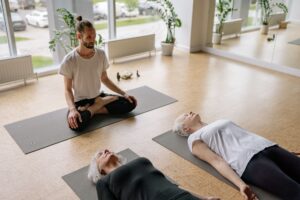
Written by the teaching team at YMB Yoga School in Klungkung, Bali.
A 200-hour yoga teacher certification is the foundational level of professional yoga training, typically registered with Yoga Alliance, that equips you with the knowledge and skills to teach yoga safely and effectively. It covers essential topics like anatomy, philosophy, asana techniques, and teaching methodology, serving as the gateway to becoming a Registered Yoga Teacher (RYT-200). This guide explains what the training involves, how to choose a program, and what you can do with your certification.
What is a 200-Hour Yoga Teacher Certification?
A 200-hour yoga teacher certification signifies the completion of a foundational training program designed to prepare individuals to teach yoga. This 200-hour standard is widely recognized in the yoga community as the entry-level qualification for aspiring instructors. While many people undertake this training to begin a teaching career, others do it simply to develop a much deeper personal practice and understanding of yoga.
The program is structured to provide a comprehensive education in yoga principles, physical practice, and teaching methods. Upon completing a training with a Registered Yoga School (RYS 200), you become eligible to apply for the Registered Yoga Teacher (RYT-200) credential with Yoga Alliance. Many studios and insurance companies see this as the baseline credential for hiring, as noted by Yoga Alliance, giving you credibility in the professional yoga world.
The Core Curriculum: What You’ll Learn in a 200-Hour YTT
A 200-hour yoga teacher training curriculum is designed to provide a well-rounded education across key aspects of yoga, preparing students for both teaching and deeper personal exploration. Most programs registered with Yoga Alliance follow a structure that allocates a specific number of hours to core educational categories.
Techniques, Training, and Practice (TPP)
This is the heart of the physical practice. You will spend significant time practicing and analyzing asanas (postures), pranayama (breathing techniques), and meditation. This module is where you learn correct alignment, how to offer modifications for different bodies, understand contraindications, and practice giving safe, effective hands-on adjustments.
Anatomy and Physiology
A solid understanding of the human body is essential for teaching yoga safely. This section covers the body’s systems, major joints, and the function of key muscles in relation to yoga postures. It goes beyond the purely physical to also include studies of subtle energy anatomy, such as the chakras and nadis.
Yoga Philosophy, Lifestyle, and Ethics
Here, you explore the historical and philosophical roots of yoga. This includes studying key texts like the Yoga Sutras of Patanjali and understanding core concepts like the Yamas and Niyamas (ethical principles). This part of the training helps you build a strong ethical foundation for teaching and integrate yogic lifestyle principles into your own life.
Teaching Methodology
This practical component focuses on the art of teaching. You will learn how to sequence a class logically and creatively, use your voice effectively, manage a classroom, and provide constructive feedback. It covers skills like demonstration, observation, and adapting your teaching to different learning styles. You will also touch upon the business aspects of being a yoga teacher.
Why Get Certified? Benefits Beyond Teaching
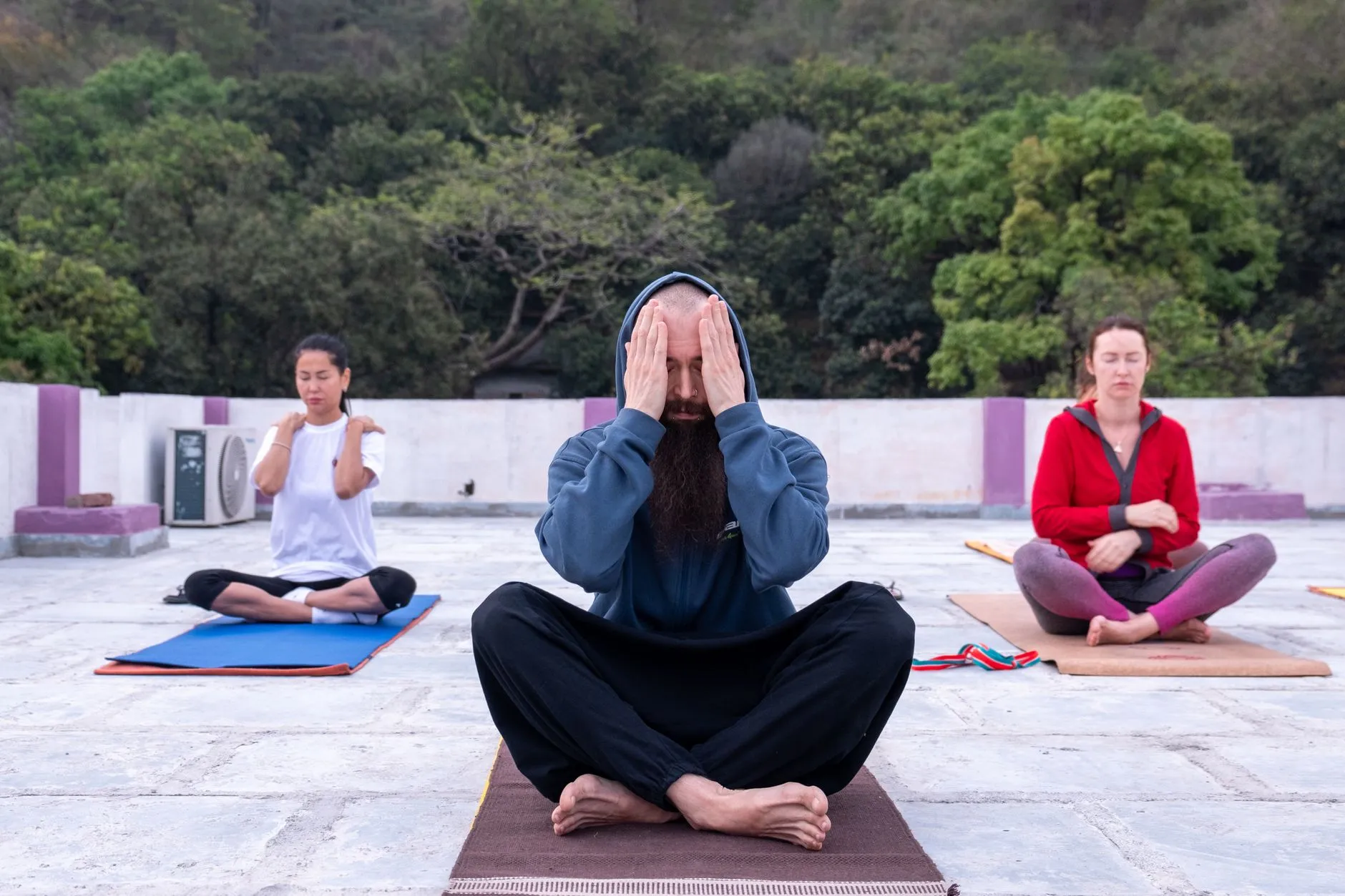
While a primary goal of a 200-hour yoga teacher certification is to enable teaching, the benefits beyond teaching extend significantly into personal growth, a deeper understanding of oneself, and an enriched personal practice.
- Deepened Personal Practice: Dedicated time with expert guidance allows you to refine your own yoga practice, understanding nuances of postures and breath that weekly classes may not cover.
- Structured Self-Discovery: The study of philosophy and ethics often leads to valuable self-reflection, greater awareness, and a stronger connection to principles that can positively influence your daily life.
- Community and Connection: Training alongside like-minded people in a supportive setting fosters a strong sense of community and can lead to lasting friendships.
- Enhanced Well-being: The combination of disciplined practice, philosophical study, and a focus on mindfulness can contribute to improved physical health, mental clarity, and emotional balance.
- Credibility and Confidence: Even if you don’t plan to teach right away, the certification provides a recognized credential and builds great confidence in your yoga knowledge, preparing you for future opportunities.
Understanding Yoga Alliance and RYT-200 Credential
Yoga Alliance is a widely recognized non-profit organization that establishes standards for yoga teacher training programs and registers yoga teachers and schools, providing a benchmark for quality in the industry. It’s important to understand the terminology and what registration means for you.
RYS vs. RYT: Clearing the Confusion
A Registered Yoga School (RYS) is a school whose training program meets Yoga Alliance’s standards (e.g., an RYS 200 for a 200-hour program). A Registered Yoga Teacher (RYT) is an individual who has completed a training with an RYS and then personally registered with Yoga Alliance. Graduating from an RYS 200 program makes you eligible to apply for the RYT-200 credential.
Is Yoga Alliance Registration Required?
Legally, you are not required to be registered with Yoga Alliance to teach yoga in most places. However, as one industry expert notes, the places that hire yoga teachers and the companies that insure them set the practical standard. Many studios, gyms, and insurance providers prefer or require instructors to hold an RYT-200 credential. It acts as a signal of quality assurance, showing that your education has met a recognized set of curriculum standards. Think of your certificate from the school as your diploma; registering with Yoga Alliance is the professional designation that gets you in the door.
Navigating Changes: Yoga Alliance in 2027
Yoga Alliance periodically reviews and updates its standards to maintain the quality and relevance of its credentials. While specific changes for 2027 are subject to official announcements, these updates historically aim to enhance training quality and reflect the evolving practice of yoga. It is always a good idea for aspiring teachers to stay informed by checking Yoga Alliance’s official channels for the most current information.
Choosing Your Path: In-Person vs. Online 200-Hour YTT
The decision between an in-person and an online 200-hour yoga teacher training program is significant, as each offers distinct advantages and caters to different learning styles and life circumstances. Choosing the right format depends on your personal learning preferences, schedule, and desired level of direct interaction. For those seeking a focused and dedicated environment, an in-person program like the one where YMB Yoga School offers a Yoga Alliance-registered 200-hour program in Bali can provide a unique setting for learning.
| Feature | In-Person (Residential/Local) | Online (Self-Paced/Live) |
|---|---|---|
| Interaction & Community | High: Direct mentorship, immediate feedback, strong peer bonds, shared group experience. | Varied: Can be limited to forums, virtual calls, or self-study; community building requires more intentional effort. |
| Structure & Pace | Fixed schedule, intensive, often residential; requires full commitment during the training period. | Flexible, self-paced, often modular; allows integration with existing commitments. Live online cohorts offer more structure. |
| Environment | Dedicated space, often in inspiring locations (e.g., Bali); minimal distractions, cultural opportunities. | Home-based, requires self-discipline to create a conducive study environment; potential for distractions. |
| Hands-on Learning | Extensive practical teaching experience, direct physical adjustments, real-time observation. | Relies on video analysis, self-recording, and virtual feedback; less direct physical guidance. |
| Cost | Typically higher due to accommodation, meals, travel; can range from $1,500 to $5,000+. | Generally lower, no travel or living expenses; can range from a few hundred to a few thousand dollars. |
| Suitability | Ideal for those seeking deep focus, direct guidance, and a break from daily routine. | Ideal for those needing flexibility, geographical freedom, or with budget constraints. |
Ready to Train in Bali?
YMB Yoga School in Klungkung runs monthly intakes for its Yoga Alliance-certified courses: the all-inclusive 200-hour training from $1,450 (23 days) and the 300-hour from $2,400 (28 days). A $380 deposit secures your spot.
Key Considerations for Choosing a 200-Hour Program
Selecting the right yoga teacher training involves more than just picking a date; it requires careful consideration of several factors to ensure the program aligns with your goals and values.
Location and Setting
Do you prefer a local studio close to home, or a residential program in an international destination like Bali? A new setting can be a powerful part of the experience, removing you from daily life and allowing you to focus completely on your training.
Program Duration and Format
Intensive programs can be completed in just 3-4 weeks, whereas part-time formats might stretch over several months of weekends. There are also self-paced online options. Evaluate your own schedule, learning style, and commitments to find the best fit.
Cost and Inclusions
According to Yoga Alliance, tuition can range from $1,500 to over $5,000. It’s crucial to understand How Much Does Yoga Teacher Training Cost? by checking what is included (e.g., accommodation, meals, books) versus what is extra (e.g., flights, Yoga Alliance registration fees). Always ask about payment plans, early-bird discounts, and the school’s refund policy.
School Philosophy and Teaching Style
Research the school’s primary yoga style, such as Hatha, Vinyasa, or Ashtanga. Read reviews from past students and, if possible, speak with alumni or attend a class to get a feel for the school’s approach and make sure it resonates with you.
Faculty Expertise and Experience
Look into the backgrounds of the lead trainers. Experienced teachers (often holding an E-RYT or “Experienced Registered Yoga Teacher” credential) bring a depth of knowledge that can greatly enrich your learning experience.
Is a 200-Hour YTT Right for You? Prerequisites and Expectations
Generally, there are no strict prerequisites for enrolling in a 200-hour yoga teacher training, but a consistent personal yoga practice of at least six months to a year is highly recommended to ensure you can fully engage with the physical and theoretical demands.
Prior Yoga Experience
You do not need to be able to perform advanced postures. The training is focused on learning the principles of yoga and how to teach them, not on physical perfection. A familiarity with basic asanas and an open, curious mind are far more important.
Physical and Mental Preparation
Be prepared for a physically active schedule, often with multiple practices per day, alongside mentally engaging coursework. It’s helpful to arrive with an open mind, ready for self-reflection and personal growth.
Time Commitment and Lifestyle Adjustments
A training requires a significant time commitment. Intensive residential programs involve long days of practice and study, meaning you will need to step away from your regular life completely. Even weekend-based programs require you to dedicate that time fully to your training.
Life After Certification: Your Journey as a Yoga Teacher
Completing your 200-hour yoga teacher certification is a significant milestone, opening doors to teaching opportunities and continued personal and professional growth.
Registering with Yoga Alliance (RYT-200)
If you graduated from a Registered Yoga School (RYS 200), your first step is often to register with Yoga Alliance to gain the RYT-200 credential. This is done on the Yoga Alliance website and requires a separate annual fee paid directly to them.
Securing Insurance and Business Logistics
Before you teach your first class, obtaining liability insurance is essential for your protection. You’ll also want to look into local requirements for working as an independent contractor and create a simple yoga resume detailing your training and skills.
Gaining Teaching Experience
The best way to become a confident teacher is to teach. Start with friends and family, or offer free community classes to practice your skills. From there, you can approach local studios, gyms, or community centers for opportunities. Be patient with yourself as you find your voice.
Continuing Education and Specialization
Your 200-hour certificate is just the beginning. The path to becoming a knowledgeable teacher involves lifelong learning. You can deepen your skills through workshops, specialty certifications (like prenatal or restorative yoga), and eventually, advanced trainings (like a 300-hour YTT).
Frequently Asked Questions
How long does a 200-hour yoga teacher certification typically take?
The duration varies by format. Intensive, residential programs, like the 23-day training at YMB Yoga School, can be completed in about 3 to 4 weeks. Part-time programs held on weekends may take 3 to 6 months. Self-paced online courses offer the most flexibility, allowing you to finish over a period of months up to a year.
Can I get certified to teach yoga online?
Yes, you can get certified to teach yoga online. Many schools registered with Yoga Alliance now offer 200-hour programs that are conducted entirely online. These courses provide a flexible and often more budget-friendly alternative to in-person training but require a high degree of self-discipline to complete.
What is the average cost of a 200-hour yoga teacher certification?
The cost can vary widely. As stated by Yoga Alliance, tuition can be anywhere from $1,500 to over $5,000. Online trainings are often on the lower end of this spectrum. In-person, residential programs, such as those in Bali, can start from around $1,450 for an early-bird shared room package and go up from there, as they typically include accommodation and meals.
Do I need to be an advanced yoga practitioner to do a 200-hour YTT?
No, you do not need to be an advanced practitioner. A consistent practice of six months to a year is recommended so you are familiar with the foundations. The training is less about achieving difficult poses and more about understanding the principles of anatomy, philosophy, and safe teaching for all bodies.