Written by the teaching team at YMB Yoga School in Klungkung, Bali.
Pranayama refers to yogic breathing techniques that control the life force, or prana, within the body. By learning to guide your breath, you can directly influence your mental, physical, and emotional state. Seven essential types of pranayama for beginners include: Diaphragmatic Breathing, Three-Part Breath (Dirgha Pranayama), Equal Breath (Sama Vritti), Victorious Breath (Ujjayi Pranayama), Alternate Nostril Breathing (Nadi Shodhana), Humming Bee Breath (Bhramari), and Extended Exhale Breath. This guide will walk you through each of these foundational practices.
What is Pranayama? The Science and Philosophy of Yogic Breath
Pranayama, derived from Sanskrit words ‘Prana’ (life force) and ‘Ayama’ (to extend or draw out), is the ancient yogic practice of controlling the breath to regulate the flow of vital energy within the body. It is the fourth limb of Patanjali’s Ashtanga Yoga, following ‘Asana’ (physical postures), emphasizing its role as a bridge between the physical and meditative aspects of yoga. In Yoga Sutra 2.49, Patanjali defines Pranayama as the regulation or interruption of the natural movements of inhalation and exhalation after a stable posture has been established.
This practice is more than just a set of breathing exercises; it is the conscious manipulation of ‘prana’ to influence our physical, mental, and emotional states. The average person takes around 20,000 breaths a day, and nearly all of them go unnoticed. Pranayama brings awareness to this automatic process, turning it into a tool for self-regulation. The practice aims to purify the ‘nadis’ (subtle energy channels) throughout the body, preparing the mind for deeper states of concentration and meditation.
Why Practice Pranayama? Understanding the Profound Benefits
Regular pranayama practice offers a multitude of benefits, from calming the nervous system and reducing stress to enhancing mental clarity and improving respiratory health. By consciously changing the rhythm and depth of your breath, you can send direct signals to your brain, influencing your overall state of being.
- Stress Reduction & Anxiety Relief: Conscious, slow breathing activates the parasympathetic nervous system, the body’s “rest and digest” mode. This helps lower heart rate, reduce blood pressure, and decrease levels of the stress hormone cortisol. It’s a key component of Meditation and Stress Reduction Techniques to Naturally Reduce Stress and Anxiety.
- Improved Focus & Concentration: By steadying the breath, you can quiet the constant chatter of the mind. This leads to a less agitated mental state, making it easier to maintain focus and extend your attention span.
- Increased Energy Levels: Efficient breathing patterns improve oxygen uptake and the release of carbon dioxide, revitalizing the body’s cells. Certain pranayama techniques can be energizing, providing a natural boost without the need for stimulants.
- Enhanced Respiratory Health: Pranayama strengthens the diaphragm and intercostal muscles, increasing lung capacity and efficiency. This can support overall respiratory health.
- Emotional Regulation: The breath is a powerful anchor to the present moment. When you feel overwhelmed by an emotion, returning to a steady breathing pattern can provide the space needed to respond thoughtfully rather than reactively, fostering a sense of inner peace.
- Better Sleep Quality: Calming breathing techniques practiced before bedtime can help quiet a racing mind, release physical tension, and signal to your body that it’s time to rest, leading to deeper and more restorative sleep.
Preparing for Your Pranayama Practice
Proper preparation is key to a successful and safe pranayama practice, ensuring comfort and minimizing distractions. Setting up your space and body correctly allows you to fully receive the benefits of the techniques.
Finding Your Seat: Position and Comfort
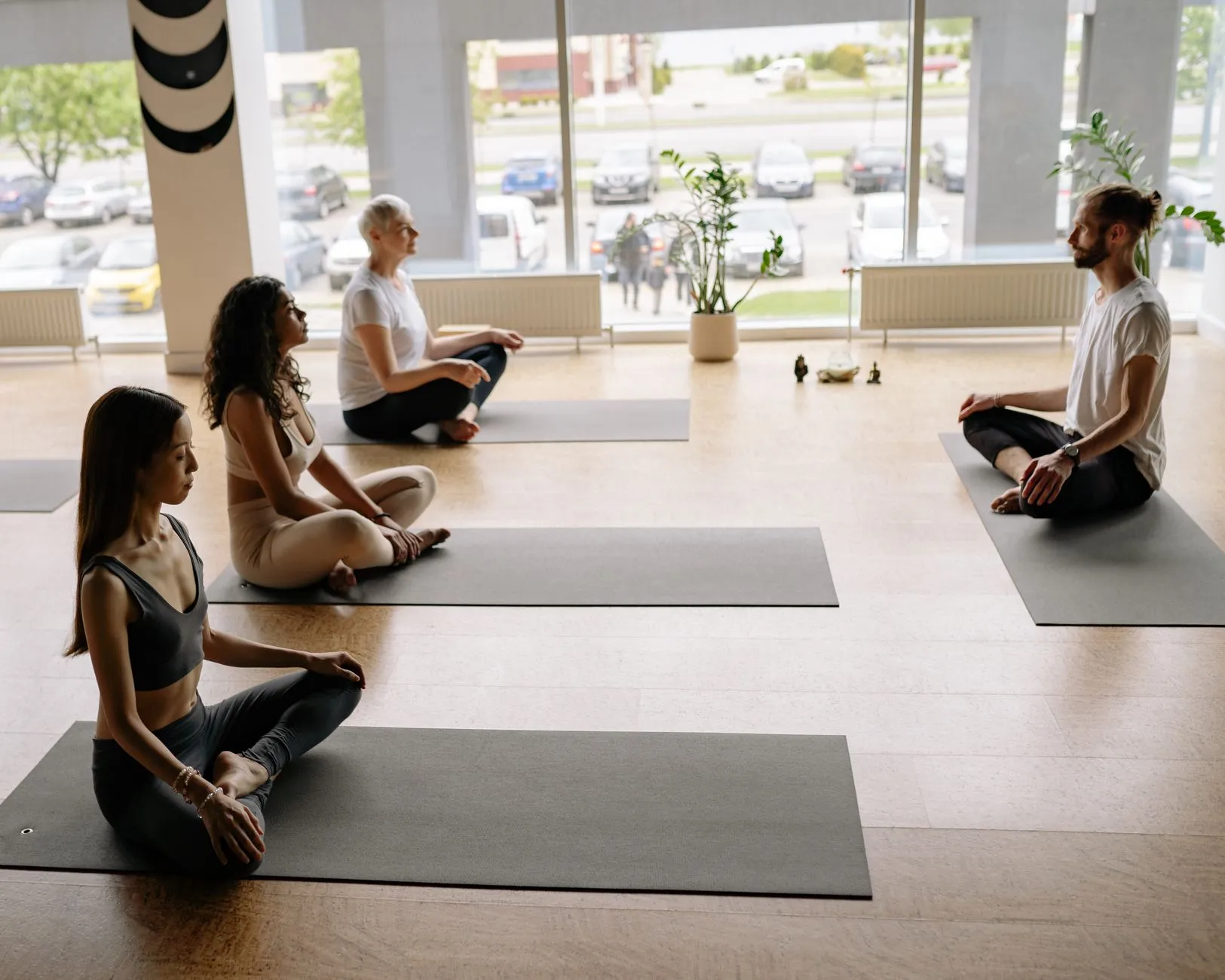
Choose a comfortable, stable seated position where you can maintain an upright spine without strain. Common options include Sukhasana (easy pose on the floor), Padmasana (lotus pose if it’s accessible without knee pain), or simply sitting on a chair with your feet flat on the ground and your back straight. Using a cushion or folded blanket to elevate your hips can help your spine align naturally. Allow your shoulders to relax down and away from your ears, and rest your hands comfortably on your knees or in your lap.
Optimal Timing and Environment
The ideal time to practice pranayama is early in the morning on an empty stomach when the mind is clear and the air is fresh. If morning is not possible, aim for a time at least two to three hours after a meal. Find a quiet, clean, and well-ventilated space where you are unlikely to be interrupted. A dedicated space, even if it’s just a small corner of a room, can help signal to your mind that it’s time to practice.
Essential Safety Guidelines
Your breath is a sensitive tool, so it’s important to approach pranayama with awareness and respect for your body’s limits. Always listen to your body. Start slowly with shorter durations and simpler techniques. Never force the breath or push to the point of gasping or strain. If you experience dizziness, lightheadedness, or significant discomfort, gently release the technique and return to your natural breath. If you have underlying health conditions, especially respiratory or cardiac issues, it’s wise to consult a doctor before beginning a pranayama practice.
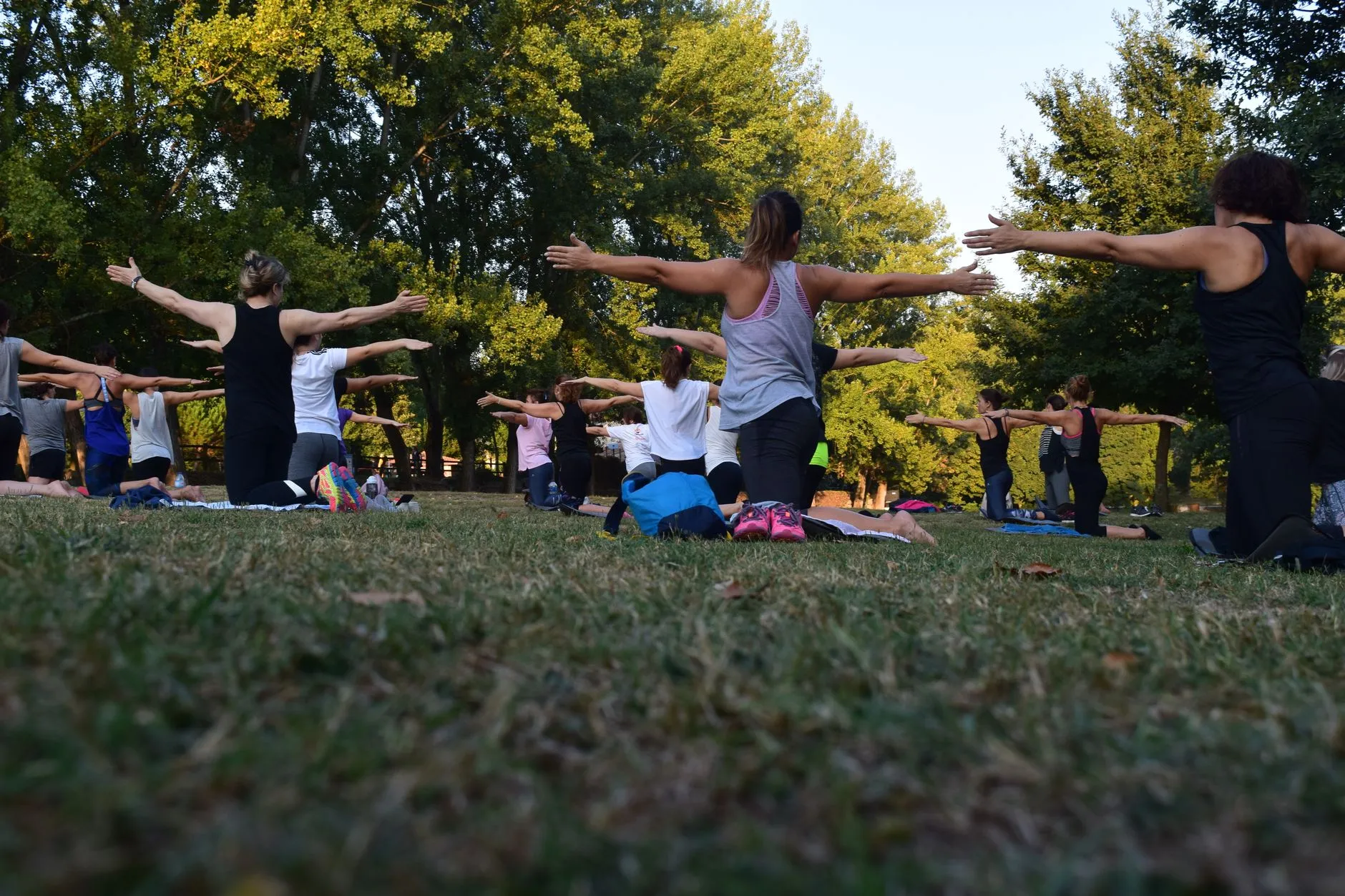
7 Essential Pranayama Techniques for Beginners
Here are seven foundational pranayama techniques that are excellent starting points for anyone looking to explore the power of yogic breathing. Each offers unique benefits and can be used to cultivate different states of mind and body.
| Pranayama Type | Primary Benefit | Key Instruction |
|---|---|---|
| Diaphragmatic Breathing | Calming, Grounding | Breathe into the belly, watch it rise and fall. |
| Dirgha Pranayama | Full Lung Capacity | Fill belly, then ribs, then chest on inhale. |
| Sama Vritti | Balancing, Focusing | Inhale and exhale for equal counts (e.g., 4-4). |
| Ujjayi Pranayama | Warming, Concentration | Gentle throat constriction, ‘ocean sound’. |
| Nadi Shodhana | Harmonizing, Calming | Alternate nostril breathing using thumb and ring finger. |
| Bhramari Pranayama | Soothing, Anxiety Relief | Humming sound on exhale, fingers over ears. |
| Extended Exhale Breath | Relaxing, Vagal Tone | Exhale longer than inhale (e.g., 4 in, 6 out). |
Ready to Train in Bali?
YMB Yoga School in Klungkung runs monthly intakes for its Yoga Alliance-certified courses: the all-inclusive 200-hour training from $1,450 (23 days) and the 300-hour from $2,400 (28 days). A $380 deposit secures your spot.
1. Diaphragmatic Breathing (Belly Breath)
- How to Practice: Lie down or sit comfortably. Place one hand on your chest and the other on your belly, just below your navel. Inhale slowly and deeply through your nose, directing the breath into your abdomen so that your belly hand rises. Your chest hand should remain relatively still. Exhale slowly through your nose, feeling your belly gently fall back toward your spine. Focus on the sensation of your diaphragm contracting and releasing. Repeat for 5-10 rounds.
- Benefits: This is the most natural and efficient way to breathe. It is deeply calming, reduces stress, improves oxygen delivery to the bloodstream, and strengthens the diaphragm muscle.
- Common Mistake: Forcing the belly out with abdominal muscles instead of letting it expand with the incoming breath. The Cue: Imagine a small balloon in your belly. As you inhale, the balloon gently inflates. As you exhale, it gently deflates.
2. Dirgha Pranayama (Three-Part Breath)
- How to Practice: Sit or lie down. Begin by exhaling completely. Inhale slowly and smoothly through the nose, first filling your belly (diaphragmatic breath), then allowing the breath to expand into your rib cage, and finally letting the breath fill the very top of your chest. The breath should be one continuous, fluid wave. Exhale in the reverse order: let the breath release from your chest, then your ribs, and finally your belly, gently drawing your navel toward your spine. Repeat for 5-10 rounds.
- Benefits: Promotes full lung capacity, releases tension in the torso, calms the nervous system, and brings a strong sense of body-breath awareness.
- Common Mistake: Taking three separate, jerky breaths instead of one smooth, connected inhalation. The Cue: Visualize water filling a glass from the bottom to the top. The inhale is just like that—a single, continuous pour.
3. Sama Vritti (Equal Breath)
- How to Practice: Find your comfortable seat. Begin to inhale through your nose for a steady count of four. Then, without pausing, exhale slowly through your nose for the same count of four. The goal is to make the inhalation and exhalation equal in length and quality. Maintain a smooth, steady rhythm. As you become more comfortable, you can gradually increase the count to five, six, or more, as long as it remains effortless. Repeat for 10-15 rounds.
- Benefits: This practice balances the nervous system, enhances concentration, and creates a feeling of equilibrium and calm. It’s an excellent tool for quieting a busy mind.
- Common Mistake: Rushing the count or holding the breath at the top of the inhale or bottom of the exhale. The Cue: Keep the breath flowing like a gentle, circular wave that never fully stops.
4. Ujjayi Pranayama (Victorious Breath / Ocean Breath)
- How to Practice: Sit comfortably. Create a gentle constriction at the back of your throat, similar to the feeling you have when you’re fogging up a mirror, but keep your mouth closed. Inhale and exhale through your nose, allowing the breath to pass over this slight constriction. This will create a soft, whispery sound, like the distant sound of ocean waves. The sound should be audible to you, but not loud or strained. Keep the breath smooth and even. Practice for 3–5 minutes.
- Benefits: Generates internal heat, focuses the mind by providing an auditory anchor, soothes the nervous system, and is a foundational breath for synchronizing movement in a vinyasa yoga practice.
- Common Mistake: Constricting the throat too much, which creates a harsh, grating sound and can cause strain in the neck.
The Cue: Imagine you are whispering the sound “haaa” on the exhale, then try to create that same feeling with your mouth closed on both the inhale and exhale. It should feel soft and warm.
5. Nadi Shodhana (Alternate Nostril Breathing)
- How to Practice: Sit comfortably with a straight spine. Rest your left hand on your left knee. Bring your right hand to your face and fold your index and middle fingers toward your palm (Vishnu Mudra). Use your right thumb to gently close your right nostril. Inhale slowly and quietly through your left nostril. At the top of the inhale, close your left nostril with your ring finger, release your thumb from the right nostril, and exhale slowly through the right side. Now, inhale through the right nostril. At the top, close the right nostril with your thumb, release your ring finger, and exhale through the left. This completes one full round. Repeat for 5–10 rounds.
- Benefits: This practice is deeply harmonizing. It is said to balance the left (ida) and right (pingala) energy channels, which correspond to the logical and creative hemispheres of the brain. It purifies these channels, reduces stress, and calms the mind, preparing it for meditation.
- Common Mistake: Pressing the nostril closed too hard, making a loud noise, or moving the head from side to side.
The Cue: Keep the hand and fingers light. The breath should be so quiet that if you held a feather under your nose, it would barely move.
6. Bhramari Pranayama (Humming Bee Breath)
- How to Practice: Sit comfortably. Close your eyes. Gently place your index fingers on the tragus, the small piece of cartilage in front of your ear canal, to lightly close your ears. Take a deep, smooth inhalation through your nose. As you exhale, keep your mouth closed and make a steady, low-pitched humming sound from the back of your throat, like the sound of a bee. Feel the vibration resonate throughout your head, face, and chest. Continue the hum for the entire length of your exhalation. Repeat for 5-7 rounds.
- Benefits: The vibrations have an instantly soothing effect on the nervous system. This technique is extremely calming, reduces feelings of anger and anxiety, and helps to draw the awareness inward, improving concentration.
- Common Mistake: Making the humming sound too loud, forcing it from the throat, or tensing the jaw. The Cue: Allow the sound to be gentle and resonant. Focus more on feeling the vibration inside your skull than on the volume of the sound you are producing.
7. Extended Exhale Breath
- How to Practice: Sit comfortably. Begin by observing your natural breath. Then, start to add a count. Inhale naturally through your nose for a count of four. Then, exhale slowly and deliberately through your nose for a longer count, such as six or eight. The key is to make the exhalation noticeably longer than the inhalation, but without any strain. The exhale should be smooth, controlled, and complete. Repeat for 10-15 rounds.
- Benefits: This is one of the most effective techniques for activating the parasympathetic nervous system (the relaxation response). A longer exhale signals safety to the brain, slows the heart rate, and is excellent for reducing acute stress and preparing the body for sleep.
- Common Mistake: Forcing all the air out at the end of the exhale and feeling a desperate need to gasp for the next inhale. The Cue: Start with a smaller ratio (e.g., inhale for 4, exhale for 5) and gradually increase the length of the exhale as your lung capacity and control improve.
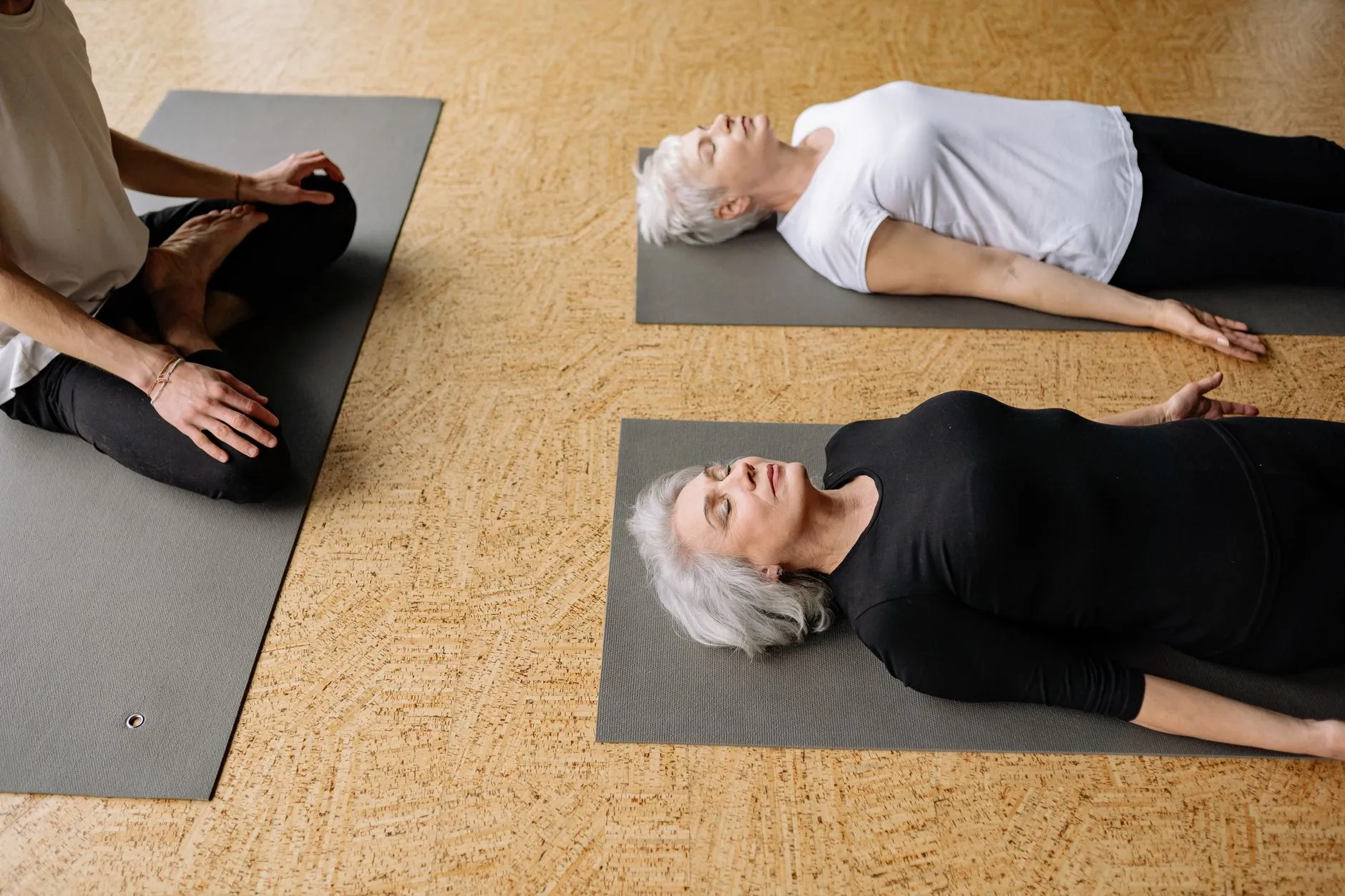
Integrating Pranayama into Your Daily Life
Consistency is key when integrating pranayama into your daily routine; even short practices can yield significant benefits over time. Making it a habit is more impactful than sporadic, long sessions.
A Simple 10-Minute Daily Routine
You can combine several of these techniques into a short, effective daily practice. Practising for approximately 10 minutes each day can help establish a sustainable habit. Here is a simple sequence to get started:
- Minutes 1-2: Settle into your seat. Begin with Diaphragmatic Breathing, placing your hands on your belly to connect with the movement.
- Minutes 3-5: Transition into Dirgha Pranayama. Focus on the smooth, three-part wave of breath filling your entire torso.
- Minutes 6-8: Practice Sama Vritti, using a comfortable 1:1 ratio like a 4-count inhale and 4-count exhale to balance your system.
- Minutes 9-10: Conclude with Extended Exhale Breath (e.g., 4-count inhale, 6-count exhale) to deepen the sense of calm.
Common Beginner Mistakes and How to Avoid Them
- Forcing the Breath: Remember, pranayama means ‘extension of life force’, not ‘forceful breathing’. The breath should always feel smooth. If you are straining, shorten the counts or simplify the technique.
- Holding Tension: Periodically check in with your body. Are your shoulders creeping up to your ears? Is your jaw clenched? Are you furrowing your brow? Consciously relax any tension you find.
- Inconsistency: Five minutes of mindful breathing every day is far more effective than one 30-minute session per week. Link your practice to an existing habit, like before your morning coffee or after you brush your teeth, to help it stick. Use these Breathwork Techniques to Enhance Your Yoga Practice not just on the mat, but in small moments throughout your day.
When to Seek Guidance from a Teacher
While this guide provides a solid foundation, a qualified teacher can offer personalized feedback, correct subtle misalignments in your technique, and safely introduce you to more advanced practices. This is particularly important for techniques that involve breath retention (kumbhaka) or rapid breathing (like Kapalabhati), which are not recommended for beginners to learn from a book or article.
If you’re looking to deepen your understanding and practice of pranayama, especially with a view to teaching it safely and effectively, consider an in-depth program. Our 200-hour Yoga Teacher Training at YMB Yoga School in Klungkung, Bali, covers these foundational pranayama techniques comprehensively, ensuring safe and effective learning under the guidance of our experienced Indian and Balinese teachers.
We hope this guide inspires you to explore the power of your own breath. At YMB Yoga School, we believe the breath is one of the most accessible and potent tools we have for cultivating balance, focus, and peace in our lives.
Frequently Asked Questions
What are the overall benefits of practicing pranayama regularly?
Regular pranayama practice can significantly reduce stress and anxiety by activating the body’s relaxation response. It enhances mental clarity, focus, and concentration, and on a physical level, it can increase lung capacity, improve respiratory function, and promote better oxygenation of the body, leading to greater vitality.
How do I start practicing pranayama if I’m a complete beginner?
Begin with the simplest techniques, such as Diaphragmatic (Belly) Breathing or Sama Vritti (Equal Breath), to build foundational breath awareness. Find a comfortable, quiet space where you won’t be disturbed, and start with short sessions of just 5-10 minutes daily. The primary focus should always be on maintaining a smooth, quiet, and effortless breath, never forcing or straining.
How long should I practice pranayama daily to see results?
Even 10 minutes of consistent daily practice can yield noticeable benefits in your mood, focus, and stress levels over time. Consistency is more important than duration. It is better to practice for 10 minutes every day than for an hour once a week. As you become more comfortable, you can gradually build up to 15-20 minutes.
Is pranayama safe for everyone, including beginners, and are there any contraindications?
Most basic pranayama techniques are safe for beginners when practiced gently and mindfully. The most important rule is to listen to your body; if you feel dizzy, uncomfortable, or short of breath, stop the technique and return to normal breathing. Individuals with severe respiratory conditions, uncontrolled high blood pressure, or heart conditions, or those who are pregnant, should consult a healthcare professional and a qualified yoga teacher before starting.