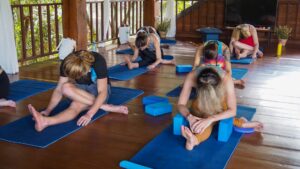
Introduction to Kids Yoga Teacher Training
Exploring how engaging in yoga can contribute to a child’s development reveals the deep connections between physical movement and growth in emotional and social skills. Yoga provides an opportunity for children to enhance their health while fostering key life skills, leading to a holistic approach to well-being.
Quick Answer
Kids yoga teacher training focuses on safe, age-appropriate practices that cultivate physical health, mindfulness, and emotional resilience in children. The training prepares instructors to engage kids effectively in yoga classes, ensuring a fun and safe learning environment. This specialized training allows teachers to tailor their approaches to meet the unique needs of children, enriching their educational experiences.
Importance of Yoga for Kids
The significance of yoga in children’s lives can be framed around several core benefits:
- Enhances Physical Health and Fitness: Regular yoga practice improves children’s flexibility, balance, and strength, which are essential for their physical development.
- Promotes Mental Wellness and Emotional Regulation: Yoga encourages children to manage stress and anxiety, leading to better mental health outcomes and emotional resilience.
- Fosters Social Skills Through Group Activities: Participating in yoga classes provides opportunities for children to interact, cooperate, and build friendships, essential for developing social bonds.
Overview of Teacher Training Programs
Kids yoga teacher training programs have distinct structures, typically encompassing:
- Duration of Training: The programs usually span from 200 to 500 hours, depending on the depth and comprehensiveness of the training.
- Theoretical and Practical Components: Training often includes both theoretical knowledge and practical application, allowing trainees to learn concepts and apply them in real-world scenarios.
- Focus on Child Development: A critical part of the curriculum emphasizes understanding child development and implementing age-appropriate practices, ensuring students can effectively meet the needs of their young learners.
These components collectively equip aspiring teachers with the necessary skills to provide enriching yoga experiences tailored for children.
Key Takeaways
Yoga teacher training for children offers numerous benefits that can significantly enhance their physical and mental well-being.
Highlights of Kids Yoga Teacher Training
- Enhancement of Health: Training programs focus on improving children’s physical and mental health. Regular participation in yoga can promote flexibility, strength, and relaxation, which contributes to overall wellness 6.
- Safety and Engagement: A primary commitment of instructors is to prioritize safety and engagement during classes. This ensures children can explore yoga in a safe environment while developing a lasting interest in the practice 21.
- Comprehensive Curriculum: The curriculum in these training programs includes principles of mindfulness and developmental psychology. Instructors learn how to tailor practices that cater to the unique needs of children, which fosters a supportive learning environment 10.
- Career Opportunities: Becoming a certified instructor opens various career paths, from teaching at schools to leading community classes. This qualification can lead to a fulfilling career that supports both personal passion and the health of young individuals 1.
Overall, investing in kids yoga teacher training is a valuable opportunity to make a meaningful impact in children’s lives.
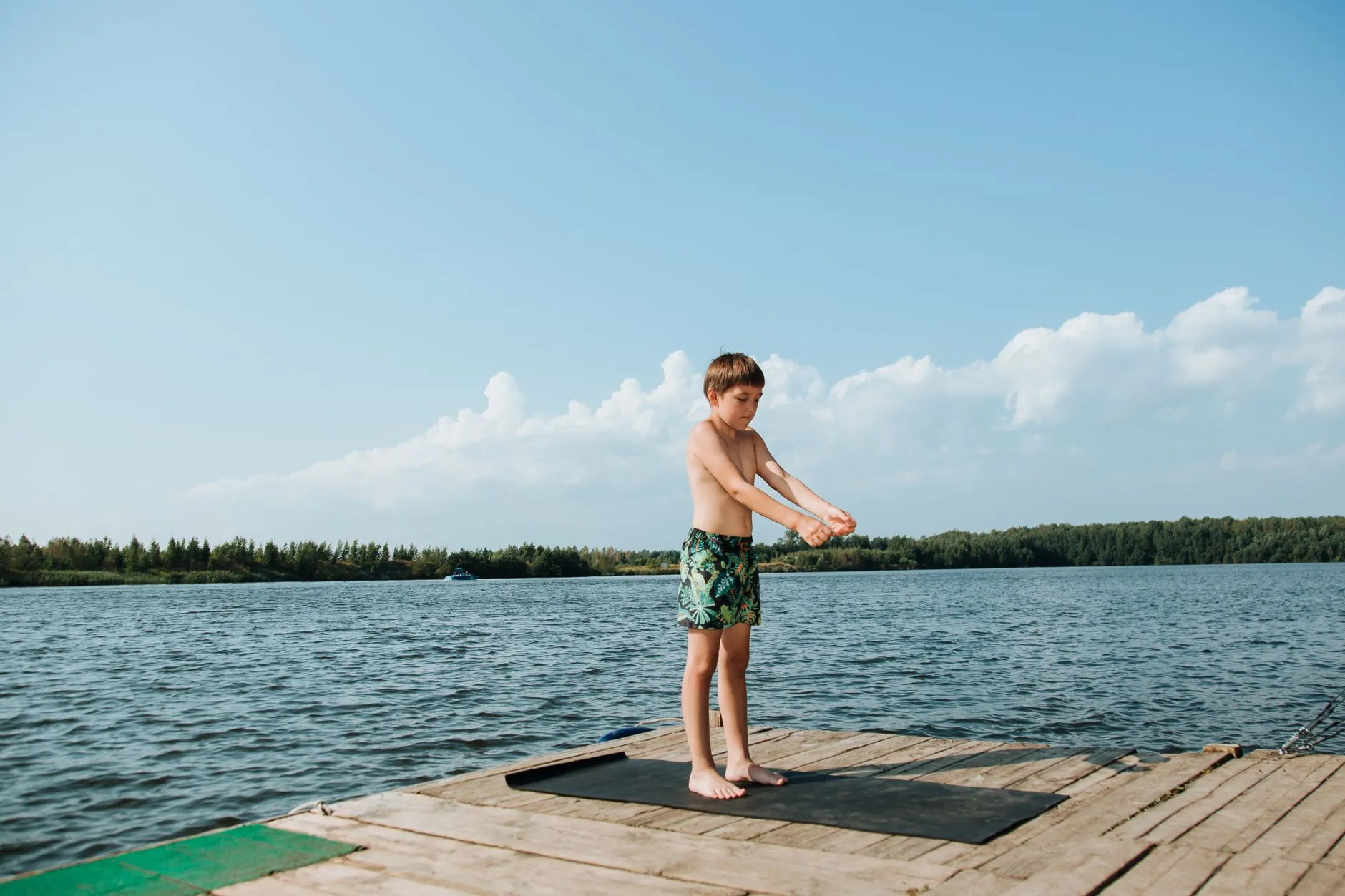
Benefits of Kids Yoga
Practicing yoga is not just an adult’s pursuit; it brings a myriad of benefits for children too. Engaging in yoga helps kids not only physically but also mentally and socially.
Physical Benefits
Kids yoga can significantly enhance physical health. Some of the primary physical benefits include:
- Improves flexibility and strength: Regular practice allows children to become more flexible, which can prevent injuries as they grow. Strength-building postures contribute to overall physical development.
- Supports healthy posture and physical development: Yoga encourages proper alignment in the body, which helps maintain good posture as children grow, reducing the risk of future back problems.
- Enhances coordination and balance: Through various poses and activities, kids can develop better coordination and balance, essential skills for physical activities and daily movement.
These advantages are vital for the holistic development of children, enabling them to engage more fully in both sports and everyday activities.
Mental and Emotional Benefits
Kids yoga is also instrumental in nurturing emotional health. Some key mental and emotional benefits include:
- Reduces stress and anxiety: The calming nature of yoga helps to lower stress levels in children, making it easier for them to cope with daily pressures.
- Enhances focus and concentration: Engaging in mindfulness and breathing exercises allows kids to improve their focus, translating to better concentration in school and other activities.
- Encourages emotional awareness and regulation: Yoga teaches kids how to recognize and manage their feelings, promoting emotional intelligence from a young age.
These skills are not only essential for their current wellbeing but also lay a foundational understanding of emotional health as they grow into adolescents and adults.
Social Benefits
Yoga fosters social skills and a sense of community among children. Some notable social benefits include:
- Fosters teamwork and cooperation during classes: Many yoga classes involve partner poses or group activities, promoting teamwork and collaboration among participants.
- Builds community and belonging among peers: Attending yoga class can create a warm environment where children feel connected to others, reducing feelings of isolation and encouraging friendships.
Through these social interactions, kids learn essential communication and interpersonal skills, crucial for their development in school and beyond.
In conclusion, the multifaceted benefits of yoga for kids extend well beyond physical fitness. With advantages that touch on emotional health and social skills, yoga proves to be a valuable activity for children’s holistic growth.
Curriculum and Content of Teacher Training
Key Components of Kids Yoga Curriculum
A well-structured kids yoga curriculum includes several essential elements that cater to the unique needs of children. This curriculum should feature:
- Asanas suitable for children: These poses must be simple, fun, and within the ability range of young practitioners. The focus should be on ease of movement and encouraging participation, with an emphasis on enjoyment rather than complex techniques 1.
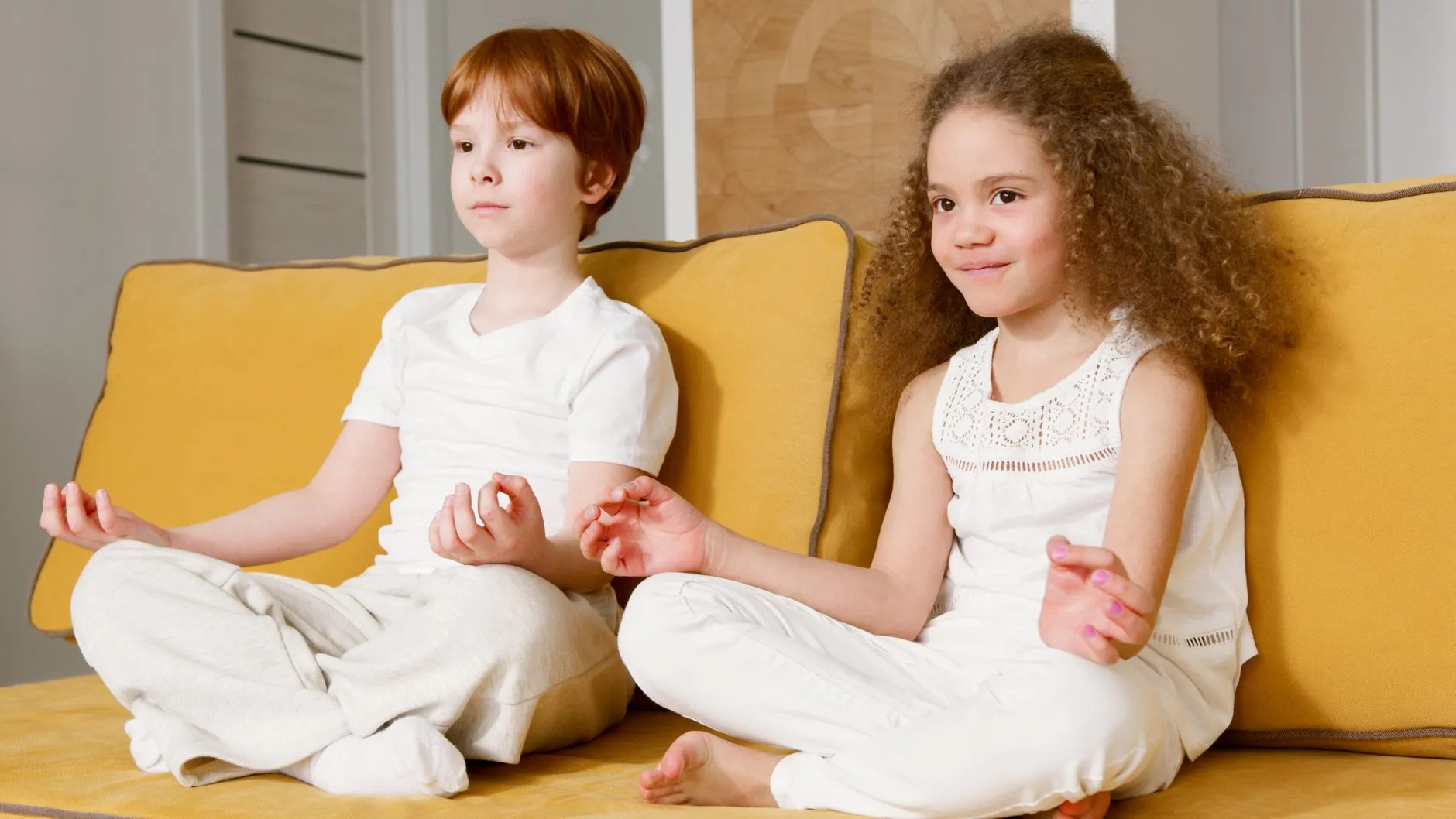
- Mindfulness and breathing exercises: Including mindfulness practices allows children to connect with their body and breath. Simple breathing techniques can help them manage emotions and improve focus during the class. Engaging children through interactive breathing exercises can enhance their understanding and retention 6.
- Creative teaching methods and engagement strategies: Utilizing storytelling, games, and themes can significantly enhance engagement. Fostering a playful atmosphere during classes will encourage kids to express themselves freely and be more receptive to learning 3 and 5.
Child Development Theories
Understanding child development is crucial for effective yoga instruction for young learners. Key aspects include:
- Understanding developmental milestones: Teachers should be familiar with the physical, cognitive, and emotional milestones children achieve at various ages. This knowledge will help in tailoring yoga practices that meet their developmental needs.
- Aligning yoga practices with developmental needs: Incorporating developmental psychology into yoga practices can optimize learning. Adjusting the level of difficulty and type of yoga postures will cater to what children can handle at different stages of their growth 7, 10.
- Incorporating play and creativity in yoga: Play-based learning reinforces children’s developmental needs by making learning more engaging. Adding elements of play allows children to explore their capabilities while grounding the practice in fun and creativity 8 and 16.
By weaving these elements into the curriculum, teacher training programs can better equip instructors to foster a nurturing and effective yoga environment for children.
Types of Yoga Teacher Training Programs
In-Person Training Options
When considering in-person training for yoga instruction, many local studios offer specialized programs such as children’s yoga training. These classes not only provide valuable teaching skills but also ensure that future instructors learn to engage effectively with younger students. For example, yoga studios like Yoga Kids and Kidding Around Yoga provide structured training programs that cater to the needs of children.
The duration and content of these in-person programs can vary significantly. Typically, a comprehensive training course may last several weeks to a few months, encompassing elements such as child development, yoga techniques suitable for kids, and classroom management strategies. Some studios might also integrate elements of mindfulness and emotional intelligence into their curriculum, enhancing the overall teaching effectiveness.
One of the key benefits of these physical classroom settings is the direct interaction with instructors and peers. This environment facilitates immediate feedback and a hands-on approach to learning yoga. Engaging in real-time workshops allows aspiring teachers to practice their skills in a supportive community, which can significantly enhance their confidence and teaching abilities.
Online Training Programs
Online yoga teacher training programs have surged in popularity, giving instructors a flexible and accessible alternative to traditional classroom settings. Reputable platforms such as Yoga Renew offer certifications that cater specifically to teaching kids. These courses allow individuals to learn at their own pace while balancing other commitments.
The flexibility of online training is a significant draw for many individuals, especially those with busy schedules. Participants can access course materials anytime and anywhere, an essential factor for those who may not have nearby access to training centers. However, curriculum differences exist between online and in-person training. Online courses may not provide the same level of hands-on experience that physical programs do, potentially limiting the ability to practice teaching in a live setting.
While online training offers many conveniences, it’s crucial for aspiring instructors to choose programs that provide thorough content and foster engagement through interactive elements like live sessions or forums. Such structures help bridge the gap between theoretical knowledge and practical application, making online training a viable option for many future yoga teachers.
Certification and Credentials
Obtaining the right certifications is essential for anyone looking to teach yoga, especially to children. The journey toward becoming a certified yoga instructor often begins with understanding the different available certification programs.
Types of Certification Programs
- Registered Yoga School (RYS) Certifications:
- The most common certification is through a Registered Yoga School (RYS) recognized by Yoga Alliance. RYS programs provide foundational training in yoga principles, teaching methodology, and practice. To teach kids yoga, look for RYS programs that specialize in children’s yoga segments.
- Specialized Certifications for Teaching Kids:
- Numerous institutions offer specialized certifications focused on teaching yoga to children. These unique programs address the specific needs and developmental stages of children, making them more effective in imparting yoga practices. Popular options include Cosmic Kids and Kidding Around Yoga.
- Online vs. In-Person Training Options:
- With advancements in education technology, online training has become a viable option for many aspiring yoga teachers. Platforms like Yoga Academy International provide flexible online courses. Conversely, in-person training can offer hands-on experience and valuable live interaction with instructors and peers.
Importance of Accreditation
Accreditation plays a vital role in ensuring that yoga teachers have received quality training. Here are a few reasons why it is crucial to pursue accredited programs:
- Ensures Quality and Standard of Training: Accredited programs must adhere to specific standards, ensuring that students receive consistent and high-quality education.
- Enhances Credibility as a Teacher: Being certified from a recognized institution elevates your credentials in the eyes of parents and schools. For instance, certifications from places like Yoga Calm are well-respected.
- Opens Opportunities for Teaching in Schools and Studios: Many schools and yoga studios prefer instructors with accredited certifications. This increases job opportunities and allows for a wider reach when applying for teaching positions.
In summary, pursuing the right certifications is not merely a formality. It enhances your knowledge, improves your credibility, and expands your teaching opportunities, especially when focusing on children’s yoga.
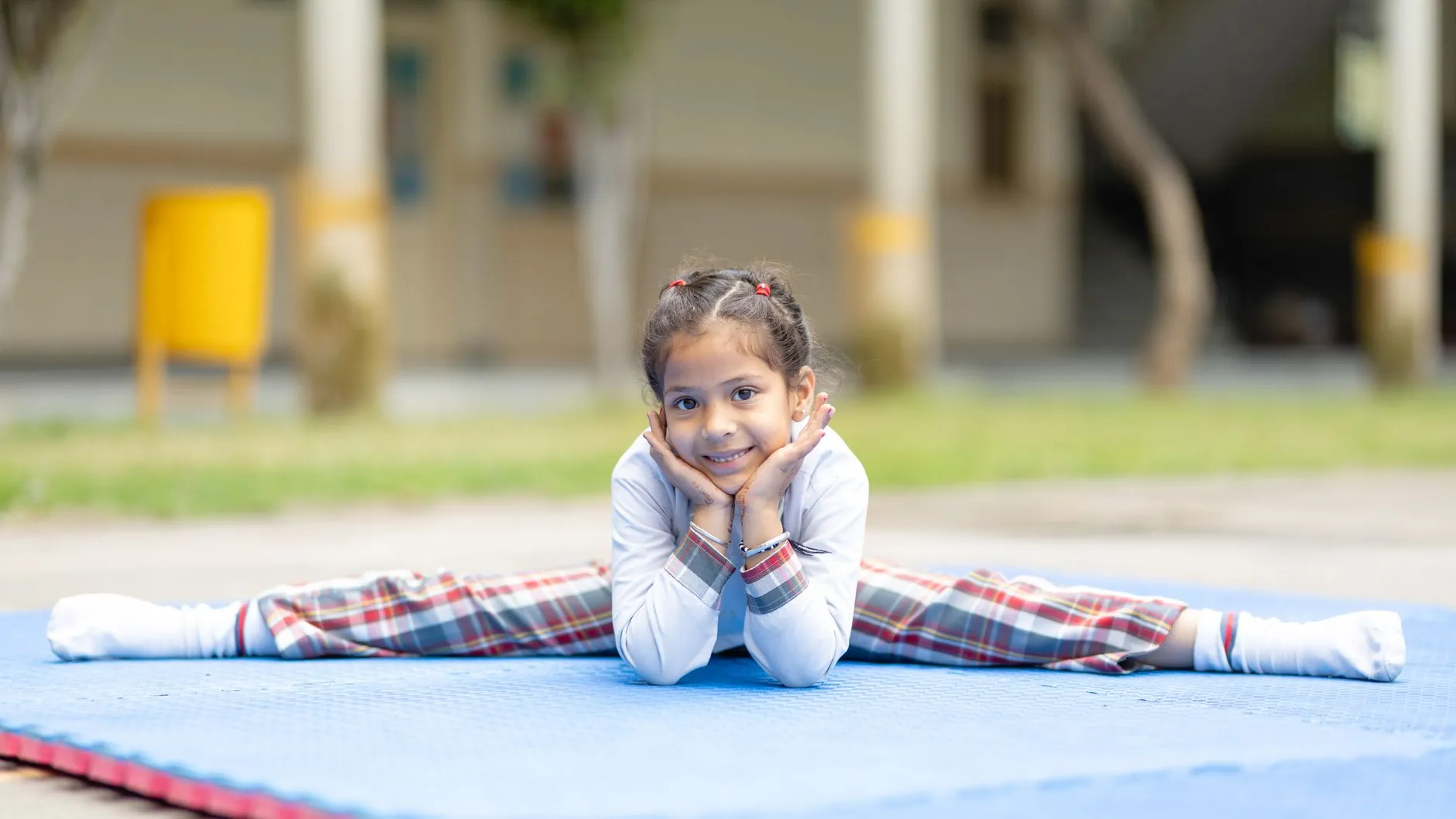
Practical Considerations for Implementing Kids Yoga
Finding the right yoga class can significantly impact a child’s experience and growth in yoga. Parents should consider several key factors when choosing classes for their children.
Finding the Right Classes and Instructors
When selecting yoga classes for kids, parents should look for programs specifically designed for children, ensuring the instructors have the proper training. It’s essential to choose certified instructors who specialize in kids yoga, as they possess the necessary skills to create engaging and age-appropriate lessons. Many programs, such as those offered at Yogakids or Little Flower Yoga, focus on children’s unique needs, promoting safety and fun in the practice.
Consideration of the class environment is also vital; a welcoming and supportive atmosphere can encourage children to participate and enjoy yoga. Resources such as Cleveland Clinic’s guide on yoga for kids outline the attributes of effective classes that parents should seek out, like smaller class sizes and a playful approach to learning.
Incorporating Yoga at Home
By incorporating yoga practices at home, parents can reinforce the lessons learned in class and create a nurturing yoga environment for their children. Simple yoga activities, such as playful poses or guided breathing exercises, can easily be integrated into daily routines. Websites like Cosmic Kids offer fun, interactive resources that parents can use to engage their children in yoga at home.
Practicing yoga together provides numerous benefits, such as improving flexibility and fostering a calming atmosphere. Additionally, it encourages children to express their thoughts and feelings while enhancing the bond between parent and child. Engaging in yoga at home supports their growth and deepens their understanding of concepts taught in their classes, making the practice a delightful family activity.
By following these practical considerations when implementing kids yoga, parents can help cultivate a positive and enriching yoga experience for their children.
Why Safety is Important in Children’s Yoga
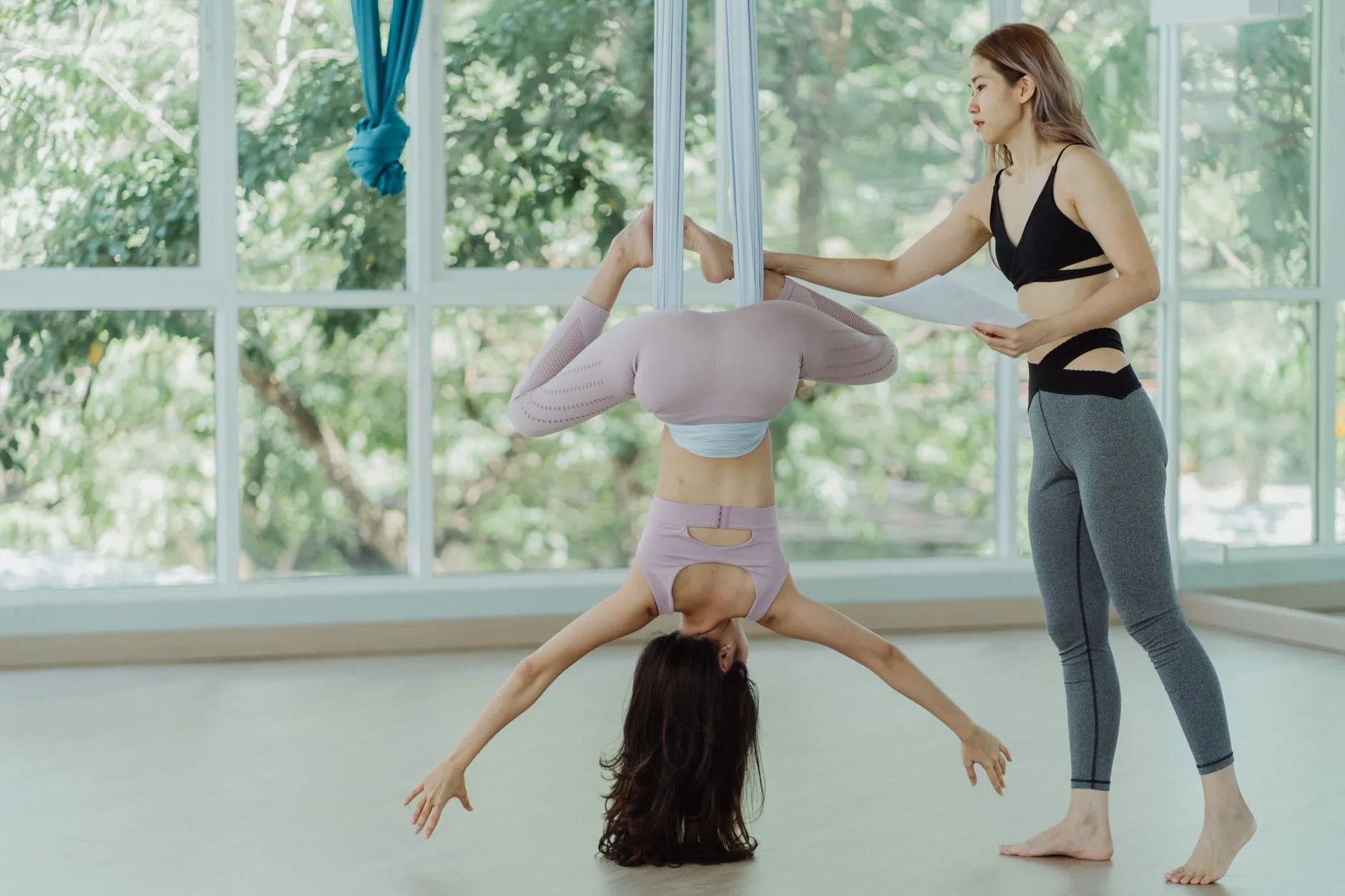
Teaching yoga to children provides numerous benefits for their physical and mental development. However, safety is paramount to ensure that kids can explore and learn in a supportive environment. Risks of injury and emotional distress can arise if safety measures are not taken into account. Establishing a safe and positive environment fosters a sense of security that allows children to freely engage in learning yoga techniques.
- Children’s physical and mental development: Yoga helps in enhancing focus, balance, and strength while also promoting relaxation and mindfulness. 1
- Risks of injury and emotional distress: Adults must supervise and guide movements to prevent injuries, as children may not have fully developed coordination and strength. In addition, creating a nurturing atmosphere can help alleviate anxiety and boost self-esteem.
- Creating a safe and positive environment for learning: Use of encouraging language and age-appropriate cues will help create an inviting space for children to explore yoga. 3
Preparation for Classes
Effective preparation is key to ensuring a safe and enjoyable yoga session for children. This involves establishing a well-thought-out physical environment and utilizing suitable equipment tailored for kids.
- Choosing a safe and inviting space for yoga practices: The space should be free of hazards, with ample room for movement. Soft surfaces are ideal for preventing injuries during falls or slips. Consider utilizing mats that are designed for children to provide extra cushioning.
- Importance of age-appropriate equipment and props: Utilizing props like blocks, straps, and colorful mats can enhance the yoga experience for kids. Equipment should be specifically designed for younger practitioners to ensure both safety and engagement throughout the class. 4
Taking these steps while teaching yoga to children not only maximizes their enjoyment but also ensures a commitment to their health and safety.
Conclusion and Future Outlook
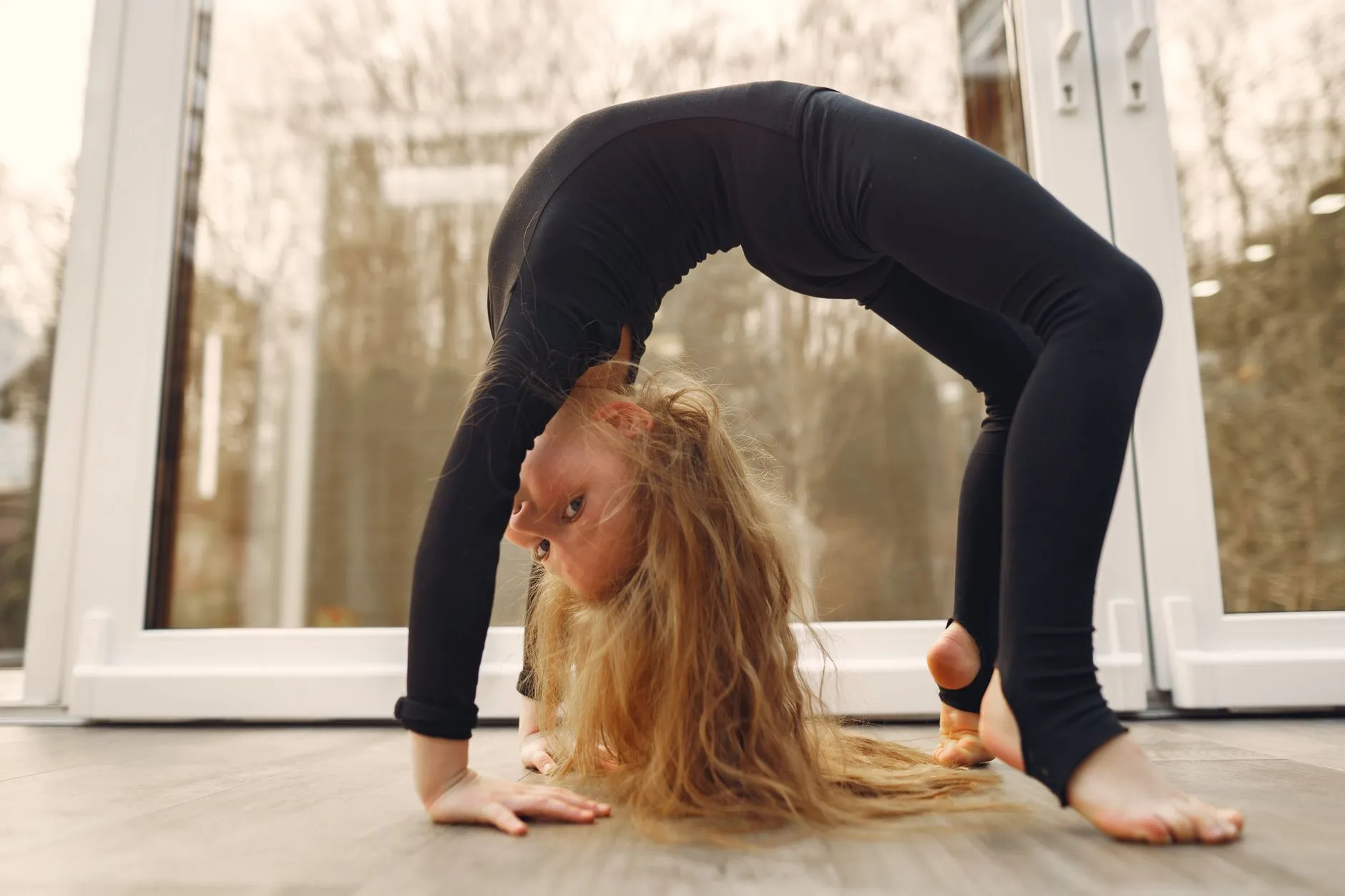
The demand for kids’ yoga is rapidly rising as more parents, educators, and healthcare professionals recognize its numerous benefits for children. Research highlights that yoga aids in enhancing physical health, emotional well-being, and even academic performance among students. As awareness grows, the integration of yoga into school curriculums is becoming increasingly prevalent, providing children with structured environments to practice mindfulness and physical movement.
The Growing Demand for Kids Yoga
- Increasing Recognition of Yoga’s Benefits for Youth
- Yoga offers mental and physical health benefits for children, such as improved focus, reduced anxiety, and enhanced flexibility. According to studies, regular practice can foster a sense of calmness and help with emotional regulation, essential skills for today’s youth 6, 7.
- Integration of Yoga in School Curriculums
- Many schools are beginning to incorporate yoga into their physical education programs. This integration not only addresses physical fitness requirements but also promotes emotional and social growth among students. The positive impact of yoga in schools is reflected in improvements in students’ behavior and academic performance 10.
- Future Trends in Kids Yoga Teacher Training Programs
- As the interest in kids yoga increases, many organizations are expanding their teacher training programs. These programs focus on age-appropriate techniques and methods to engage children effectively. Institutions such as YMB Yoga School in Bali are part of this trend, offering tailored training for individuals looking to specialize in teaching yoga to younger audiences 11, 14.
In summary, the future of kids yoga looks promising. With increasing recognition of its benefits, integration into educational systems, and a growing number of certified teachers, yoga is poised to become a staple in childhood development.
FAQs
What is kids yoga teacher training?
Kids yoga teacher training equips instructors with the knowledge of child development and age-appropriate practices for teaching yoga to children. This specialized training ensures that teachers can create safe and effective classes tailored to various age groups, focusing on the unique needs of young learners.
What are the benefits of kids yoga?
Kids yoga offers numerous benefits, including the promotion of social skills through interactive group activities. It fosters teamwork, communication, and empathy among peers, helping children build meaningful connections with one another. Additionally, participating in yoga can improve physical health and emotional well-being for young practitioners 6, 7.
How do I engage children in yoga classes?
To effectively engage children in yoga classes, utilize age-appropriate language and incorporate storytelling into your lessons. Making yoga imaginative and fun enhances their interest and participation. Activities like themed yoga, using playful transitions, and incorporating props can further hold their attention during sessions, ensuring a dynamic and enjoyable experience 19.
What are safety tips for teaching yoga to kids?
Safety is paramount when teaching yoga to kids. Always monitor their engagement and comfort levels throughout the class. Ensure that the physical activities are suitable for their age, and modifications are available for different skill levels. Creating a safe environment where children feel secure and encouraged is essential for successful yoga classes 21, 22.
How should I plan kids yoga classes?
When planning kids yoga classes, incorporate warm-ups, engaging activities, and cool-downs to create a structured yet fun environment. Balance mindfulness activities with playful yoga poses, and include time for games or creative expression through movement. This structure not only keeps children entertained but also helps them develop various skills while practicing yoga 10.