Introduction to Yoga Instructor Courses
Overview of Yoga Instructor Courses
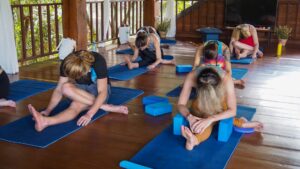
Yoga Instructor Courses are programs specifically designed to train individuals to teach yoga. These courses often focus on various styles of yoga and include both practical and theoretical components, ensuring that aspiring instructors are well-prepared for the classroom. Certification from a reputable course is essential for teaching in most studios, as it validates an instructor’s knowledge and skills.
The importance of being certified cannot be overstated. Certified instructors gain credibility and trust from students, enhancing their overall professional prospects. Moreover, many studios and wellness centers require certification as a prerequisite for employment, which makes it a critical step for anyone looking to build a successful career in yoga.
Typically, Yoga Instructor Courses run for durations ranging from 200 to 300 hours, structured into intensive training sessions that may last several weeks and include a combination of workshops, lectures, and practice teaching classes. This setup allows participants to develop not only their yoga practice but also teaching skills that will benefit their future students 1.
Why Choose Bali for Yoga Training?
Bali holds significant cultural importance as a hub for yoga and wellness. The island fosters a unique environment where traditional practices are integrated with modern wellness philosophies. This cultural backdrop enriches the learning experience, allowing students to immerse themselves in the roots of yoga while practicing in a tranquil setting.
Bali provides an ideal environment for yoga training, characterized by its natural beauty and serene atmosphere. The lush landscapes, peaceful beaches, and vibrant local culture offer a perfect escape, conducive to learning and personal reflection. This nurturing environment amplifies the effectiveness of the training, making it a popular destination for those seeking to deepen their practice.
The popularity of Bali among international students speaks volumes. The island attracts practitioners from around the world, leading to a diverse learning community. These connections not only enhance the educational experience but also create a supportive network as students embark on their careers as yoga instructors 2, 3.
Quick Answer
Yoga instructor courses in Bali are immersive programs that offer professional certification for aspiring teachers. These courses emphasize personal growth, skill development, and cultural immersion in a serene environment. Participants not only learn the essential techniques of yoga but also engage deeply with the local culture, making the experience both transformative and enriching. Many programs, such as those at YMB Yoga School and House of Om, provide a comprehensive curriculum designed to empower future instructors.

Key Takeaways
Bali is not just a paradise for travelers; it also offers significant opportunities for those looking to delve into yoga instructor training. Here are some critical aspects to consider:
Advantages of the Course
-
Cultural Immersion: Bali provides a unique blend of cultural immersion alongside professional training. This environment enhances the overall learning experience, allowing participants to absorb traditional practices and philosophies inherent to yoga.
-
Enhanced Career Opportunities: By understanding the details of yoga instructor courses, individuals can better position themselves for various career opportunities within the wellness industry. This knowledge makes graduates more attractive to potential employers.
-
Serene Learning Environment: The picturesque surroundings of Bali create an ideal space for effective learning and practice. The tranquil setting allows trainees to focus on their development, fostering a deeper connection to their yoga practice and teaching skills.
These elements collectively contribute to a rich educational experience that positions aspiring yoga instructors for success in their careers.
For more insight into yoga training in Bali, visit YMB Yoga School or School Yoga Institute.
Types of Yoga Instructor Courses Available
Hatha Yoga Instructor Course
Hatha Yoga is a foundational style that focuses on the physical aspect of yoga practice. This course will guide students through its principles, including alignment, breath control, and meditation. Typically, the course runs for several weeks, with a structured schedule that includes both theoretical and practical sessions. Upon completion, students receive a certification that qualifies them to teach Hatha Yoga globally. For more information on Hatha Yoga courses, you can check out 1 and 6.
Vinyasa Yoga Instructor Course
The Vinyasa Yoga style emphasizes fluid movements and transitions between postures, often set to music. This course includes various components like sequencing, pranayama (breath work), and mindfulness. Participants engage in practical training to develop their teaching skills while understanding the philosophy behind Vinyasa. Graduates can explore various career paths, including studio teaching, online classes, or workshops. Learn more about Vinyasa Yoga training 2 and 8.
Ashtanga Yoga Instructor Course
Ashtanga Yoga is known for its rigorous style that involves synchronized breath and movement. The course provides in-depth insights into its foundations, focusing on practicing specific sequences, philosophy, and ethics in yoga. The content and format vary but typically include interactive sessions, workshops, and hands-on practice. This course holds global recognition and can lead to accreditation from respected yoga organizations, opening doors for instructors to teach internationally. Additional resources about Ashtanga Yoga instructor training can be found at 3 and 5.
Benefits of Taking a Yoga Instructor Course in Bali
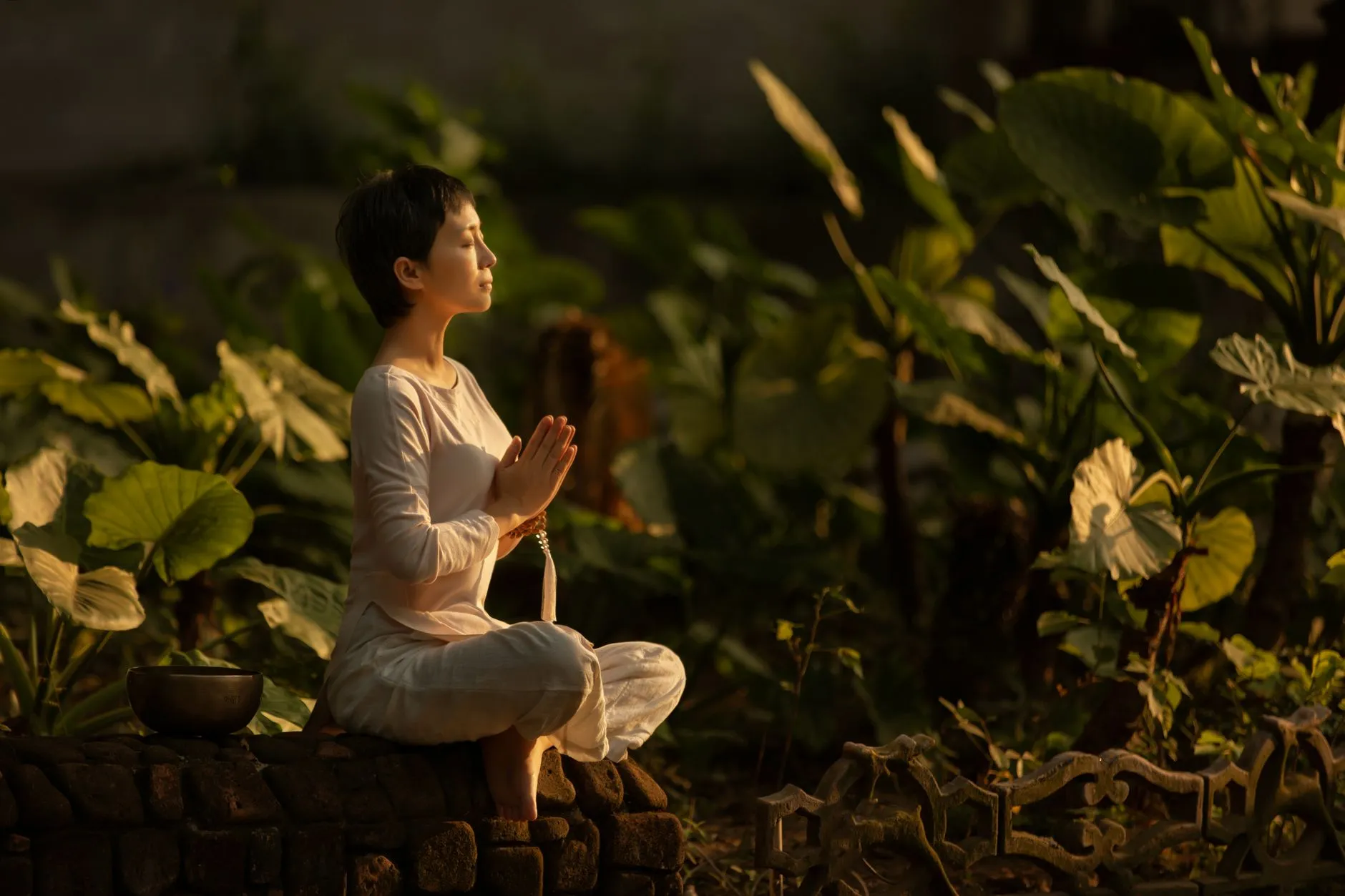
Bali offers a vibrant backdrop for anyone pursuing a yoga instructor course. This enchanting island is not only known for its stunning beaches and lush landscapes but also for its unique blend of tranquility and spiritual energy, making it an ideal location for yoga training.
Immersive Learning Environment
Bali provides a serene and picturesque setting for yoga practice. The natural beauty and peaceful atmosphere enhance the learning experience, allowing students to immerse themselves entirely in their training. Renowned yoga schools, like YMB Yoga School, are abundant in the area, offering programs led by experienced instructors who are deeply integrated into the local yoga community. Students can expect high-quality education in a supportive and inspiring environment 1, 9.
Cultural Experience
Participating in a yoga instructor course in Bali is more than just physical education; it’s an opportunity to experience Balinese culture firsthand. Many training programs incorporate local traditions and philosophies into their curriculum, enriching students’ understanding of yoga as a holistic practice. This cultural integration helps deepen the practitioner’s relationship with yoga by grounding it in the context of Balinese spirituality and lifestyle, providing a broader perspective on the practice 3, 5.
Career Opportunities
Completing a yoga instructor course in Bali significantly increases employability in the global yoga industry. The island is a hotspot for wellness tourism, opening doors for graduates to work in studios, wellness resorts, and retreats around the world. Additionally, these courses provide networking opportunities with professionals and fellow students, forming connections that can lead to future collaborations and job placements 2, 6.
Personal Development
Enrolling in a yoga instructor course can greatly enhance personal yoga practice. Through intensive training, students often find opportunities for spiritual growth and self-discovery. The rigorous schedule, combined with reflective practices, allows for a transformative experience that often goes beyond the mat 7. This personal development journey can instill confidence and a deeper understanding of oneself, which is vital for a successful teaching career.
Health and Wellness Benefits
Taking a yoga instructor course not only develops teaching skills but also offers significant health and wellness benefits. Participants can expect improvements in physical fitness and flexibility, along with mental health benefits such as reduced stress and anxiety. The holistic approach of yoga fosters overall well-being, making students more equipped to manage the stresses of daily life 4, 15.
Choosing the Right School for Your Yoga Training
When considering yoga training, selecting the right school is key to developing a solid foundation. As yoga’s popularity grows, numerous options surface, especially in destinations like Bali. Here are several vital factors to assess when choosing a school.
Factors to Consider When Selecting a School
-
Accreditation and Certification of the School
Accreditation ensures that the school meets specific educational standards. Look for institutes that are certified by recognized bodies to validate your training. -
Instructor Qualifications and Experience
Find out about the instructors’ backgrounds, including their qualifications and years of teaching experience. A knowledgeable instructor, like those from YMB Yoga School in Bali, can significantly impact your learning journey. -
Student Reviews and Testimonials
Research reviews from former students. Platforms like TripAdvisor and testimonials on the school’s website can provide insights into others’ experiences and the school’s learning environment. For instance, a review stating, “YMB Yoga School offers a comprehensive and immersive training experience,” indicates quality education that aligns with student expectations 11.
Top Yoga Schools in Bali
Bali is home to several outstanding yoga schools that cater to various needs and preferences:
| Yoga School | Unique Features | Tuition Costs and Financial Aid Options |
|———————————-|———————————————————–|———————————————-|
| YMB Yoga School | Tailored courses, diverse yoga styles, supportive community | Competitive pricing with potential scholarships 9 |
| Bali Yoga School | Emphasis on traditional techniques, holistic health focus | Varied programs to suit different budgets 1 |
| Trimurti Yoga | Focus on experiential learning, small class sizes | Offers payment plans to ease financial burden 7 |
| House of Om | Beautiful setting in Ubud, community-oriented | Mid-range costs with some funding options 15 |
These schools each provide unique environments and teaching methods, allowing you to find a program that resonates with your personal learning style. Consider factors like location and teaching philosophy, combined with the logistical aspects of tuition and possible financial aid, when making your decision.
Understanding the Yoga Instructor Course Curriculum
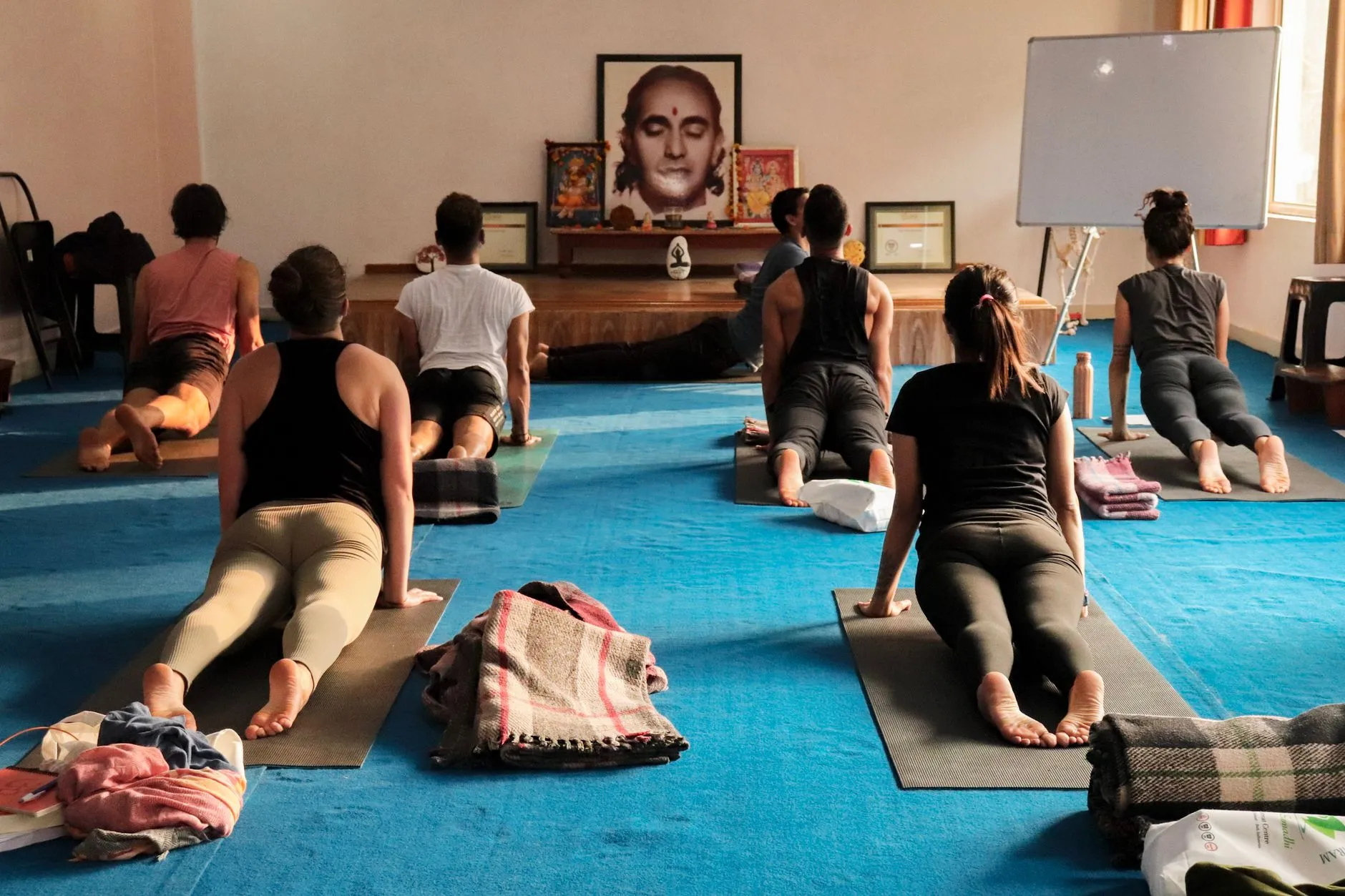
Yoga instructor courses are designed to provide students with a comprehensive understanding of various aspects of yoga. These programs typically contain core curriculum components essential for aspiring instructors to master both the practice and teaching of yoga.
Core Curriculum Components
Asanas (Postures) and their Teaching Methodology
The first cornerstone of the curriculum is the study of asanas, or postures. This includes not just learning the postures themselves but also exploring effective teaching methodologies, which are vital for conveying proper techniques to students.
Pranayama (Breath Control) Techniques
Pranayama, or breath control, is another essential element within the curriculum. Students will learn various techniques to enhance lung capacity and control their breath during practice. This component underscores the significance of breath in yoga and its ability to foster a deeper mind-body connection.
Meditation Techniques: Varieties and Roles
The curriculum also incorporates an exploration of different meditation techniques. These include guided meditation, mindfulness, and other approaches that emphasize the role of meditation in enhancing both personal practice and the teaching experience.
Yoga Philosophy Studies Including Ancient Texts
An in-depth study of yoga philosophy is integral to the program. Students engage with ancient texts, such as the Yoga Sutras and the Bhagavad Gita, to ground their practice in traditional teachings. Understanding these philosophical aspects enriches the practice and teaching of yoga, providing a solid foundation for personal and professional development.
Electives and Specialized Trainings
Beyond core subjects, many programs offer electives and specialized training to further enhance instructors’ skill sets.
Types of Electives Offered
Various electives may cover advanced topics, such as prenatal yoga, restorative yoga, or yoga therapy. These options allow students to tailor their educational journey according to their interests and the demands of their future students.
Special Workshops for Advanced Skills
Participants can often engage in workshops focusing on special skills, such as adjustments and assists, anatomy for yoga, and specific styles of yoga. These workshops provide intensive training that can significantly enhance an instructor’s teaching repertoire.
Opportunities for Continued Education
The curriculum often includes opportunities for continued education. This could involve advanced teacher training programs, online courses, or intensive retreats designed to deepen knowledge and practice. Continuous education plays a crucial role in career advancement for yoga instructors as it helps them stay updated with current trends and methodologies.
By understanding the curriculum components and options for specialization, aspiring yoga instructors can better prepare for a fulfilling and effective teaching career. For more information, you can visit YMB Yoga School in Bali or check additional training resources here 2.
Preparing for Your Course
What to Expect on Your First Day
On your first day at YMB Yoga School in Bali, you can look forward to orientation and welcome activities designed to ease your transition into the program. Orientation sessions will introduce you to the school’s culture, values, and objectives. Additionally, you’ll have the opportunity for introductory sessions, where instructors will outline course expectations and schedules, ensuring you feel prepared and informed. Meeting your peers is another essential part of the day, fostering connections that can enhance your learning experience.
Essential Supplies and Gear for Training
To make the most of your training, having the right supplies is key. Here are the essentials you’ll need:
- Recommended Yoga Mats and Props: A high-quality yoga mat is crucial for your practice. Consider bringing props like blocks and straps to aid your training. Many schools recommend specific brands, so check with YMB for their suggestions.
- Appropriate Attire: Wear comfortable, stretchy clothing that allows for freedom of movement. It’s best to choose materials that wick away sweat and keep you comfortable throughout your sessions.
- Other Accessories for Comfort: Think about additional items that can enhance your experience, such as a reusable water bottle to stay hydrated, a towel for sweat, and a journal for jotting down insights and reflections during the course.
Preparing adequately will help ensure a positive start to your yoga journey at YMB Yoga School. For more information about the course and preparation, you can check out YMB Yoga School and other resources tailored for yoga teacher training in Bali.

Life After Certification: What to Expect?
The journey of a yoga instructor does not end with certification. In fact, it’s just beginning. Many opportunities await certified instructors eager to make their mark in the world of yoga.
Job Opportunities for Certified Instructors
Certified yoga instructors can explore a variety of job opportunities, including:
-
Types of yoga teaching positions available: Instructors can work in studios, gyms, wellness centers, or start their own classes. Some choose to offer private sessions or workshops, catering to niche markets or specialized demographics.
-
Potential earnings as a yoga instructor: The income of a yoga instructor can vary widely based on location, experience, and type of employment. Generally, yoga teachers can earn between $25 to $75 per class, with opportunities for higher earnings through workshops and retreats.
-
Working abroad vs. local opportunities: Instructors have the chance to work internationally, particularly in wellness tourism hotspots. Popular destinations such as Bali offer abundant opportunities to teach yoga while exploring different cultures. For local opportunities, certified instructors can find a demand for classes in their community, especially among health-conscious individuals.
Continuing Education and Specializations
Once certified, instructors are encouraged to pursue further education and specializations, which may include:
-
Options for further training: Advanced training courses allow instructors to deepen their knowledge. Popular paths include prenatal yoga, children’s yoga, or therapeutic yoga. These courses often enhance teaching skills and marketability.
-
Benefits of specialization: Specializing can set instructors apart in a competitive market. It caters to specific client needs and helps build a loyal client base.
-
Building a personal brand as an instructor: Establishing a unique brand can enhance visibility. By leveraging social media and developing a professional website, instructors can promote their classes and showcase their expertise effectively.
Exploring these pathways can lead to a fulfilling career in yoga, blending personal passion with professional growth. Whether one chooses to teach locally or internationally, the skills developed during certification provide a solid foundation for a rewarding journey in the world of yoga teaching.
Exploring Cost Factors for Yoga Instructor Courses
Current Costs of Yoga Instructor Courses in Bali
The costs of yoga instructor courses in Bali vary widely depending on the program’s length, focus, and the school’s reputation. On average, certification programs can range from $2,000 to $4,500. Many schools offer comprehensive packages that include accommodation, meals, and training materials within this price range. For instance, YMB Yoga School provides a complete experience that encompasses these elements, making it an appealing choice for aspiring instructors 9.
Below is a comparative analysis of various schools’ pricing:
| School Name | Average Cost | Inclusions |
|———————————-|——————-|———————————————-|
| YMB Yoga School | $2,400 – $3,200 | Accommodation, meals, training materials |
| Bali Yoga School | $2,500 | Accommodation, meals, yoga workshops |
| School Yoga Institute | $2,800 – $4,000 | Meals, teacher support, training materials |
| Trimurti Yoga | $2,700 – $3,500 | Accommodation, meals, yoga excursions |
This table helps prospective students gauge their options and budget accordingly for their yoga instructor training 3.
Hidden Costs to Consider
While the advertised program prices can seem all-inclusive, prospective students should be aware of hidden costs that may arise during their training. Besides tuition, living expenses such as food, transportation, and personal items can significantly add to the total expenditure.
Key hidden costs to keep in mind include:
- Living Expenses: Students should budget for daily meals outside the course offerings, which can amount to $10-$30 daily depending on dining choices.
- Certification and Registration Fees: Some schools charge additional fees for certification, which can range from $200 to $500, depending on the issuing body.
- Other Potential Costs: These may include optional workshops, yoga retreats, excursions, or additional materials that are not covered in the main course package.
Being aware of these expenses will help candidates prepare better and avoid financial surprises during their yoga education journey 2.
Networking Opportunities for Instructors in Bali
The yoga community in Bali serves as a vibrant hub where instructors can connect and thrive. This network not only enhances personal and professional growth but also fosters collaboration opportunities, ultimately building a stronger community among instructors.
Importance of Networking in the Yoga Community
-
Enhancing Personal and Professional Growth: Networking allows instructors to share knowledge and techniques, which enriches their own practices and teaching styles. Engaging with fellow instructors can lead to continuous learning and inspiration.
-
Collaboration Opportunities: Networking opens the door for collaborations on workshops, retreats, or yoga teacher training programs. These joint ventures can rejuvenate instructors’ curricula and introduce them to new audiences.
-
Building a Strong Community Among Instructors: Being part of a network helps build camaraderie among instructors. This support system not only promotes skill-sharing but also offers emotional support, reducing feelings of isolation that can occur in this profession.
In Bali, institutions like YMB Yoga School create a nurturing atmosphere where instructors can interact, learn, and collaborate effectively, making the most of the rich tapestry of yoga education available on the island 9.
Frequently Asked Questions
What is a Yoga Instructor Course?
A Yoga Instructor Course is designed to equip individuals with the skills and knowledge necessary to teach yoga effectively. These courses often come in various formats, including in-person, online, and intensive workshops, allowing participants to choose what suits them best. Many schools offer comprehensive curriculums covering yoga philosophy, anatomy, teaching methodology, and practical teaching experiences. For a deeper dive into available courses, you can explore options at YMB Yoga School in Bali 9.
Who Can Enroll in a Yoga Instructor Course?
Anyone interested in yoga can enroll in a Yoga Instructor Course, regardless of prior experience. Courses cater to beginners looking to deepen their practice and experienced practitioners aiming to advance their knowledge and teaching skills. However, some programs may require a basic understanding of yoga to ensure participants can engage fully with the material presented.
How Long Does Yoga Teacher Training Last?
The duration of Yoga Teacher Training varies, with common formats being 200-hour and 300-hour programs. Many institutions also offer flexible schedules, enabling trainees to choose between full-time and part-time options. This flexibility accommodates different lifestyles and commitments, making it easier for individuals to pursue their training at their own pace.
What Are the Costs Involved?
The costs associated with Yoga Instructor Courses can vary significantly based on the type of program and location. Typically, prices range from a few hundred to several thousand dollars. Additionally, prospective students should consider supplementary costs such as materials, accommodation, and travel, which can also impact the overall investment in their education.
What Should I Look for in a Yoga School?
When selecting a Yoga School, it is essential to consider accreditation to ensure the program meets industry standards. Key factors to evaluate include the school’s location, pricing, the experience of instructors, and student reviews. Researching various options, such as those provided by reputable schools like Lokah Yoga School 5 or Trimurti Yoga 7, can help you make an informed decision about the best fit for your training needs.