Written by the teaching team at YMB Yoga School in Klungkung, Bali.
A 10-minute guided meditation for anxiety and overthinking uses verbal cues to help you calm your nervous system, observe thoughts without judgment, and return to the present. This short practice can reduce mental clutter, ease physical tension, and foster clarity, offering an accessible tool for immediate relief from racing thoughts and worry. Feeling overwhelmed by a constant stream of thoughts or the gripping sensation of anxiety is a common human experience, but it doesn’t have to define your every moment. A short, consistent meditation practice can be a powerful and accessible way to manage these states. This article will guide you through understanding meditation’s role, preparing for practice, and following a step-by-step meditation for overthinking, along with advice for building a lasting habit.
Yoga and Meditation for Anxiety & Overthinking: What It Can (and Can’t) Do
Meditation, a core component of yoga practice, offers a powerful yet subtle pathway to navigate anxiety and overthinking, but it’s crucial to approach it with realistic expectations. While it is not a cure, it is an effective tool for self-management and can be a valuable part of your wellness routine. By learning these meditation and stress reduction techniques, you can equip yourself with a method for finding calm.
The Benefits: Calming the Nervous System
Conscious breathwork, which is central to meditation, directly influences the nervous system. By slowing down your breathing, you help shift your body from the ‘fight or flight’ (sympathetic) state to the ‘rest and digest’ (parasympathetic) state. This physiological shift can lead to an almost immediate calming effect on both body and mind.
The Benefits: Cultivating Present Moment Awareness
Mindfulness meditation trains your brain to pay attention to the present moment. For those struggling with anxiety, the mind is often caught in future worries. For those who overthink, it can be stuck replaying the past. By repeatedly bringing your attention back to a single point, like the breath, you strengthen your ability to stay in the present, where you are safe.
The Benefits: Reducing Thought Rumination
Consistent practice helps you see thoughts for what they are: temporary mental events. Instead of getting swept away by an anxious thought spiral, you learn to observe it without getting entangled. This creates a mental space between you and your thoughts, reducing their power and allowing you to see them from a more objective perspective. There are many broader benefits of meditation that extend beyond just managing anxious thoughts.
What Meditation Isn’t: A Cure-All
While meditation is a powerful tool, it’s important to understand it’s not a magical fix for all forms of anxiety or mental health conditions. It is a practice, a skill that is developed over time. Some days will feel easier than others, and that is a normal part of the process.
What Meditation Isn’t: A Replacement for Professional Help
This practice is designed to be a supportive, complementary tool. It should not replace professional medical or psychological treatment for severe, chronic, or debilitating anxiety disorders. If your anxiety is significantly impacting your life, seeking guidance from a therapist or doctor is a crucial step.
Preparing for Your 10-Minute Guided Meditation
Even for a brief 10-minute session, a little preparation can significantly enhance your meditation experience and its effectiveness. Creating a supportive environment helps signal to your mind and body that it’s time to pause.
Finding Your Space
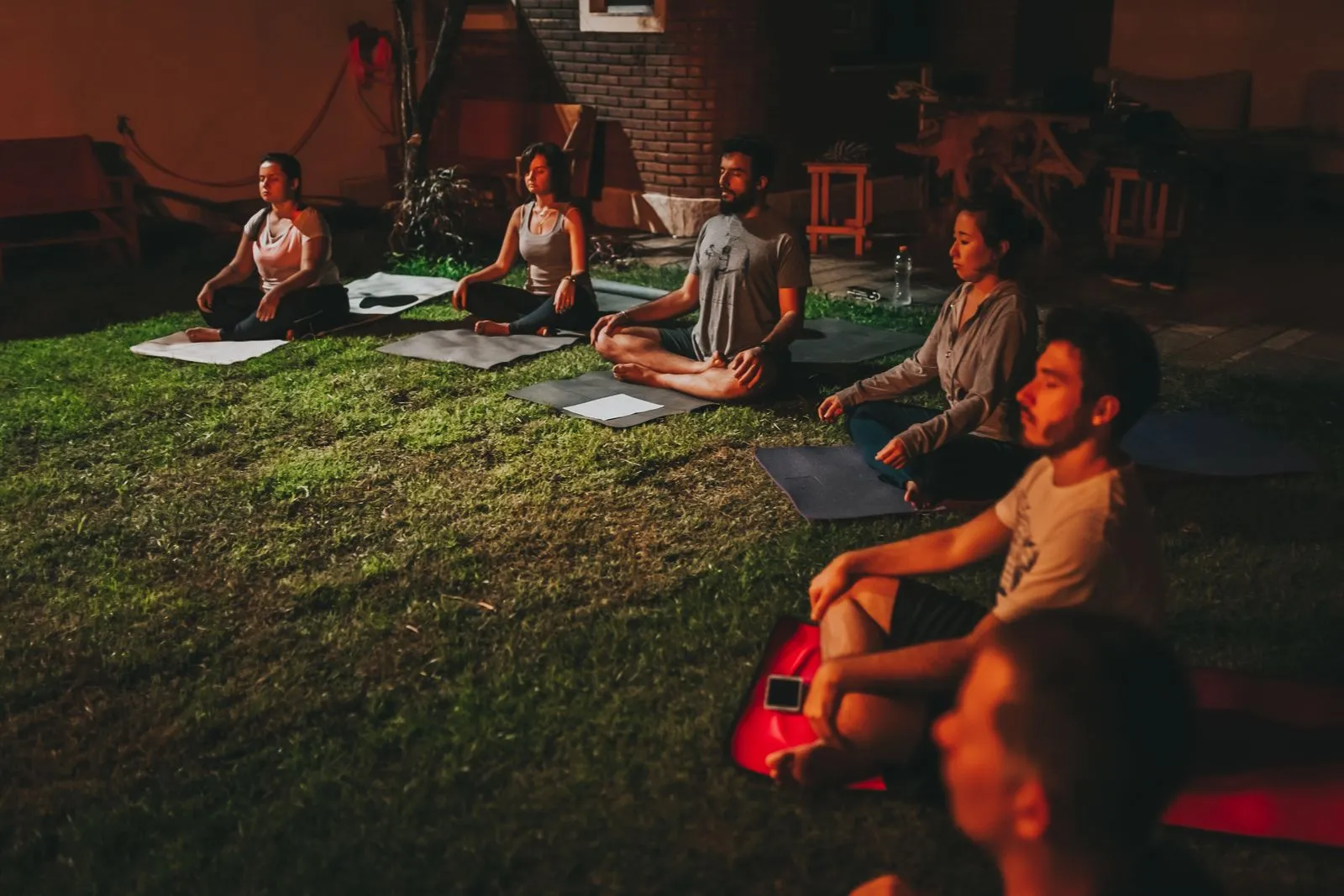
Find a quiet spot where you are unlikely to be disturbed for the next 10 minutes. This could be a corner of your room, an office with the door closed, or even your parked car. Put your phone on silent and turn off notifications to minimize potential interruptions.
Comfortable Posture
You can sit on a cushion on the floor with your legs crossed, or sit upright in a chair with your feet flat on the ground. The key is to have a straight but not rigid spine. This allows for alertness. If sitting is uncomfortable, you can lie down on your back. The main goal is to find a position you can hold comfortably without fidgeting.
Setting a Gentle Intention
Before you begin, set a gentle intention for your practice. This isn’t a goal to achieve, but a kind orientation. It might be something simple like, “May I find a moment of peace,” or “I will be kind to my busy mind.” This helps frame the practice with self-compassion rather than expectation.
Your 10-Minute Guided Meditation for Anxiety & Overthinking: A Step-by-Step Practice
Now, let’s move into the heart of the practice—a guided journey designed to bring calm and clarity to your mind. You can read through this first, then try to recall the steps, or even record yourself reading it to play back.
Phase 1: Settling In (1 minute)
Begin in your chosen comfortable posture. Allow your eyes to gently close, or soften your gaze by looking at a spot on the floor a few feet in front of you. Take one slow, deep breath in through the nose, and exhale with a soft sigh through the mouth. Let go of the day so far. Take another deep breath in, and as you exhale, release any physical tension you’re holding. Notice the points of contact between your body and the chair or floor beneath you. Feel the support. Simply arrive in this moment, in this space.
Phase 2: Anchoring with the Breath (3 minutes)
Bring your awareness to the natural rhythm of your breath, without trying to change it. Notice the sensation of the breath as it enters your body and as it leaves. You might feel it most at the tip of your nose, as cool air comes in and warmer air goes out. Or you might notice the gentle rise and fall of your chest or abdomen. Choose one spot and rest your attention there. This is your anchor. Whenever your mind begins to wander, as it naturally will, gently guide it back to this anchor of the breath.
Phase 3: Observing Thoughts Without Judgment (3 minutes)
As you sit, you will notice thoughts arising. This is not a mistake; it is what minds do. The practice is not to stop the thoughts, but to notice them without getting caught up in their story. Imagine your thoughts are like clouds drifting across the vast, open sky of your awareness. Some are dark and stormy, others are light and fluffy. Simply watch them come and go. When you realize you have been carried away by a thought, gently acknowledge it, and then guide your attention back to your anchor—the breath. The act of returning, again and again, is the practice.
Phase 4: Returning to the Present & Grounding (2 minutes)
Gently release your focus on the breath and expand your awareness to your entire body. Feel the weight and presence of your body sitting here. Notice the sensation of the air on your skin. Become aware of any sounds in the room or outside, simply noticing them without labeling them as ‘good’ or ‘bad’. Let them be part of your present-moment experience. Feel the solidness of the ground beneath you, supporting you completely.
Phase 5: Gently Concluding (1 minute)
Bring your awareness back to the physical space you are in. Take one more conscious, deep breath. Begin to introduce gentle movement, perhaps by wiggling your fingers and toes. When you feel ready, slowly and gently open your eyes. Take a moment to notice how you feel, without judgment. Carry this small measure of calm and presence with you into the next moments of your day.

What to Avoid During Meditation for Anxiety and Overthinking
While meditation is generally beneficial, certain approaches can inadvertently create more stress, especially when you’re trying to manage anxiety and overthinking. Knowing the common pitfalls can help you practice with more ease.
Don’t Force Relaxation
The paradox of relaxation is that you cannot force it. Trying too hard to “get relaxed” often creates more tension. Instead of striving, cultivate an attitude of allowing. Allow yourself to be just as you are—anxious, restless, or calm. The simple act of allowing can be profoundly relaxing.
Avoid Judgment of Your Thoughts
A common trap is judging yourself for having thoughts during meditation. You might think, “I’m so bad at this,” or “My mind is just too busy.” This self-criticism is just another form of overthinking. Remind yourself that thoughts are natural. The goal is not to have no thoughts, but to practice non-judgmental observation of them.
Don’t Expect a ‘Blank’ Mind
The idea of meditation as achieving a completely ‘blank’ mind is a common and unhelpful myth. The mind is a thinking machine. The practice is about changing your relationship to your thoughts, not eliminating them. A busy mind is completely normal, especially when you are just starting or feeling particularly anxious.
Resist Over-Analyzing the Process
It’s easy to turn meditation into another thing to overthink. “Am I doing it right? Was that a good session? Why couldn’t I focus?” Let go of the need to analyze or rate your performance. Simply show up, do the practice for 10 minutes, and let it be what it is. The benefits come from the act of doing it, not from doing it perfectly.
Building a Consistent Meditation Routine
The true benefits of meditation unfold with consistency, but establishing a new habit can feel daunting. Here are a few tips to make it easier.
Start Small (Even Less Than 10 Minutes)
If a 10 minute guided meditation for anxiety and overthinking feels like too much on a difficult day, start with just 3 or 5 minutes. The most important thing is to build the habit of sitting down to practice. Consistency is more important than duration, especially at the beginning.
Choose a Regular Time and Place
Link your meditation practice to an existing daily habit. For example, meditate for 10 minutes right after you brush your teeth in the morning, or just before you get into bed at night. Having a designated time and a comfortable spot helps automate the habit and reduces decision fatigue.
Be Patient and Kind to Yourself
You will miss days. You will have sessions where your mind feels like a chaotic storm. This is all part of the process. The key is to approach your practice with kindness and patience. If you miss a day, just return to it the next day without self-criticism.
Track Your Progress (Gently)
Some people find it helpful to put a simple checkmark on a calendar for each day they practice. This can create a sense of accomplishment. However, be mindful that this doesn’t become another source of pressure. The real progress isn’t a perfect streak but the growing sense of awareness and calm in your daily life.
When to Seek Professional Support
While meditation is a powerful tool for self-management, it’s essential to recognize when symptoms of anxiety or overthinking may require professional intervention.
It is advisable to consult a doctor or mental health professional if your anxiety is persistent, severe, or debilitating. Other signs include frequent panic attacks, significant interference with your daily life (such as work, sleep, or relationships), feelings of hopelessness, or any thoughts of self-harm. Seeking professional help is a sign of strength and a vital act of self-care. Meditation can be an excellent complementary practice to use alongside therapy or other clinical treatments, but it is not a substitute for them when they are needed.
For those looking to deepen their practice, YMB Yoga School in Klungkung, Bali, offers a supportive environment for learning and growth.

Frequently Asked Questions
How quickly can a 10-minute meditation help with anxiety?
Many people feel a short-term sense of calm, such as a slower heart rate or a less cluttered mind, after just one 10-minute session. For more lasting changes in how you manage anxiety and overthinking, consistent daily practice is key. Over weeks and months, this practice can help retrain your nervous system’s response to stress.
What if I can’t quiet my mind during meditation?
This is the most common experience in meditation. The goal is not to have a quiet mind, but to notice that your mind is busy without judging it. Each time you notice your mind has wandered and you gently guide your attention back to your breath, you are successfully meditating. That act of returning is the core of the practice.
Is 10 minutes of meditation enough to make a difference?
Yes, absolutely. Research and experience show that even short, consistent meditation sessions can have significant benefits. A daily 10-minute practice activates the body’s relaxation response, helps to reduce stress hormones, and builds the mental muscle of awareness. A sustainable 10-minute daily habit is often more effective than an occasional, longer session.
Can I do this guided meditation lying down?
Yes, you can do this meditation lying down, especially if sitting upright is uncomfortable. The only thing to watch for is a tendency to fall asleep. The goal is to remain aware, so if you find yourself getting too drowsy, you might try a seated position next time to maintain a balance of relaxation and alertness.
Ready to Train in Bali?
YMB Yoga School in Klungkung runs monthly intakes for its Yoga Alliance-certified courses: the all-inclusive 200-hour training from $1,450 (23 days) and the 300-hour from $2,400 (28 days). A $380 deposit secures your spot.