Written by the teaching team at YMB Yoga School in Klungkung, Bali.
A ‘Vinyasa Casa’ isn’t a formal, established term but rather a conceptual metaphor for any dedicated space—be it a yoga studio, retreat center, teacher training school, or even your personal practice area at home—where the dynamic, breath-synchronized practice of Vinyasa yoga is cultivated and embraced. It’s the place you go to find your flow, connect with your breath, and feel at home in your practice. This guide will help you understand this concept, explore the world of flow yoga, and find the perfect space for your personal growth.
What Exactly is a “Vinyasa Casa”?
A ‘Vinyasa Casa’ isn’t a specific, official term, but rather a metaphorical concept representing a dedicated space—be it a studio, retreat center, or even a personal home setup—where the dynamic practice of Vinyasa yoga is embraced and cultivated. It represents the environment where you feel supported to explore the union of breath and movement.
- Vinyasa as a practice: This style of yoga is characterized by fluid, breath-synchronized movements, creating a ‘flow’ that connects one pose to the next in a continuous sequence.
- The ‘Casa’ aspect: This Spanish word for ‘home’ implies a welcoming, dedicated sanctuary for this specific style of yoga. It’s a place that feels safe, supportive, and conducive to practice.
- Scope of this concept: This concept can range from a local community studio offering daily classes, a comprehensive international retreat, a comprehensive teacher training institution, or simply a thoughtfully arranged corner of your own home.
- Emphasis on connection: A true Vinyasa Casa is where practitioners can deepen their physical, mental, and spiritual connection to the flow, guided by knowledgeable teachers and supported by a positive atmosphere.
The Dynamic Flow: Understanding Vinyasa Yoga
At its heart, Vinyasa yoga is characterized by its fluid, breath-synchronized movements, creating a dynamic ‘flow’ that connects one pose to the next. This moving meditation is built on a foundation of specific principles that give it its unique character and wide-ranging benefits.
Core Principles of Vinyasa
- Breath (Ujjayi): Often called “victorious breath,” this is the foundation of Vinyasa. It serves as the internal rhythm that guides every movement and transition, creating a steady, audible sound that helps anchor your focus.
- Movement and Transition: The practice places a strong emphasis on smooth, continuous transitions between postures, making the sequence feel like a graceful dance.
- Heat Generation (Tapas): The dynamic nature of Vinyasa builds internal heat. This physiological response is believed to help purify the body, release toxins, and increase mental focus.
- Creativity and Variety: Unlike some fixed-sequence styles, Vinyasa sequences can vary widely from class to class or teacher to teacher. This prevents monotony and encourages adaptability in both body and mind.
- Drishti (Gaze) and Bandhas (Energy Locks): These subtle techniques are integral to maintaining focus and channeling energy throughout the practice, turning a physical workout into a more internally-focused experience.
Key Benefits of a Vinyasa Practice
- Physical Enhancement: It builds strength, increases flexibility, improves balance and coordination, and offers significant cardiovascular benefits due to its continuous movement.
- Mental Clarity: The constant focus on breath and movement promotes stress reduction, enhances concentration, and encourages a state of mindfulness and deep presence.
- Emotional Release: The rhythmic nature of the practice, combined with deep breathing, can help release stored tension and emotional blockages from the body.
- Spiritual Connection: Through embodied experience, Vinyasa facilitates a deeper connection to oneself, fostering self-awareness and inner peace.
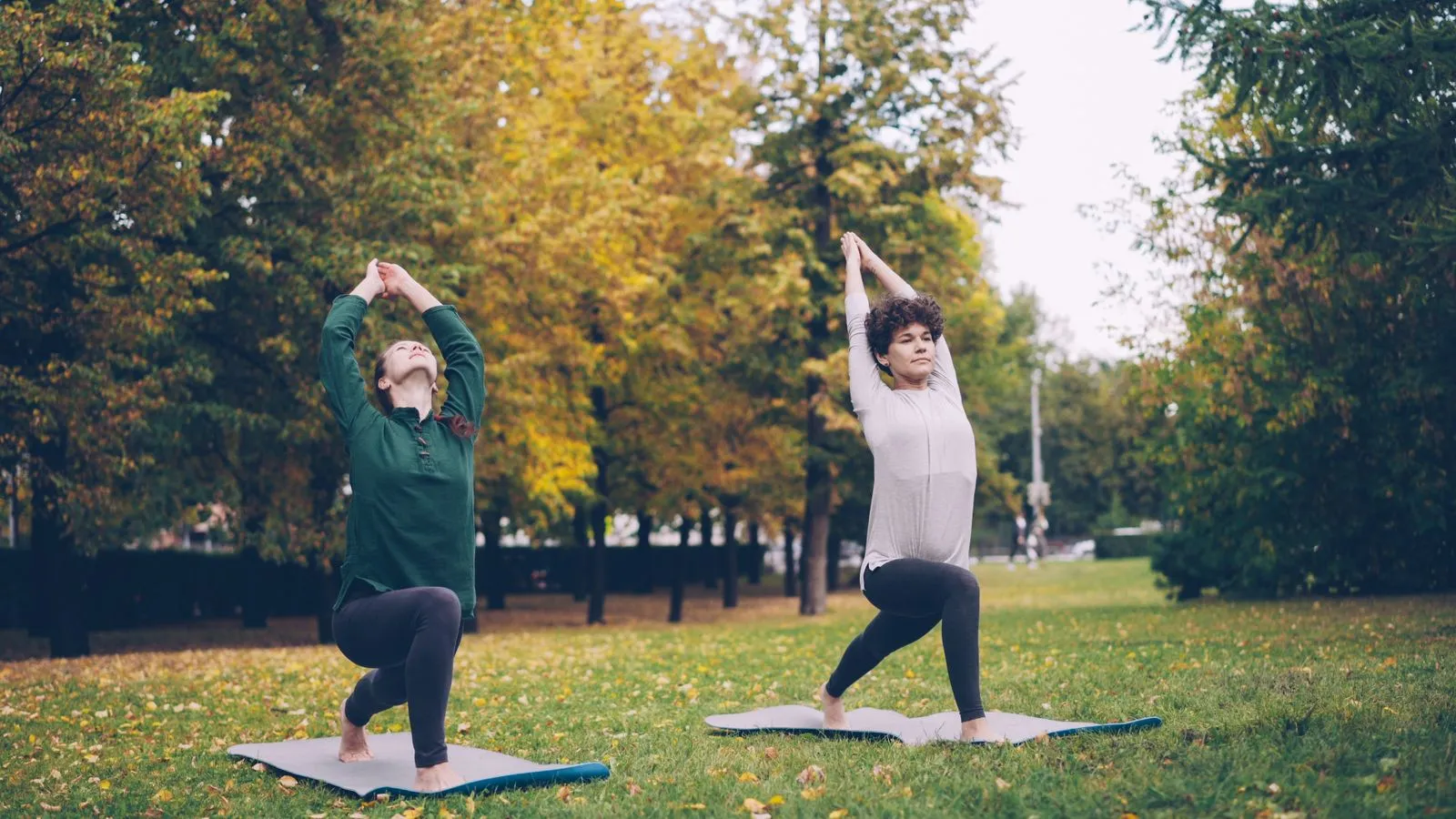
Finding Your Ideal Dedicated Vinyasa Space: What to Consider
Choosing the right dedicated space means looking beyond just the location and delving into the quality of instruction, the community, and the overall environment. These factors will determine whether a space truly supports your practice and growth.
Teacher Expertise and Style
- Look for certified teachers, ideally those registered with Yoga Alliance (RYT), which indicates they have completed a standardized training program. Many schools, including YMB Yoga School, are a Registered Yoga School (RYS) with Yoga Alliance.
- Consider if the teaching style resonates with you. Some Vinyasa teachers are more alignment-focused, while others are more free-flowing or philosophical. Try a few classes to find what you connect with.
- Seek instructors who offer clear cues, provide modifications for different levels, and demonstrate a genuine passion for the practice.
Class Structure and Variety
- Evaluate whether the classes are suitable for your current level—such as beginner-friendly, intermediate, or advanced—and offer options for progression.
- Look for variety in sequencing, themes, or durations to keep your practice engaging.
- Check for supplementary offerings like workshops, special events, or other yoga styles that might complement your Vinyasa practice.
Community and Atmosphere
- A welcoming and inclusive environment can significantly enhance your experience. The space should feel supportive and non-judgmental, allowing you to practice without self-consciousness.
- Consider the size of the classes. Some people prefer the personal attention of smaller, intimate settings, while others thrive in the collective energy of larger groups.
- The energy of the ‘casa’ itself—its cleanliness, design, and overall vibe—should align with what makes you feel comfortable and inspired.
Facilities and Amenities
- Ensure the studio or center provides adequate space for movement, proper ventilation, and well-maintained yoga props like mats, blocks, and straps.
- Assess convenience factors such as location, accessibility, and changing room facilities.
- If considering a retreat or teacher training, inquire about what’s included. For example, YMB Yoga School’s training fees include tuition, accommodation, three daily vegetarian meals, yoga mats, and course books.
Exploring Different Types of Vinyasa-focused Spaces
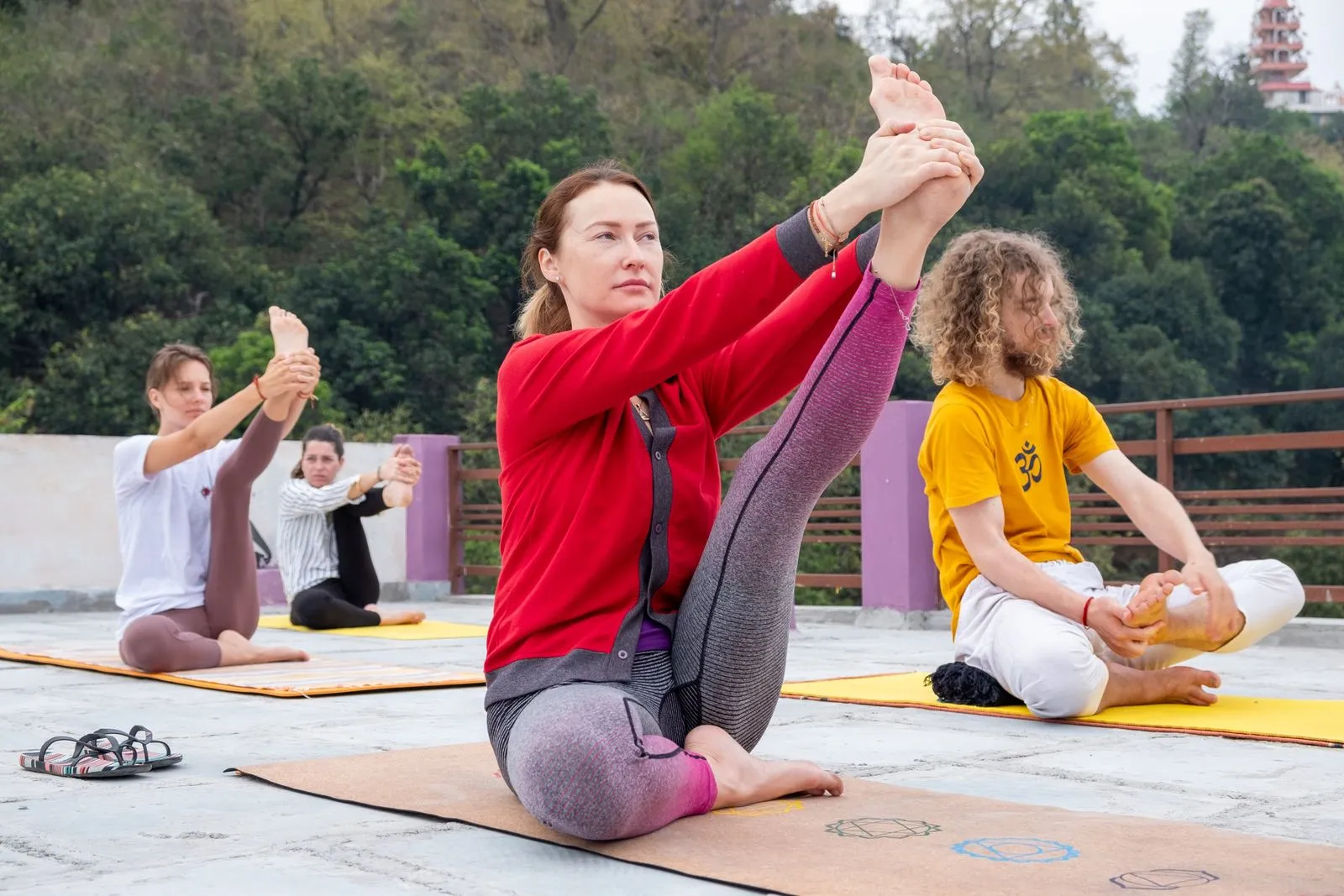
From local studios providing daily classes to immersive international retreats and intensive teacher trainings, dedicated Vinyasa spaces manifest in various forms, each offering a distinct experience.
Local Yoga Studios
These are perhaps the most common dedicated Vinyasa spaces, offering regular, accessible classes for daily or weekly practice. They foster a sense of local community and provide consistent instruction. This is ideal for maintaining a routine and connecting with fellow practitioners in your area.
Yoga Retreat Centers
Retreats offer an immersive escape, often situated in beautiful locations. They combine daily Vinyasa practice with other wellness activities, healthy meals, and opportunities for relaxation and introspection. Retreats can be a wonderful way to deepen your practice over several days or weeks, away from daily distractions. Many popular destinations, like Bali, host renowned yoga retreats that offer a full tropical immersion. For example, Bali offers a range of multi-style yoga retreats, with pricing typically ranging from $1,200-$3,000+, catering to various preferences and budgets, all set against a backdrop of tropical beauty (R8).
Yoga Teacher Training (YTT) Schools
For those seeking a significant deepening of their practice, an intensive study of yoga, or the skills to teach, a YTT program serves as a highly structured environment for Vinyasa practice. These programs, often 100, 200, or 300 hours, provide comprehensive education in asana, philosophy, anatomy, and teaching methodology. There is something for every kind of seeker, and these residential programs provide a focused learning environment. As noted by sources like ’12 Trusted Yoga Schools Around the World,’ whether a practitioner is a beginner seeking their first 200-hour Yoga TTC or a seasoned individual looking for a 500-hour deep dive, YTTs offer programs tailored to various levels of experience and aspirations (R6). The school offers 100-hour, 200-hour, and 300-hour programs to suit different goals.
Comparing Vinyasa-Focused Experiences: Studio, Retreat, and YTT
Understanding the distinct characteristics of local studios, dedicated retreats, and comprehensive teacher training programs is crucial for choosing the type of Vinyasa-focused experience that best suits your current needs and aspirations.
| Feature | Local Studio | Yoga Retreat | Yoga Teacher Training (YTT) |
|---|---|---|---|
| Primary Goal | Consistent practice, community connection | Deepen practice, relaxation, escape | Intensive learning, personal growth, teaching certification |
| Commitment Level | Low to moderate (drop-in or membership) | Moderate (fixed duration, e.g., 5-10 days) | High (intensive, fixed schedule for 2-4 weeks) |
| Typical Duration | 60-90 minutes per class | 3 days to 2 weeks | 10 days (100hr) to 28 days (300hr) |
| Focus | Primarily asana practice | Asana, meditation, wellness activities | Asana, philosophy, anatomy, teaching methodology |
Ready to Train in Bali?
YMB Yoga School in Klungkung runs monthly intakes for its Yoga Alliance-certified courses: the all-inclusive 200-hour training from $1,450 (23 days) and the 300-hour from $2,400 (28 days). A $380 deposit secures your spot.
Why Bali is a Sought-After Destination for Vinyasa Casas and YTT
Among the myriad of global destinations that embrace yoga, Bali stands out as a truly unique and enriching locale for finding a dedicated space for Vinyasa, especially for those considering an immersive teacher training experience.
- Spiritual and Cultural Immersion: Bali, often called the ‘Island of the Gods,’ offers a spiritual atmosphere that naturally complements yoga practice. Its rich Hindu culture, daily rituals, and serene landscapes provide a powerful backdrop for introspection. This tropical immersion is a key part of the experience.
- Natural Beauty: From lush rice paddies and volcanic mountains to beautiful beaches, Bali’s diverse natural environment creates an ideal setting for focused study and deep relaxation.
- Global Yoga Hub: The island has become an international destination for yoga, attracting experienced teachers and students from all over the world. According to some sources, many well-regarded yoga schools are in Bali, creating a vibrant and supportive community for practitioners. This sentiment is echoed in a publication by Bipin Baloni titled ’12 Trusted Yoga Schools Around the World,’ which highlights how such schools earn their reputation through real teaching, authentic experiences, and measurable student outcomes (R1, R2, R5).
- Diverse Offerings: Bali boasts a wide array of options, from world-class retreat centers to highly-rated Yoga Teacher Training schools. You can find everything from a short retreat to a comprehensive guide to Yoga Teacher Training in Bali.
Deepening Your Practice: Starting on a Vinyasa Teacher Training Path
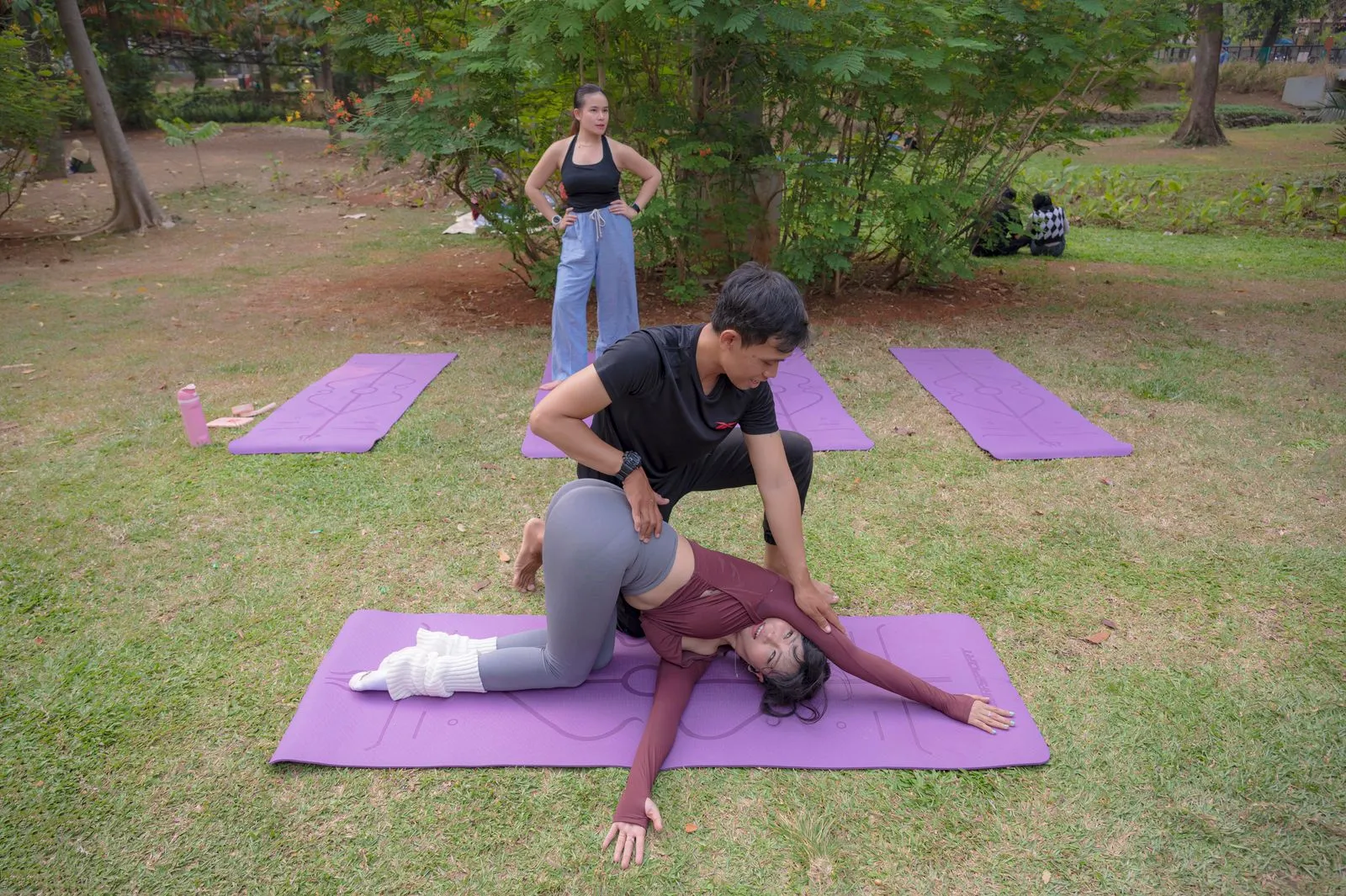
For dedicated practitioners who wish to transform their personal Vinyasa journey into a path of mastery or even a teaching career, a specialized Yoga Teacher Training (YTT) provides an unparalleled depth of learning.
The Transformative Power of YTT
Beyond just physical postures, YTT covers the philosophical underpinnings of yoga, anatomy, meditation, pranayama (breathwork), and teaching methodology. It offers a complete understanding of the practice. It’s a period of intense personal growth and self-discovery, often fostering deep connections within a supportive community. Even if teaching isn’t the primary goal, a YTT significantly deepens one’s personal practice and understanding. The benefits of yoga teacher training extend far beyond the mat.
Choosing the Right Vinyasa YTT Program
- Curriculum Focus: Ensure the program has a significant emphasis on Vinyasa yoga, alongside other traditional styles, to align with your interests.
- Yoga Alliance RYS Registration: Look for schools registered with Yoga Alliance (RYS) to ensure a recognized standard of training. Graduates can then apply for RYT certification.
- Faculty Experience: Research the lead trainers’ backgrounds, experience, and philosophies. Many schools, including this one, feature experienced Indian and Balinese teachers.
- Location and Environment: Consider whether a focused, quiet environment—such as those found in Klungkung, Bali—is more conducive to your learning style than a busier tourist hub.
- Course Duration and Structure: Programs range from 100-hour introductions to 200-hour foundational trainings and advanced 300-hour courses. A 200-hour course is the standard for a teaching foundation, as a 100-hour course is generally not enough to begin teaching professionally. Many newcomers wonder if they can join a 200-hour training as a beginner, and indeed, many programs are designed to accommodate dedicated beginners (R3). However, it’s important to note that a 100-hour YTTC course alone is typically not considered sufficient to prepare someone to teach yoga professionally immediately (R4).
- Assessment: Understand the graduation criteria. Its programs, for example, include two theory exams and one practical teaching exam to ensure comprehension and readiness.
- Inclusions: Confirm what is included in the price, such as accommodation, meals, and study materials. This helps you understand the full value of a 200-hour Yoga Teacher Training in Bali.
Cultivating Your Personal Vinyasa Practice Space: Tips for Home Practice
While structured classes and intensive trainings offer invaluable guidance, the true essence of a dedicated Vinyasa space can also be cultivated within the quietude of your own home, fostering a deeply personal and consistent practice.
Setting Up Your Sacred Space
- Designate a specific area, however small, just for your practice. This physical demarcation helps signal to your mind that it’s time for yoga.
- Keep the space clean, clutter-free, and well-ventilated. Adding elements like plants or candles can enhance the atmosphere.
- Gather essential props: A good quality mat is fundamental. Blocks, straps, and blankets can greatly support and deepen your practice, making poses more accessible.
Resources for Independent Flow
- Utilize online platforms. Numerous apps, YouTube channels, and subscription services offer a vast library of Vinyasa classes for all levels.
- Invest in books or sequence cards. These can provide inspiration and structure if you prefer to practice without a screen.
- After a class you love, jot down the sequence or key transitions to help you recreate the flow on your own.
Key Principles for Sustainable Home Practice
- Consistency Over Duration: Even 15-20 minutes of daily practice is more beneficial than one long session per week. Build the habit first.
- Listen to Your Body: Without a teacher present, it’s crucial to be extra mindful of your body’s signals. Modify or rest as needed, and never push into pain. If you have any pre-existing health conditions or injuries, it’s always best to consult with a doctor or physical therapist before starting a new physical activity.
- Set an Intention: Begin each home practice with a clear intention—whether it’s for patience, strength, or peace—to anchor your focus and bring purpose to your movements.
- Embrace Imperfection: Your home practice doesn’t need to be flawless. It’s a space for exploration, self-care, and personal connection, free from external judgment.
Frequently Asked Questions
Is Vinyasa yoga suitable for beginners?
Yes, Vinyasa yoga is absolutely suitable for beginners. Look for classes labeled ‘beginner Vinyasa’ or ‘slow flow,’ which emphasize foundational poses, clear alignment cues, and slower transitions. Focus on listening to your body and moving at your own pace. Many 200-hour Yoga Teacher Training programs, like those for Registered Yoga Schools (RYS), also welcome dedicated beginners who want to establish a strong foundation, even if they don’t plan to teach.
What is the main difference between Vinyasa and Hatha yoga?
The primary difference lies in the pacing and sequencing. Vinyasa yoga is dynamic and fluid, characterized by continuous movement synchronized with breath to create a ‘flow’ from one pose to the next. Hatha yoga is generally slower-paced, focusing on holding individual postures for longer durations with pauses between them, emphasizing precise alignment.
How often should I practice Vinyasa yoga to see results?
For noticeable physical and mental benefits, practicing Vinyasa yoga two to three times per week is a great start. Consistency is more important than duration; even shorter, regular sessions can be highly effective. More frequent practice, such as four to five times a week, can accelerate results in strength, flexibility, and mindfulness, provided you also allow for adequate rest.
What should I expect a typical Vinyasa class to feel like?
Expect a moderately to vigorously paced class that flows continuously. You’ll likely generate internal heat and sweat as you move through sequences that often include sun salutations and creative transitions. Emotionally, the class can feel both challenging and invigorating, culminating in a sense of deep calm and clarity during the final relaxation pose (savasana).
For instance, at our Yoga School in Klungkung, Bali, the Registered Yoga School (RYS) 200-hour and 300-hour programs explore Vinyasa alongside other traditional styles, providing a comprehensive foundation for both personal mastery and teaching.
Starting on your Vinyasa path, whether in a local studio, a focused retreat, or through dedicated teacher training, offers a powerful way to enhance self-discovery and well-being. May your chosen Vinyasa space be a source of strength, peace, and endless inspiration.