Written by the teaching team at YMB Yoga School in Klungkung, Bali.
A Tantra Teacher Training Course is an in-depth program designed to deepen your personal understanding and practice of Tantra, while also equipping you with the knowledge and skills to teach its principles to others. These courses often cover Tantric philosophy, meditation, ritual, energy work, and somatic practices, with approaches ranging from traditional lineages to modern interpretations. They provide a structured environment for personal growth and the development of a responsible teaching practice.
What is Tantra? Understanding its Diverse Foundations
To fully grasp what a Tantra training entails, it’s crucial to first understand Tantra itself, a spiritual path often misunderstood in Western culture. It is a comprehensive system of thought and practice that offers a path to spiritual awakening by integrating all aspects of human life, rather than renouncing them.
The Ancient Roots of Tantra
Tantra originates from ancient Indian traditions, with roots in both Hinduism and Buddhism that predate many forms of modern yoga. Central to its philosophy is the interplay of Shakti, the dynamic divine feminine energy, and Shiva, the formless divine masculine consciousness. The goal is to recognize and unite these principles within your own being.
Beyond Misconceptions: Tantra’s True Essence
The common Western misconception that Tantra is solely about sexual techniques obscures its vast and rich philosophy. While some practices may include sexuality as a sacred act, Tantra’s true essence is about using every experience—sensory, emotional, and physical—as a tool for liberation (moksha) and spiritual awareness. It’s a path that says “yes” to life, viewing the body and the material world as gateways to the divine.
Classical vs. Modern Tantra: Understanding the Differences
Tantric teachings have evolved over centuries, leading to a distinction between classical and modern approaches. Classical Tantra, such as Kashmir Shaivism or the Nath Sampradaya, involves complex philosophical systems, mantra recitation, and deity worship, traditionally passed down through a dedicated master-disciple lineage since ancient times. This path often requires years of dedicated study. For an excellent primer on shared roots, see this guide to Understanding Yoga Teacher Training Course (TTC): Types of Programs and Benefits.
Modern or Neo-Tantra, sometimes influenced by twentieth-century figures like Osho, often reinterprets these principles. For instance, some internationally recognized Tantra teachers have extensively engaged with Osho’s teachings, living and immersing themselves in meditation, sacred dance, and inner transformation in India for decades, starting as early as 1979. This approach tends to focus more on personal growth, conscious relationships, emotional release, and sacred sexuality, using practices that are more accessible and experiential for contemporary students. The journey towards becoming such a teacher might also involve a profound personal shift, like leaving a business or academic career in 2015 to dedicate oneself entirely to meditation, yoga, shamanism, and energetic healing, ultimately influencing the modern Tantra landscape.
| Aspect | Classical/Traditional Tantra Training | Modern/Neo-Tantra Training |
|---|---|---|
| Primary Focus | Spiritual liberation, philosophical study, deity worship, ritual, energy mastery | Personal growth, conscious relationships, sacred sexuality, emotional release, embodiment |
| Key Practices | Mantra, Yantra, Mudra, complex rituals, specific meditative lineages, Hatha Yoga | Conscious touch, communication exercises, dynamic meditations, breathwork, embodiment practices, modern therapeutic techniques |
| Lineage Emphasis | Strong adherence to ancient texts and specific master-disciple lineages (e.g., Nath Sampradaya) | Often draws inspiration from various sources, less rigid adherence to a single lineage, emphasis on individual experience |
| Engagement with Sexuality | Often sublimated or understood symbolically within a broader energetic and spiritual context | Explicitly explores and integrates sexuality as a path to spiritual connection and healing, with emphasis on consent |
| Duration & Format | Can be multi-year, ongoing mentorship, deep theoretical study | Often intensive, shorter courses, workshops, focus on experiential learning |
| Teacher Background | Often comes from long-term traditional study with deep scriptural knowledge, sometimes since the 1980s | May come from diverse backgrounds including psychology, therapy, and various spiritual paths |
Ready to Train in Bali?
YMB Yoga School in Klungkung runs monthly intakes for its Yoga Alliance-certified courses: the all-inclusive 200-hour training from $1,450 (23 days) and the 300-hour from $2,400 (28 days). A $380 deposit secures your spot.
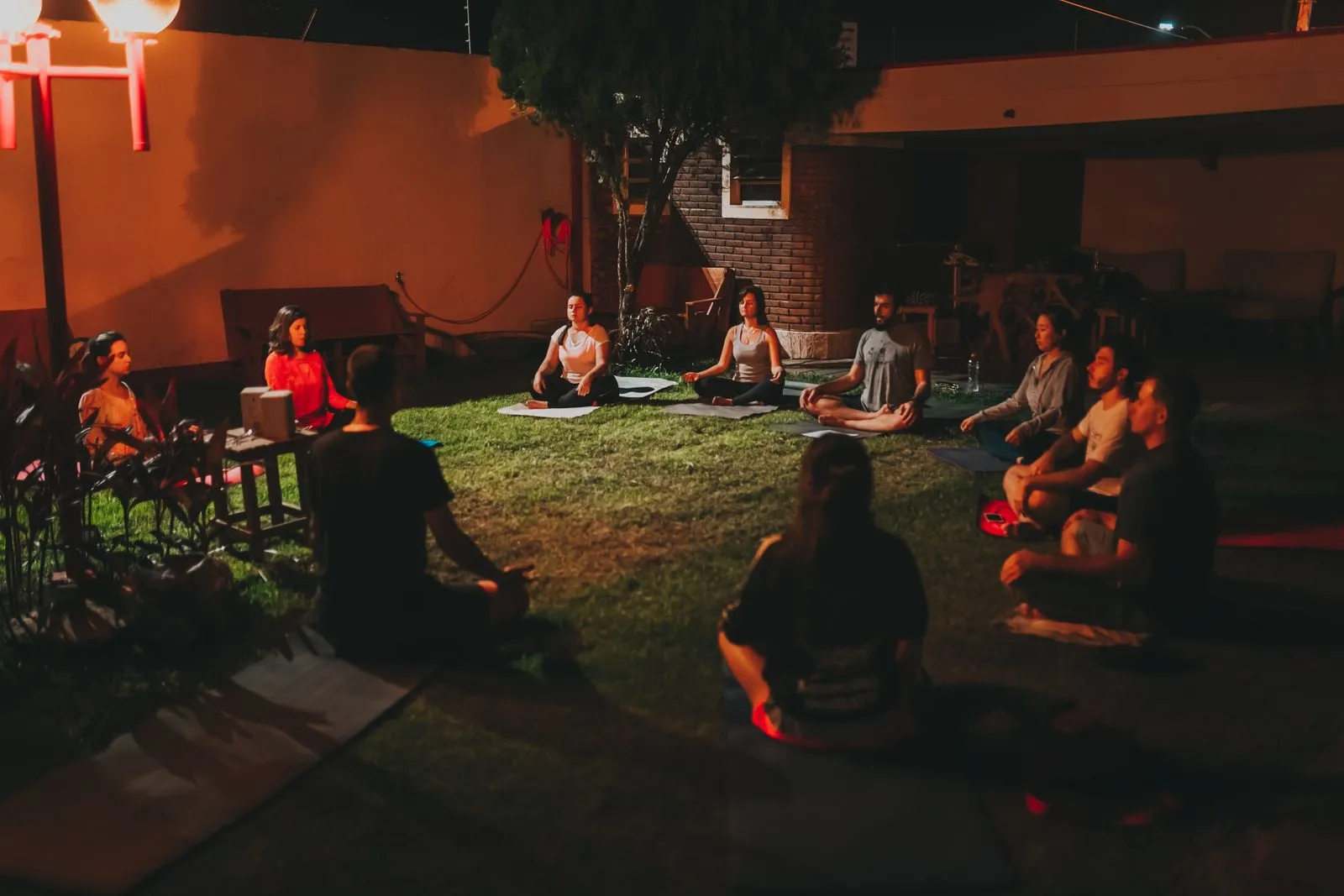
The Core Curriculum: What to Expect in a Tantra Teacher Training Course
A Tantra Teacher Training Course is designed to offer a multifaceted education, integrating philosophical wisdom with experiential practices to prepare trainees for both personal development and responsible teaching. While curricula vary between schools, a comprehensive program will typically include the following core components.
Tantric Philosophy and Sacred Texts
This foundational module involves the study of key Tantric texts, such as the Shiva Sutras or the Vijnana Bhairava Tantra, and their interpretation. You will learn to understand central concepts like Maya (illusion), Karma (action), and Dharma (purpose) from a Tantric perspective, which often differs from classical yoga. A good understanding of Yoga Philosophy: Exploring the Foundations of Practice can provide a helpful starting point.
Energetic Anatomy and Practices (Chakras, Kundalini)
A significant part of the training is dedicated to the subtle body. You will explore the map of the chakras (energy centers) and nadis (energy channels) in detail. The curriculum will cover specific practices, including breathwork and meditation, aimed at purifying these channels and safely awakening Kundalini energy.
Tantric Meditations, Mantra, and Rituals
You will be guided through a variety of Tantric meditation techniques, which may include visualization, active meditations, and specific forms of Pranayama (breath control). The use of mantra (sacred sounds) and yantra (sacred diagrams) is also central. You’ll learn not just how to perform these practices, but also the purpose and symbolic meaning behind Tantric rituals and ceremonies.
The Art of Sacred Touch and Conscious Communication
Many trainings include practices that involve physical connection. This is where you learn the art of conscious, non-sexual touch, with a strong emphasis on establishing clear boundaries and obtaining consent. You will also develop essential communication skills, including active listening and providing clear, compassionate guidance, which are vital for creating a safe space for others.
Ethical Teaching and Holding Space
Holding space for others to explore sensitive areas of their lives is a great responsibility. A quality training dedicates significant time to the ethical considerations of teaching Tantra. This includes understanding power dynamics, maintaining student confidentiality, and establishing firm professional boundaries, especially when topics of intimacy and sexuality are part of the curriculum.
Beyond the Classroom: The Personal Growth of a Tantra Teacher Trainee
Beyond the academic and practical instruction, a Tantric training program is fundamentally a process of deep personal development, often leading to significant shifts in self-perception and how you interact with the world. The many benefits of teacher training extend far beyond the certificate.
Deepening Self-Awareness and Embodiment
The intensive and focused nature of the training brings a heightened awareness to your physical, emotional, and energetic bodies. This often leads to a greater sense of presence and embodiment in daily life. For some, this can be a calling that follows a major life change; for example, one teacher’s spiritual journey took a profound turn after a life-changing spinal injury at age 29, which led them to dedicate their life to self-discovery, awakening, and healing, deeply impacting their approach to embodiment.
Cultivating Authentic Connection
Through guided partner and group exercises, you learn to relate to others from a place of authenticity and vulnerability. Practices in conscious communication and consensual touch teach you how to form deeper, more meaningful connections, first with yourself and then with those around you.
Healing and Integration of Past Experiences
The safe, structured environment of a training can be a container for healing. It can facilitate the release and integration of past emotional blockages or traumas, fostering a greater sense of wholeness. Many graduates report that the experience guided them toward ‘self-discovery, awakening, and healing,’ echoing sentiments of practitioners who, following significant personal challenges like life-altering physical injuries, chose to dedicate their lives to this path of inner exploration and recovery.
Personal Empowerment and Spiritual Awakening
By embracing all aspects of yourself—both light and shadow—you cultivate profound self-acceptance. This process often leads to a significant increase in self-confidence, a clearer sense of purpose, and a more direct connection to your spiritual life.
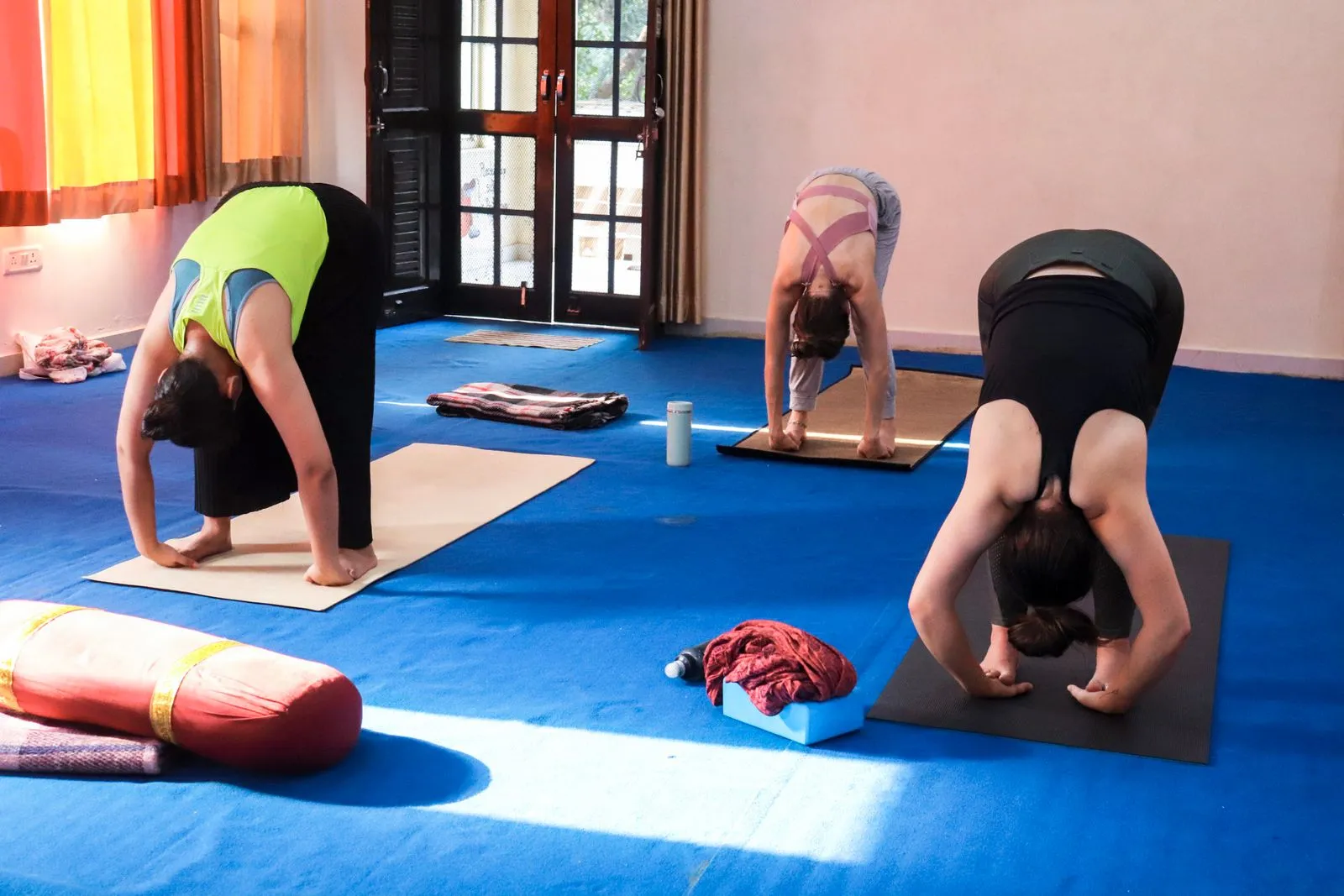
Becoming a Teacher: Accreditation, Ethics, and Future Paths
For those aspiring to guide others, completing a Tantra Teacher Training Course is a significant step, but understanding the landscape of certification, ethics, and professional development is crucial for responsible teaching.
Understanding Tantra Certification
Unlike the world of yoga, which has organizations like Yoga Alliance for RYT designation, there is no single, universal accrediting body for Tantra. A tantra certification is typically issued by the individual school or teacher and its value is based on the school’s reputation, the depth of its curriculum, and the experience of its facilitators. For instance, some established international Tantra schools boast over 12 years of experience leading courses in various locations, such as Koh Phangan, Thailand, and Greece, demonstrating a long-standing commitment to the practice and teaching of Tantra.
Ethical Guidelines for Tantra Teachers
Given the intimate and sometimes vulnerable nature of Tantric work, upholding strict ethical guidelines is paramount. A responsible teacher must always prioritize creating a safe container for students. This means ensuring clear communication, obtaining informed consent for all practices, maintaining confidentiality, and consciously avoiding any form of student exploitation.
Integrating Tantra into Your Offerings
After completing a training, you might choose to become a dedicated tantra teacher, offering workshops, retreats, or one-on-one sessions. Many graduates also integrate Tantric principles and practices into their existing professions, such as yoga teaching, life coaching, bodywork, or therapy, to add depth and a new dimension to their work.
Continued Learning and Professional Development
Receiving a certificate is not the end of your education. A true teacher remains a lifelong student. A continuous commitment to your own personal practice, seeking mentorship or supervision, and pursuing ongoing education are essential for maintaining integrity and continuing to grow as a guide for others.

Choosing the Right Tantra Teacher Training for Your Path
Given the diversity within Tantric teachings, selecting the right program requires careful consideration to ensure it aligns with your personal aspirations and philosophical inclinations.
Researching Lineages and Teaching Styles
First, investigate the school’s approach. Does the program adhere to a classical Tantric tradition, perhaps one that requires multi-year study starting in a specific year like 2027? For example, a 3-year Yoga and Tantra training, rooted in the texts and direct experience of the Ananda Nath Sampradāya tradition and passed on from master to disciple since 1985, is scheduled to begin in January 2027 in the Hérault region of France. These specialized programs, co-organised with Indian masters and often held monthly in locations like Mons (34390) – nestled in the Orb valley at the foot of the Caroux, next to the Gorges d’Héric – might offer accommodation for a limited number of participants (e.g., 10 places) to ensure a dedicated and intimate learning environment. Or does it offer a more modern, integrative approach? Consider which style best suits your learning preferences and spiritual goals.
Assessing Teacher Experience and Authenticity
Look into the backgrounds of the teachers. How long have they been practicing and teaching? Some respected teachers have over 30 years of experience, having studied with masters like Osho in India since the 1970s. For example, one internationally recognized Tantra teacher gained profound insights from the enlightened mystic Osho in India, dedicating 25 years to living immersed in meditation and inner transformation. Other teachers may have embarked on their spiritual journeys earlier, with some delving into yoga, Tantra, and Vipassana as far back as 2006, receiving significant mentorship and traveling internationally (e.g., to Thailand in 2012) to learn traditional healing methods. Similarly, some practitioners have dedicated over 15 years to leading extensive Tantra workshops, sharing their message of loving presence. Read their biographies to understand their personal path and see if their energy and style resonate with you.
Practicalities: Location, Duration, and Group Size
Consider the logistics. Programs can range from short, residential intensives to modular trainings spread over several years. Think about the format that works best for your life. Also, consider the location. A destination known for its spiritual depth, like Bali, can provide a supportive environment that enhances the learning process. The group size can also affect your experience, so inquire about the typical number of students.
Trusting Your Intuition
After you have done your research, take a moment to listen to your inner guidance. Read testimonials or, if possible, connect with past graduates to get a feel for the school’s community. Often, the right training will create a strong, intuitive pull, letting you know it’s the correct path for you.
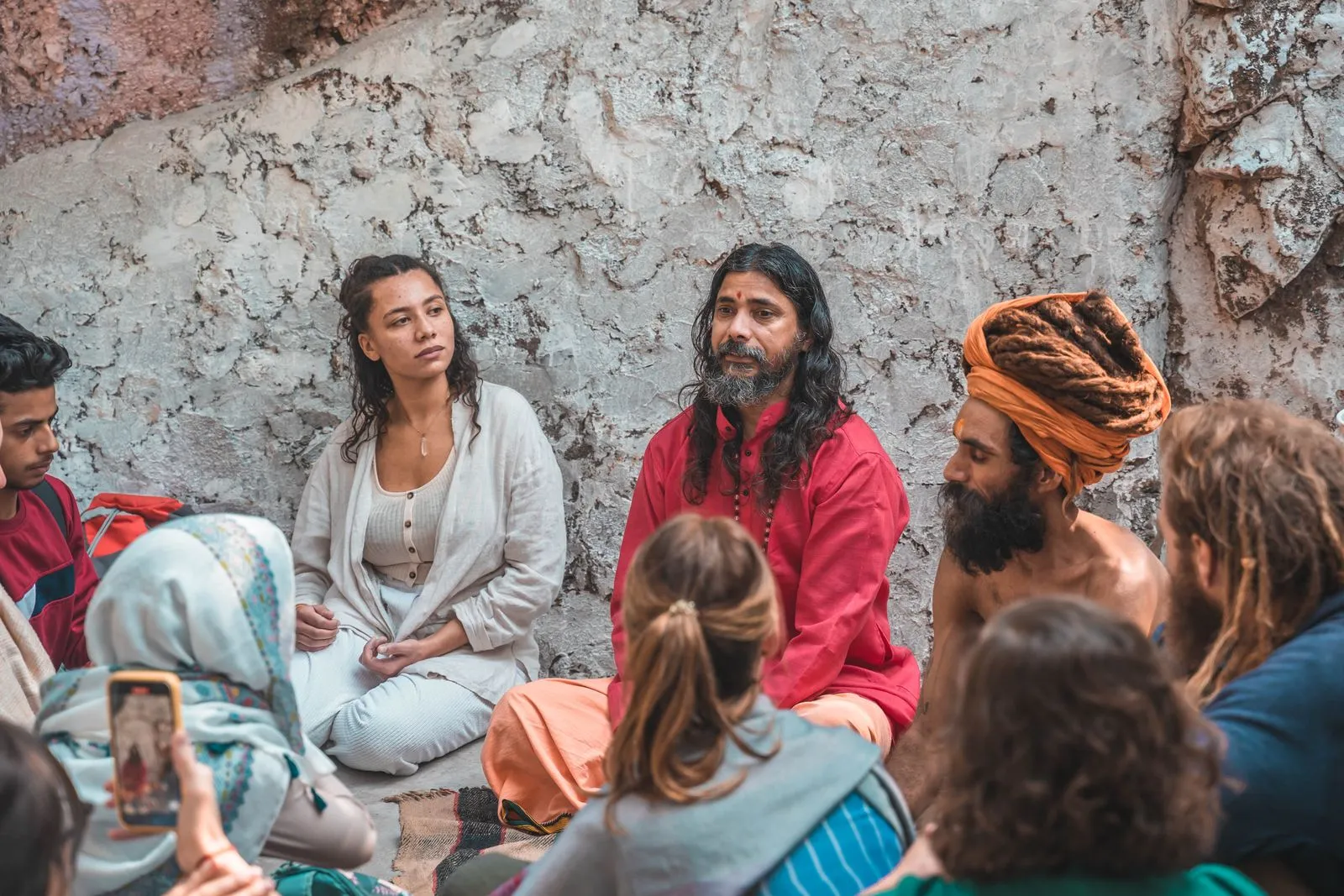
Preparing for Your Tantra Teacher Training Journey
Embarking on a Tantric teacher training program is a significant commitment, and thoughtful preparation can greatly enhance your experience and capacity for learning.
Mental and Emotional Preparation
The most important preparation is to cultivate an open mind. Tantric philosophy and practices can challenge conventional beliefs and push you out of your comfort zone. Start a simple meditation or journaling practice before you go to build self-awareness and emotional resilience for the work ahead. If you’re wondering Who Can Do Yoga Teacher Training?, the answer is anyone with a sincere desire to learn.
Physical Well-being and Self-Care
Intensive trainings can be physically and energetically demanding. In the weeks leading up to your course, prioritize your health with balanced nutrition, adequate sleep, and gentle movement. Arriving well-rested and healthy will allow you to be fully present for the experience.
Practical Arrangements: Travel and Accommodation
Handle your logistics well in advance. For an international course, such as one in Bali, book your flights and ensure you have the necessary visas and travel arrangements. Confirm your accommodation, whether it is a shared room, a standard private room, or a private bungalow. Planning ahead for a specific start date, such as one in January 2027, ensures a smooth arrival. Informing family and friends that you will be in an intensive study period can also help create a supportive space for your deep dive.
From Study to Practice
The path of Tantra is one of direct experience. A teacher training provides the map, the tools, and the guidance, but you are the one who walks the path. It is a commitment to yourself and to a life of greater awareness, connection, and authenticity.
Here at YMB Yoga School, our foundational yoga teacher trainings in the peaceful environment of Klungkung, Bali, provide a strong base in philosophy, ethics, and practice that can serve as a stepping stone for deeper contemplative studies.
Frequently Asked Questions
Is Tantra Teacher Training only about sex?
No, this is a common misunderstanding. While some modern Tantra courses explore conscious sexuality as one aspect of spiritual connection, traditional Tantra is a vast spiritual science. It encompasses philosophy, ritual, meditation, energy work, and personal development, with the primary aim of using all of life’s experiences for spiritual awakening.
What’s the difference between Tantra Teacher Training and Yoga Teacher Training?
While both share ancient roots and some practices, their focus differs. A Yoga Teacher Training (YTT) typically centers on teaching yoga asana, anatomy, and alignment for a general class setting. A Tantra training delves more specifically into Tantric philosophy, energetic anatomy (chakras, kundalini), ritual, and often conscious relating, with a strong emphasis on personal development and guiding others through these specific practices.
How long does a Tantra Teacher Training typically last?
The duration varies significantly. Some schools offer intensive residential programs that can be completed in a few weeks. Other courses, especially those rooted in traditional lineages, are designed as long-term studies that can span several months or even be structured as a 3-year program.
What are the prerequisites for enrolling in a Tantra Teacher Training?
Prerequisites differ by school. Some programs may require previous experience in yoga or meditation, while others are open to dedicated beginners with a sincere interest and emotional maturity. It is always best to check the specific requirements of the course you are considering. A foundational 200-hour yoga training can be beneficial for understanding shared concepts.