Introduction: The Importance of Stress Relief
Stress is an all-too-familiar experience in today’s fast-paced world. Many individuals face overwhelming pressure from work, relationships, and daily responsibilities. The prevalence of stress has led to a critical need for effective stress relief techniques that can improve overall well-being. Unmanaged stress can result in severe health issues, making it essential to adopt practices that promote relaxation and mental clarity.
Yoga has emerged as a popular method for managing stress, drawing attention for its holistic approach to well-being. This practice integrates physical movement, breathing exercises, and mindfulness, creating a comprehensive toolkit to cope with stress and anxiety. The increasing trend of yoga practice worldwide highlights its effectiveness in promoting mental health, making it a top choice for individuals seeking peace and balance in their lives. In fact, research has shown that regular yoga practice can significantly reduce stress levels and improve emotional resilience 2, 6.
Quick Answer
What is Yoga for Stress Relief?
Yoga is a holistic practice that combines physical postures, breathing exercises, and meditation to alleviate stress. It enhances mental clarity, physical health, and emotional balance, making it an effective tool for managing stress. By engaging in yoga, practitioners often experience reduced anxiety and stress levels, contributing to improved overall well-being 2, 8.
Key Benefits of Yoga for Stress Relief
Yoga provides multiple benefits that contribute to stress relief, including:
| Benefit | Description | Sources |
|---|---|---|
| Improves Mental Clarity | Yoga helps to focus the mind, leading to better decision-making and problem-solving. | <a href=”https://pmc.ncbi.nlm.nih.gov/articles/PMC10919405/”>4</a> |
| Enhances Physical Health | Regular yoga practice can improve flexibility, strength, and overall physical wellness. | <a href=”https://www.health.harvard.edu/healthy-aging-and-longevity/yoga-for-better-mental-health”>6</a> |
| Fosters Emotional Balance | Mindfulness practices in yoga help regulate emotions, reducing feelings of anxiety. | <a href=”https://lifestylemedicine.stanford.edu/how-yoga-affects-the-brain-and-body-to-reduce-stress/”>9</a> |
In summary, yoga’s integrated approach can effectively combat stress by addressing both the mind and body, making it a popular choice for stress management.
Key Takeaways
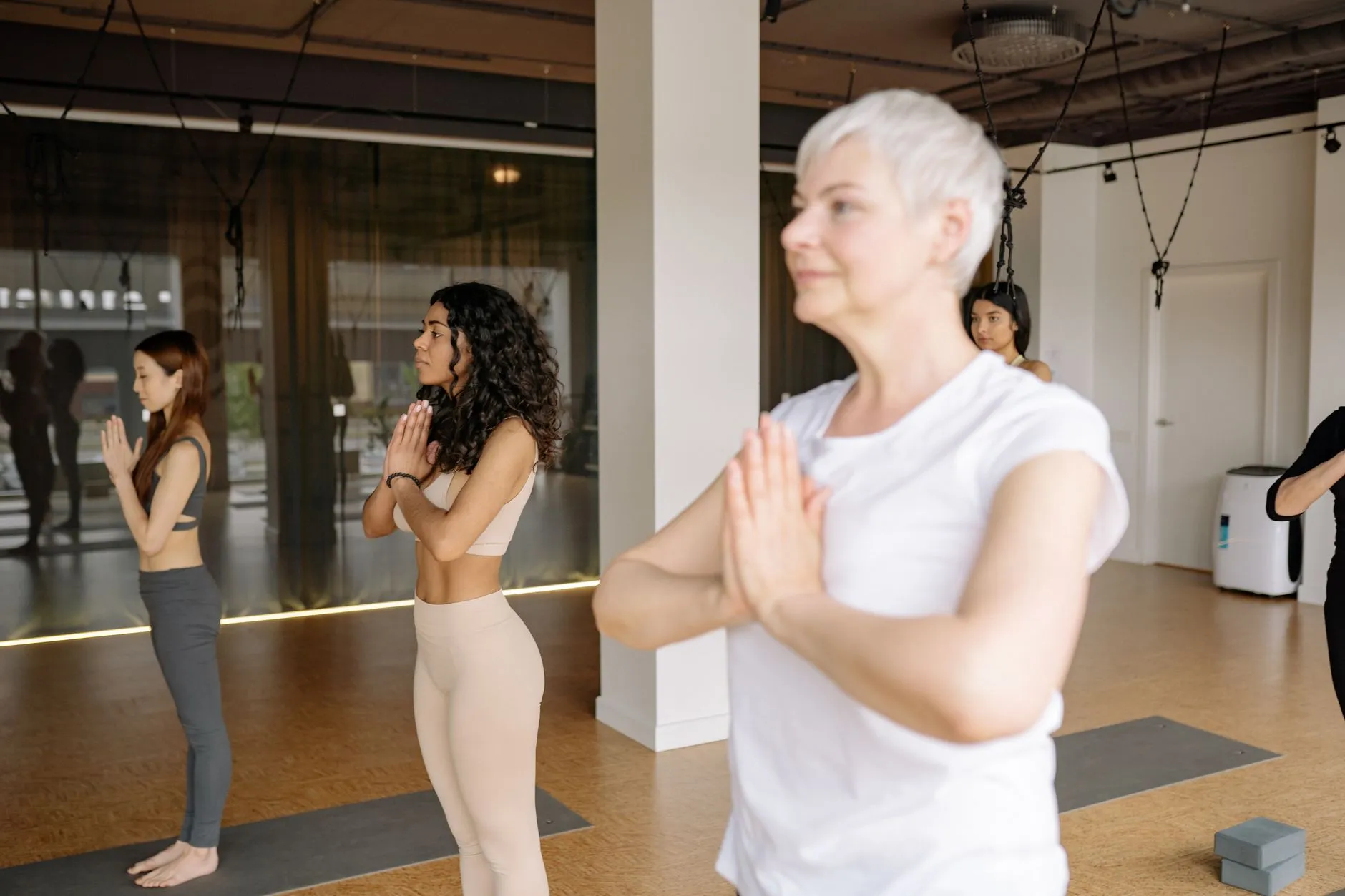
Yoga serves as an effective means for stress relief, combining movement, breath, and mindfulness. Regular practice lowers stress hormones like cortisol, enhancing overall mental health and emotional resilience. Various yoga styles cater to different stress levels and integrate breathwork, which can significantly improve stress management.
Essential Points About Yoga for Stress Relief
| Aspect | Description | Benefits |
|---|---|---|
| Movement | Incorporates physical postures to relieve physical tension and improve flexibility. | Reduces muscle tightness |
| Breath and Mindfulness | Combines focused breathing techniques with mindfulness practices for relaxation. | Lowers heart rate and promotes calmness |
| Style Variations | Different styles like Hatha, Vinyasa, and Yin target unique stress-related concerns. | Tailored approaches for varied needs |
| Mental Health | Regular yoga practice has shown improvement in mood and reduction in anxiety and depression symptoms. | Enhances emotional resilience |
| Integrated Approach | Breathwork practices alongside yoga poses enhance the overall stress-relief experience. | Supports deeper relaxation |
Practicing yoga not only impacts the physical body but also promotes mental clarity and emotional strength. By engaging in various styles and routines available at YMB Yoga School, students can find the best practices suited for their individual stress management needs 2, 8.
Understanding Stress and Its Impact
Stress is a response to demands or pressures that exceed an individual’s ability to cope. It can be classified into two main types: acute and chronic. Acute stress is short-term and can arise from specific events or situations, while chronic stress persists over a long period, often resulting from ongoing challenges or pressures in life. Both types of stress can lead to significant physiological and psychological effects. Physiologically, stress can cause increased heart rate and elevated blood pressure, whereas psychologically, it can lead to anxiety, depression, and other mental health issues 2.
The Importance of Managing Stress
Managing stress is essential because unmanaged stress can have severe consequences on physical and mental health. Prolonged stress can lead to a variety of health problems, including heart disease, obesity, and decreased immune function. On the other hand, effective stress management can enhance overall well-being, improve mood, and boost energy levels. It can also foster resilience and enhance coping mechanisms in challenging situations 4.
Managing stress involves implementing various strategies, such as practicing yoga, which has proven to positively affect stress reduction. Here’s a comparison of some effective stress management techniques:
| Technique | Description | Benefits |
|---|---|---|
| Yoga | Physical and mental practice of postures and breathing | Reduces anxiety, builds resilience <a href=”https://www.verywellmind.com/the-benefits-of-yoga-for-stress-management-3145205″>8</a> |
| Meditation | Focused breathing and mindfulness practices | Enhances mental clarity and relaxation <a href=”https://www.bhf.org.uk/informationsupport/heart-matters-magazine/wellbeing/mindfulness-meditation-for-stress-relief”>17</a> |
| Breathing Exercises | Controlled breathing techniques | Helps in immediate stress relief <a href=”https://www.nhs.uk/mental-health/self-help/guides-tools-and-activities/breathing-exercises-for-stress/”>20</a> |
By utilizing these methods, individuals can effectively manage their stress levels and improve their overall quality of life. Embracing a practice like yoga at YMB Yoga School in Bali not only helps individuals learn to manage their stress but also fosters a community of support and growth.
The Science Behind Yoga and Stress Relief
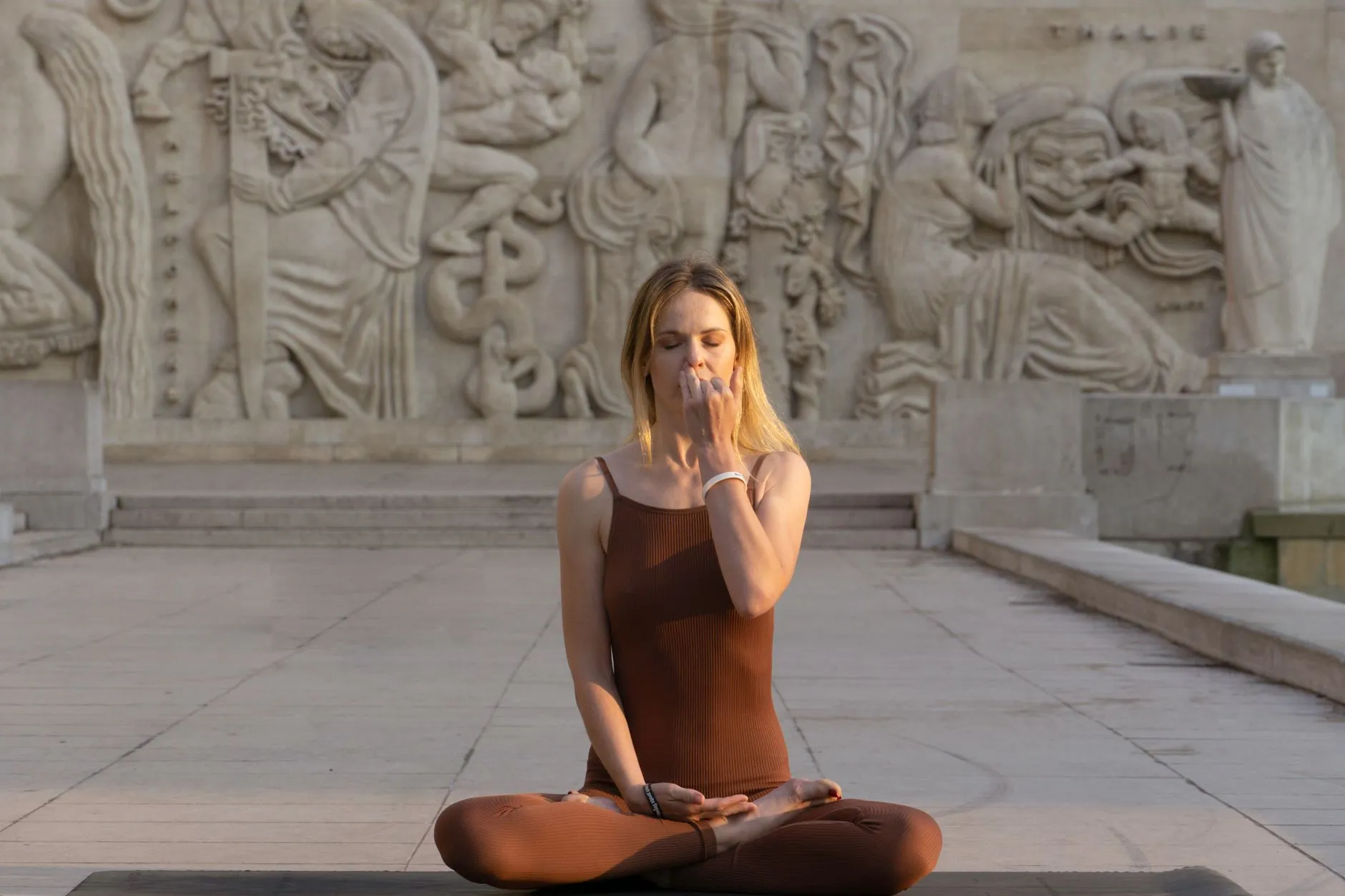
Yoga is a holistic practice that promotes physical, mental, and emotional well-being. The mental health benefits of yoga stem from its focus on mindfulness, deep breathing, and the connection between body and mind. Techniques such as controlled breathing and meditation are integral to yoga, helping to reduce stress and anxiety while enhancing mood and emotional resilience. These practices activate the parasympathetic nervous system, which promotes relaxation and counteracts the stress response.
How does yoga specifically influence stress levels? Engaging in regular yoga practice can lead to lower cortisol levels—the hormone primarily responsible for stress. Moreover, mindfulness incorporated in yoga fosters a more profound awareness of one’s thoughts and feelings, enabling practitioners to manage stress more effectively by responding rather than reacting to stressful situations.
Research Findings on Yoga and Stress
Recent studies show that yoga is effective in reducing stress among various demographics. Research indicates significant reductions in perceived stress levels after individuals engage in yoga practices. One study found that participants who practiced yoga for eight weeks reported 32% lower levels of stress, highlighting yoga’s potential as a beneficial tool for stress management 2.
| Study Duration | Stress Reduction Rate | Population Sample |
|---|---|---|
| 8 Weeks | 32% | Adults aged 18-65 |
| 12 Weeks | 30% | Workplace employees |
| 10 Weeks | 25% | College students |
These statistics not only emphasize yoga’s effectiveness but also suggest that regular practice can create lasting impacts on overall mental health and stress levels. By practicing at YMB Yoga School, students can harness these benefits, learning techniques that promote tranquility and inner peace.
Key Yoga Practices for Stress Relief
Yoga has long been recognized as a powerful tool for stress relief, combining physical postures, breathing techniques, and mindfulness practices. YMB Yoga School in Bali trains individuals not only in yoga asanas but also in tailored practices aimed at reducing stress and enhancing mental clarity.
Breathing Techniques (Pranayama)
Breathing techniques, known as pranayama, are essential components of yoga that can significantly alleviate stress. Controlled breathing helps to activate the body’s relaxation response. When you consciously regulate your breath, the body receives signals to relax, thereby reducing heart rate and blood pressure. This can create a sense of calm and centeredness, essential for managing stress levels amid daily challenges.
Postures (Asanas) for Stress Relief
Certain yoga postures are particularly effective in relieving stress, promoting relaxation, and enhancing overall well-being. Here are some of the most beneficial asanas:
| Asana | Benefit | Notes |
|---|---|---|
| Child’s Pose | Calms the mind and relieves tension | Gentle forward bend |
| Legs-Up-The-Wall Pose | Reduces anxiety and promotes relaxation | Restorative position |
| Cat-Cow Stretch | Releases back tension and improves circulation | Dynamic movement |
| Seated Forward Bend | Stretches the spine and soothes the nervous system | Invites introspection |
These postures not only support physical relaxation but also mentally prepare practitioners to engage in deeper mindfulness practices.
Meditation and Mindfulness in Yoga
Meditation plays a vital role in yoga practice, serving as a means to cultivate mindfulness and focus. Engagement in mindfulness techniques fosters awareness of the present moment, reducing the tendency to ruminate on stressful thoughts. This can lead to a more balanced emotional state.
Practices such as guided meditation can enhance the capability to manage stress by enabling participants to connect with their breath and body, fostering a sense of peace and clarity. Regular meditation in conjunction with physical practice can amplify the stress-reducing effects of yoga, making it a cornerstone of mental wellness at YMB Yoga School in Bali.
In summary, combining breathing techniques, restorative postures, and meditation within yoga practice can provide holistic stress relief. This multifaceted approach is both effective and empowering, highlighting the comprehensive benefits of yoga for mental health.

Creating a Personalized Yoga Routine
Starting a yoga practice can feel overwhelming, especially if you’re seeking stress relief. The good news is that you don’t need to be an expert to begin. Start by exploring basic yoga poses that specifically target stress alleviation, such as Child’s Pose, Forward Bend, and Corpse Pose. These foundational poses help calm the mind and body while promoting relaxation.
For in-person guidance, consider joining classes at YMB Yoga School in Bali, which provides a supportive space for beginners. Alternatively, online platforms can also be a fantastic resource for learning yoga from home. There are various apps and websites featuring instructors who specialize in stress relief practices, making it easier than ever to find a routine that fits your lifestyle.
Building a Personal Practice
Developing a yoga routine tailored to your needs involves a few key steps. Start by choosing a specific time and location each day to practice. Consistency is essential for building a lasting habit, and having a designated space helps create a calming environment. Next, incorporate poses that resonate with you, focusing on those that promote relaxation and mindfulness. Here’s a suggested framework for building a personalized routine:
| Step | Action | Focus |
|---|---|---|
| <strong>1</strong> | Choose a time | Morning or evening practice |
| <strong>2</strong> | Select poses | Stress-relief focused poses |
| <strong>3</strong> | Integrate mindfulness | Breathing exercises and meditation |
| <strong>4</strong> | Create a schedule | Daily or weekly commitment |
To enhance the effectiveness of your practice, integrate mindfulness and breathing exercises into your routines. Techniques like deep breathing or guided meditation can help further reduce stress and increase your overall well-being. The process of focusing on your breath during poses can significantly improve your practice’s calming effects.
Make sure to listen to your body and modify poses as needed, ensuring an enjoyable and beneficial experience. With dedication and personalization, your yoga routine will evolve to nurture your mind and body, leading you towards a more serene lifestyle.
Comparison of Yoga Practices for Stress Relief
Yoga offers various styles that cater to different needs, including stress relief. Understanding the differences can help individuals choose the best practice for their situation. Here, we examine how different yoga styles compare based on their effects on stress levels, intensity, and benefits.
| Yoga Style | Effect on Stress Levels | Intensity Level | Benefits |
|---|---|---|---|
| Hatha Yoga | Reduces tension | Low | Improves flexibility, calms the mind |
| Vinyasa Yoga | Enhances relaxation | Moderate | Increases body awareness, boosts energy |
| Yin Yoga | Promotes deep relaxation | Low | Releases deep-seated stress, improves joint mobility |
| Kundalini Yoga | Invokes emotional release | Moderate to High | Balances energy, enhances emotional clarity |
| Restorative Yoga | Deeply calming | Low | Restores energy, promotes restful sleep |
Each style serves unique purposes while addressing stress management. Hatha Yoga focuses on physical alignment, making it accessible for beginners and effective in calming the mind 2. Conversely, Vinyasa fosters a more dynamic practice that promotes relaxation through movement and breath, enhancing overall awareness 8. Yin Yoga, known for its slow-paced approach, targets deeper connective tissues, allowing for significant stress relief and improved joint mobility 5.
Kundalini Yoga invites a unique element of emotional release through its energizing practices, while Restorative Yoga’s focus is purely on relaxation, promoting deep restorative states 4. By choosing the right style, practitioners can effectively alleviate stress and enhance their mental well-being.
FAQs
What are the best yoga poses for stress relief?
Some of the best yoga poses for stress relief include Child’s Pose, Legs-Up-the-Wall, and Seated Forward Bend. These poses help to calm the mind and ease tension in the body, allowing you to disconnect from everyday stressors. Specifically, Child’s Pose promotes relaxation and restorative benefits, while Legs-Up-the-Wall helps to improve circulation and reduce anxiety 2, 5.
How does yoga help with anxiety?
Yoga helps reduce anxiety through a combination of physical and mental techniques. Physically, it lowers the levels of cortisol, the stress hormone, and enhances relaxation. Mentally, it encourages mindfulness and presence, allowing practitioners to detach from anxious thoughts. Various studies indicate that regular yoga practice can lead to significant improvements in overall anxiety levels 12, 9.
Can beginners practice yoga for stress relief?
Yes, beginners can easily integrate yoga into their lifestyles for effective stress management. Many poses are accessible and suitable for all fitness levels. Starting with gentle classes or online tutorials can make yoga manageable. YMB Yoga School offers beginner-friendly courses to help new students find peace and relaxation through yoga practice.
What is the role of breathing in yoga?
Breathing plays a crucial role in yoga as it connects the mind and body. Techniques like pranayama help practitioners control their breath, enhancing relaxation and focus during yoga sessions. Proper breathing can significantly reduce stress levels, improve mental clarity, and promote a greater sense of well-being 18, 22.
Where can I find yoga classes in Bali?
In Bali, YMB Yoga School provides a variety of classes aimed at different skill levels. From beginners to advanced practitioners, YMB Yoga School’s trained instructors offer engaging lessons that cater to individual needs, making it an excellent choice for anyone looking to practice yoga in a tranquil setting.
Conclusion and Call to Action
Yoga is a powerful practice that offers numerous benefits for stress relief, including improved mental health, enhanced emotional well-being, and physical relaxation. By incorporating yoga into your daily routine, you can foster a sense of balance and tranquility in your life. It is important to select an appropriate training program to deepen your practice.
YMB Yoga School in Bali provides comprehensive training options, including Yoga Alliance certified 200-hour programs, that are designed to meet the needs of both beginners and advanced practitioners alike. Embrace your journey toward personal growth and well-being by choosing YMB Yoga School as your partner in this transformative experience.