Hook and Overview
Yoga training Bali captivates individuals seeking wellness and personal growth. Nestled within a paradise of lush landscapes and serene beaches, Bali is ideal for those aspiring to deepen their yoga practice. The island’s natural beauty, combined with its rich spiritual culture, creates a unique environment that enhances yoga training. Participants can immerse themselves in the vibrant local culture while benefiting from various yoga styles and retreats tailored to all skill levels. This report aims to explore the diverse yoga training options available in Bali, guiding readers toward the perfect program for their needs.
Experience the transformative power of yoga in Bali, where every inhale and exhale resonates with the essence of this enchanting island. Whether you are a seasoned yogi or a curious beginner, Bali offers an unparalleled backdrop for your yoga journey, inviting exploration and connection on both physical and spiritual levels.
Overview of Yoga Training in Bali
Bali is renowned for its serene landscapes and vibrant culture, making it an ideal setting for yoga training. The island offers a variety of yoga training programs suitable for all levels of practitioners, from beginners to seasoned yogis. This diverse range of options allows participants to engage in physical, mental, and spiritual growth while embracing the stunning beauty of the environment.
The yoga schools in Bali, such as YMB Yoga School, provide immersive experiences that combine traditional teachings with modern practices. Their programs typically include hatha, vinyasa, and ashtanga yoga, ensuring that all participants can find a class that fits their needs. Moreover, many training courses feature workshops that focus on different aspects of yoga such as philosophy, anatomy, and meditation techniques, which enrich the overall learning experience.
Studying yoga in Bali allows individuals to connect with like-minded people from around the world, fostering a sense of community. Lifelong friendships are often formed, and thanks to the welcoming atmosphere, trainees can feel more at ease while learning and growing. As a result, participants not only enhance their yoga skills but also embark on a transformative journey amid Bali’s idyllic surroundings.
For those looking to deepen their practice or pursue a career in yoga teaching, Bali promises a unique and enriching environment that truly nurtures the mind, body, and spirit. The cost-effectiveness of these training programs, along with the opportunity to immerse oneself in nature, further enhances the appeal of pursuing yoga training in Bali , 12, 11.
Key Takeaways
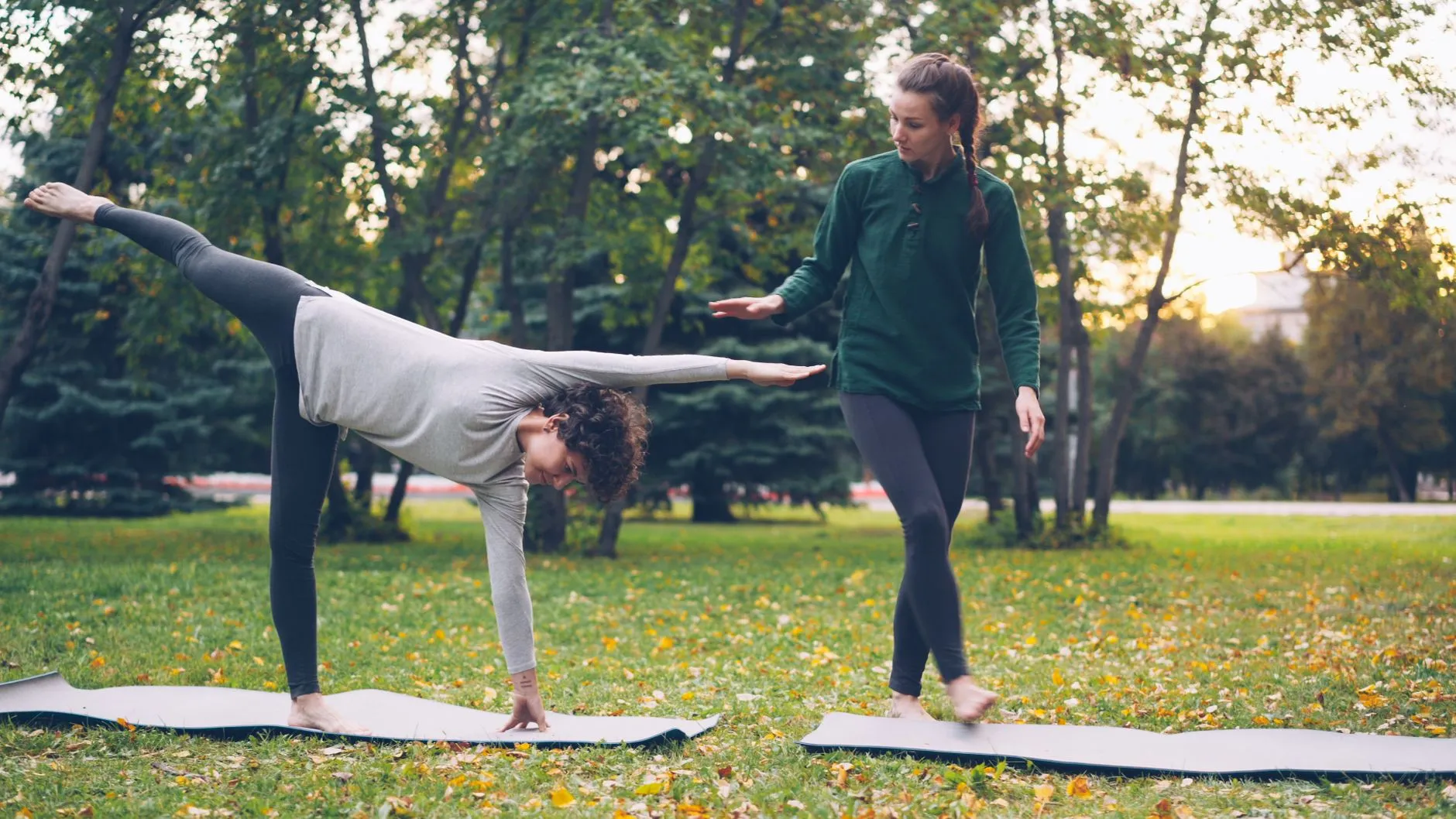
Bali has emerged as one of the leading destinations for yoga training, attracting enthusiasts from around the world. This island offers a myriad of opportunities for individuals looking to deepen their yoga practice, with options suitable for all skill levels.
Main Highlights
- Diverse Yoga Styles and Programs: Bali provides a rich tapestry of yoga styles, from traditional Hatha to modern Vinyasa, allowing practitioners to choose paths that resonate with them. Numerous programs are offered, catering to varying experience levels from beginners to advanced practitioners, ensuring that everyone can find a suitable training course 1.
- Integration with Wellness Retreats: Many yoga training programs in Bali are intertwined with wellness retreats, offering participants a holistic experience that includes meditation, mindfulness, and nutrition workshops. This holistic approach aims to rejuvenate the body and mind, making it a transformative journey for all 13.
- Highly Trained Instructors: The instructors in Bali’s yoga schools are often highly trained and experienced, many having studied in prestigious institutions or under revered teachers. This elevates the quality of instruction and ensures that students receive expert guidance throughout their training 11.
Whether you’re seeking personal growth through yoga or aspiring to become a certified instructor, Bali’s vibrant yoga community offers something unique for everyone.
Exploring Different Yoga Styles in Bali
Yoga is a beautiful practice that offers a variety of styles, each catering to different needs and preferences. In Bali, numerous yoga schools provide opportunities to explore these diverse practices, making it a popular destination for yoga enthusiasts. Below are some prominent yoga styles available on the island.
Hatha Yoga
Hatha Yoga is a traditional style focusing on physical postures and breathing techniques. It serves as an excellent entry point for beginners while being suitable for all skill levels. Many yoga schools in Bali, such as ymb yoga school in bali, offer classes that emphasize the fundamentals of this practice.
Vinyasa Yoga
This dynamic style is known for its flowing sequences, linking breath and movement. Vinyasa Yoga includes elements that build strength and flexibility, making it popular among practitioners who appreciate a more energetic approach. Many retreats, like those found at Ymb yoga school, offer Vinyasa classes that are designed to energize the body and clear the mind.
Ashtanga Yoga
A rigorous form of yoga, Ashtanga has a set series of postures practiced in a specific order. This style is built for those seeking a structured practice that builds strength and stamina over time. Yoga schools in Bali frequently conduct Ashtanga sessions, perfect for dedicated enthusiasts.
Yin Yoga
This slower-paced style focuses on long-held postures that promote deep relaxation and flexibility. Yin Yoga encourages participants to connect with their inner selves and find stillness. Many vibrant yoga centers in Bali incorporate this calming practice into their offerings.
Restorative Yoga
Restorative Yoga emphasizes passive stretching with the use of props to support the body. This gentle approach is ideal for stress relief and recovery, appealing to those looking to unwind and heal. Bali’s tranquil environment augments the restorative effects of this practice, and many schools provide dedicated classes for it.
Kundalini Yoga
Kundalini Yoga combines movement with dynamic breathing techniques and mantras, aiming to awaken spiritual energy. This form may resonate with individuals seeking deeper spiritual exploration during their yoga journey. Schools like yogmantrabali.com often offer Kundalini classes that transform the practice into an enlightening experience.
Hot Yoga
Practiced in a heated environment, Hot Yoga facilitates detoxification through sweating and enhances flexibility. It provides a challenging workout that encourages practitioners to push their limits in a supportive atmosphere. Several yoga retreats in Bali feature Hot Yoga classes, making the most of the island’s warm climate.
Aerial Yoga
This innovative practice incorporates hammocks to support various postures and inversions, offering a unique aerial experience. Aerial Yoga classes are especially popular in Bali, inviting participants to explore new dimensions of movement that challenge traditional practices and promote creativity in their yoga journey.
By exploring these diverse yoga styles in Bali, practitioners can find the right fit for their individual needs, enhancing their overall well-being in a serene environment tailored for healing and growth. Each style offers its unique benefits, making Bali a perfect destination for a well-rounded yoga experience.
Benefits of Yoga Training in Bali
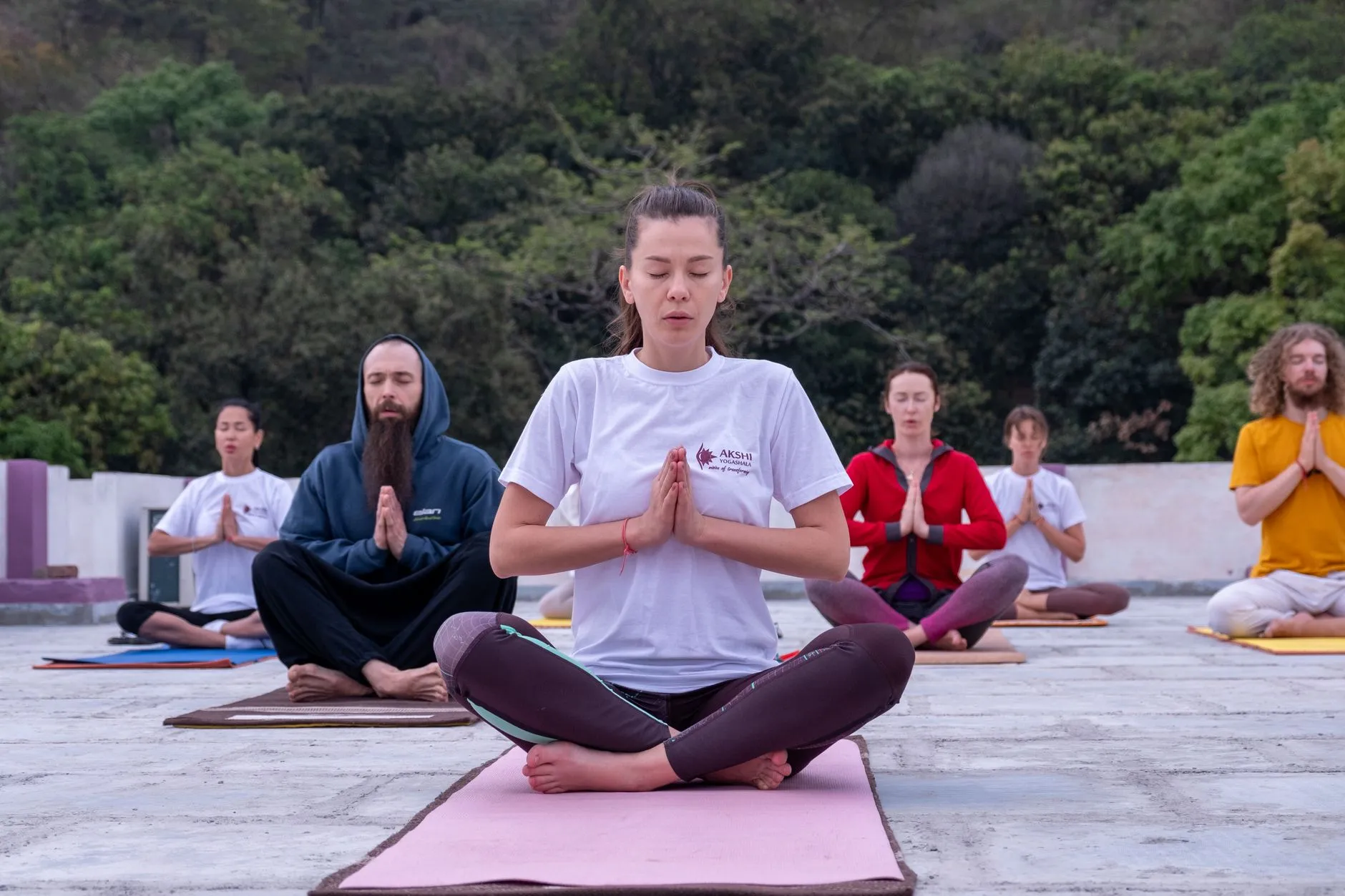
Training in Bali presents numerous advantages, making it a unique destination for yoga enthusiasts.
Immersion in Nature
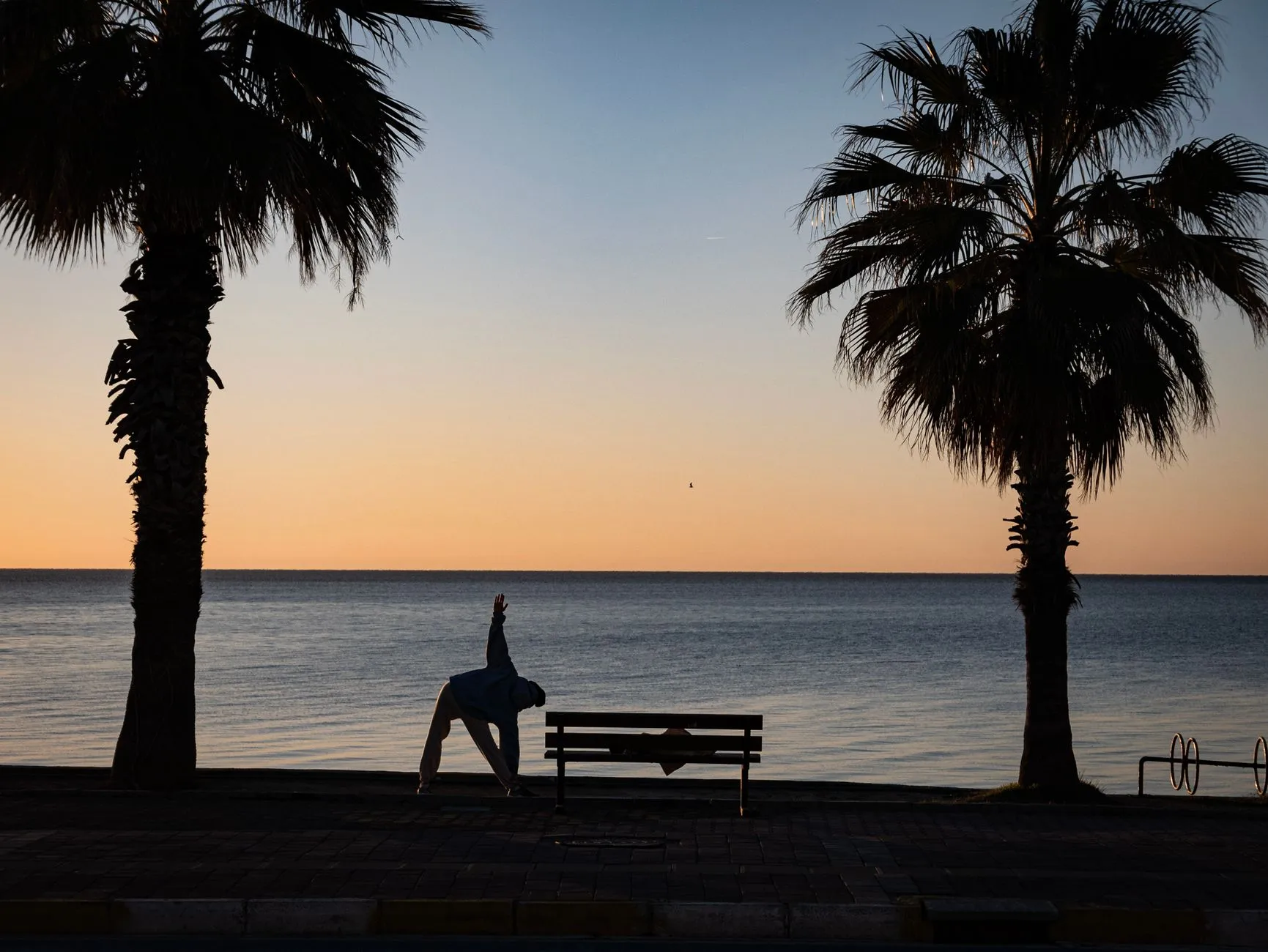
Practicing yoga in Bali means being surrounded by stunning natural landscapes that enhance the experience. The lush greenery, serene beaches, and majestic mountains contribute to a peaceful environment, promoting relaxation and focus during sessions. This natural immersion allows practitioners to connect deeply with their surroundings, greatly enhancing the overall effectiveness of yoga practice.
Diverse Community of Practitioners
In Bali, you would have the opportunity to connect with fellow yogis from around the globe. This diverse community fosters a supportive atmosphere that encourages learning and sharing experiences. Engaging with practitioners of various backgrounds enriches your training, exposing you to different teaching styles and philosophies.
Combination with Wellness Retreats
Many yoga programs in Bali go beyond just yoga training; they include comprehensive wellness retreats. These often feature nutrition guidance and holistic health practices that complement the physical aspects of yoga. Such an all-encompassing approach not only enhances your yoga practice but also promotes overall well-being, making it a holistic part of your health and fitness journey. Programs at centers like the ymbyoga.com highlight this integration effectively, offering participants a rounded experience that addresses mind, body, and spirit.
Types of Yoga Training Programs
Yoga training programs come in various styles and formats, catering to different levels of experience and personal goals.
Beginner-Friendly Classes
Beginner-friendly yoga classes often serve as the initial step for individuals starting their yoga journey. These classes typically focus on:
- Introductory levels suitable for all ages: Whether young or older, everyone can join and learn the basics of yoga.
- Focus on basic postures and breathing techniques: Instructors guide newcomers through essential poses and the importance of breath control.
- Supportive environment for newcomers: A welcoming space fosters comfort and encouragement, helping individuals feel at ease as they explore yoga.
Yoga schools like YMB Yoga School in Bali are excellent places to find such classes tailored to beginners.
Advanced Yoga Training
For experienced practitioners seeking to deepen their practice, advanced yoga training offers specialized opportunities. These programs often include:
- Specialized courses for experienced practitioners: Participants can choose paths that align with their interests, such as advanced asanas or therapeutic yoga.
- In-depth exploration of yoga philosophy: Advanced courses delve into the history, philosophy, and ethics of yoga, enriching the practitioner’s understanding and practice.
- Teacher training and certifications available: Many advanced programs provide the option to qualify as a yoga teacher, allowing participants to share their knowledge with others.
Institutions like Ymb yoga school in bali and Yogmantrabali provide robust advanced training that accredit globally.
Retreats and Workshops
Retreats and workshops offer intensive experiences designed to combine yoga practice with holistic wellness. These programs typically feature:
- Immersive experiences in serene locations: Participants can escape their daily routines in tranquil settings that enhance focus and rejuvenation.
- Combination of yoga with holistic wellness practices: Many retreats incorporate meditation, nutritional guidance, and other wellness activities, promoting a well-rounded experience.
- Opportunities for personal reflection and growth: The structured environment encourages self-discovery and personal development, which can be transformative.
Retreats like those hosted at The Peaceful Warriors Yoga center in Bali allow attendees to immerse themselves fully in both yoga and mindfulness practices.
By participating in these various yoga training programs, individuals can find the path that resonates most with their personal journey and goals in yoga.
Practical Considerations
When planning to enroll in a yoga teacher training program, several practical considerations come into play. Here’s a detailed look at costs, accommodation, and the importance of location.
Costs and Packages
Understanding the costs associated with various training programs is essential. Training packages can vary widely based on duration and content. Many programs offer options such as daily classes or week-long retreats, catering to different budgets and schedules. For instance, YMB Yoga School in Bali offers a range of affordable packages designed to fit the needs of various participants. Pricing is often tiered, with options for both local and international participants to ensure accessibility 1.
Accommodation and Amenities
Choosing the right accommodation is crucial for a comfortable training experience. Many yoga centers in Bali partner with nearby hotels or guesthouses that provide varying options—from basic lodging to luxurious stays. This flexibility allows participants to select accommodations that suit their style and budget. Additionally, the amenities offered by training facilities, such as healthy meals and wellness services like massages and spa treatments, can significantly enhance the overall experience. Facilities like the House of Om provide a well-rounded experience that includes access to proper nutrition and wellness support 2, 11.
Location and Environment
The environment in which the yoga training occurs plays a vital role in the overall experience. Selecting a yoga center situated in a serene location, such as beachside or jungle settings, can add to the calming effects of the practice. Urban locales, while more accessible, may not provide the same tranquil atmosphere. Schools like the Bali Yoga School capitalize on the island’s natural beauty, offering programs that immerse participants in nature. This connection to the environment enhances mindfulness and can deepen the practice significantly 13, 4.
In summary, careful consideration of costs, accommodation options, and the training environment can greatly enhance the experience of a yoga teacher training program. It is essential to choose a package that meets personal needs and aligns with one’s budget and lifestyle to ensure a meaningful and rewarding experience.
Top Yoga Training Programs in Bali
Yoga enthusiasts seeking to deepen their practice can find a variety of yoga training programs in Bali. The island is home to numerous retreats that offer diverse styles of yoga, including Hatha, Vinyasa, and Ashtanga, catering to practitioners of all levels.
Program Overview
Bali hosts numerous yoga programs, each with its unique characteristics. These programs generally range from 200-hour beginner courses to more advanced teachings that can extend up to several weeks, offering both foundational knowledge and specialized practices.
Different yoga styles are emphasized in various programs. For example, Hatha yoga focuses on physical postures and breathing techniques, Vinyasa emphasizes flow and movement synchronized with breath, while Ashtanga follows a specific sequence of postures that builds physical strength and flexibility. The blend and focus differ from one program to another, making it essential for practitioners to assess their personal goals when selecting a training program.
Leading Yoga Studios and Retreats
Bali is renowned for its premier yoga studios and retreats. Notably, the Yoga Barn and Radiantly Alive are two of the most recognized venues. The Yoga Barn offers a serene setting in Ubud, known for its lush surroundings, diverse classes, and a range of holistic healing treatments. In contrast, Radiantly Alive features various specialized classes led by experienced instructors in a dynamic studio environment.
Each studio offers unique features that cater to different aspects of yoga training. For instance, the Yoga Barn provides extensive workshops on topics such as meditation and Ayurvedic practices, while Radiantly Alive focuses on advanced teacher training and specialized workshops aimed at personal growth and professional development.
| Studio Name | Location | Unique Features |
|———————|———–|——————————————————|
| Yoga Barn | Ubud | Holistic healing treatments, diverse workshops |
| Radiantly Alive | Ubud | Advanced training programs, personal growth focus |
Curriculum and Accreditation
Different yoga training programs in Bali offer certifications such as Yoga Alliance’s 200-hour or 300-hour teacher training. Each program’s quality of instruction varies, with many featuring experienced trainers who have extensive backgrounds in various yoga styles.
Typically, curriculum structures may vary between schools but generally include a blend of practical teaching experiences, asana training, anatomy, philosophy, and teaching methodologies. For example, programs offered by the Bali Yoga School are noted for their comprehensive curriculum that emphasizes both theoretical and practical aspects of teaching yoga 1.
When choosing a program, students should consider factors such as the trainer’s experience, the school’s accreditation, and student testimonials to ensure they receive quality training that aligns with their goals and aspirations. Programs like those at House of Om and Yoganew Vision are highly regarded for their transformative experiences and professional accreditations 2, 23.
Through careful consideration and research, aspiring yoga teachers can find a training program in Bali that fits their needs, ensuring a rich and fulfilling educational experience.
Cultural Aspects of Yoga Training in Bali
Yoga training in Bali is a unique experience, deeply intertwined with local customs and traditions. This connection enriches the practice, creating a holistic atmosphere that enhances personal growth.
Integration of Local Traditions
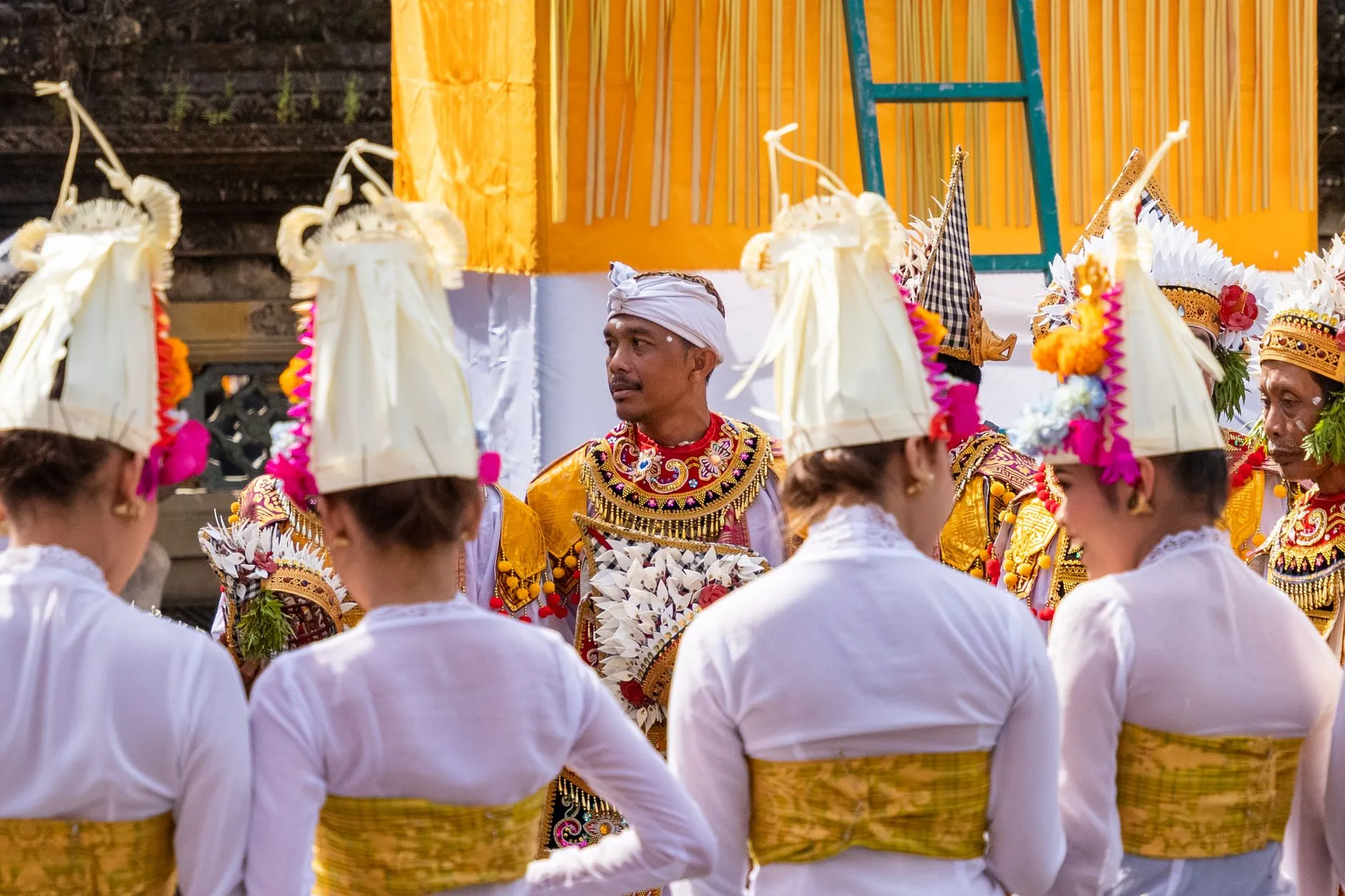
Bali’s local traditions play a crucial role in yoga training. The incorporation of Balinese rituals into yoga sessions adds a spiritual dimension that elevates the experience. Participants often find themselves engaged in ceremonies that include offerings and prayers, which foster a sense of community and belonging.
Furthermore, the use of local herbs and natural elements is prevalent in the training environment. Practitioners may utilize Balinese botanicals to create a connection with nature, promoting holistic wellness. Local materials not only enrich the ambiance but also enhance the therapeutic aspects of yoga.
Traditional music and dance are also integral to yoga practice in Bali. These art forms create a vibrant atmosphere, heightening the emotional and spiritual aspects of training. Incorporating music and movement allows participants to immerse themselves fully in the learning process, making it an unforgettable experience.
Influence of Balinese Religion
Balinese religion significantly shapes yoga practices on the island. The predominant Hindu beliefs influence the way yoga is taught and experienced. Each session often begins with a prayer, reflecting the sacredness attributed to the practice and the environment.
Certain locations in Bali are considered sacred for yoga training. These locales are chosen not only for their natural beauty but also for their cultural significance. Practicing yoga in these spaces invites a divine connection, enriching the overall experience.
Community involvement is another vital aspect of yoga in Bali, particularly concerning religious calendars. Events and training sessions often align with local rituals and festivals, fostering a sense of unity and shared purpose. This communal approach enhances the spiritual journey of each participant, connecting them not only to their practice but also to the island’s rich cultural heritage.
Challenges and Opportunities in Yoga Training
Many facets impact the landscape of yoga training today, especially in culturally rich locations like Bali. This includes addressing concerns over cultural appropriation, as well as harnessing opportunities within sustainable yoga tourism.
Cultural Appropriation Concerns
Cultural appropriation is a significant concern in the realm of yoga training, particularly as institutions begin to commercialize yoga practices. This commercialization can sometimes obscure the authenticity of yoga, leading to tension between traditional yoga practitioners and those influenced by tourist appeal. Education plays a crucial role in this dynamic; yoga training programs must emphasize respect for Balinese culture to strike a balance between authenticity and the expectations of visitors. As practitioners engage with local culture, they must do so with an awareness of its roots, aiming to give back to the community while avoiding a commodified experience 1 2.
Sustainable Yoga Tourism
Sustainable practices hold promise for the future of yoga tourism, providing opportunities for local practitioners to gain recognition and support local economies. By implementing eco-friendly measures within yoga training programs, such as using sustainable materials and promoting responsible tourism, local schools can attract conscientious tourists. Moreover, the evolving role of yoga in Balinese society can facilitate community integration, helping to foster a richer and more inclusive experience for both residents and visitors alike. Through these efforts, sustainable yoga tourism offers a pathway for harmonious coexistence and mutual growth within this vibrant cultural context 3 4.
Conclusion and Recommendations
Yoga training in Bali offers a unique opportunity for personal growth and wellness. The serene environment, combined with expert guidance and a supportive community, allows individuals to deepen their practice and enhance their self-awareness. The benefits of immersing oneself in this vibrant culture are numerous, ranging from physical health improvements to mental clarity and emotional resilience.
As you consider embarking on this transformative journey, take the time to explore various options available. Each yoga teacher training program in Bali presents distinct benefits, enabling you to choose one that aligns with your personal goals and aspirations. Programs like those offered by YMB Yoga School and Yogmantrabali are well-regarded for their comprehensive curricula and commitment to nurturing personal transformation.
Embarking on a yoga training program in Bali not only enhances your yoga practice but also allows you to connect with like-minded individuals who share your passion for wellness. This can lead to meaningful friendships and lasting memories as you share the journey together. Don’t hesitate to take the next step; your transformative journey awaits!
FAQs about Yoga Training in Bali
What are the most popular yoga styles in Bali?
In Bali, the most popular yoga styles include Hatha, Vinyasa, and Ashtanga.
- Hatha Yoga focuses on physical postures and breathing techniques to prepare the body and mind for meditation.
- Vinyasa Yoga is known for its dynamic and flowing sequence of poses, linking movement with breath.
- Ashtanga Yoga offers a structured format with a fixed series of postures performed in a specific order.
Practitioners can choose based on their individual preferences and goals, ensuring a breadth of options for students in various yoga training programs 1.
Can beginners participate in yoga training in Bali?
Yes, beginners can absolutely participate in yoga training in Bali. Many yoga schools, such as YMB Yoga School, offer programs tailored specifically for novices. These programs typically introduce foundational practices, focusing on basic postures, breathing techniques, and relaxation methods. This supportive environment helps newcomers feel comfortable while exploring their yoga journey 2.
What should I bring to a yoga training program?
When attending a yoga training program in Bali, it is essential to pack a few key items to ensure comfort and convenience:
- Yoga mat (if not provided)
- Comfortable clothing suitable for yoga practice
- Refillable water bottle to stay hydrated
- Notebook and pen for taking notes
- Personal hygiene items such as towels and toiletries
- Sunscreen and insect repellent for outdoor activities
Having these essentials will enhance your training experience 3.
How long do yoga training sessions usually last?
Yoga training sessions in Bali typically last between 60 to 90 minutes each. However, comprehensive yoga teacher training programs span several weeks, with daily or multiple sessions. Participants can expect a structured format that includes asana practice, theory classes, and meditation 4.
Are there any wellness retreats available alongside yoga training?
Yes, many yoga training programs in Bali offer wellness retreats alongside their yoga sessions. These retreats often include holistic practices such as meditation, healthy eating workshops, and spa treatments, catering to the overall well-being of participants. This combination allows individuals to deepen their yoga practice while revitalizing their mind and body 5.