Understanding Yoga Philosophy
Definition and Origins
Yoga philosophy is a comprehensive system that underpins the practice of yoga, integrating aspects of ethics, self-awareness, and profound personal transformation. It emphasizes the importance of balancing mind, body, and spirit for holistic well-being. Historical development of yoga philosophy can be traced through various periods, notably beginning in ancient India, where it emerged as a discipline meant for spiritual enlightenment and self-discovery.
Patanjali’s Yoga Sutras stand as a pivotal text in this tradition, synthesized around 400 CE. These sutras clarify the path to achieving spiritual growth and understanding through disciplined practice, meditation, and ethical living. The influence of the Yoga Sutras is profound, shaping both the interpretation of yoga and its contemporary practices. By serving as a foundational source, they guide practitioners towards deeper insights and applications of yoga in daily life 1, 5.
Core Concepts of Yoga Philosophy
The core concepts of yoga philosophy include karma, dharma, and moksha. Karma represents the law of cause and effect, meaning that every action has consequences, shaping one’s future experiences. Dharma refers to the ethical duties and responsibilities that individuals must follow according to their nature and societal roles. Understanding one’s dharma helps in aligning actions with one’s true purpose.
Moksha, on the other hand, signifies liberation from the cycle of birth and rebirth. Achieving moksha is seen as the ultimate goal of life in many philosophical systems, representing release from all suffering and a return to a state of oneness with the universe.
Mindfulness and meditation play a critical role in yoga philosophy. These practices not only foster awareness of the present moment but also help individuals cultivate a peaceful mind, enhancing self-awareness and promoting emotional stability. Through mindfulness, practitioners can observe their thoughts and emotions without attachment, leading to deeper insights and personal growth. Overall, these core concepts provide a framework that guides practitioners on their spiritual journey, facilitating greater awareness and fulfillment in life 2, 3.
| Concept | Definition | Significance |
|---|---|---|
| Karma | Law of cause and effect; every action impacts future experiences. | Encourages mindful living and responsible actions. |
| Dharma | Ethical duties; responsibilities tied to societal roles & personal nature. | Guides individuals toward fulfilling their true purpose. |
| Moksha | Liberation from the cycle of rebirth; ultimate goal of self-realization. | Represents the realization of unity with the universe. |
| Mindfulness | The practice of being aware of the present moment; experiencing thoughts/emotions without attachment. | Enhances emotional well-being and self-awareness. |
| Meditation | The practice of focusing the mind for clarity and insight. | Deepens spiritual practice and connects practitioners to their inner selves. |
Quick Answer
Yoga philosophy constitutes a holistic framework for ethical living, self-realization, and practices such as meditation, all aimed at fostering overall wellness. This tradition draws heavily on ancient teachings, especially the Yoga Sutras, which serve as a roadmap for achieving mental clarity and emotional balance. By integrating these principles, practitioners can navigate life’s challenges more effectively and cultivate a deep sense of inner peace and fulfillment. This foundational understanding not only enhances personal growth but also improves interpersonal relationships and professional effectiveness, illustrating its relevance in today’s fast-paced world 1, 5, 7.

Key Takeaways
Yoga philosophy is deeply intertwined with ethical living and self-exploration. It emphasizes key concepts such as karma, dharma, and moksha, all of which are essential for a holistic understanding of life’s purpose and moral responsibilities. Practicing mindfulness is particularly important in yoga philosophy, as it fosters a deeper awareness of oneself and the surrounding world.
The Yoga Sutras serve as a foundational text, guiding practitioners in understanding the essence of yoga beyond the physical postures. These ancient teachings provide valuable insights into the mind and spirit, offering a comprehensive framework for personal growth and self-awareness.
The impact of yoga philosophy on mental health and well-being is significant. Studies have indicated that incorporating yoga into one’s lifestyle can lead to improved emotional regulation and overall mental health. Practitioners often experience enhanced clarity of thought and a reduction in anxiety and stress levels, reinforcing yoga’s role as an effective practice for maintaining mental health 3, 7.
| Key Concepts | Description | Importance |
|---|---|---|
| Karma | The law of cause and effect | Encourages ethical actions and accepting consequences |
| Dharma | Duty or righteousness | Guides individuals in fulfilling their unique role in life |
| Moksha | Liberation from the cycle of birth and rebirth | Ultimate goal of yoga, achieving spiritual freedom |
| Mindfulness | Increased awareness and presence in the moment | Improves emotional stability and mental clarity |
| The Yoga Sutras | Texts outlining the philosophical framework of yoga | Foundational for understanding yoga’s deeper principles |
Incorporating these principles in daily practice nurtures a more fulfilling life, making yoga a holistic approach to physical, mental, and spiritual health.

The Eight Limbs of Yoga
The Eight Limbs of Yoga, as outlined by Patanjali, represent a comprehensive guide to an ethical and fulfilling life through yoga practice. Each limb serves a specific purpose and contributes to the holistic journey toward self-realization and deeper understanding.
Overview of the Eight Limbs
Patanjali’s Yoga Sutras define the eight limbs as follows:
- Yama – Ethical standards and a sense of integrity, focusing on how we conduct ourselves in relation to others.
- Niyama – Self-discipline and spiritual observances that govern how we treat ourselves.
- Asana – The physical postures practiced in yoga, promoting health and flexibility.
- Pranayama – Breath control, which enhances energy flow and supports meditation and concentration.
- Pratyahara – Withdrawal of the senses, allowing practitioners to transcend external distractions.
- Dharana – Concentration, focusing the mind on a single point to cultivate mental clarity.
- Dhyana – Meditation, fostering a deeper connection with oneself.
- Samadhi – A state of blissful union with the Divine, representing the ultimate goal of yoga.
Each limb builds upon the previous one, creating a framework that can guide practitioners in developing their practice both on and off the mat 1, 2.
Practical Application of the Eight Limbs
Practitioners can apply the eight limbs in various aspects of daily life. Here are some examples of how each limb can be integrated:
| Limb | Daily Application | Example |
|---|---|---|
| Yama | Practicing non-violence, truthfulness | Choosing kindness over cruelty |
| Niyama | Creating a daily routine for self-care | Morning journaling sessions |
| Asana | Regular physical practice to maintain well-being | Daily yoga sessions |
| Pranayama | Using breathwork during stressful situations | Deep breathing exercises |
| Pratyahara | Reducing sensory overload by disconnecting from devices | Digital detox days |
| Dharana | Focusing on a task without distraction | Time-blocking work sessions |
| Dhyana | Setting aside time for quiet reflection | Morning meditation rituals |
| Samadhi | Seeking moments of joy and connection with nature | Mindful walking in nature |
Through these applications, practitioners can improve their physical health, foster emotional stability, and deepen their connection to themselves and the world around them. Testimonials from individuals who have embraced these practices often highlight transformative experiences that encourage a more mindful and purposeful life. Engaging with a community, like that found at YMB Yoga School, can further enhance these applications, creating a supportive environment for growth and understanding.
Comparing Different Schools of Yoga Philosophy
Yoga embodies a rich tapestry of philosophies, each contributing unique perspectives and practices. This section delves into some of the major schools of yoga, contrasting their foundational beliefs, methods, and historical backgrounds.
Major Schools of Yoga
Here is a comparative summary of some prominent schools of yoga:
| School | Philosophy | Key Practices |
|---|---|---|
| Hatha | Focuses on physical postures and breathing techniques to prepare for meditation. | Asanas (postures) and Pranayama (breathing) |
| Vinyasa | Emphasizes the flow of movement synchronized with breath; often considered dynamic. | Flow sequences connecting poses, creative transitions |
| Ashtanga | A structured, sequential practice emphasizing a set number of postures and breathing. | Set series of poses, including Sun Salutations |
| Kundalini | Aims to awaken the Kundalini energy through spiritual practices. | Kriyas (sets of exercises), meditations, and chanting |
Hatha yoga lays the foundational practices of many other styles, focusing on physical alignment and breath. Vinyasa, characterized by its dynamic transitions, attracts those seeking an energetic flow. In contrast, Ashtanga’s rigorous adherence to a fixed sequence appeals to practitioners wanting consistency and discipline. Kundalini yoga diverges by emphasizing the spiritual awakening of the practitioner, inviting a deeper exploration of consciousness.
Philosophical Differences and Similarities
The philosophies behind these schools, while diverse, share key similarities. For instance, all schools recognize the importance of breath control, or Pranayama, as essential to uniting the body and mind.
Key Differences:
- Approach to Movement: Hatha focuses on stability; Vinyasa encourages fluidity; Ashtanga follows a strict series.
- Objective of Practice: Kundalini seeks spiritual awakening, while Hatha and Vinyasa aim for both physical and mental well-being.
Despite their differences, these schools draw from a common aim: enhancing the quality of life through self-awareness and inner peace. The schools also often integrate the philosophical texts of Yoga Sutras and other ancient writings, which serve as guides for ethical living and spiritual development.
Ultimately, understanding these schools provides a richer context for practitioners, enriching their journey whether they are starting with foundational principles or diving deep into advanced yogic practices. The training at YMB Yoga School embraces these philosophies, offering a comprehensive understanding of yoga as both a practice and a way of life.

The Importance of Yoga Philosophy for Students
Yoga philosophy is integral to students’ academic and personal growth. By learning the principles foundational to yoga, students can cultivate mindfulness, focus, and emotional resilience, which are essential for success both in and out of the classroom.
Relevance for Students
-
How yoga philosophy applies to academic and personal growth
Yoga philosophy encompasses various teachings that encourage self-awareness and reflection. These teachings can aid students in establishing a balanced life, enhancing their emotional well-being, and fostering greater academic success. For example, adopting yogic principles can help students navigate stress and develop a sense of purpose, which often translates to improved concentration and perseverance in studies. -
Importance of mindfulness and focus in students’ lives
Practicing mindfulness is crucial for managing anxiety and distractions common in students’ lives. Techniques such as meditation and breath control can improve focus, leading to better academic performance. Integrating yoga philosophy into daily routines empowers students to cultivate a greater sense of presence, ultimately enhancing learning experiences.
| Concepts | Benefits | Applications in Student Life |
|---|---|---|
| Self-awareness | Emotional regulation | Improved reaction to stress and challenges |
| Mindfulness | Enhanced focus | Better attention and retention in studies |
| Inquiry and reflection | Critical thinking | Deeper understanding of subjects studied |
Embracing these teachings can create a supportive environment that nurtures both academic and personal development, enabling students to thrive in their educational journeys. This connection to yoga philosophy becomes particularly significant during yoga teacher training at YMB Yoga School, where students can immerse themselves in these principles while deepening their practice.
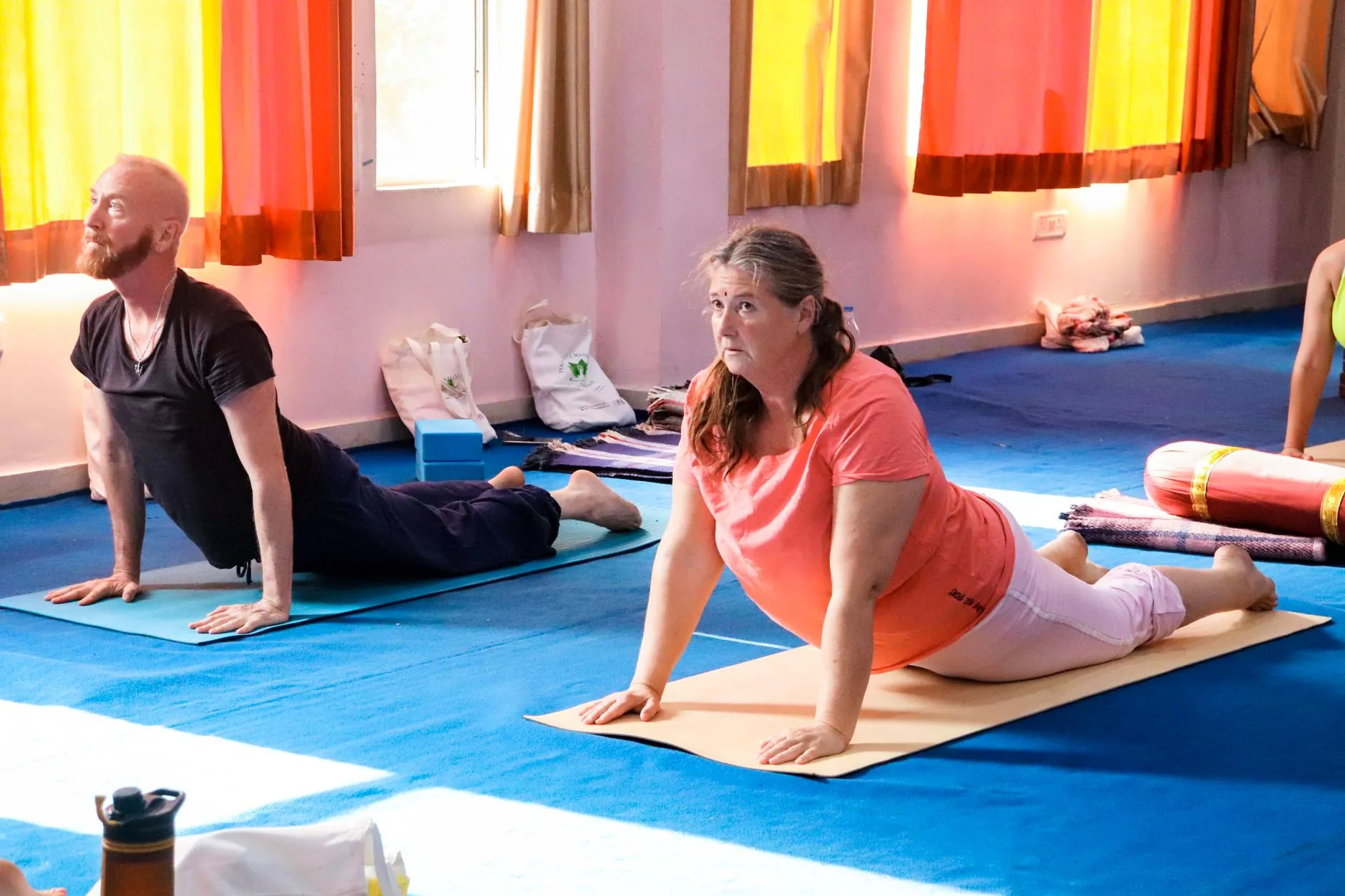
Benefits of Yoga Philosophy for Students
Yoga philosophy offers numerous advantages for students, enhancing their overall well-being. By integrating these teachings into their lives, students can experience significant mental, physical, and social benefits.
Mental Health Benefits
Yoga philosophy positively impacts mental health by promoting mindfulness and self-awareness. Students practicing yoga experience a reduction in stress and anxiety, enhancing their mental resilience. Additionally, yoga techniques improve concentration and memory, aiding academic performance and daily life management. This comprehensive approach helps in fostering a balanced mental state, crucial for academic success and personal development 7, 22.
Physical Health Benefits
The physical aspects of yoga, rooted in its philosophical teachings, lead to improved flexibility and physical strength. These benefits are vital for students, as physical health is closely linked to their academic performance and overall well-being. Engaging in consistent yoga practice can contribute to better posture, enhanced body awareness, and a greater sense of vitality, helping students perform better both in sports and in their studies 21.
Social and Interpersonal Benefits
Yoga philosophy encourages values such as empathy, compassion, and understanding, vital for building strong relationships among peers. As students engage in yoga practices, they develop a sense of community and support, fostering better interpersonal connections. This collaborative spirit is essential in educational settings, as it creates an environment conducive to learning and personal growth 1, 19.
| Benefit Type | Description | Examples of Practice |
|---|---|---|
| Mental Health Benefits | Reduction in stress and anxiety, improved memory | Mindfulness meditation, breath control |
| Physical Health Benefits | Enhanced flexibility, strength, and body awareness | Asanas (postures) focusing on strength |
| Social Benefits | Building community and empathy among peers | Group yoga sessions, collaborative practice |
Incorporating yoga philosophy into daily routines equips students with valuable tools for mental clarity, physical health, and strong social ties, laying the groundwork for a healthy, productive life.
Practical Implementation of Yoga Philosophy
Incorporating yoga philosophy into daily life can enhance overall well-being and promote mindfulness. Simple techniques and exercises can provide students with tools to manage stress and focus better on their studies.
Incorporating Yoga in Students’ Daily Life
Simple Yoga Techniques for Daily Practice
Students can benefit from incorporating short yoga practices into their daily routines. These can include:
| Technique | Description | Benefits |
|---|---|---|
| Morning Stretch | A series of light stretches and poses to start the day. | Increases flexibility and energy levels. |
| Midday Break | A five-minute meditation to refocus and recharge. | Reduces stress and enhances concentration. |
| Evening Wind Down | Gentle yoga to relax the body before bedtime. | Promotes better sleep and relaxation. |
These practices can easily be integrated into a student’s routine, helping to develop greater awareness and mindfulness.
Mindfulness Exercises and Their Impact on Study Habits
In addition to yoga poses, mindfulness exercises can improve study habits. Here are some effective strategies:
- Breath Awareness: Taking deep breaths before studying can help center the mind and improve focus.
- Body Scan: A quick body scan helps students to identify any areas of tension and release them.
- Gratitude Journaling: Reflecting on positive experiences fosters a positive mindset and encourages resilience.
By practicing these mindfulness techniques, students may find an improvement in concentration and retention of information, which can lead to enhanced academic performance and better mental health 20, 21.
Incorporating these principles into daily life can create a balanced approach to education, grounding students amidst their responsibilities and pressures.

Challenges in Practicing Yoga Philosophy
Misunderstandings about yoga are common. One prevalent misconception is that yoga is solely a form of physical exercise. In reality, yoga encompasses a rich philosophy that delves into mental and spiritual well-being, emphasizing mindfulness and self-awareness. For many, this depth can be intimidating, leading to the belief that yoga is only for the fit or flexible. Recognizing and overcoming these myths is essential for a holistic approach to yoga practice 1, 2.
Common Misconceptions
| Misconception | Reality | Importance |
|---|---|---|
| Yoga is only physical exercise | Yoga integrates the body, mind, and spirit | Encourages a comprehensive understanding of well-being |
| Only advanced practitioners can benefit | Beginners can gain insights and tools immediately | Opens the door for newcomers to the practice |
| Yoga is a religion | It is a philosophy and lifestyle | Makes yoga accessible to everyone |
Understanding the depth and rigor of yoga philosophy helps practitioners realize that yoga is not just about the postures (asanas) but also about developing mindfulness, compassion, and self-study. Engaging with these principles can deepen one’s experience and foster a greater connection to the practice.
Barriers for Students
Yoga students often encounter several barriers that hinder their full engagement with the philosophy:
-
Time Constraints: Busy schedules make it challenging to find time for practice, study, and reflection on the philosophical aspects of yoga. Many students juggle work, family, and other commitments, which can lead to a superficial engagement with yoga.
-
Access to Quality Instruction: Not all students have access to knowledgeable instructors who can convey the depths of yoga philosophy. Quality instruction is essential for fostering a deeper understanding and connection to the practice, which can be lacking in less experienced teachers.
| Barrier | Description | Impact |
|---|---|---|
| Time Constraints | Limited time to practice or study | Superficial engagement with yoga |
| Access to Quality Instruction | Difficulty finding skilled teachers | Lack of understanding of yoga philosophy |
Addressing these challenges is vital for fostering a supportive environment where students can explore yoga philosophy in depth. YMB Yoga School offers comprehensive training that not only covers physical practice but also emphasizes the importance of yoga’s philosophical roots. This balanced approach can help students overcome the barriers they face, enhancing their overall yoga experience.

Conclusion
Yoga philosophy serves as the cornerstone of a fulfilling practice. Understanding its core tenets—such as the Eight Limbs of Yoga or the concepts of karma and dharma—can enhance personal growth and mindfulness both on and off the mat. These philosophies not only promote physical well-being but also foster mental clarity and emotional stability 1, 2.
If you’re aspiring to deepen your yoga journey, consider joining YMB Yoga School in Bali. Our programs integrate the rich traditions of yoga philosophy with practical teachings, helping you cultivate a holistic practice that resonates with your life. Explore the philosophy of yoga fully and see how it can transform your life.
FAQs
What are the main texts on Yoga Philosophy?
The foundational texts of Yoga Philosophy include the Yoga Sutras of Patanjali and the Bhagavad Gita. These texts provide insight into the principles and practices of yoga, offering guidance on ethics, meditation, and the path to spiritual enlightenment 1, 2.
How does Yoga Philosophy integrate with daily life?
Yoga Philosophy promotes the application of its principles in everyday scenarios. For instance, it encourages mindfulness, compassion, and discipline in daily activities. The teachings can transform mundane routines into intentional practices, fostering a deeper connection to oneself and others 3, 4.
What are the misconceptions about Yoga Philosophy?
Common misconceptions include the belief that yoga is solely about physical postures or that it is a religion. In truth, while asanas are a component, yoga’s broader scope encompasses mental, ethical, and spiritual dimensions. Understanding these facets is essential for a well-rounded approach to yoga practice 5, 6.
How can yoga philosophy improve mental health?
Yoga Philosophy can enhance mental health by promoting practices that reduce stress and anxiety. Techniques like mindfulness and meditation, rooted in yoga philosophy, have been shown to improve emotional resilience and well-being 7, 8.
What role does meditation play in Yoga Philosophy?
Meditation is a core component of Yoga Philosophy. It serves as a tool for self-inquiry and inner peace, enabling practitioners to deepen their understanding of themselves. Regular meditation practice enhances the benefits of yoga, contributing to a holistic approach to well-being 9, 10.
How do I start practicing yoga philosophy?
To begin exploring yoga philosophy, consider studying foundational texts, attending workshops, or joining a course. Resources such as online materials and community discussions can help beginners grasp the core concepts. Engaging with the philosophy can lead to transformative insights both on and off the mat 11, 12.
| Topic | Description | Resources |
|---|---|---|
| Foundational Texts | Explains key yoga texts like the Yoga Sutras and Bhagavad Gita. | <a href=”https://en.wikipedia.org/wiki/Yoga_(philosophy)”>Yoga Sutras</a>, <a href=”https://www.yogabasics.com/learn/philosophy-of-yoga/”>Bhagavad Gita</a> |
| Daily Integration | Discusses how to apply yoga principles in everyday life. | <a href=”https://www.yogapedia.com/definition/5159/yoga-philosophy”>Yoga in daily life</a> |
| Common Misconceptions | Clarifies myths about yoga being only physical. | <a href=”https://www.britannica.com/topic/Yoga-philosophy”>Yoga myths</a> |
| Mental Health | Discusses yoga’s impact on mental well-being. | <a href=”https://www.inspirethemind.org/post/yoga-philosophy-and-mental-health-dare-to-go-beyond-the-downward-facing-dog”>Yoga and mental health</a> |
| Role of Meditation | Highlights meditation’s integral part in yoga. | <a href=”https://pmc.ncbi.nlm.nih.gov/articles/PMC3193654/”>Meditation importance</a> |
| Starting Out | Tips for beginners looking to explore yoga philosophy. | <a href=”https://www.arhantayoga.org/blog/yoga-philosophy-for-beginners/”>Getting started</a> |