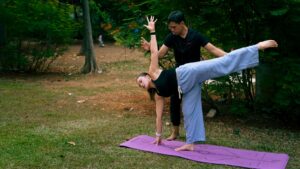
Introduction to Yoga Philosophy
Understanding Yoga Philosophy
Yoga philosophy refers to a comprehensive system of principles, practices, and beliefs that form the foundation of yoga, guiding practitioners towards holistic development of body, mind, and spirit. Its significance lies in providing a cohesive framework that promotes not only physical wellness but also mental and emotional harmony.
Historically, yoga philosophy traces its roots back over 5,000 years to ancient India. Initially, it emerged from the Vedic texts, evolving through various schools of thought, such as Sankhya and Vedanta. The Yoga Sutras of Patanjali, written around 400 CE, serve as one of the key texts that codify these philosophies, outlining the eight limbs of yoga and offering insights into achieving mental clarity and spiritual awakening 1, 2.
Engaging Hook
The concept of yoga has transcended its original geographical boundaries to become a globally embraced practice. It is celebrated not just for its physical poses but for its potential to enhance mental well-being and spiritual growth. This ancient system is increasingly relevant today, as more people seek methods to manage stress and find balance amid the chaos of modern life.
Quick Answer
Yoga philosophy encompasses the core principles that guide yoga practices, focusing on holistic development of the individual. Its teachings underscore the importance of harmonizing the body, mind, and spirit, making it an essential aspect of yoga practice today 3.
Key Concepts in Yoga Philosophy
Yoga philosophy is rich and diverse, encompassing various principles that guide practitioners on their journey to self-discovery and enlightenment. Understanding these key concepts is essential for anyone looking to deepen their practice.
The Eight Limbs of Yoga
The Eight Limbs of Yoga, as described in the Yoga Sutras by Patanjali, provide a framework for personal and spiritual development. Each limb serves a unique purpose and collectively they guide the practitioner toward achieving a balanced and fulfilling life.
| Limb | Description |
|---|---|
| Yama | Ethical standards focusing on social behaviors and moral conduct, such as non-violence (Ahimsa). |
| Niyama | Individual observances, including cleanliness (Saucha) and contentment (Santosha). |
| Asana | Physical postures designed to enhance strength, flexibility, and promote bodily health. |
| Pranayama | Breathing exercises that regulate the breath to enhance mental clarity and emotional stability. |
| Pratyahara | Withdrawal of the senses from external distractions to turn inward and foster self-awareness. |
| Dharana | Concentration techniques that strengthen focus and engage the mind. |
| Dhyana | Deep meditation that encourages mindfulness and presence. |
| Samadhi | The ultimate state of spiritual enlightenment and union with the divine. |
Core Principles of Yoga Philosophy
Core principles such as Ahimsa (non-harming) and Satya (truthfulness) are foundational to yoga philosophy. They guide practitioners not only in their yoga practice but also in how they interact with the world around them. Furthermore, yoga philosophy is intertwined with Hinduism, Buddhism, and Jainism, reflecting shared beliefs about the nature of existence and spirituality.
The Nature of the Self (Atman)
Atman refers to the true self or soul, which is eternal and unchanging. In yoga philosophy, Atman is seen as interconnected with Brahman, the universal consciousness. Understanding this connection can lead to profound insights about one’s place in the universe and fosters a deeper sense of unity with all living beings.
Karma and Dharma
Karma refers to the law of cause and effect, explaining how one’s actions influence future experiences. Dharma, on the other hand, signifies one’s duty or righteous path. In the context of yoga philosophy, practitioners reflect on how their actions (karma) align with their life purpose (dharma) and strive for harmony in their lives.
Understanding these key concepts not only enhances one’s practice of yoga but also nurtures personal growth and improves relationships with others. By studying yoga philosophy at YMB Yoga School in Bali, students can gain insights that will enrich their lives on and off the mat.

Practical Applications of Yoga Philosophy
Yoga philosophy is not just theoretical; it becomes alive through practical application in daily life and yoga practice. Understanding how to integrate these philosophical teachings can deeply enrich your experience as a practitioner.
Integrating Philosophy into Practice
Incorporating yoga philosophy into your daily practice involves more than just knowledge—it’s about embodying these teachings. Here are some ways you can do this:
-
Mindfulness in Movement: Apply the principles of ahimsa (non-violence) and satya (truthfulness) during your yoga sessions. This means approaching each pose with kindness to your body and being truthful about your abilities.
-
Breath Awareness: Utilize pranayama techniques not just as warm-ups but as a meditative practice to cultivate inner peace. Breathing mindfully can help center your focus and reduce stress.
-
Ethical Living: Spend time reflecting on the yamas (moral restraints) and niyamas (personal observances) before or after your practice. Consider how these ethical guidelines influence your actions and relationships outside the mat.
Examples of philosophical concepts in action during yoga include practicing non-attachment by releasing expectations from your performance in each pose. This shift allows room for growth and self-acceptance, resonating with the core teachings of yoga philosophy 1.
Yoga Philosophy in Modern Context
The relevance of yoga philosophy in contemporary life is profound. In a world filled with distractions, the teachings of yoga provide invaluable guidance for maintaining balance and harmony. Here are some insights into its significance today:
-
Stress Reduction: Modern practitioners grapple with the fast pace of life. The ancient concept of yoga helps individuals slow down, find inner calmness, and manage stress effectively. Applying yoga philosophy encourages resilience in the face of everyday challenges 2.
-
Holistic Well-being: By embracing the teachings of yoga, individuals can attain physical, mental, and spiritual well-being. This holistic view contrasts with society’s often fragmented approach to health.
Despite its benefits, challenges abound for modern yoga practitioners. These may include a disconnect from traditional teachings and commercial influences on yoga practice. Balancing the authenticity of yoga philosophy with contemporary lifestyle demands can create obstacles, yet with mindful practice, one can navigate these challenges effectively.
Summary Table of Key Concepts
| Concept | Description | Modern Application |
|---|---|---|
| Ahimsa | Non-violence towards oneself and others | Practice kindness and patience in daily interactions |
| Pranayama | Breath control to enhance life energy | Use breath as a tool for stress reduction and mindfulness |
| Yamas & Niyamas | Ethical principles guiding behavior | Reflect and embody these principles in life choices |
By consciously integrating these ancient teachings into our modern lives, the philosophy of yoga contributes significantly to a balanced, meaningful existence. Practicing with YMB Yoga School in Bali allows you to deepen this understanding while nurturing your growth as a yogi.
Benefits of Yoga Philosophy
Yoga philosophy offers a wealth of benefits, particularly impacting mental and physical health. By adopting the teachings of yoga, practitioners can experience profound changes in their overall well-being.
Understanding the Impact on Mental Health
Research indicates that yoga philosophy significantly reduces stress and enhances mental health. Engaging in yoga practices helps cultivate mindfulness, leading to improved emotional resilience and self-acceptance. These principles empower individuals to manage stress effectively, making it easier to navigate life’s challenges 17.
Physical Health Benefits
The physical health benefits of yoga are well-documented. Regular yoga practice can enhance strength and flexibility, fostering a healthier body. Additionally, it promotes stress reduction, which has a positive ripple effect on overall well-being. Evidence suggests that incorporating yoga into your routine contributes to improved physical health metrics, including better cardiovascular function and reduced muscle tension 16.
| Benefit | Mental Health | Physical Health |
|---|---|---|
| Stress Reduction | Yes | Yes |
| Emotional Resilience | Yes | No |
| Improved Flexibility | No | Yes |
| Enhanced Strength | No | Yes |
| Overall Well-being | Yes | Yes |
In summary, the philosophy of yoga aids not only in mental fortitude but also enhances physical capabilities, making it an invaluable practice for holistic health.

Challenges in Yoga Philosophy
Many individuals harbor misconceptions about yoga philosophy, often reducing it to merely physical postures or assuming it is solely a form of exercise. In reality, yoga encompasses a profound system of principles and practices aimed at achieving physical, mental, and spiritual well-being. Understanding the true essence of yoga is essential for both practitioners and teachers.
Common Misconceptions About Yoga Philosophy
-
Yoga is Only About the Asanas: A prevalent myth is that yoga consists only of physical postures (asanas). While asanas are a vital aspect of yoga, the philosophy promotes a holistic approach encompassing ethics, meditation, and self-realization. This comprehensive nature is described in several authoritative sources, highlighting the depth of practice beyond the mat 1.
-
Yoga is a Religion: Another misconception is that yoga is intrinsically tied to a specific religion. In reality, yoga can be practiced by individuals of all faiths and beliefs. It is a philosophy that focuses on personal improvement and self-discovery, providing tools to enhance one’s spirituality without necessitating adherence to any particular religious ideology 2.
-
Yoga is for the Flexible: Many believe that one must be flexible to practice yoga. This myth can deter beginners from exploring yoga’s benefits. In truth, yoga is accessible to everyone, regardless of physical ability or flexibility. It encourages participants to progress at their own pace, fostering self-acceptance and personal growth throughout the journey 3.
| Common Misconceptions | The Realities of Yoga Philosophy |
|---|---|
| Yoga is only about asanas | Yoga includes a holistic approach of ethics, meditation, and self-realization. |
| Yoga is a religion | Yoga can be practiced by anyone, regardless of religious beliefs. |
| Yoga is only for the flexible | Yoga is accessible for everyone, focusing on personal progress and self-acceptance. |
Understanding these misconceptions helps clarify yoga’s integration in daily life and promotes a more enriching practice. YMB Yoga School emphasizes teaching the true essence of yoga philosophy, allowing students to experience profound personal transformations that extend beyond physical practice.
Yoga and Mindfulness
Mindfulness plays a significant role in yoga philosophy, intertwining deeply with its practices and teachings. At its core, yoga encourages practitioners to cultivate awareness of the present moment, promoting a more serene and thoughtful approach to life. This conscious focus is essential for enhancing mental clarity, emotional stability, and physical well-being.
How Yoga Philosophy Enhances Mindfulness Practices
The philosophy behind yoga emphasizes various mindfulness practices that can lead to profound personal growth. Key components of this philosophy include:
-
Awareness of Breath: One critical aspect is pranayama, or breath control, that helps practitioners center their thoughts and anchor themselves in the present. This technique cultivates an intimate connection with one’s physical and mental state.
-
Meditation: Meditation, an integral part of yoga, promotes stillness and introspection. Techniques such as focusing on the breath or a specific mantra assist practitioners in quieting distractions and enhancing mindfulness.
-
Mindful Movement: Through asanas (physical postures), yoga encourages practitioners to become mindful of their bodies. Each movement is performed with intention, allowing individuals to better understand their bodily sensations and emotions.
-
Philosophical Teachings: The ethical and philosophical dimensions of yoga, including the yamas (restraints) and niyamas (observances), guide individuals toward a more mindful existence. These teachings encourage positive interactions with oneself and others, fostering a compassionate mindset.
Meditation Techniques Grounded in Yoga Philosophy
Here are several effective meditation techniques closely associated with yoga philosophy:
| Technique | Description | Benefits |
|---|---|---|
| Breath Awareness | Focusing on inhalation and exhalation to anchor thoughts | Reduces anxiety and increases concentration |
| Mantra Meditation | Repeating a specific word or phrase to enhance focus | Promotes inner peace and detachment from distractions |
| Visualization | Imagining a serene scene to evoke a sense of calm | Enhances emotional regulation and relaxation |
| Loving-Kindness Meditation | Sending goodwill and compassion to oneself and others | Fosters empathy and strengthens connections |
By integrating these techniques into regular practice, one can significantly enhance their mindfulness, leading to a more balanced and fulfilling life.
Practicing yoga at YMB Yoga School in Bali not only allows individuals to learn these essential techniques but also fosters an immersive environment for deepening their mindfulness journey.

FAQs
What is yoga philosophy?
Yoga philosophy encompasses a vast framework of beliefs, practices, and ethical guidelines that underpin the art of yoga. Originating thousands of years ago in ancient India, it is grounded in texts such as the Yoga Sutras of Patanjali. Understanding yoga philosophy enhances one’s practice by providing context and insight into the deeper aspects of yoga, making it significant for practitioners seeking not just physical benefits but also mental and spiritual growth 1.
How can yoga philosophy improve mental health?
Incorporating yoga philosophy into daily routines can lead to significant improvements in mental health. It encourages mindfulness, self-awareness, and emotional regulation, which collectively reduce stress and anxiety. By embracing principles such as non-attachment and acceptance, individuals can find peace amidst chaos, improving overall well-being 2.
What are the eight limbs of yoga?
The eight limbs of yoga, as outlined by Patanjali, serve as guidelines for living a meaningful and purposeful life. They include:
| Limb | Description |
|---|---|
| Yama | Ethical standards, moral values |
| Niyama | Observances related to personal behavior |
| Asana | Physical postures for the body |
| Pranayama | Breath control for energy regulation |
| Pratyahara | Withdrawal of senses for inward focus |
| Dharana | Concentration, focus on a single point |
| Dhyana | Meditation, sustained attention |
| Samadhi | Union with the divine, ultimate goal of yoga |
These limbs highlight the holistic nature of yoga, combining physical, mental, and spiritual practices 3.
How does yoga philosophy apply to modern life?
Yoga philosophy is incredibly relevant in modern life, addressing issues like stress management, work-life balance, and mental clarity. It encourages a slower, more intentional approach to life, prompting individuals to cultivate presence and compassion in their everyday interactions. By applying principles of yoga philosophy, people can better navigate contemporary challenges, fostering resilience and mindfulness 4.
What common misconceptions exist about yoga philosophy?
Several misconceptions exist about yoga philosophy, often focusing on its spiritual aspects or the belief that it is solely about physical postures. Many people think yoga requires a specific religion or belief system, while in reality, it is a practice that transcends religious boundaries. Furthermore, some underestimate the mental and emotional benefits of yoga philosophy, viewing it merely as physical exercise 5.
Conclusion
The teachings and philosophies of yoga are vast and complex, encompassing a range of practices aimed at promoting mental, physical, and spiritual well-being. Central to these philosophies are concepts such as mindfulness, balance, and self-awareness, which can greatly enhance one’s journey both on and off the mat. By engaging deeply with these principles, individuals can foster a more profound understanding of themselves and their connection to the world around them.
For those interested in exploring these teachings further, YMB Yoga School in Bali offers a range of training opportunities. With expert instructors and an immersive environment, you can delve into yoga’s rich philosophies while developing your practice. Join us at YMB Yoga School and transform your life through the power of yoga.