Overview of Yoga Teacher Training
Introduction to Yoga Teacher Training
Yoga teacher training (YTT) is designed to equip individuals with the skills and knowledge necessary to teach yoga effectively. Participants learn about various yoga postures, philosophy, anatomy, and teaching methodologies. The primary purpose of YTT is not only to enhance personal practice but also to prepare individuals for teaching roles in the yoga community. Certification from a recognized program is often crucial for those wanting to pursue a career in yoga, as it boosts credibility and trust within the industry.
The popularity of yoga has surged in Thailand over recent years, transforming it into a premier destination for yoga enthusiasts seeking teacher training. This growth is driven by a quest for authentic experiences, stunning landscapes, and a culture deeply rooted in mindfulness and holistic wellness.
Training Formats and Styles
Yoga teacher training courses in Thailand are offered in various styles and formats, allowing participants to choose what suits them best. Commonly taught styles include Hatha, Vinyasa, and Ashtanga. Each of these yoga styles offers unique methodologies and benefits, catering to a diverse range of practitioners.
In terms of formats, courses can vary significantly. Some programs are intensive, spanning a few weeks, while others are part-time or even offered online. This flexibility accommodates individuals with different schedules and commitments. The typical durations for YTT programs range from 200 to 500 hours, with the 200-hour programs being the most popular. Below is a table summarizing the options available:
| Training Format | Style | Duration |
|---|---|---|
| Intensive | Hatha | 200 hours |
| Part-time | Vinyasa | 300 hours |
| Online | Ashtanga | 200 hours |
| Intensive | Yin | 500 hours |
| Part-time | Restorative | 200 hours |
Each of these programs offers a distinct blend of theory and practical experience, making them suitable for aspiring yoga teachers at various levels of expertise. Participants can choose their desired format and style based on personal preference and career goals.
YMB Yoga School, located in Bali, offers a variety of teacher training options, ensuring students receive comprehensive and well-rounded training that aligns with their professional aspirations.
Choosing the Right Training Program
When considering a yoga teacher training program, it’s essential to evaluate several key factors to ensure that you make the right choice for your educational journey.
Factors to Consider
-
Accreditation of the Program: Accreditation from reputable bodies, such as Yoga Alliance, is crucial for the credibility of the certification. Programs that are not accredited may limit your teaching opportunities.
-
Instructor Qualifications and Experience: The quality of instruction is vital. Look for programs with experienced instructors who are well-versed in various aspects of yoga, including philosophy, anatomy, and teaching techniques.
-
Location and Facilities of the Training Center: The environment where you learn can significantly impact your experience. Choose a center that offers comfortable and supportive facilities that enhance your training, ideally in a peaceful setting like Bali.
Comparative Analysis of Popular Programs
Understanding your options can help you make an informed decision. Below is a comparative analysis of popular yoga teacher training programs, including their duration, cost, and unique features.
| Program Name | Duration | Cost | Certification |
|---|---|---|---|
| YMB Yoga School | 200 hours | $3,500 | Yoga Alliance |
| Program B | 200 hours | $3,000 | Non-accredited |
| Program C | 300 hours | $4,500 | Yoga Alliance |
YMB Yoga School is distinguished by its comprehensive curriculum, skilled instructors, and beautiful setting. It offers a supportive community, which is vital for developing as a yoga teacher. The school covers not only physical techniques but also the philosophical underpinnings of yoga, emphasizing holistic education.
By assessing these factors and comparing programs, you can choose a training that aligns with your goals and values, setting you up for success in your yoga journey.
Cost and Financial Considerations
The financial aspect of yoga teacher training can be significant. Understanding the costs involved will help you plan your journey effectively.
Tuition Costs
Yoga teacher training programs vary widely in cost, with an average price that typically falls between $2,000 to $3,000. YMB Yoga School offers competitive pricing for its training programs in Bali, ensuring high-quality instruction in a beautiful setting.
Consider the additional expenses that accompany the tuition:
| Cost Category | Estimated Cost | Description |
|---|---|---|
| Tuition Fee | $2,000 – $3,000 | This includes all training sessions and materials. |
| Accommodation | $500 – $1,200 | Prices vary based on your choice of lodging. |
| Travel Expenses | $300 – $1,000 | Costs for airfare and local transport. |
When planning your budget, it’s essential to account for these additional costs to avoid any surprises.
Funding and Scholarships
Financing your yoga training can be flexible. YMB Yoga School understands that not everyone can afford to pay upfront. Here are options that may be available to help with your financial planning:
- Loans: You may find financial institutions that offer education loans specifically for vocational training.
- Payment Plans: YMB Yoga School may provide payment plans to distribute your tuition over several months, making it more manageable.
- Scholarship Opportunities: Keep an eye out for scholarship offers from YMB Yoga School, which can provide significant financial support for deserving candidates.
By exploring these funding options, you can make your goal of becoming a certified yoga instructor more achievable.
Cultural and Practical Aspects
Living in a vibrant country like Thailand while participating in a yoga teacher training program provides a unique and enriching experience. It’s not just about learning yoga; it’s about immersing oneself in a different culture that enhances personal growth.
Living in Thailand During Training
Cultural immersion and experiences during your time in Thailand can greatly enhance your training. Being surrounded by rich traditions, delicious cuisine, and warm hospitality can create a transformative atmosphere for personal development. Engaging with local communities and participating in cultural events can further deepen your understanding of yoga’s roots and philosophy.
YMB Yoga School offers a range of housing options. Students can choose from on-site accommodations that provide a convenient and immersive experience or local rentals for a chance to explore the area more independently. This flexibility allows students to tailor their living situation to best suit their needs while focusing on their training.
| Housing Option | Description | Pros |
|---|---|---|
| On-site Accommodations | Convenient, close to training sessions | Enhanced community feeling |
| Local Rentals | Independence, opportunity to explore | Be part of the local life |
| Shared Rooms | Affordable and social | Networking with peers |
Post-Training Opportunities
After completing your yoga teacher training at YMB Yoga School, there are numerous job prospects available to certified instructors. The demand for yoga teachers continues to grow, creating opportunities in studios, wellness centers, retreats, and even international locations. Many graduates find fulfilling careers that allow them to share their passion for yoga.
Continued education and specializations are also highly encouraged. Graduates can pursue additional certifications in various styles or focuses such as yoga therapy, prenatal yoga, or children’s yoga, further expanding their skill set and employability in the yoga community.
What is Yoga Teacher Training in Thailand?
Yoga teacher training in Thailand provides immersive experiences centered around various yoga styles, including Hatha and Vinyasa. These programs typically vary in duration from 200 to 500 hours, combining both practical and theoretical elements. Upon completion, participants receive recognized certifications that enable them to teach yoga worldwide.
The training often takes place in tranquil settings, fostering a holistic learning environment. For those interested, the curriculum usually includes, but is not limited to, asana practice, anatomy, philosophy, and teaching methodologies. Additionally, many programs promote personal growth and self-discovery as essential components of the training experience.
| Program Type | Duration (Hours) | Certification Offered |
|---|---|---|
| 200-Hour Training | 200 | Yoga Alliance Certification |
| 300-Hour Training | 300 | Advanced Yoga Alliance Certification |
| 500-Hour Training | 500 | Comprehensive Yoga Alliance Certification |
YMB Yoga School, located in Bali, aligns with these practices, offering a 200-hour Yoga Alliance certified training that emphasizes the quality of teaching, personal development, and wellness. This program not only prepares individuals to become skilled instructors but also focuses on instilling a deep understanding of yoga’s philosophy and disciplines.
Highlights of Yoga Teacher Training in Thailand
Yoga teacher training in Thailand has become increasingly popular, attracting enthusiasts from across the globe. This destination offers a unique blend of stunning landscapes, rich cultural experiences, and comprehensive educational programs.
| Highlights | Details | Benefits |
|---|---|---|
| Comprehensive curricula | Programs often cover diverse yoga styles | Enhances knowledge and skills across various practices |
| Practical experience | Training includes hands-on teaching methods | Builds confidence in leading classes |
| Cultural immersion | Experience local traditions and community life | Offers a deep understanding of yoga’s roots |
| Post-certification opportunities | Many participants find teaching roles or further training available | Facilitates entry into the global yoga community |
| Affordability | Quality programs available at reasonable prices | Accessible for a wide range of budgets |
Thailand is recognized as a top destination for yoga teacher training. YMB Yoga School’s 200-hour Yoga Alliance certified training encompasses various styles and techniques, aiming to cater to different learning preferences. The rigorous curriculum combines intensive study with practical teaching experience, enabling students to effectively transition into yoga instructors.
Moreover, attending training in Thailand not only improves teaching skills but also immerses students in a vibrant and welcoming culture. This enriching environment fosters growth, making it an ideal backdrop for personal and professional development in yoga. Whether you’re looking to deepen your practice or start a new career, YMB Yoga School provides the perfect opportunity to grow as both a yogi and a teacher.
Overall, with unique programs, cultural immersion, and affordable options, pursuing a yoga teacher training course in Thailand is an excellent choice for anyone serious about yoga. Explore the combination of education and experience that YMB Yoga School offers to transform your practice and teaching journey.
Exploring the Benefits of Yoga Teacher Training in Thailand
Thailand is renowned for its vibrant yoga education scene, attracting students from all over the globe. The picturesque landscapes and serene atmosphere make it an ideal destination for those seeking to deepen their practice through Yoga Teacher Training (YTT). The cultural richness in Thailand not only enhances the yoga experience but also influences various practices and teachings.
Why Choose Thailand?
Thailand stands out as a premier location for yoga teacher training for several reasons:
-
Overview of Thailand’s Reputation in Yoga Education: Thailand is home to numerous yoga schools offering diverse styles and certifications. Many programs are recognized by Yoga Alliance, ensuring quality education. Students can engage with experienced instructors who bring both traditional and contemporary methods to their teaching.
-
Cultural Richness and Its Influence on Yoga Practice: The deep-rooted spirituality and history of Thailand permeate the yoga experience. Practitioners can immerse themselves in local traditions, such as mindfulness and meditation practices, enriching their training. The peaceful environment promotes introspection, contributing to a holistic approach to learning yoga.
To further illustrate the benefits of training in Thailand, consider the following comparison of training options available in the region:
| Feature | YMB Yoga School | Other Schools |
|---|---|---|
| Duration | 200 hours | Varies (100-500 hours) |
| Accreditation | Yoga Alliance | Usually Yoga Alliance |
| Location | Bali | Thailand |
| Style of Training | Hatha, Vinyasa | Varies (Ashtanga, etc.) |
| Cultural Immersion | High | Moderate |
Engaging in teacher training in this beautiful country also provides the added benefit of meeting like-minded individuals, fostering a sense of community and support during your journey. The blend of education with cultural experiences makes Thailand a unique choice for aspiring yoga teachers.
For those considering a transformative path in yoga, training in Thailand might just be the perfect opportunity to deepen your understanding and practice.
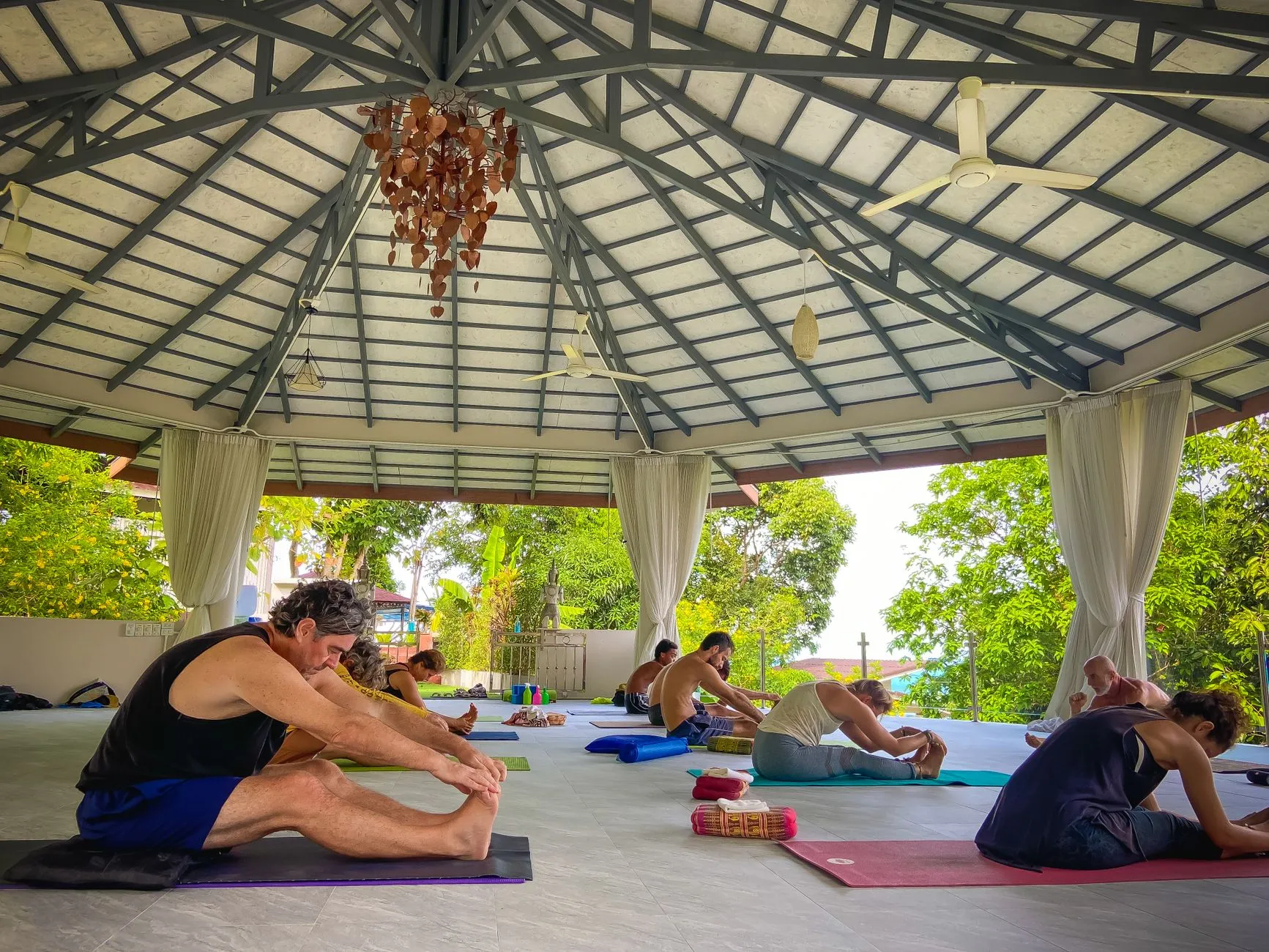
Locations Offering Yoga Teacher Training Programs
Yoga teacher training programs are thriving in various locations, with each area providing a unique atmosphere and diverse offerings. Some of the best regions for yoga training include Chiang Mai, Krabi, and Koh Phangan.
Best Regions for Yoga Training
1. Chiang Mai
Chiang Mai, known for its rich culture and serene environment, is a popular choice for yoga teacher training. It offers numerous schools and programs focused on wellness and spirituality. The cost of training here can vary greatly depending on the program and accommodations but generally ranges from $1,500 to $3,000 for a comprehensive 200-hour course.
2. Krabi
Krabi is renowned for its stunning beaches and vibrant natural landscape. Yoga teacher training in this region is often intertwined with outdoor activities, making it ideal for nature enthusiasts. Training costs in Krabi are typically between $1,600 and $2,800, varying based on the program specifics.
3. Koh Phangan
Koh Phangan is famous for its spiritual retreats and yoga programs. The island attracts many practitioners looking to deepen their practice or start their journey in teaching. Prices for yoga teacher training on Koh Phangan can range from $1,400 to $3,200 depending on the type of curriculum and additionally offered services.
Cost Comparison Table
| Location | Average Cost Range | Additional Offerings |
|---|---|---|
| Chiang Mai | $1,500 – $3,000 | Cultural immersion, wellness programs |
| Krabi | $1,600 – $2,800 | Outdoor activities, nature-inspired classes |
| Koh Phangan | $1,400 – $3,200 | Spiritual retreats, holistic health focus |
Choosing the right location for yoga teacher training can significantly impact your experience and learning. Each region has something unique to offer, allowing you to select an environment that fits your personal goals and lifestyle preferences.
For those seeking high-quality yoga teacher training, YMB Yoga School in Bali provides structured programs designed to nurture both personal growth and professional development. Connecting with the natural beauty and calm of Bali enhances the overall experience of becoming a yoga teacher.
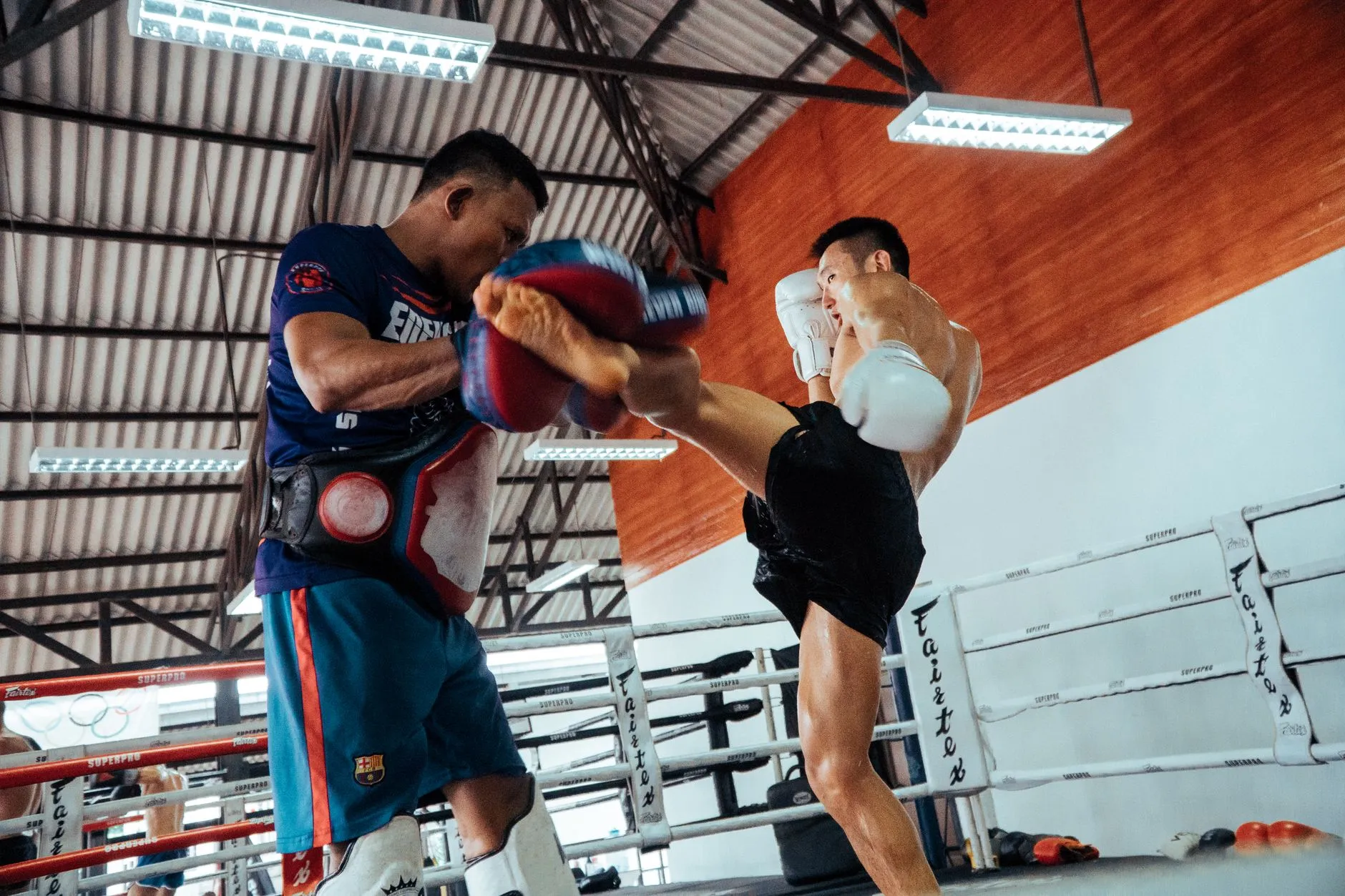
Yoga Styles Offered in Teacher Training
When considering a yoga teacher training program, understanding the variety of styles included can help you choose the right path for your practice. YMB Yoga School in Bali provides an extensive range of yoga styles in its teacher training program, including Hatha Yoga, Vinyasa Yoga, Ashtanga Yoga, Yin Yoga, and Restorative Yoga.
Popular Styles Explained
| Yoga Style | Description | Key Benefits |
|---|---|---|
| Hatha Yoga | A foundational style focusing on basic postures and alignment techniques. | Enhances flexibility and strength. Improves mental clarity. |
| Vinyasa Yoga | A dynamic style linking breath with movement, often practiced in a flow. | Builds stamina and endurance. Promotes mindfulness in motion. |
| Ashtanga Yoga | A structured series of poses, performed in a specific order with a set pace. | Increases strength and discipline. Boosts cardiovascular fitness. |
| Yin Yoga | A slow-paced style focusing on deep stretching and holding postures. | Enhances flexibility and deep relaxation. Balances energy levels. |
| Restorative Yoga | A gentle, calming practice using props to support the body in restful poses. | Reduces stress and promotes healing. Fosters deep relaxation. |
Each of these styles offers unique approaches and benefits, making them essential components of a comprehensive yoga training experience. By completing a course at YMB Yoga School, students can gain proficiency in these various styles, with an emphasis on their philosophy and practical application, enriching both their teaching and personal practice.
YMB Yoga School is committed to providing high-quality training that equips future teachers with the knowledge and skills necessary to succeed in their yoga journey, aligning with the principles of Yoga Alliance certification. Through this diverse exposure to yoga styles, participants can develop their voice and find their unique teaching style, ready to inspire others.
Health and Wellness during Training
Maintaining health and wellness during yoga training is essential for ensuring a positive and effective learning experience. Proper nutrition and healthy habits are vital for managing the physical and mental demands of an intense training regimen.
Maintaining Wellness
Importance of Proper Nutrition During Training
Balanced nutrition is crucial when undergoing a rigorous yoga teacher training program. Foods rich in nutrients provide energy, enhance performance, and aid recovery. It is advisable to include a variety of fruits, vegetables, whole grains, and proteins in your diet. Staying hydrated is equally important, as dehydration can lead to fatigue and reduced concentration during classes.
Staying Healthy While Managing an Intense Training Regimen
While the intensity of training can be high, it is vital to incorporate rest and relaxation as part of a wellness strategy. This can include activities like meditation or mindfulness practice, which not only help in recovery but also improve focus and clarity during training sessions. Engaging in light exercise or leisurely walks can also promote muscle recovery without overexerting the body.
| Wellness Aspect | Importance | Tips for Implementation |
|---|---|---|
| Proper Nutrition | Provides energy and aids physical performance | Focus on a balanced diet with hydration |
| Rest and Relaxation | Enhances mental well-being and recovery | Include meditation and leisure activities |
| Light Exercise | Supports muscle recovery with minimal strain | Incorporate walking or gentle stretching |
Maintaining a focus on wellness not only benefits your training experience but also lays the foundation for a sustainable yoga practice in the future.
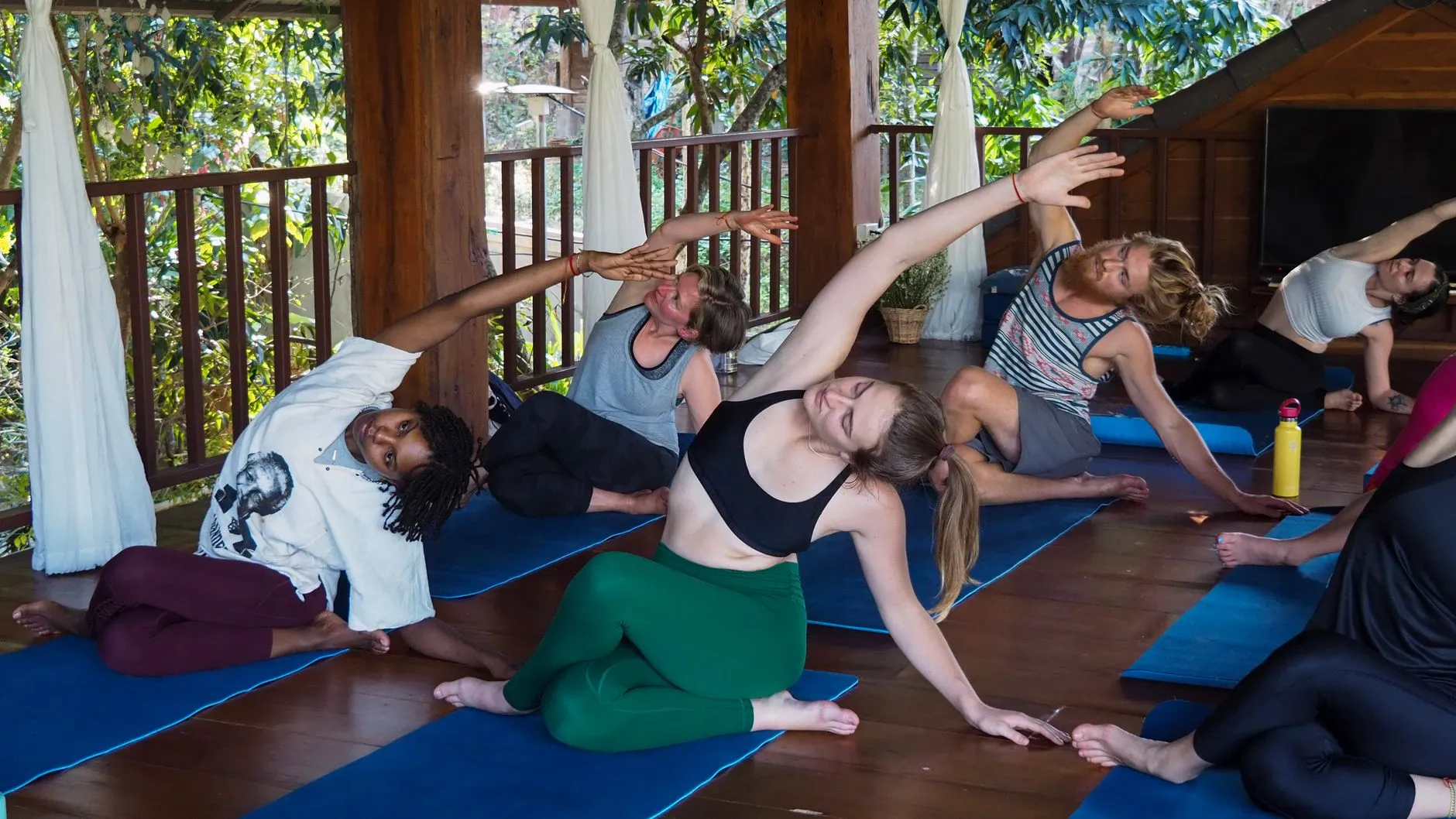
Accommodation Options for Yoga Teacher Training
When selecting accommodation for your yoga teacher training, you will find several enticing options that can enhance your overall experience in Bali. YMB Yoga School recognizes the importance of a comfortable and supportive environment during your training. Here are the types of accommodations available:
Types of Accommodation
| Type | Description | Advantages |
|---|---|---|
| Hotels and Resorts | Luxurious facilities offering a range of amenities, including pools and spas | Enhanced comfort and leisure options |
| Guesthouses and Homestays | More intimate settings with local flair, often providing meals and interaction with hosts | A sense of community and cultural immersion |
| Yoga Retreat Centers | Specialized accommodations designed for yoga practitioners, often located in serene settings | Tailored experiences that complement training |
Hotels and Resorts
Hotels and resorts provide a luxurious setting for your yoga teacher training. These facilities often include extensive amenities such as swimming pools, spas, and fine dining. Staying in such accommodations allows you to relax and rejuvenate after intensive training sessions offered by YMB Yoga School.
Guesthouses and Homestays
For those looking for a more personal touch, guesthouses and homestays are excellent options. These typically offer cozy rooms and the chance to engage with local families, enhancing your cultural experience. This option not only provides budget-friendly accommodation but also creates a sense of belonging and community, perfect for one’s yoga journey.
Yoga Retreat Centers
Yoga retreat centers are specifically designed for yoga practitioners. They often provide accommodation, meals, and spaces that foster focused practice and relaxation. Typically set in quiet, natural locations, these centers are ideal for immersing oneself in the yogic experience and fully participating in the training offered by YMB Yoga School.
Consider these accommodation options carefully to find the perfect fit for your journey into yoga teacher training. Each choice comes with its unique benefits, aimed at enhancing your learning experience while you develop your skills at YMB Yoga School.

Post-Graduation Opportunities for Yoga Teachers in Thailand
The journey doesn’t end with your certification. Post-graduation, yoga teachers have a multitude of career paths to explore in Thailand, which has become a popular hub for yoga practitioners.
Careers and Networking
After completing your training with YMB Yoga School, various teaching opportunities await, from positions in studios to work in wellness retreats.
Teaching Positions in Studios and Retreats
Many graduates secure roles in prestigious yoga studios or wellness retreats across Thailand. Here, you can offer classes, workshops, and private sessions, sharing the knowledge you gained during training. Additionally, these environments often promote community engagement, giving you valuable networking opportunities within the yoga community.
Opportunities for Freelance Teaching and Workshops
Freelance teaching is another viable option. With a Yoga Alliance certification from YMB Yoga School in Bali, you can create your own brand and hold workshops or private classes, catering to a niche audience. This flexibility allows you to tailor your offerings and schedule according to your preferences and lifestyle.
Here’s a quick overview of the types of opportunities available:
| Career Path | Description | Potential Earnings |
|---|---|---|
| Studio Teacher | Teach classes at established yoga studios | $20 – $50 per class |
| Retreat Instructor | Lead yoga sessions at wellness retreats | $1,000 – $3,000 per retreat |
| Freelance Teacher | Conduct private classes and workshops | Variable (based on clientele) |
| Yoga Workshops | Organize and teach specialized workshops | $100 – $300 per participant |
| Online Classes | Offer virtual sessions to a global audience | $10 – $30 per class |
These pathways provide flexibility and the chance to grow both personally and professionally. YMB Yoga School prepares you not just for teaching, but for forging connections that can further your career in various directions within the vibrant yoga landscape of Thailand.
FAQs
What are the best yoga teacher training programs in Thailand?
The best yoga teacher training programs in Thailand are recognized for their quality and accreditation. Notable programs include those offering Yoga Alliance certification, which emphasize comprehensive curricula that include both practical and theoretical components. Programs typically cover different yoga styles, anatomy, teaching methodologies, and personal practice.
How much does yoga teacher training cost in Thailand?
The average cost of yoga teacher training programs in Thailand varies significantly depending on the duration and location, generally ranging from $1,200 to $3,500. Additional expenses such as accommodation, meals, and travel should also be considered when budgeting for your training experience.
What types of yoga are taught in these programs?
Yoga programs in Thailand typically encompass a variety of styles, including Hatha, Vinyasa, Ashtanga, and Yin Yoga. Each program may have a different focus, with some emphasizing mindfulness and meditation, while others might concentrate on physical postures and alignment.
What is the duration of yoga teacher training programs?
Most yoga teacher training programs in Thailand last between 200 to 500 hours. The standard 200-hour program typically takes about 3 to 4 weeks to complete and can often be taken in an intensive format. Some programs offer part-time options or online components to allow greater flexibility.
What should I expect during my training?
During your training at YMB Yoga School, you can expect a structured daily routine that includes yoga practice, lectures, and group discussions. The supportive community fosters a nurturing environment where students are encouraged to share their experiences and assist one another, enhancing the overall training experience.
| Question | Answer | Additional Information |
|---|---|---|
| What are the best yoga teacher training programs in Thailand? | Recognized quality and certification. | Stresses comprehensive curricula and personal growth. |
| How much does yoga teacher training cost in Thailand? | $1,200 to $3,500 | Consider additional expenses for a full budget. |
| What types of yoga are taught? | Hatha, Vinyasa, Ashtanga, Yin | Training varies by program focus. |
| What is the duration? | 200-500 hours | Standard 200-hour training typically lasts 3-4 weeks. |
| What to expect? | Structured daily routines, community support. | Focus on enhancing personal practice and group dynamics. |