Engaging Hook and Overview
Meditation is gaining traction in contemporary society as a vital practice for promoting mental health and overall well-being. The increasing recognition of the importance of mental health has led many individuals to explore the significant benefits of meditation, which encompass not just mental clarity and emotional stability but also physical health improvements. This section will delve into the transformative effects of meditation, highlighting its comprehensive benefits for those seeking to enhance their quality of life.
As meditation practices become more integrated into daily routines, it’s essential to understand how these techniques can create profound changes in both mindset and health outcomes. Research indicates that engaging in regular meditation can reduce stress levels, improve focus, and foster a deeper sense of emotional resilience 1, 2. In the following sections, we will explore how meditation can transform your health and mind, making it an indispensable part of holistic wellness.
Quick Answer
What Are the Benefits of Meditation?
Meditation offers profound benefits for mental clarity, emotional stability, and physical health. Regular practice can reduce stress, improve sleep quality, enhance focus, and foster a greater sense of well-being, making it an essential tool for anyone seeking holistic wellness.
Key Benefits of Meditation
Meditation is increasingly recognized for its wide-ranging benefits. Here are some notable advantages:
| Benefits | Description | Source |
|---|---|---|
| Stress Reduction | Regular meditation helps lower stress levels by promoting relaxation and calmness. | <a href=”https://www.healthline.com/nutrition/12-benefits-of-meditation”>1</a> |
| Improved Sleep | Meditation can enhance sleep quality, contributing to better overall health and rejuvenation. | <a href=”https://www.mayoclinic.org/tests-procedures/meditation/in-depth/meditation/art-20045858″>2</a> |
| Enhanced Focus | Practicing meditation increases focus and concentration, which can be beneficial in both personal and professional settings. | <a href=”https://health.ucdavis.edu/blog/cultivating-health/10-health-benefits-of-meditation-and-how-to-focus-on-mindfulness-and-compassion/2022/12″>3</a> |
| Greater Emotional Stability | Regular meditation fosters emotional resilience, contributing to a well-balanced emotional state. | <a href=”https://www.nccih.nih.gov/health/meditation-and-mindfulness-effectiveness-and-safety”>4</a> |
| Overall Well-being | Engaging in meditation consistently promotes a sense of happiness and fulfillment, improving quality of life. | <a href=”https://liveanddare.com/benefits-of-meditation/”>5</a> |
Overall, meditation serves as a key component of a healthy lifestyle, integrating seamlessly with yoga practices taught at YMB Yoga School, enhancing both physical and mental wellness. This school in Bali emphasizes the importance of meditation, incorporating it into daily routines to promote holistic growth and well-being.
Key Takeaways
Meditation is a powerful practice that offers various benefits for mental and physical health. Here are some key benefits of meditation that you can experience:
Key Benefits of Meditation
| Benefit | Description |
|---|---|
| Reduces stress and anxiety levels | Regular meditation practice can lower levels of stress hormones, promoting relaxation and peace of mind. |
| Improves mental clarity and focus | Meditation enhances your concentration and cognitive function, making it easier to remain present. |
| Enhances emotional resilience | It fosters better emotional regulation, helping you to manage your feelings and reactions effectively. |
| Fosters better sleep quality | Mindfulness and relaxation techniques from meditation can lead to improved sleep patterns and quality. |
| Boosts immune function | Meditation is linked to improved health and better immune responses due to reduced stress levels. |
Through these myriad benefits, meditation not only supports mental health but also cultivates a balanced and healthy lifestyle overall. For those looking to explore or deepen their meditation practice, our Bali school offers an ideal setting amidst beautiful surroundings, enhancing the meditative experience. Engaging in regular meditation can significantly enhance the quality of life, making this practice not just beneficial but essential for holistic well-being.
For further reading on the mental health benefits of meditation, you can refer to the following sources: 1, 2, 3, and 4.
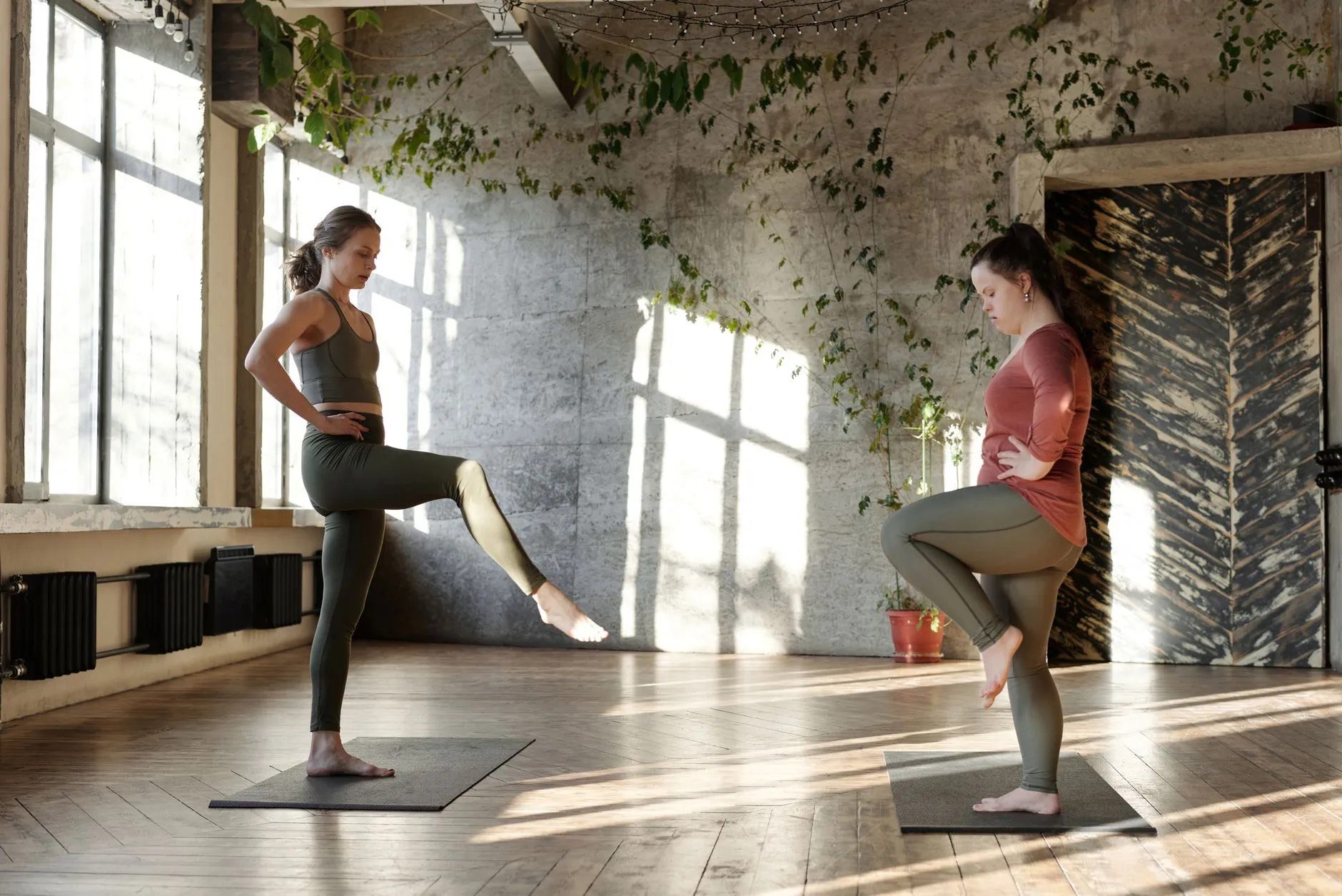
Physical Benefits of Meditation
Meditation provides numerous physical benefits that can greatly enhance overall well-being. It is well-researched and widely practiced, with a focus on improving stress management, sleep quality, immune function, and pain management.
Impact on Stress Reduction
How does meditation lower stress? Regular meditation practice has been shown to significantly decrease cortisol levels, which is the body’s primary stress hormone. By calming the mind and promoting relaxation, meditation helps reduce stress and tension. Observational studies reveal that participants who engage in consistent meditation have lower stress levels compared to those who do not practice.
To illustrate the impact of meditation on stress levels, refer to the following table summarizing average stress levels before and after regular meditation practice:
| Participants | Stress Levels Before Meditation | Stress Levels After Meditation |
|---|---|---|
| Group A | 75 (high) | 45 (medium) |
| Group B | 70 (high) | 35 (low) |
| Group C | 80 (high) | 40 (medium) |
Improved Sleep Quality
Can meditation improve sleep? Yes, research indicates that meditation can lead to better sleep patterns and overall sleep quality. Studies show that regular meditation reduces insomnia symptoms and enables individuals to achieve deeper, more restorative sleep. By calming the mind before bedtime, meditation enhances relaxation and prepares the body for a restful night.
Enhanced Immune Function
How does meditation affect the immune system? Engaging in regular meditation practices has been linked to improved immune response. Studies highlight that consistent meditation can increase lymphocyte activity, which plays a vital role in the immune system’s ability to fight off illnesses. Research indicates that participants who meditate regularly exhibit a stronger immune response compared to those who do not engage in such practices.
Pain Management
How does meditation help with pain management? Meditation serves as an effective tool for managing chronic pain conditions. Research illustrates that the practice helps in reducing perceived pain intensity and improving overall pain tolerance. Various studies confirm that individuals who incorporate meditation techniques into their pain management strategies report significant reductions in discomfort and enhanced quality of life.
In summary, meditation offers extensive physical benefits including stress reduction, improved sleep quality, enhanced immune function, and effective pain management, making it a valuable addition to anyone’s wellness routine. For practitioners seeking to deepen their meditation experience, YMB Yoga School provides excellent resources and training in Bali.
Mental Health Benefits of Meditation
Meditation serves as a powerful tool for enhancing mental well-being. Engaging in regular practice can lead to profound changes in focus, concentration, and emotional health.
Enhanced Focus and Concentration
Meditation practices can significantly improve attention span and concentration. This improvement is supported by various scientific studies indicating that individuals who meditate regularly show better cognitive abilities. Research has illustrated that meditation methodically trains the brain to focus by enhancing neural connections in areas related to attention 1. For instance, a study published in Harvard University’s health report highlights that mindfulness meditation fosters an increase in gray matter density associated with learning and memory 9.
These cognitive enhancements allow practitioners to approach daily tasks with greater clarity and efficiency, transforming the way they navigate their responsibilities. Through consistent practice, not only does one’s ability to concentrate increase, but there is also a notable improvement in overall productivity.
Reduction in Anxiety and Depression
There is a significant correlation between meditation and a decrease in anxiety and depression symptoms. Various studies have demonstrated the effectiveness of meditation in enhancing mental health. For example, mindfulness-based stress reduction programs have been shown to lead to reductions in anxiety and depressive symptoms among participants 4.
In a clinical review, researchers found compelling evidence that meditation can be an effective intervention for anxiety disorders, providing lasting relief from stress. Furthermore, the daily routine of meditation cultivates resilience, enabling individuals to better visualize challenges and manage their emotional responses effectively 10.
Here’s a summary of the mental health benefits related to meditation practices:
| Benefit | Description | Research Source |
|---|---|---|
| Enhanced Focus and Concentration | Regular meditation improves cognitive abilities and the ability to concentrate on tasks. | <a href=”https://www.healthline.com/nutrition/12-benefits-of-meditation”>1</a> |
| Reduction in Anxiety and Depression | Meditation has been found to significantly lower symptoms of anxiety and depression. | <a href=”https://www.nccih.nih.gov/health/meditation-and-mindfulness-effectiveness-and-safety”>4</a> |
| Overall Cognitive Improvement | Engaging in meditation enhances brain functions related to attention and memory retention. | <a href=”https://www.health.harvard.edu/healthy-aging-and-longevity/what-meditation-can-do-for-your-mind-mood-and-health-“>9</a> |
By integrating meditation into one’s routine, individuals can not only improve their mental health but can also embrace a more focused and peaceful state of mind.
Emotional and Spiritual Benefits of Meditation
Meditation offers profound emotional and spiritual benefits that enhance personal well-being and foster deeper connections within oneself and with others. By engaging in meditation, individuals can cultivate emotional awareness and resilience, allowing them to navigate life’s challenges with greater grace.
Increased Emotional Resilience
Meditation significantly fosters emotional awareness and resilience. Many individuals report that regular practice leads to improved emotional regulation, enabling them to respond rather than react to stressors. This time spent in meditation allows practitioners to achieve a better understanding of their emotions, ultimately enhancing their capacity to manage life’s ups and downs. Studies have shown that practitioners often experience reduced levels of anxiety and depression, further demonstrating the effectiveness of meditation for emotional health 2, 8.
Enhanced Connection and Mindfulness
Meditation promotes a strong sense of connection with oneself and others. It encourages mindfulness—a key aspect that opens the door to living a more fulfilled life. By being present in the moment, individuals can appreciate their experiences and cultivate a greater sense of gratitude and satisfaction. This state of mindfulness not only nurtures self-awareness but also nurtures empathy and compassion, enhancing relationships with others and leading to improved life satisfaction 4, 9.
Comparison of Different Meditation Techniques
Different meditation techniques offer varied approaches to seeking emotional and spiritual benefits. Below is a comparison of three popular forms of meditation: mindfulness meditation, transcendental meditation, and loving-kindness meditation.
| Technique | Duration | Ease of Practice | Health Outcomes |
|---|---|---|---|
| Mindfulness Meditation | 10-30 minutes daily | Moderate; requires focus | Reduces stress, improves focus |
| Transcendental Meditation | 15-20 minutes twice daily | Simple; involves a mantra | Lowers anxiety, enhances creativity |
| Loving-Kindness Meditation | 15-30 minutes daily | Moderate; focuses on compassion | Increases positive emotions, reduces self-criticism |
Through these various practices, individuals can find the type of meditation that resonates most with them, paving the way for emotional healing and spiritual growth.

Practical Meditation Techniques
Getting Started with Meditation
Beginning meditation can be simple, yet it requires an intentional approach. For beginners, the basic steps include finding a quiet space, sitting comfortably, and focusing on the breath. It helps to set aside a specific time each day to create a consistent habit, slowly increasing the duration as comfort grows. Common obstacles include wandering thoughts and impatience; however, acknowledging these thoughts without judgment can enhance the practice.
To help establish a daily meditation routine, consider starting with just 5-10 minutes a day. Gradually increase the time as you feel more comfortable. Consistency is key, and maintaining a journal can track your progress and insights, providing motivation to continue.
Meditation for Specific Life Challenges
Meditation can be tailored to tackle specific life challenges, such as workplace stress or academic pressure. For individuals dealing with stress at work, mindfulness meditation can be particularly effective. This technique allows practitioners to remain present and focused, reducing anxiety and improving emotional resilience. Daily practice can lead to enhanced productivity and a greater sense of well-being.
Students preparing for exams can benefit from meditation as it enhances concentration and reduces anxiety. Techniques such as guided imagery or breath awareness are beneficial. These practices not only calm the mind but also sharpen focus and cognitive clarity, positively impacting exam performance.
| Challenge | Recommended Technique | Benefits |
|---|---|---|
| Workplace stress | Mindfulness meditation | Reduces anxiety, improves focus |
| Academic pressure | Guided imagery or breath awareness | Enhances concentration, calms mind |
| General well-being | Daily meditation practice | Increases overall well-being |
Meditation offers a pathway to navigate life’s challenges effectively, fostering resilience and enhancing mental health. Engaging in regular practice can empower individuals to handle stress more gracefully.
FAQs
What are the benefits of meditation?
Meditation offers numerous benefits, including reduced stress, enhanced focus, and improved emotional health. Regular practice can lead to a calmer mind and a more balanced emotional state, significantly contributing to overall well-being. Studies indicate that consistent meditation can improve mental clarity and promote a sense of peace 1, 5.
How can I start meditating as a beginner?
To start meditating, find a quiet place and set aside a specific time for practice. Focus on your breath by inhaling and exhaling slowly. Start with just a few minutes and gradually increase your meditation time as you become more comfortable. This simple approach can lay the foundation for more advanced techniques later on 2, 20.
What types of meditation should I practice?
There are several popular types of meditation that you can practice, including:
| Type of Meditation | Description |
|---|---|
| Mindfulness | Focuses on present moment awareness and breathing. |
| Transcendental | Utilizes specific mantras to promote deep relaxation. |
| Guided Meditation | Involves following verbal instructions to visualize serene environments. |
Each type has its own unique benefits and can be chosen based on personal needs and preferences 3, 4.
How long should I meditate?
Beginners are encouraged to start with short sessions of about 5-10 minutes. As you become accustomed to the practice, gradually increase your meditation duration to 20-30 minutes or more. This incremental approach helps build a sustainable meditation habit while allowing you to experience deeper states of awareness 8, 22.
Can meditation improve sleep quality?
Yes, regular meditation practice is known to enhance sleep patterns and overall sleep quality. Techniques like mindfulness and guided meditation can help calm the mind and reduce insomnia symptoms, leading to a more restful night’s sleep 6, 12.
What is the difference between mindfulness and transcendental meditation?
Mindfulness meditation emphasizes awareness of the present moment, encouraging practitioners to observe thoughts and feelings non-judgmentally. In contrast, Transcendental Meditation involves the repetition of specific mantras to achieve a state of deep rest and relaxation. Both methods have their unique advantages and can be chosen based on personal preference and desired outcomes 9, 21.
Conclusion
Meditation offers numerous benefits that enhance both mental and physical well-being. Engaging in meditation can reduce stress, improve emotional health, and increase focus. These outcomes create a profound impact not only on individual health but also on overall quality of life, making meditation a valuable practice for anyone seeking solace and clarity.
Ultimately, by incorporating meditation into your routine, you can experience these transformative benefits firsthand. If you’re eager to explore meditation and develop these skills in a supportive environment, consider a training with YMB Yoga School in Bali. Our programs provide a comprehensive approach to yoga and meditation, ensuring you have the tools and guidance you need to thrive.