What is the history of Bali?
Bali’s history is rich and multifaceted, with key events that shaped its cultural and social landscape. Initially, the island was settled by Austronesian peoples. This migration laid the groundwork for diverse cultural influences over the centuries.
A Brief Overview
-
Austronesian Settlement: Bali’s first inhabitants, the Austronesians, arrived around 2000 BC. They introduced agricultural practices and crafted intricate tools, which influenced the island’s later developments. This early settlement marked the foundation for what would become a vibrant culture 1.
-
Hindu Kingdoms: During the 8th century, the rise of Hindu kingdoms transformed Bali. Significant cultural advancements occurred, including the introduction of Indian culture, art, and religion. The establishment of the Warmadewa dynasty in the 10th century represented a peak in this influence, resulting in intricate temple architectures that remain iconic today 2.
-
Colonial Impacts: The arrival of European explorers in the 16th century brought about significant changes. Dutch colonization began in the 19th century, reshaping governance structures and societal norms. Colonial rule led to both resistance and adaptation, factors that have shaped modern Balinese identity and culture 3.
In summary, Bali’s history is a tapestry woven from various cultural influences, each contributing to the unique identity that embodies the island today.
Bali Through the Ages
Bali has a rich tapestry of history shaped by migration, culture, and external influences.
Early Settlements
The initial waves of Austronesian migration brought diverse cultural influences to Bali. These early settlers engaged in agricultural development, leading to robust trade routes that established Bali as a crucial hub for economic exchange throughout the region. The introduction of rice cultivation significantly impacted societal structures and customs.
The Hindu Kingdoms
The establishment of the first Hindu kingdom in Bali, known as Warmadewa, marked a significant turning point in Balinese history. This era was characterized by notable cultural advancements, including the development of temple architecture that showcased intricate designs and elaborate carvings. Temples from this period still stand today, reflecting the island’s deep spiritual heritage.
Colonial Influences
The Dutch colonization of Bali altered its governance and societal framework. This foreign rule imposed new political structures and influenced local customs. The impacts of World War II further reshaped the island’s identity, fostering a period of resistance and cultural revival. This colonial legacy has left lasting impressions, making Bali a unique blend of traditional and contemporary influences.
| Period | Key Events | Key Characteristics |
|---|---|---|
| Early Settlements | Austronesian migration, agricultural development | Economic trade routes, establishment of rice farming |
| The Hindu Kingdoms | Formation of Warmadewa kingdom, temple architecture | Cultural advancements, elaborate carvings |
| Colonial Influences | Dutch colonization, World War II impacts | Changes in governance, cultural resilience |
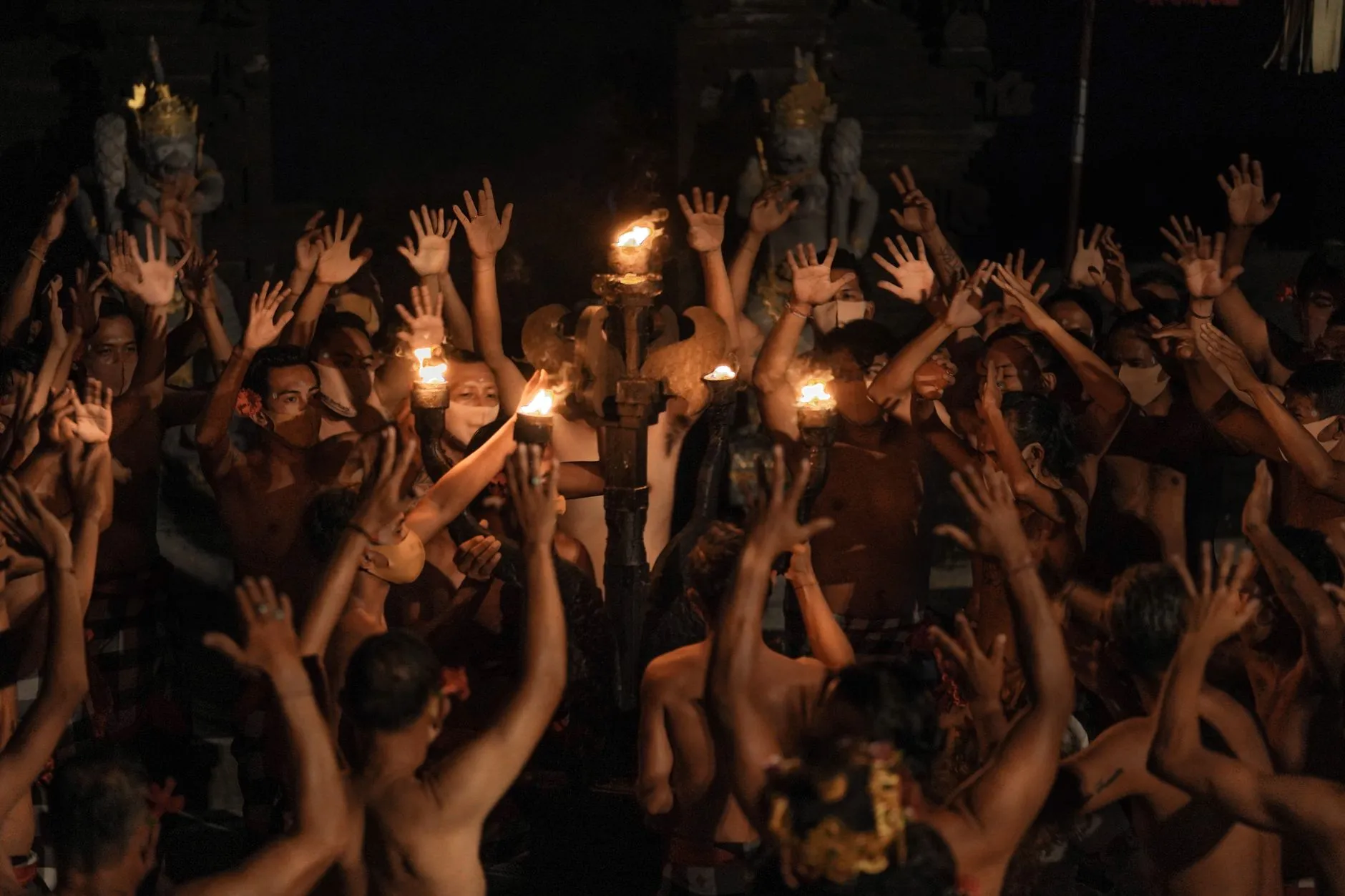
Cultural Evolution in Bali
Balinese culture has evolved uniquely through a blend of local traditions, religious influences, and artistic expressions. This evolution reflects the island’s vibrant identity, rooted in centuries of history.
Religious Influences
The integration of Hinduism and local beliefs is a key aspect of Balinese culture. Hinduism, which arrived in the archipelago around the first century AD, blended seamlessly with indigenous animistic practices, creating a rich spiritual landscape. This fusion manifests in daily life through rituals and ceremonies, which are integral to the community. Religious observances dominate the calendar, with festivals such as Nyepi and Galungan celebrated with elaborate offerings and ceremonies.
Rituals play a critical role in maintaining harmony between the spiritual and physical realms. Local customs often derive from ancient mythology, which narrates the Balinese view of life and death. Additionally, temples serve not only as spiritual homes but also as community centers where various cultural activities unfold 1, 2.
Art and Literature
Balinese art forms, including dance, music, and painting, have seen significant development over the years. Traditional dances, such as the Barong and Legong, not only entertain but also tell stories and convey cultural values. Music, particularly gamelan, accompanies these performances and is essential to community gatherings.
The influence of Balinese literature is profound, contributing to the island’s identity and cultural richness. Texts often explore themes of mythology, spirituality, and moral lessons, reflecting the intricate relationship between art and daily life. The stories preserved through literature help maintain the cultural heritage of Bali, ensuring that its traditions are passed down to future generations 3, 6.
| Aspect | Religious Influences | Art and Literature |
|---|---|---|
| Integration | Blends Hinduism and local beliefs | Reflects mythology and spirituality |
| Key Features | Rituals, ceremonies | Dance, music, storytelling |
| Community Role | Temples as spiritual and community hubs | Preserve cultural heritage |
| Influence | Festivals, daily practices | Themes of morality and identity |
The cultural evolution in Bali, driven by religious influences and artistic expression, showcases a sophisticated blend that continues to thrive today.
Tourism and Modern Influences
The surge in tourism has drastically transformed both the culture and economy of Bali. The influx of international travelers has reshaped traditional practices and has led to a unique blend of modern influences and age-old Balinese customs.
The Growth of Tourism
Tourism has become a cornerstone of Bali’s economy, significantly impacting local culture. As millions flock to the island each year, local artisans and farmers have altered their practices to cater to the demand of tourists. This shift has been seen in craftsmanship, cuisine, and traditional ceremonies, resulting in a blend of authenticity and commercialization. However, this evolution brings both opportunities and challenges, as communities strive to maintain their cultural roots amidst globalization.
Comparison with Other Destinations
To understand Bali’s appeal compared to other locations in Indonesia, a comparison table highlights essential aspects of tourism in Bali versus other Indonesian destinations:
| Feature | Bali | Other Indonesian Destinations |
|---|---|---|
| Visitor Numbers | Approximately 6 million annually | Varies significantly by region |
| Cultural Heritage | Rich in traditions and festivals | Diverse but less globally marketed |
| Infrastructure | Developed with numerous tourist services | Varies; some regions are underdeveloped |
| Activities Available | Yoga, surfing, cultural tours | Beach activities, trekking, local markets |
| Accessibility | Extensive international flight options | Limited in some areas |
Bali is not only a popular tourist destination but also a hub for cultural tourism, attracting travelers interested in experiencing local traditions and rituals. Other regions in Indonesia, while rich in culture, may not offer the same level of access and infrastructure as Bali does. For example, places like Yogyakarta offer unique cultural experiences but do not attract as many international tourists year-round.
This unique combination of natural beauty, rich culture, and modern amenities positions Bali as a standout destination among its Indonesian counterparts 1, 3.
The dynamics of tourism and cultural exchange in Bali provide essential insights into how global influences can shape local lifestyles while posing challenges to the preservation of traditional practices.
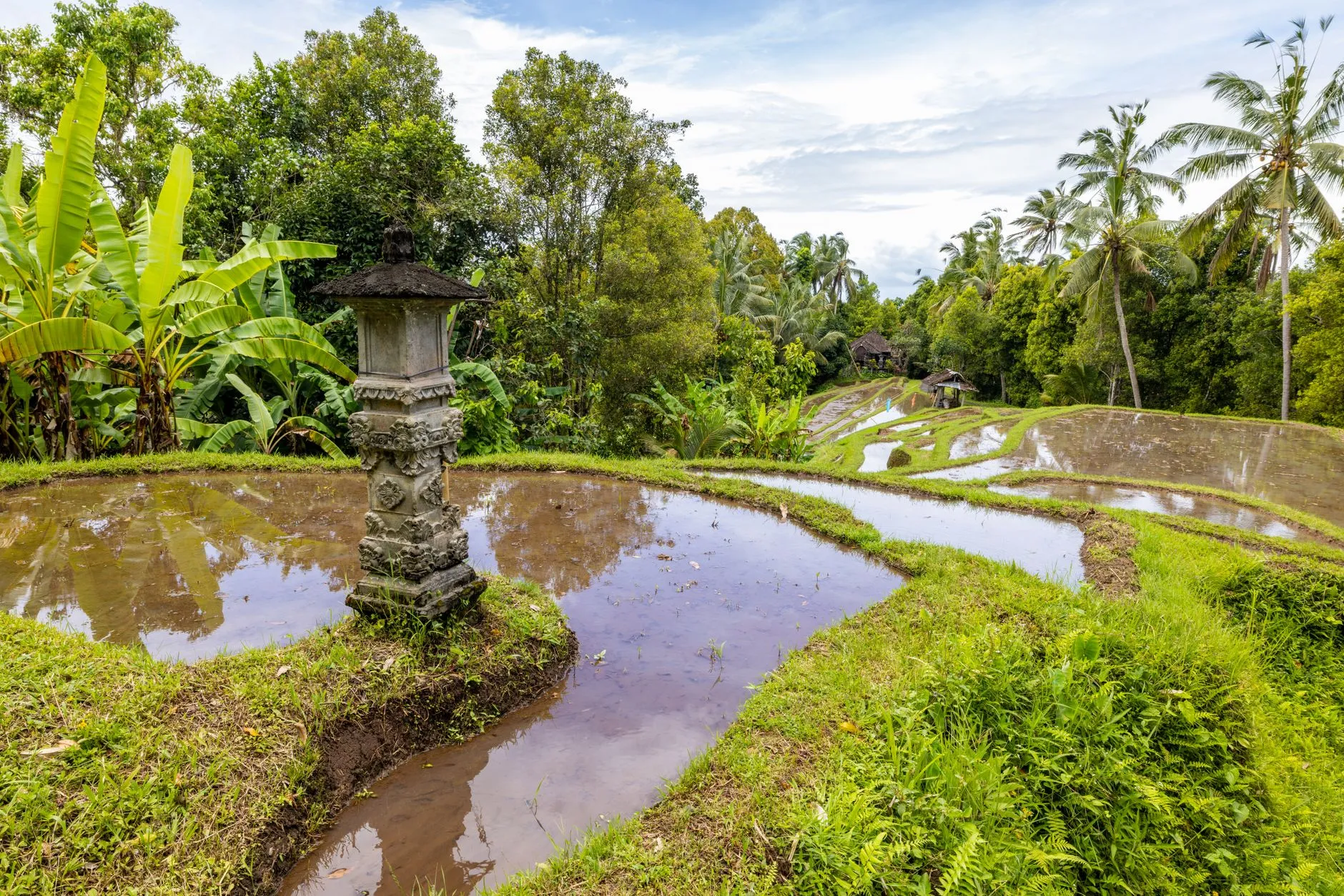
Conclusion
Bali’s rich history reflects a tapestry of cultures and traditions, from early settlements to the present. Key historical phases include the influence of Hinduism, the arrival of European traders, and the ongoing intermingling of local and global perspectives. The resilience of the Balinese identity continues to evolve, showcasing the island’s unique heritage and cultural richness 1, 2.
To truly appreciate this fascinating history, experiencing it firsthand is essential. YMB Yoga School in Bali offers a unique opportunity to connect with local culture through immersive training programs in a culturally vibrant setting. Engaging with Bali’s past can deepen your understanding and appreciation of this enchanting island 3.

Key Takeaways
Bali’s history is a fascinating tapestry woven from native traditions and Hindu influences. This rich cultural background has evolved significantly over centuries, reflecting various shifts in the social structure.
Bali’s Historical Influences
-
Native and Hindu Influences: Bali’s historical landscape is primarily shaped by indigenous traditions mixed with Hinduism. This blend is evident in various aspects of Balinese life, including rituals, art, and community structures 1.
-
Impact of Colonialism: Colonialism played a pivotal role in reshaping Bali’s social fabric. External powers disrupted traditional governance and influenced local economies, transforming both societal roles and cultural expressions 2.
-
Role of Tourism: In the modern era, tourism has become a significant factor in Bali’s cultural landscape. As visitors flock to the island, they not only influence local economies but also engage with and sometimes alter the cultural practices of the Balinese 3.
Cultural Heritage
- Art and Ceremonies: Balinese art and ceremonies are vibrant reflections of the island’s rich heritage. Traditional dances, music, and visual arts serve as vital expressions of communal identity and are integral to many local festivals 4.
| Aspect | Description | Example |
|---|---|---|
| Historical Influences | Blend of native customs and Hindu practices | Offerings and rituals |
| Colonial Impact | Changes in social structure due to colonial rule | New administrative frameworks |
| Tourism Influence | Modern cultural shifts driven by tourist engagement | Festivals adapting for tourists |
Bali’s past is crucial for understanding its present-day identity. As the island continues to balance tradition with modern influences, it remains a vibrant cultural hub worth exploring.
FAQs About Bali’s History
What are the key historical events in Bali?
Bali’s history is rich and complex, marked by several key events that shaped its cultural and societal landscape. Major events include the arrival of Hinduism from India around the 1st century, which deeply influenced Balinese culture. The island also experienced significant changes during the colonial era, particularly under Dutch rule in the 19th century. These historical milestones connect to contemporary Bali, where many traditional practices remain deeply ingrained in daily life. The evolution of governance, society, and culture through these events continues to influence the island today 1, 2.
How has colonialism impacted Balinese culture?
Colonialism fundamentally altered Balinese governance and societal structure. The Dutch colonial rule, starting in the late 19th century, imposed new political systems and legal frameworks that disrupted the traditional hierarchies of the island. This influence created lasting changes in social customs and local governance, leading to both assimilation and resistance among the Balinese people. The effects of colonialism are still evident today in the blend of traditional practices and modern governance 3, 4.
What is the significance of Hinduism in Bali?
Hinduism plays a central role in Balinese life, shaping rituals, ceremonies, and daily practices. The majority of the population identifies as Hindu, and the religion influences every aspect of society—from community events to personal beliefs. Temples, ceremonies like Galungan, and daily offerings reflect the integration of Hindu beliefs in everyday life. This devotion ensures that spiritual and cultural ties remain a vital part of the island’s identity 5, 6.
Which historical sites should I visit in Bali?
Bali is home to numerous historical sites that reflect its rich cultural heritage. Key locations include:
| Site Name | Description | Location |
|---|---|---|
| Besakih Temple | Known as the “Mother Temple” of Bali, it’s the largest and holiest temple. | Karangasem |
| Uluwatu Temple | Perched on a cliff, this temple offers stunning sunset views. | Pecatu |
| Goa Gajah (Elephant Cave) | An ancient site featuring intricate rock carvings and a bathing pool. | Ubud |
| Taman Ayun Temple | A royal temple surrounded by beautiful gardens, reflecting Balinese architecture. | Mengwi |
These sites are a must-visit for anyone looking to dive deeper into Balinese history and spirituality 7, 8.
What are some traditional Balinese ceremonies?
Balinese culture is rich in ceremonies that serve both spiritual and community functions. Major traditional ceremonies include:
- Galungan: Celebrates the victory of dharma (good) over adharma (evil), lasting ten days.
- Kuningan: Marks the end of Galungan, where offerings are made to ancestral spirits.
- Nyepi: The Day of Silence is celebrated by self-reflection and the cessation of all activities.
These rituals highlight the deep sense of community and spirituality in Balinese life, showcasing the island’s vibrant customs 9, 10.