What is Yoga Philosophy?
Defining Yoga Philosophy
Yoga philosophy is a comprehensive framework that combines spiritual and practical disciplines aimed at personal development. It serves as a guide for practitioners, emphasizing the influence of ethical principles on daily life and inner peace. Understanding this philosophy is increasingly important in today’s fast-paced world, where mindfulness and well-being are paramount.
Core concepts such as Ahimsa (non-violence), Satya (truthfulness), and Asteya (non-stealing) are foundational to yoga philosophy. These principles are woven into various aspects of yoga practice and can greatly enhance the practitioner’s journey toward self-discovery and harmony.
Importance in Modern Contexts
In modern contexts, yoga philosophy extends beyond merely physical practices. It offers ethical and holistic perspectives vital for navigating life’s challenges. Practicing these concepts fosters compassion, honesty, and integrity, allowing individuals to lead richer, more meaningful lives. Not only does this philosophy influence how one engages in yoga, but it also transforms how one interacts with the world around them.
Core Concepts
Understanding key principles of yoga philosophy can deepen one’s practice:
| Core Concept | Definition | Implication |
|---|---|---|
| Ahimsa | Non-violence, respect for all living things | Encourages compassion and empathy |
| Satya | Truthfulness | Promotes authenticity and integrity in actions |
| Asteya | Non-stealing, respect for others’ possessions | Cultivates gratitude and contentment |
By integrating these core concepts into daily life, practitioners can unlock new dimensions of personal growth and emotional well-being. This holistic approach is what sets yoga apart from fitness-based exercises, making it a profound practice for mind and spirit as well as body 1, 2.
Overview
Yoga philosophy integrates ethics and spiritual practices, focusing on personal growth, mindfulness, and the holistic connection between mind and body. It encompasses various dimensions of the self, including emotional, physical, and spiritual aspects. The teachings encourage practitioners to cultivate awareness and understanding, leading to a more balanced life1.
Key Principles of Yoga Philosophy
-
Ethics: The ethical guidelines in yoga, known as the Yamas and Niyamas, serve as a foundation for personal conduct and spiritual growth.
-
Mindfulness: Practicing mindfulness is central to yoga philosophy. It fosters a deep connection between the mind and body, enhancing overall well-being.
-
Holistic Connection: This philosophy emphasizes the unity of mind, body, and spirit, promoting a balanced and healthy lifestyle.
-
Personal Growth: Yoga encourages self-exploration and personal development, allowing practitioners to discover their true selves and foster inner peace.
Table of Yoga Philosophy Aspects
| Aspect | Description | Benefits |
|---|---|---|
| Ethics | Guidelines for moral conduct | Better relationships and integrity |
| Mindfulness | Being fully present in the moment | Increased focus and clarity |
| Holistic Connection | Unity of mind, body, and spirit | Overall physical and mental health |
| Personal Growth | Journey of self-discovery | Enhanced self-awareness |
Engaging with these principles can deeply enrich your yoga practice and overall life experience. YMB Yoga School in Bali embraces these concepts, offering training that not only hones physical skills but also fosters personal and spiritual growth through yoga philosophy.

Key Takeaways
Yoga philosophy emphasizes the interconnectedness of body, mind, and spirit. By grasping its core beliefs, practitioners can deepen their yoga experience and overall well-being.
Summary of Main Points
-
Union of Body, Mind, and Spirit
Yoga philosophy advocates for a holistic approach, uniting physical practice, mental clarity, and spiritual connection. This integration promotes a balanced lifestyle and mental health. -
Core Beliefs of Yoga
Understanding the foundational beliefs of yoga enhances the practice. Key principles such as the Yamas and Niyamas guide ethical and moral behavior, which can lead to personal growth and emotional stability. -
Foundational Texts
Important texts like the Bhagavad Gita and Yoga Sutras provide essential insights into yoga philosophy. These texts serve as a roadmap for both practitioners and teachers in understanding the depth of yoga practices 1, 2. -
Personal and Emotional Growth
Practicing yoga philosophy facilitates self-awareness and emotional healing. Engaging with these teachings can lead to transformative experiences, fostering a more mindful and compassionate way of living.
Through these elements, individuals can enrich their yoga journey, whether at home or while attending a training program at YMB Yoga School in Bali.
| Core Elements of Yoga Philosophy | Benefits | Recommended Texts |
|---|---|---|
| Union of Body, Mind, Spirit | Mental health, balance | Bhagavad Gita |
| Ethical Principles (Yamas, Niyamas) | Personal growth, ethical living | Yoga Sutras |
| Self-Awareness and Mindfulness | Emotional healing, compassion | Various classical texts |
Fundamental Concepts of Yoga Philosophy
Yoga philosophy encompasses various principles guiding the practice of yoga. Two fundamental aspects are the Eight Limbs of Yoga and the core concepts of Karma and Dharma.
The Eight Limbs of Yoga
The Eight Limbs of Yoga, as outlined by Patanjali in the Yoga Sutras, serve as a comprehensive framework for ethical living, self-discipline, and deep meditation. These limbs are:
| Limb | Description |
|---|---|
| Yama | Ethical standards and self-restraints, focusing on how we connect with others. |
| Niyama | Personal observances that guide self-discipline and spiritual practices. |
| Asana | Physical postures that build strength and flexibility; important for physical health. |
| Pranayama | Breath control techniques that enhance both physical and mental well-being. |
| Pratyahara | Withdrawal of the senses, fostering mental clarity and focus. |
| Dharana | Concentration techniques to focus the mind on a single point or object. |
| Dhyana | Meditation, which facilitates a deeper understanding of self and connection with others. |
| Samadhi | A state of oneness or bliss achieved through the mastering of the previous limbs. |
Each limb plays a significant role in developing a balanced and fulfilling life, integrating physical, mental, and spiritual practices. This holistic approach is essential for anyone practicing yoga seriously, such as those training at YMB Yoga School in Bali, which emphasizes these principles throughout its curriculum.
Core Principles: Karma and Dharma
Understanding Karma and Dharma is essential to grasping yoga philosophy. Karma refers to the principle of cause and effect, where every action influences present and future circumstances. This concept encourages practitioners to act positively, as their actions shape their experiences.
Dharma, on the other hand, relates to one’s duties, ethics, and responsibilities. It emphasizes living in accordance with one’s values and purpose, which is integral to personal development. Together, Karma and Dharma serve as guiding principles for one’s actions and decisions, shaping an individual’s journey in yoga.
| Concept | Description |
|---|---|
| Karma | Action and its consequences; encourages mindfulness and positive behaviors. |
| Dharma | The ethical path or duties one must follow; promotes living in alignment with values. |
The interplay between Karma and Dharma enriches the practice of yoga, allowing practitioners to make conscious choices that enhance their well-being. Such teachings are foundational in courses offered at the school, where participants learn to embody these principles in daily life.
By integrating these fundamental concepts into practice, individuals can cultivate a deeper understanding of yoga, setting the stage for profound personal growth.
Historical Context of Yoga Philosophy
Yoga philosophy traces its roots through various ancient texts and cultural contexts. The Yoga Sutras of Patanjali and the Bhagavad Gita are foundational texts that outline the principles and practices of yoga. Over time, yoga has evolved, incorporating influences from Hinduism and Buddhism, thus shaping diverse practices and philosophies associated with yoga today.
Tracing the Roots
-
Ancient Texts: The Yoga Sutras of Patanjali, written around 400 CE, concisely codifies the philosophical framework of yoga. It emphasizes the eight limbs of yoga, which guide practitioners toward spiritual growth and self-realization. The Bhagavad Gita, another seminal work, integrates yoga with the broader teachings of Dharma and selfless action, highlighting the importance of mindfulness in daily life 1, 2.
-
Cultural Background: Yoga has not remained static; its philosophy has morphed throughout history. Originally, it emerged within the context of ancient Indian spirituality, influenced by the beliefs and practices of the time. The conversation around yoga has expanded globally, adapting to different cultures and philosophies while retaining its core principles.
-
Impact of Hinduism and Buddhism: The philosophies of Hinduism and Buddhism have significantly impacted yoga practices. Concepts such as karma, rebirth, and enlightenment play a crucial role in shaping the understanding of yoga. Both religions emphasize mindfulness and meditation, central to yogic practices today 3, 4.
Summary Table of Influential Texts
| Text | Author | Key Focus |
|---|---|---|
| Yoga Sutras | Patanjali | Path to self-realization |
| Bhagavad Gita | Vyasa | Dharma and selfless action |
| Upanishads | Various | Philosophical underpinnings of spirituality |
Yoga remains a dynamic field with rich philosophical roots, allowing practitioners to explore deeper aspects of self-awareness and mindfulness. By studying these foundational texts, one cultivates a greater understanding of yoga’s transformative potential.
How Does Yoga Philosophy Impact Practice?
Yoga philosophy deeply influences both the physical and mental aspects of practice. By integrating principles of mindfulness, breath control, and meditation, practitioners can enhance their overall experience and well-being.
Mindfulness and Presence
Mindfulness is a core aspect of yoga philosophy that significantly impacts physical performance. Being present in the moment allows practitioners to concentrate on their movements, enhancing balance and coordination. This focus fosters emotional resilience, enabling individuals to manage stress better and improve self-awareness. Through mindfulness, practitioners observe their thoughts without judgment, which can lead to greater emotional stability and clarity in daily life.
Physical Health Benefits
Yoga philosophy also emphasizes breath control, or Pranayama, as a vital tool for mental clarity. Controlled breathing techniques reduce anxiety and improve focus, directly benefiting one’s physical practice. When practitioners emphasize breath, they cultivate a deeper connection between mind and body, enhancing their overall physical experience.
Meditation plays a crucial role in achieving mental well-being. Regular meditation practice fosters a sense of inner peace and reduces negative thoughts. This integration of meditation and asana practice helps improve cognitive functions, boosts mood, and contributes to overall mental health 1, 2.
The interconnectedness of mindfulness, breath control, and meditation illustrates how yoga philosophy enriches physical practice and promotes holistic health. These elements enable practitioners to engage more deeply with their practice and cultivate a profound sense of balance within themselves.

Comparative Analysis of Yoga Schools and Practices
To truly understand the landscape of yoga training, it’s essential to compare different yoga schools and their philosophies. Below is a comprehensive analysis that focuses on key elements such as philosophies and costs, highlighting our Bali school in comparison to other institutions.
Comparing Yoga Schools Worldwide
| Feature | the school in Bali (Bali) | Competitor 1 | Competitor 2 |
|---|---|---|---|
| Philosophy | Integrative, focusing on ancient teachings combined with modern practices | Traditional Hatha Yoga | Vinyasa Flow |
| Course Length | 200-hour, 300-hour | 200-hour | 100-hour, 200-hour |
| Certification | Yoga Alliance Certified | Yoga Alliance Certified | Non-certified |
| Cost Range (USD) | $2,500 – $3,500 | $2,500 – $4,000 | $1,800 – $3,000 |
| Accommodation | Available on-site | Nearby hotels | Nearby hostels |
| Class Size | Max 20 | Max 15 | Max 25 |
Key Highlights of our training centre
-
Philosophy: The school embraces an integrative approach that combines the wisdom of ancient yoga texts with modern practices. This approach fosters a deeper understanding of yoga’s roots and applications.
-
Certification: the school offers courses that are Yoga Alliance certified, ensuring that graduates can teach internationally recognized classes.
-
Cost Effectiveness: Compared to other programs, our Bali school provides competitive pricing while maintaining high standards of education and accommodation options.
Cost Analysis of Different Programs Available
Understanding the cost of training is vital for prospective students. Here’s a breakdown of the costs associated with the school in Bali and its competitors:
| Program Type | our training centre | Competitor 1 | Competitor 2 |
|---|---|---|---|
| 200-hour Certification | $2,500 | $2,800 | $1,800 |
| 300-hour Certification | $3,500 | $4,000 | $2,500 |
| Accommodation (per week) | $400 | $350 | $300 |
the school not only emphasizes quality education but also affordability, offering value for what students receive in terms of training and accommodation. The diverse range of courses ensures that students can find a program that suits their needs, whether they are beginners or advanced practitioners.
By evaluating these elements, prospective students can make informed decisions about their yoga teacher training journey.
Who Should Practice Yoga Philosophy?
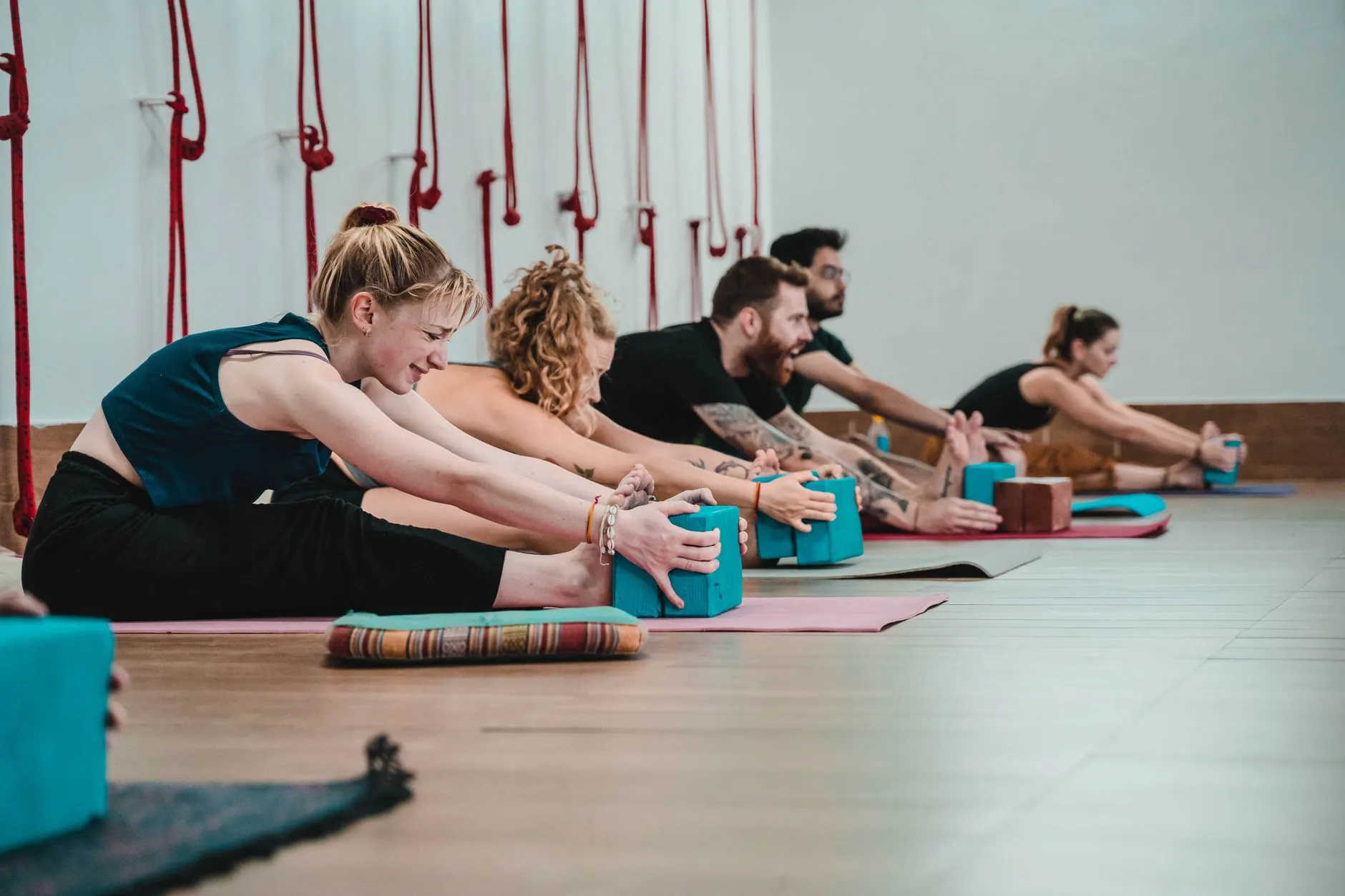
Yoga philosophy is accessible to everyone, from beginners to advanced practitioners. Those new to yoga can start with foundational concepts, while seasoned practitioners can deepen their understanding through more complex teachings. The adaptable nature of yoga allows individuals of all backgrounds, ages, and abilities to engage with its principles.
Beginners vs. Advanced Practitioners
Beginners should focus on core concepts such as the Eight Limbs of Yoga, which provide a holistic approach to personal growth and wellness. Starting with basic texts like the Yoga Sutras and exploring themes such as mindfulness can offer valuable insights into the practice. Engaging with community classes or workshops can also stimulate initial interest and provide a supportive environment for learning.
For advanced practitioners, yoga philosophy dives deeper into the nuances of theory and practice. Studying texts such as the Bhagavad Gita or exploring the implications of non-attachment and mindfulness on a personal level can greatly enhance one’s practice. Advanced students benefit from discussing interpretations with instructors and peers, often leading to transformative experiences in their journey.
Inclusivity in Yoga Practices
Yoga is inherently adaptable, catering to various age groups and physical abilities. Specific programs exist, designed to accommodate individuals recovering from injuries or managing stress. Gentle yoga, chair yoga, and restorative practices not only make yoga accessible but also emphasize mental and physical well-being for all participants.
| Type of Yoga | Target Audience | Benefits |
|---|---|---|
| Gentle Yoga | Seniors or Beginners | Improves flexibility, reduces stress |
| Chair Yoga | Individuals with mobility challenges | Increases strength and balance |
| Restorative Yoga | Those managing stress or illness | Promotes relaxation and healing |
These inclusivity measures demonstrate that yoga philosophy isn’t solely for traditional practitioners but is open to anyone interested in self-discovery and well-being. As highlighted in various educational resources, engaging with yoga philosophy can support and enrich a diverse range of individuals 1, 2.
Best Time to Study Yoga Philosophy
The best time for studying yoga philosophy in Bali aligns with the yoga school’s training schedule and Bali’s seasonal weather patterns. Optimal periods often coincide with fewer tourists, allowing for a more peaceful learning environment.
Seasonal Considerations for Training
| Season | Best for Studying Yoga Philosophy | Benefits of Specific Seasons |
|---|---|---|
| Dry Season | Yes | Clear skies, stable weather, vibrant atmosphere |
| Rainy Season | Moderate | Fewer tourists, quieter surroundings |
| Shoulder Season | Yes | Balanced crowds, moderate weather for outdoor activities |
-
Dry Season: The dry season, from April to October, is ideal for studying yoga philosophy. During this time, Bali experiences clear skies and stable weather, which creates an uplifting atmosphere conducive to learning. our Bali school offers extensive programs during this period that allow you to fully immerse yourself in your studies.
-
Rainy Season: While less popular, the rainy season from November to March provides quieter surroundings with fewer tourists. It can be a great time to focus deeply on yoga philosophy without distractions. The lush greenery during this season adds to Bali’s beauty, enhancing the learning experience.
-
Shoulder Season: The shoulder season, which falls between the dry and rainy seasons, balances moderate weather and fewer tourists. This time is excellent for those seeking an enriching experience at the school in Bali while still enjoying some outdoor activities. Classes focusing on yoga philosophy are held, ensuring a comprehensive understanding of the subject during this transitional period.
Choosing our training centre during these optimal seasons not only enhances your learning experience but also allows you to connect deeply with Bali’s serene environment, making your study of yoga philosophy particularly rewarding.

Frequently Asked Questions about Yoga Philosophy
What are the core principles of yoga philosophy?
The core principles of yoga philosophy revolve around the Eight Limbs of Yoga as outlined by Patanjali. These include Yama (ethical standards), Niyama (self-discipline), Asana (postures), Pranayama (breath control), Pratyahara (withdrawal of senses), Dharana (concentration), Dhyana (meditation), and Samadhi (absorption). Key concepts such as Dharma (duty), Karma (action and consequence), and Moksha (liberation) also play significant roles in the practice of yoga 1, 4.
How does yoga philosophy differ from physical yoga practice?
Yoga philosophy significantly differs from physical yoga practice in that it transcends the asanas (physical postures). While physical practice focuses on body alignment and movement, yoga philosophy emphasizes mindfulness, ethical living, and mental clarity. Understanding this difference can enhance one’s approach to both the physical and philosophical aspects of yoga 2, 22.
Who can practice yoga philosophy?
Yoga philosophy is inclusive and can be practiced by individuals of all levels, including beginners and advanced practitioners. The teachings can be adapted to suit different skill levels, making them accessible whether one is a novice exploring the basics or a seasoned yogi delving deeper into philosophical concepts 3, 10.
How long does it take to learn yoga philosophy?
The time commitment for learning yoga philosophy varies based on individual goals and avenues of study. Casual learners may acquire foundational knowledge in a few weeks, while those seeking in-depth understanding might engage in structured learning programs over several months. Many yoga schools also offer integrated courses that combine yoga practice with philosophical teachings 5, 19.
What is included in a yoga philosophy course?
A yoga philosophy course typically covers a syllabus that includes the historical context of yoga, key texts like the Bhagavad Gita, and core philosophical teachings. Additional resources may consist of texts, workshops, and mentorship opportunities that help reinforce one’s understanding and application of yoga philosophy 6, 24.
| Aspect | Description | Notes |
|---|---|---|
| Core Principles | Eight Limbs of Yoga, Dharma, Karma, Moksha | Foundational concepts |
| Differences from Physical Yoga | Focus on ethical living, mindfulness, and mental clarity | Complements physical practice |
| Accessibility | Suitable for all skill levels | Adaptable teachings |
| Learning Duration | Varies from weeks to several months | Structured learning available |
| Course Content | Historical context, key texts, workshops | Includes mentorship |
Conclusion
Understanding yoga philosophy can enrich your practice and deepen your connection to the discipline. By exploring the core principles and teachings found in classical texts, practitioners can achieve a more profound understanding of themselves and the world around them.
the school offers unique opportunities to engage with these philosophies in an immersive environment. The school’s teacher training programs are designed to provide both practical experience and philosophical insights, preparing students to share their knowledge effectively.
Join our Bali school to explore the essence of yoga philosophy and advance your practice in the tranquil surroundings of Bali. Engage deeply with the teachings and transform your life on and off the mat.