Written by the teaching team at YMB Yoga School in Klungkung, Bali.
Rishikesh Yoga Schools: Your Guide to Choosing the Right Yoga Teacher Training
Institutions in Rishikesh offer a diverse range of Yoga Teacher Training (YTT) programs, primarily focused on traditional styles like Hatha, Ashtanga, and Vinyasa. Located in India’s ‘Yoga Capital,’ these schools provide residential courses, typically 23-28 days for 200-hour certifications, covering asana, pranayama, meditation, philosophy, and anatomy. Prices for these trainings generally range from $1,200 to $2,000, including accommodation and meals. This guide will help you understand what to expect and how to choose the right program for you.
Why Choose Rishikesh for Your Yoga Teacher Training?
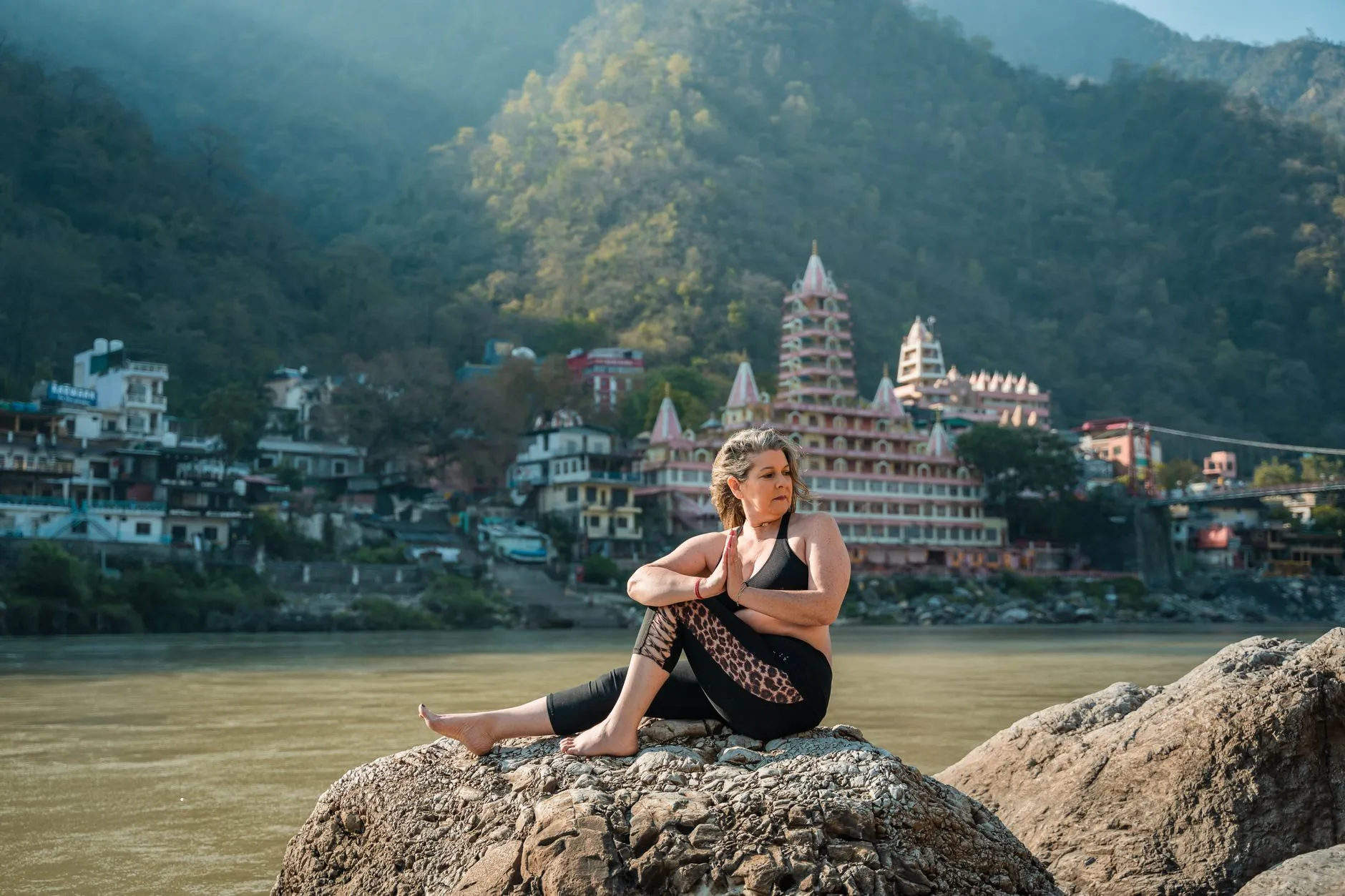
Rishikesh, situated in the Himalayan foothills along the Ganges River, holds a spiritual significance that makes it a premier destination for yoga teacher training. For centuries, it has been known as the ‘Yoga Capital of the World,’ attracting yogis and spiritual seekers from across the globe.
- The city offers an authentic environment rooted in ancient yogic traditions, providing a direct connection to the source of the practice.
- The presence of the sacred Ganges River and surrounding natural beauty fosters a quiet atmosphere for introspection and learning.
- The sheer number of schools means there is a wide array of options catering to different styles, philosophies, and budgets.
Key Factors When Evaluating Rishikesh Yoga Schools
When comparing different schools for your yoga teacher training in Rishikesh, several crucial factors will guide your decision towards a program that aligns with your personal and professional goals. Considering these points carefully will help you find a training that feels right for you.
Yoga Alliance Accreditation: RYS Status
Look for Registered Yoga Schools (RYS) if you intend to register as a Registered Yoga Teacher (RYT) with Yoga Alliance after graduation. A school’s RYS status indicates that its curriculum meets a set of standards for content and contact hours, which is an important credential for many aspiring teachers.
Course Levels Offered: 100, 200, 300, 500-Hour
Most aspiring teachers begin with a 200-hour YTT, which is the standard entry-level qualification for teaching. Some schools also offer shorter 100-hour introductory courses, which are typically 10-12 days long. For those who already hold a 200-hour certificate, advanced 300-hour and 500-hour programs are available to deepen knowledge and teaching skills, often lasting around 28 days or longer.
Dominant Yoga Styles and Traditions
Rishikesh is rich in traditional Hatha and Ashtanga yoga. However, many schools offer Multi-Style programs that incorporate Vinyasa, or specialize in specific lineages like Kundalini Yoga or trainings with an Ayurvedic focus. It is important to research the primary style of a school to ensure it resonates with your personal practice and what you hope to teach.
Teacher Experience and Pedigree
Research the lead teachers’ backgrounds, their lineage, and their teaching philosophy. Many Rishikesh yoga schools are led by experienced Indian yogis and philosophers who have dedicated their lives to the practice. Reading about the faculty can give you a sense of the school’s authenticity and depth of knowledge.
Group Size and Learning Environment
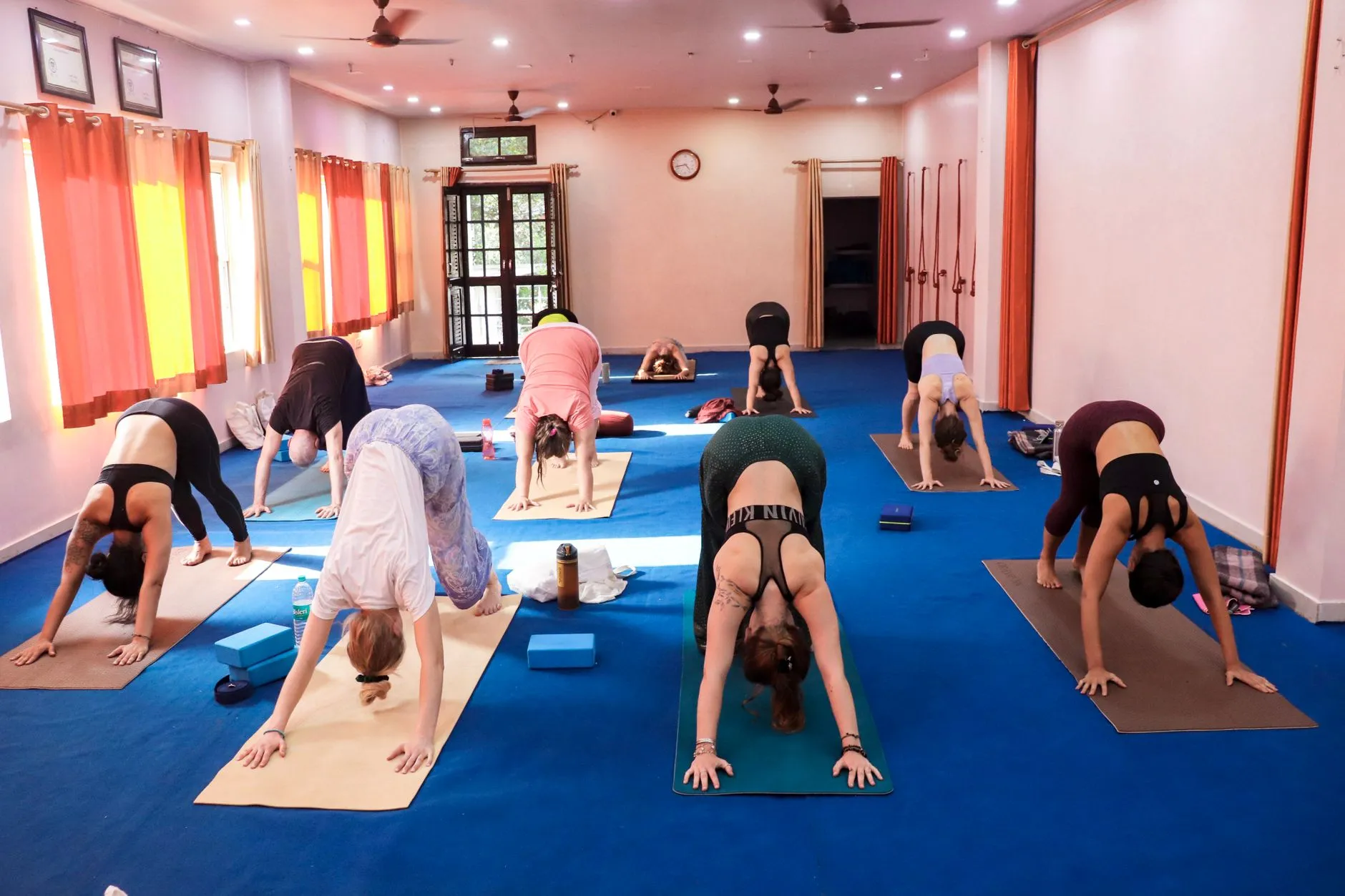
Consider the type of learning environment where you thrive. Some schools have larger, more communal settings that create a vibrant group energy. Others offer more intimate, smaller class sizes that allow for more personalized attention and one-on-one interaction with teachers.
What a Rishikesh Yoga Teacher Training Covers
A comprehensive teacher training program in Rishikesh is designed to provide a deep understanding of yoga, blending ancient wisdom with practical teaching skills. While curricula vary, they are built around a core set of subjects required by organizations like Yoga Alliance. You can learn more about the benefits of different TTC programs to understand how they compare.
Core Modules: Asana, Pranayama, Meditation
All programs extensively cover yoga postures (asana), breathing techniques (pranayama), and meditation practices. A typical 200-hour course dedicates significant time to these areas, as they form the practical foundation of your training and future teaching.
Anatomy and Physiology
You’ll learn about the human body’s structure and function from a yogic and Western perspective. This knowledge helps you understand how yoga affects physical systems, how to sequence postures safely, and how to prevent injuries in yourself and your students.
Yoga Philosophy and Ethics
Deep dives into ancient texts like the Yoga Sutras of Patanjali and the Bhagavad Gita are standard. These sessions explore the foundational ethical principles of yoga, including the Yamas and Niyamas, providing a rich context that goes far beyond the physical postures.
Teaching Methodology and Practicum
This crucial component teaches you how to structure a class, give effective verbal cues, offer safe adjustments, and manage a classroom environment. The practicum involves supervised teaching practice, where you will lead your fellow students through sequences and receive constructive feedback.
Additional Subjects: Kriyas, Mudras, Bandhas, Ayurveda Basics
Many Rishikesh schools integrate traditional yogic practices that may be less common in Western studios. These often include purification techniques (kriyas), symbolic hand gestures (mudras), and energy locks (bandhas). Some programs also provide an introduction to the basic principles of Ayurveda, India’s traditional system of medicine.
A Typical Day at a Rishikesh Yoga School
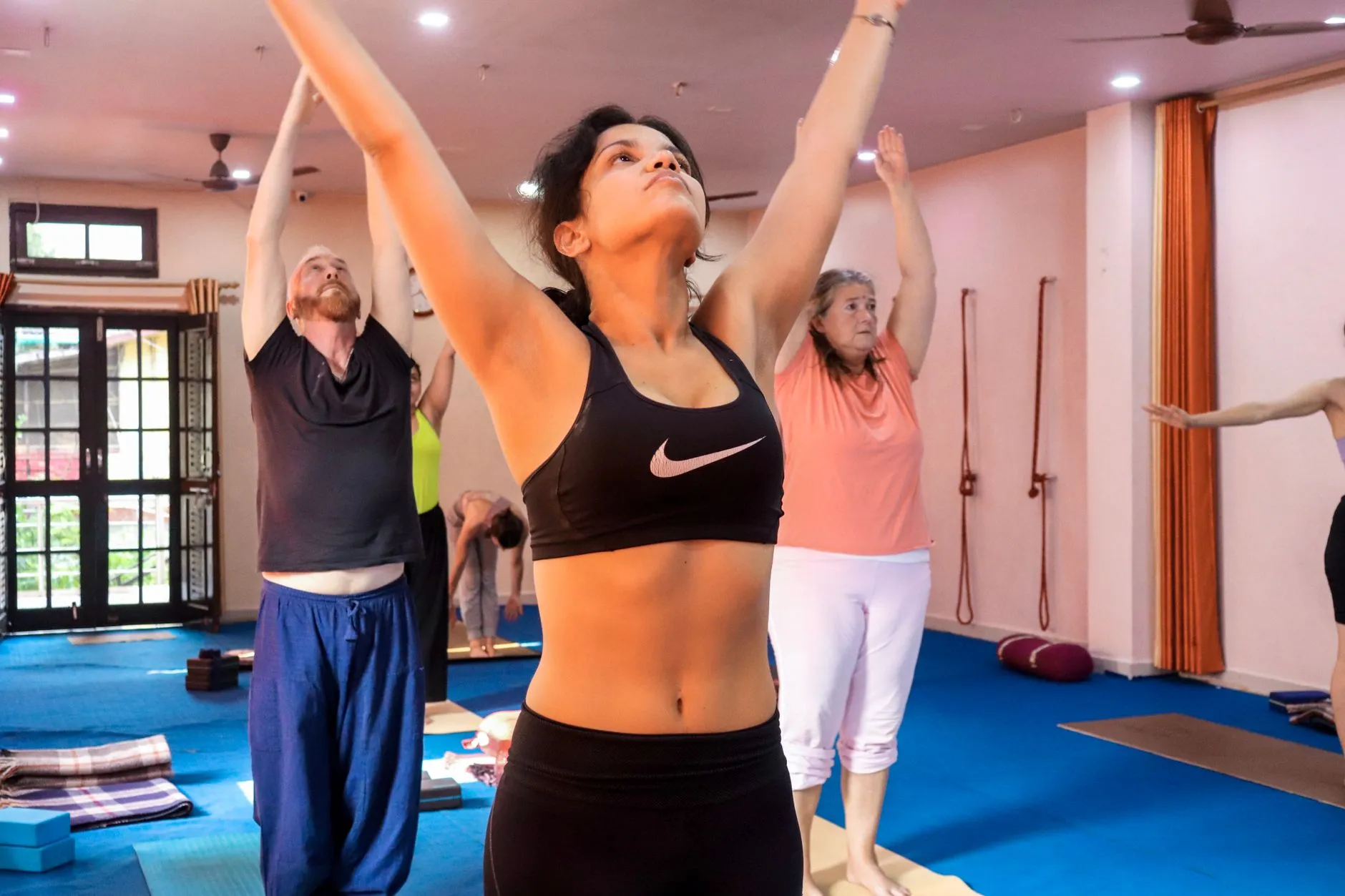
Days at a Rishikesh yoga school are typically structured and intensive, designed to support students in their studies and practice from early morning until evening. The schedule is disciplined and focused, leaving little room for outside distractions.
- Early Morning (5:30 – 7:00 AM): The day often starts with silent meditation, pranayama (breathing exercises), or chanting.
- Morning Yoga Practice (7:00 – 9:00 AM): The main asana class of the day, usually Hatha or Ashtanga, focusing on physical practice and alignment.
- Breakfast (9:00 – 10:00 AM): A communal, simple vegetarian meal.
- Morning Lectures (10:00 AM – 1:00 PM): Sessions covering yoga philosophy, anatomy, or teaching methodology.
- Lunch (1:00 – 2:00 PM): Another vegetarian meal, often followed by a short break for self-study or rest.
- Afternoon Lectures/Workshops (2:00 – 4:00 PM): This block may include practicum sessions, adjustment workshops, or further philosophical discussions.
- Evening Yoga Practice (4:00 – 6:00 PM): Often a less strenuous class like restorative, Yin, or a gentle Hatha flow.
- Dinner (7:00 PM): The final communal meal of the day.
- Evening Activities (Optional): Some evenings may include Satsang (spiritual discourse), Kirtan (devotional chanting), or time for self-study and reflection.
- Bedtime: Students are encouraged to go to bed early to be rested for the next day.
Cost of Yoga Teacher Training in Rishikesh & What’s Included
The YTT Rishikesh costs can vary significantly based on the school, duration, room type, and inclusions, so it is important to understand the typical price points. While Rishikesh is generally more affordable than many Western destinations, costs can still add up. For more context, it can be helpful to read about understanding general YTT costs.
Typical Price Ranges
For a 200-hour YTT, listings for residential programs commonly range from approximately $1,200 to $2,000. Shorter 100-hour programs might start from around $580. Advanced 300-hour courses will be higher, reflecting the more in-depth curriculum.
Common Inclusions
Most residential programs in Rishikesh include the course tuition, accommodation, three vegetarian meals per day, and all required course materials like manuals and notebooks. Yoga mats, props, and purified drinking water are also typically provided.
Potential Extra Costs
Remember to budget for expenses beyond the course fee. These include international and domestic flights, Indian visa fees, airport transfers, personal toiletries, laundry services, and any personal shopping or excursions on days off. The fee to register with Yoga Alliance after you graduate is also a separate expense paid directly to them.
| Included in Course Fee | Usually an Extra Cost |
|---|---|
| Course Tuition & Manuals | Flights and Airport Transfers |
| Accommodation (Shared or Private) | Indian Visa Fees |
| Three Vegetarian Meals Daily | Travel Insurance |
| Yoga Mat and Props | Personal Toiletries & Laundry |
| Purified Drinking Water & Tea | Weekend Excursions or Taxis |
| Wi-Fi (may be intermittent) | Yoga Alliance Registration Fee |
Ready to Train in Bali?
YMB Yoga School in Klungkung runs monthly intakes for its Yoga Alliance-certified courses: the all-inclusive 200-hour training from $1,450 (23 days) and the 300-hour from $2,400 (28 days). A $380 deposit secures your spot.
Rishikesh YTT: Who It Suits and Who It Might Not
Rishikesh offers a unique and demanding environment for teacher training, and it’s important to consider if its particular characteristics align with your preferences and learning style.
Ideal Candidates for a Rishikesh YTT
- Those seeking a deeply spiritual and traditional yogic experience.
- Individuals who thrive in structured, immersive environments with a focus on discipline.
- Students interested in authentic Indian philosophy and culture.
- Budget-conscious individuals, as Rishikesh often offers more affordable options.
- Those looking to disconnect from modern distractions and dedicate themselves fully to practice.
Who Might Find a Rishikesh YTT Challenging
- Individuals who prefer a luxurious or Western-style retreat experience.
- Those unaccustomed to or unwilling to adapt to Indian culture, food, and sometimes rustic living conditions.
- People seeking a party atmosphere or significant nightlife (Rishikesh is a dry, holy city).
- Those with very specific dietary needs that might be difficult to accommodate in a traditional sattvic kitchen.
- Students who require constant modern amenities and high-speed internet.
Practical Logistics: Getting to Rishikesh & Staying There
Planning your journey to Rishikesh involves understanding the best travel routes, visa requirements, and what to expect from local life.
Travel to Rishikesh: Airports and Transfers
The nearest airport is Jolly Grant Airport (DED) in Dehradun, which is about a 45-60 minute drive from Rishikesh. The closest major international hub is Indira Gandhi International Airport (DEL) in Delhi. From Delhi, you can take a short domestic flight to Dehradun or travel by train or pre-booked taxi, which takes 6-7 hours. Many schools offer an airport transfer service from Dehradun for a fee.
Visa and Health Considerations for India
Most foreign nationals require a visa to enter India. Research the specific requirements for your nationality, such as the e-Visa, well in advance. It is also wise to consult your doctor about recommended vaccinations and other health precautions for travel to India. Comprehensive travel insurance is highly recommended.
Accommodation and Facilities
Most YTT packages include on-site accommodation. This can range from basic shared rooms with common bathrooms to more comfortable private rooms with en-suite facilities. Food is almost always vegetarian, simple, and nutritious (sattvic). Schools provide filtered drinking water, and Wi-Fi is generally available but can be slow or unreliable.
Considering Alternatives: Beyond Rishikesh for Your YTT
While Rishikesh offers an unparalleled connection to yoga’s roots, it’s not the only destination for a high-quality teacher training. Other locations combine rigorous study with different cultural and environmental experiences. A comprehensive comparison of YTT destinations can help you weigh your options.
For example, Bali has become a world-renowned yoga hub that blends spiritual practice with natural beauty and a unique, gentle culture. At YMB Yoga School in Klungkung, Bali, the curriculum is taught by a mix of Indian and Balinese teachers, offering a bridge between traditional Indian philosophy and the Balinese way of life. A 23-day, 200-hour residential YTT starts at an early-bird price of $1,450 for a shared room. This provides another option for those seeking a premier Yoga Alliance teacher training in Bali.
Ultimately, the best location depends on your personal goals—whether you are drawn to the ancient asceticism of the Himalayas or the lush, community-oriented environment of a place like Bali.
How to Book Your Rishikesh Yoga Teacher Training
Once you’ve identified a school that resonates with your aspirations, the booking process typically involves a few straightforward steps.
- Research Thoroughly: Read reviews on multiple platforms, carefully examine the school’s website, and if possible, reach out to past students to ask about their experience.
- Contact the School Directly: Use their official website or email to inquire about course dates, availability, and any specific questions you have about the curriculum or facilities.
- Review the Curriculum and Inclusions: Double-check what is precisely covered in the course fee (e.g., meals, accommodation type, airport transfers) to avoid surprises.
- Understand Payment Terms: Most schools require a non-refundable deposit to secure your spot. The remaining balance is usually due a set number of days before the course begins or upon arrival.
- Book in Advance: Popular schools and dates can fill up months in advance, especially during the peak seasons of October-November and March-April.
Frequently Asked Questions
Is Rishikesh good for yoga teacher training?
Yes, Rishikesh is considered one of the best places in the world for yoga teacher training. Its status as the ‘Yoga Capital of the World’ provides an authentic environment to learn traditional yoga from experienced Indian teachers. It offers a unique cultural immersion at a price point that is often more affordable than Western alternatives.
What is the average cost of yoga teacher training in Rishikesh?
For a 200-hour Yoga Teacher Training, prices typically range from $1,200 to $2,000. This cost generally includes the full course tuition, residential accommodation, three vegetarian meals per day, and course materials. The final price depends on the school’s reputation, facilities, and your choice of a shared or private room.
What are the main yoga styles taught in Rishikesh schools?
The most commonly taught styles are traditional Hatha Yoga and the dynamic Ashtanga Vinyasa system. Many schools also offer Multi-Style YTTs, which blend elements of Hatha, Ashtanga, and Vinyasa Flow. Some programs also specialize in or include introductions to Kundalini Yoga, Yin Yoga, and Ayurvedic principles.
How long is a typical yoga teacher training in Rishikesh?
A standard 200-hour residential YTT in Rishikesh typically lasts between 23 and 28 days. Shorter 100-hour introductory courses are often around 10 to 12 days. Advanced 300-hour programs for existing teachers usually run for about 28 days.
Do Rishikesh yoga schools offer Yoga Alliance certification?
Yes, the vast majority of reputable schools in Rishikesh are registered with Yoga Alliance as an RYS (Registered Yoga School). Graduates of their 200-hour programs receive a certificate that makes them eligible to register with Yoga Alliance as an RYT-200. It is always best to verify a school’s current registration status directly on the Yoga Alliance website before booking.