Written by the teaching team at YMB Yoga School in Klungkung, Bali.
A 30-minute yoga practice is an ideal starting point for beginners, offering a complete sequence to build strength, flexibility, and mindfulness without requiring a large time commitment. This session provides a structured way to learn foundational poses and breathing techniques, making the physical and mental benefits of yoga accessible to everyone. This post will guide you through a complete yoga for beginners 30 minutes routine you can do right at home.
Why 30 Minutes of Yoga is Perfect for Beginners
A 30-minute yoga practice offers a perfectly balanced introduction for beginners, providing a holistic workout that is both effective and sustainable. It allows you to build a strong foundation without feeling overwhelmed, making it an excellent way to start a new wellness habit.
- Manageable Time Commitment: Thirty minutes is long enough to feel the benefits but short enough to fit into a busy schedule, which helps you stay consistent.
- Foundation Building: This timeframe allows you to explore foundational poses, learn correct alignment, and connect your breath with each movement without feeling rushed.
- Physical Benefits: A regular practice improves flexibility, builds core strength, enhances balance, and can help alleviate common aches associated with a sedentary lifestyle.
- Mental Benefits: It is a powerful tool for reducing stress and calming the mind. You will learn to improve your focus and practice mindfulness through Meditation and Stress Reduction Techniques that you can use even when you are not on your mat.
- Building Consistency: A shorter, consistent practice several times a week is more beneficial than a single, long session. This helps beginners build a lasting yoga habit.
Before You Begin: Essential Tips for Your First 30-Minute Session
To make your 30-minute beginner yoga session safe and effective, keep a few key tips in mind before you even unroll your mat. Preparing your space and your mindset is just as important as the poses themselves.
- Listen to Your Body: This is the most important rule in yoga. You should never push into sharp pain. A feeling of a deep stretch or muscle engagement is normal, but if you feel a shooting or sudden pain, ease off or modify the pose.
- Focus on Your Breath: Your breath is the anchor for your practice. Aim for slow, steady inhales and exhales through your nose. The principle is simple: Focus on the Breath, Not the Pose.
- Use Props (Don’t Be Shy!): Yoga blocks, straps, and blankets make poses more accessible and help you find proper alignment. If you don’t have official props, thick books, a scarf or belt, and firm pillows work just as well.
- Wear Comfortable Clothing: Choose clothes that allow you a full range of motion. Anything that doesn’t restrict your movement or your breath is perfect.
- Find a Quiet Space: Dedicate a small, uncluttered area where you won’t be interrupted. This allows you to focus on your practice and get the most out of your yoga at home session. For more ideas, see our Yoga for Beginners at Home: Your Essential Start Guide.
- Don’t Compare: Your yoga practice is personal. Focus on how your body feels and the progress you are making, not on how someone else looks in a pose.
Your 30-Minute Beginner Yoga Sequence: A Full-Body Flow
This structured 30-minute sequence is designed to gently warm up your body, build foundational strength and flexibility, and conclude with relaxing stretches and a brief meditation. Move with your breath and honor where your body is today.
Minutes 0-5: Gentle Warm-Up (Prepare Your Body)
1. Easy Pose with Deep Breathing (1.5 minutes): Sit comfortably cross-legged on your mat. Lengthen your spine and relax your shoulders away from your ears. Close your eyes and take slow, deep inhales through your nose, feeling your belly and chest expand. Follow with long, slow exhales. Focus on the sensation of your breath.
2. Cat-Cow (1.5 minutes): Come onto your hands and knees in a tabletop position, with wrists under shoulders and knees under hips. On an inhale, drop your belly, arch your back, and lift your chest and tailbone (Cow Pose). On an exhale, round your spine toward the ceiling and tuck your chin to your chest (Cat Pose). Flow smoothly between these two poses, linking the movement to your breath.
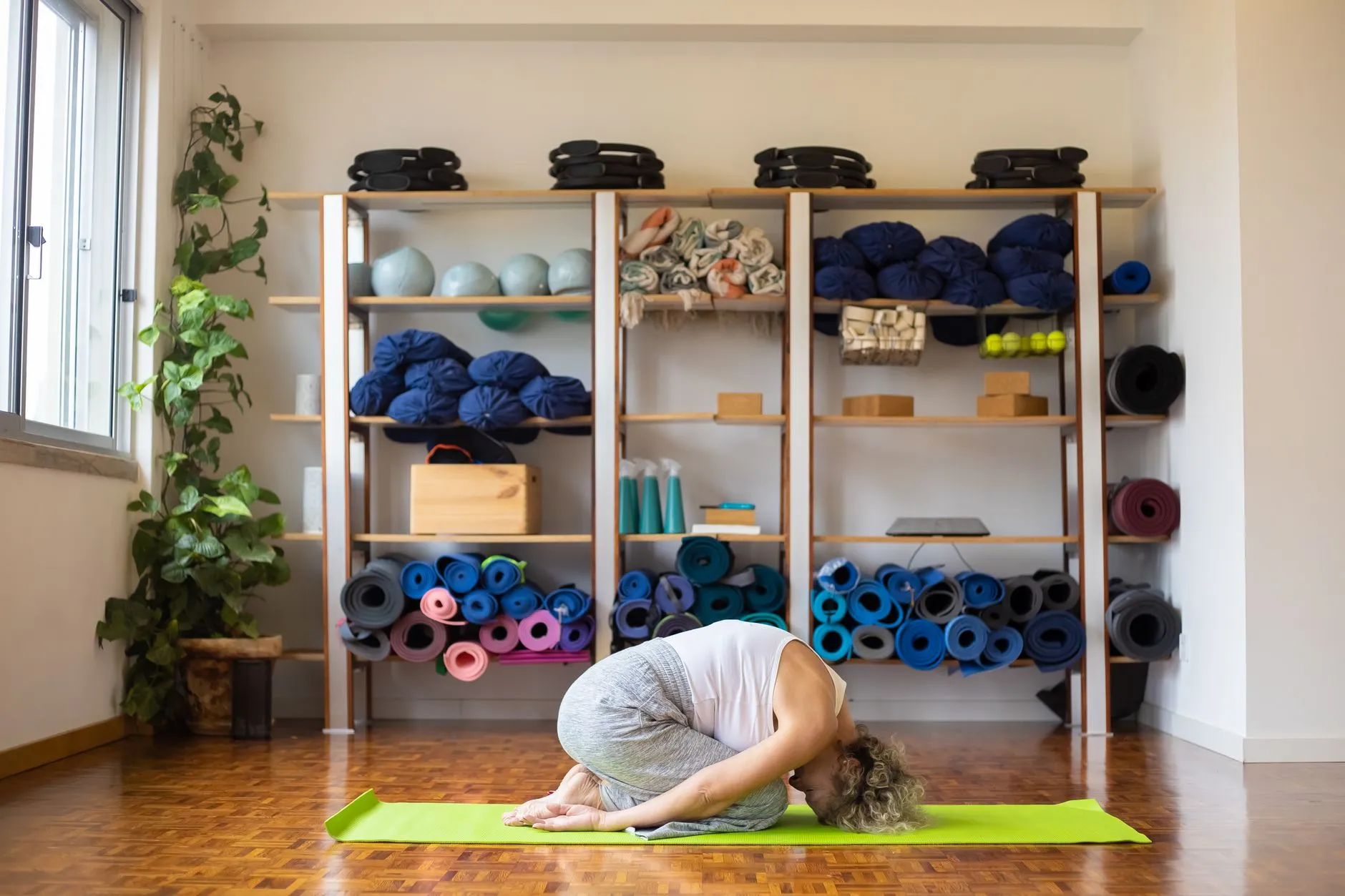
3. Child’s Pose (1 minute): From tabletop, bring your big toes to touch and sit your hips back toward your heels. You can keep your knees together or take them wide apart. Extend your arms forward or rest them alongside your body. Rest your forehead on the mat. Breathe into your back, feeling it expand.
4. Thread the Needle (1 minute – 30 seconds per side): Return to hands and knees. Inhale and lift your right arm toward the ceiling. Exhale and thread your right arm under your left, resting your right shoulder and temple on the mat. Keep your hips lifted over your knees. Hold for 30 seconds, then repeat on the other side.
Minutes 5-20: Foundational Flow (Build Strength & Flexibility)
5. Mountain Pose (0.5 minute): Stand at the front of your mat with feet hip-width apart or together. Ground down through all four corners of your feet, engage your thighs, lengthen your spine, and let your shoulders drop. Feel strong and stable.
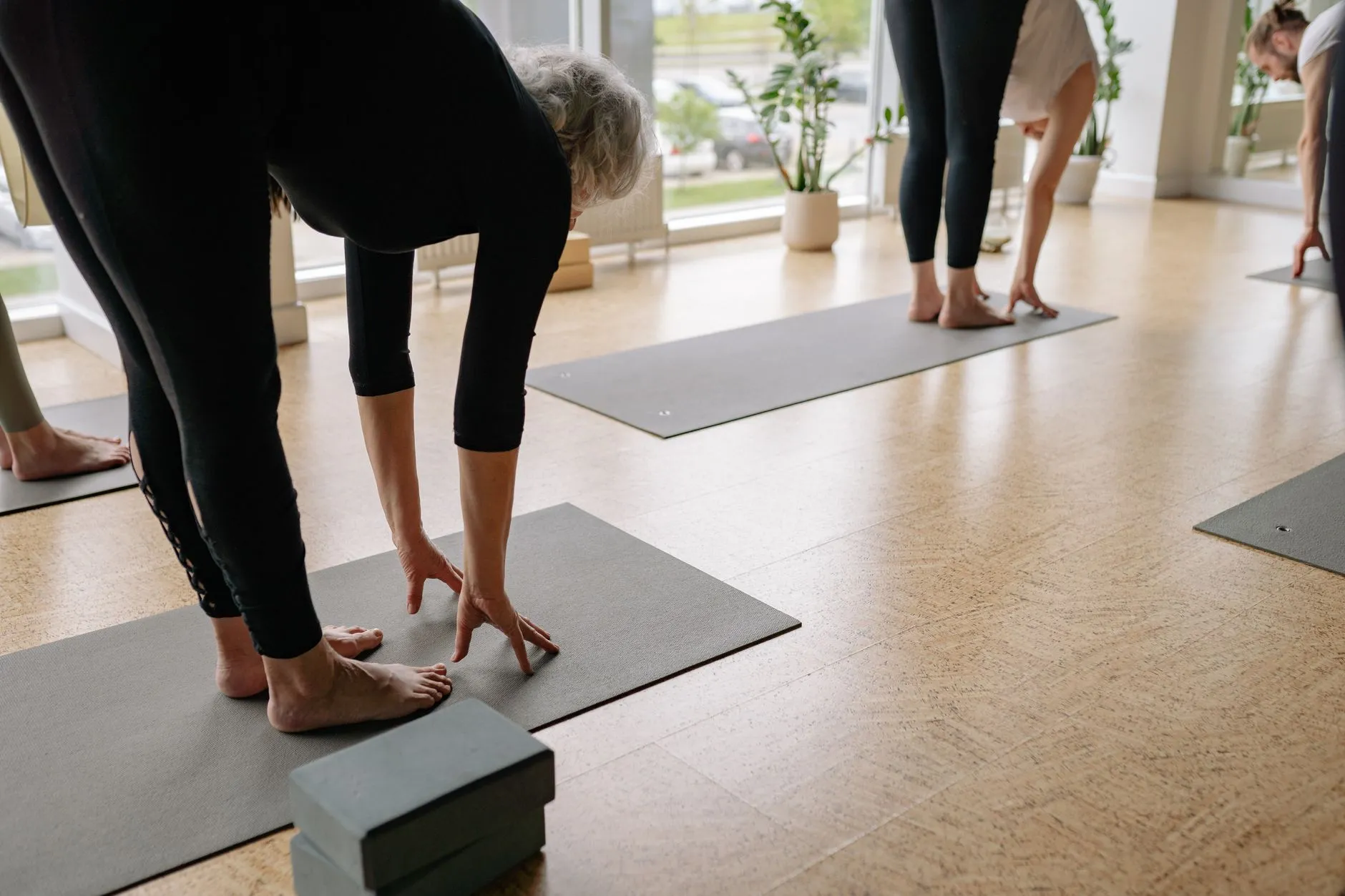
6. Forward Fold (1 minute): From Mountain Pose, exhale and hinge from your hips, leading with your chest to fold over your legs. Keep a generous bend in your knees. Let your head and neck hang heavy.
7. Halfway Lift (0.5 minute): From Forward Fold, inhale and lift your torso halfway, creating a flat back. Place your hands on your shins or thighs to help lengthen your spine from your tailbone to the crown of your head. Exhale and fold back down.
8. Low Lunge (2 minutes – 1 minute per side): From Forward Fold, step your right foot back and lower your right knee to the mat. Make sure your front (left) knee is stacked directly over your ankle. Keep your hips square to the front of the mat. Inhale to lift your chest; exhale to sink a little deeper into the stretch. Hold for one minute, then switch sides.
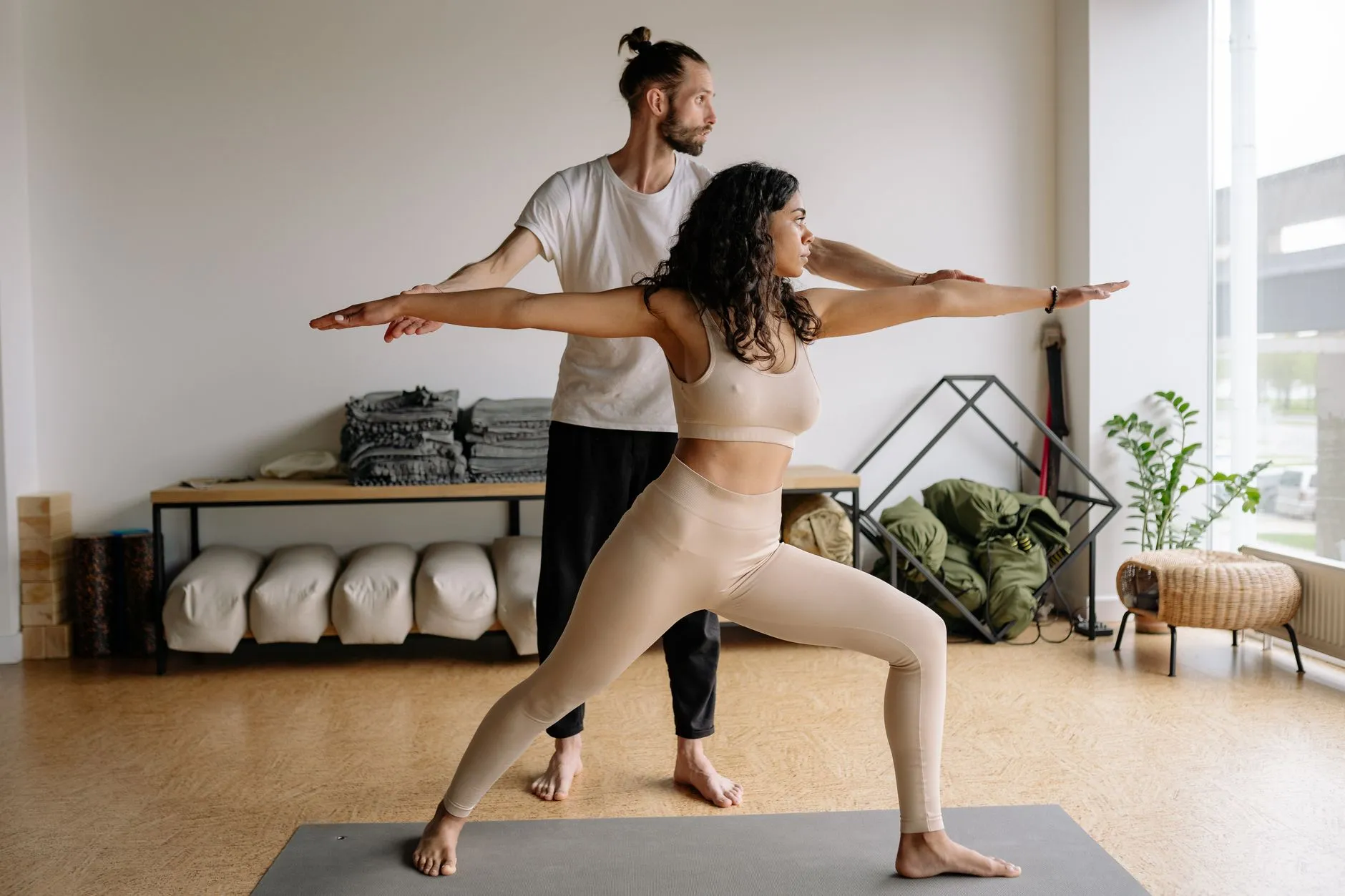
9. Warrior II (3 minutes – 1.5 minutes per side): From Low Lunge, step back to Downward-Facing Dog. Then, step your right foot forward between your hands and spin your back (left) heel down, parallel to the back of the mat. Rise up, opening your hips and arms parallel to the floor. Gaze over your front middle finger. Keep your front knee stacked over your ankle. Hold, breathe, then repeat on the left side.
10. Triangle Pose (3 minutes – 1.5 minutes per side): From Warrior II, straighten your front leg. Reach forward with your front hand, then hinge at the hip, bringing your hand down to your shin, ankle, or a block. Extend your top arm toward the ceiling and open your chest. Gaze up toward your top hand or down at your foot. Hold, then repeat on the other side.
11. Chair Pose (1 minute): Stand with your feet hip-width apart. Inhale, bend your knees, and sink your hips back as if sitting in a chair. Lift your arms overhead, keeping your core engaged and chest lifted.
12. Plank Pose (1 minute): From a tabletop position, extend your legs straight back, creating a straight line from your head to your heels. Engage your core, quads, and glutes. Your wrists should be under your shoulders. If this is too challenging, you can modify by lowering your knees to the mat.
13. Cobra Pose (1 minute): Lie on your belly with your hands under your shoulders, elbows tucked in. Press the tops of your feet into the mat. On an inhale, lift your head and chest off the floor, using your back muscles more than your hands. Keep your neck long.
14. Downward-Facing Dog (1 minute): From Plank or all fours, tuck your toes and push your hips up and back to form an inverted V-shape. Press firmly through your hands, spreading your fingers wide. You can “pedal” your feet by bending one knee at a time to stretch your hamstrings.
15. Tree Pose (1 minute – 0.5 minute per side): From Mountain Pose, shift your weight to your left foot. Place the sole of your right foot on your inner left ankle, calf, or thigh (avoiding the knee joint). Bring your hands to your heart center or extend them overhead. Find a fixed point to gaze at to help with balance. Hold, then repeat on the other side.
Minutes 20-27: Grounding Floor Sequence (Deep Stretches)
16. Seated Forward Fold (2 minutes): Sit on the floor with your legs extended straight in front of you. Inhale to lengthen your spine. As you exhale, hinge from your hips and fold over your legs. Keep a micro-bend in your knees if your hamstrings feel tight. Rest your hands on your shins, ankles, or feet.
17. Butterfly Pose (2 minutes): Sit with the soles of your feet together and let your knees fall out to the sides. Hold onto your feet or ankles. Inhale to lengthen your spine, and exhale to gently fold forward from your hips.
18. Supine Spinal Twist (2 minutes – 1 minute per side): Lie on your back and hug your knees into your chest. Extend your arms out to the sides in a ‘T’ shape. Let both knees fall to your right side, keeping both shoulders on the floor. Turn your gaze to the left. Hold for one minute, then gently switch sides.
19. Knees-to-Chest (1 minute): Lie on your back and hug both knees into your chest, giving yourself a gentle squeeze. You can rock slowly from side to side to massage your lower back.
Minutes 27-30: Relaxation & Integration (Savasana)
20. Savasana (Corpse Pose) (3 minutes): Lie flat on your back. Extend your legs long, letting your feet fall open naturally. Rest your arms by your sides with your palms facing up. Close your eyes and release control of your breath. Relax every muscle in your body, from your toes to your forehead. This pose is essential for integrating the benefits of your practice.
Table: Your 30-Minute Beginner Yoga Flow at a Glance
This table offers a concise overview of your 30-minute yoga routine, making it easy to follow along or remember the sequence.
| Time (Minutes) | Section | Poses |
|---|---|---|
| 0-5 | Gentle Warm-Up | Easy Pose, Cat-Cow, Child’s Pose, Thread the Needle |
| 5-20 | Foundational Flow | Mountain Pose, Forward Fold, Halfway Lift, Low Lunge, Warrior II, Triangle Pose, Chair Pose, Plank Pose, Cobra Pose, Downward-Facing Dog, Tree Pose |
| 20-27 | Grounding Floor Sequence | Seated Forward Fold, Butterfly Pose, Supine Spinal Twist, Knees-to-Chest |
| 27-30 | Relaxation & Integration | Savasana (Corpse Pose) |
Ready to Train in Bali?
YMB Yoga School in Klungkung runs monthly intakes for its Yoga Alliance-certified courses: the all-inclusive 200-hour training from $1,450 (23 days) and the 300-hour from $2,400 (28 days). A $380 deposit secures your spot.
Integrating Yoga into Your Daily Life
Making yoga a regular habit is key to experiencing its full benefits, and even a consistent 30-minute practice can support your daily life.
- Find Your Best Time: Whether it’s first thing in the morning to energize your day, at midday for a mental reset, or in the evening to unwind, find a time that you can protect for your practice.
- Be Patient and Kind to Yourself: Progress is not always linear. Some days you will feel strong and open, and other days you will feel tight and tired. Accept where you are each day without judgment.
- Explore Other Resources: Once you feel comfortable with this beginner yoga flow, you can explore other classes online or consider attending an in-person class to receive guidance from a teacher.
- Deepen Your Knowledge: If you find a real connection with yoga and wish to explore its philosophy and physical practice more deeply, a structured program can be a wonderful next step. An experience like the 200-hour Yoga Teacher Training at YMB Yoga School in Klungkung provides an opportunity to learn in an authentic setting, which can greatly enhance your personal practice.
Embrace this practice with patience and self-compassion, and remember that YMB Yoga School is here to support your path, whether you’re just starting or looking to deepen your practice.
Frequently Asked Questions
Is 30 minutes of yoga enough for a beginner to see results?
Yes, absolutely. Consistent 30-minute yoga sessions are highly effective for beginners. Within a few weeks of regular practice, you will likely notice increased flexibility, improved balance and strength, reduced stress, and better body awareness. The key is consistency; a daily or near-daily 30-minute practice is more beneficial than one long, infrequent session.
What equipment do I need for a 30-minute beginner yoga session?
All you truly need is a small space and comfortable clothing. However, a non-slip yoga mat is highly recommended for cushioning and stability. Optional props like yoga blocks (or thick books), a strap (or a scarf), and a blanket can also be very helpful for modifying poses and increasing comfort, especially for beginners.
How often should a beginner practice yoga for 30 minutes?
For a beginner, practicing this yoga for beginners 30 minutes routine 3-5 times per week is an excellent starting point. This frequency allows your body to adapt, build muscle memory, and absorb the benefits without feeling overworked. Always listen to your body and take rest days when you need them.
Can I do 30 minutes of yoga every day as a beginner?
Yes, many beginners find a daily 30-minute practice to be beneficial, as long as they listen to their body and avoid pushing into pain. Daily practice helps build a strong habit and can accelerate progress. It is a good idea to vary the intensity, perhaps alternating this flow with more gentle, restorative sessions focused on stretching and breath.