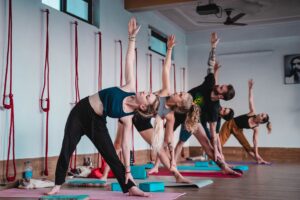
Written by the teaching team at YMB Yoga School in Klungkung, Bali.
Cost of Yoga Teacher Certification
What is the Cost of Yoga Teacher Certification?
The yoga teacher certification cost can vary significantly, ranging globally from approximately $2,000 to $8,000 for a 200-hour program. This wide spectrum is primarily influenced by the program’s location, duration, included amenities, and the reputation of the instructors. For instance, a 200-hour Yoga Teacher Training (YTT) in New Zealand can range from around NZ$2,000 to over NZ$10,000, demonstrating substantial variation. Programs in Western countries typically see tuition costs between $2,500 and $4,500.
Location plays a crucial role in determining the overall expense. What might be a truly all-inclusive, high-quality residential program in India, offered for $800 to $1,400 with excellent teachers, accommodation, and daily meals, would require a minimum charge of $3,500 to cover equivalent operational costs in the UK. This stark difference underscores the impact of regional living expenses.
Budget-conscious programs often come with fewer inclusions. A program advertised for $700 might initially seem affordable, but if it doesn’t cover accommodation, meals, or certification fees, your total expenditure could easily exceed $2,000 by the time you arrive. For example, 200-hour programs in places like Bali may list tuition for $1,500 to $3,000, with accommodation and meals often billed separately. In contrast, comprehensive training options, even if seemingly higher in initial price, can offer enhanced value. An all-inclusive program priced at $1,200 that covers everything often presents a more transparent and predictable total yoga teacher certification cost than a lower-priced tuition-only alternative.

Factors Influencing Certification Costs
At our own school, the all-inclusive 200-hour Yoga Teacher Training at YMB Yoga School is $1,450 early bird ($2,199 regular) for 23 days, with a private room, three daily sattvic meals, excursions and course materials included. The 100-hour course runs 10 days at $999 early bird ($1,400 regular), and the 300-hour program is 28 days at $2,400 early bird ($3,450 regular). The yoga teacher certification cost is shaped by a variety of factors, making it important to understand what influences pricing before you commit to a program. While a credentialed teacher from a $600 program and one from a $4,000 program may hold the same formal qualification, the journey to that certification can differ significantly depending on what’s included and where the training takes place.
Key Determinants of Yoga Teacher Training Pricing
Geographic location impacts operational costs. The cost of living and operational expenses in a particular region significantly affect the overall price of a yoga teacher training. For instance, a quality residential 200-hour program in India, which includes excellent teachers, good accommodation, and three daily meals, can genuinely be offered for $900 without compromising quality. To cover equivalent operational costs, the same comprehensive program in the UK would likely need to charge a minimum of $3,500. In Western countries generally, tuition alone for a 200-hour program typically ranges from $2,500 to $4,500.
Included amenities like accommodation and meals vary widely. What’s covered in the upfront price is a crucial determinant of the final yoga teacher training cost. Some programs are tuition-only, while others are all-inclusive. Consider a program advertising $700: if it doesn’t include accommodation, meals, or certification fees, it could end up costing over $2,000 by the time all expenses are factored in. Conversely, an all-inclusive program priced at $1,200 truly costs $1,200. All-inclusive residential 200-hour programs can range from $700 to $1,800. Trainings below $700 deserve specific scrutiny, requiring inquiries about exactly what is covered.
Batch sizes influence both cost and teaching quality. The number of students in a training group can affect both the price and the individual attention you receive. Programs with smaller batch sizes often allow for more personalized instruction, which can sometimes be reflected in the price. Trainings below $700, in particular, warrant investigation into batch sizes to ensure an effective learning environment.
Teacher experience and credentials can affect pricing. While all certified teachers hold a formal qualification, the experience level and specific credentials of the instructors can influence the cost. Programs above $1,500 in India often add luxury resort amenities, such as pools and spa services, rather than exclusively enhancing educational quality. In general, programs above $2,500 frequently boast excellent facilities, whereas those below $1,200 often have variable teaching quality. This means that while the formal qualification is the same, the overall learning experience and environment can differ substantially based on the investment.
Understanding Hidden Costs
When planning for your yoga teacher certification cost, it’s crucial to look beyond the initial tuition fee. Many aspiring yoga instructors focus solely on the listed price of a program, overlooking a range of additional expenses that can significantly impact the total investment. Understanding these hidden costs upfront helps you create a comprehensive budget and avoid financial surprises on your journey to becoming a certified yoga teacher.
Identifying Often Overlooked Expenses
Several factors can add to the overall cost of your yoga teacher training. One of the most common additional expenses is the Yoga Alliance registration. For your first year as a Registered Yoga Teacher, you can expect an approximate cost of USD 115, which covers a $50 application fee and $65 in annual dues. This initial fee is essential for maintaining your credentials.
Travel expenses often represent a significant, yet frequently underestimated, part of the overall outlay. If your chosen program is residential or located internationally, flights, visas, and local transportation to and from the training venue can quickly accumulate. For instance, a program advertised at $700 that does not include accommodation, meals, or certification fees could end up costing over $2,000 by the time you factor in all travel and living costs.
Another critical consideration is the potential loss of income during an intensive training period. Many yoga teacher training programs are immersive, requiring you to dedicate several weeks or even months away from your regular work. This time off can impact your financial stability, making it important to budget for lost wages in addition to the training fees.
Finally, don’t forget about insurance and gear costs. While some programs may include course materials, you might need to purchase your own yoga mat, props, or specific attire. More importantly, personal travel insurance is highly recommended, especially for international programs. Additionally, once certified, you may consider personal liability insurance for teaching, which is a necessary expense for new yoga instructors.

Budgeting for Yoga Teacher Certification
Planning for the yoga teacher certification cost involves more than just looking at the tuition fee. The overall investment for becoming a certified yoga instructor can vary significantly based on location, course duration, and what the program includes. For instance, a quality residential 200-hour program in India might cost between $800 and $1,400, inclusive of accommodations and meals, offering genuine value due to the lower cost of living there. The same comprehensive experience in the UK would necessitate a minimum charge of $3,500 to cover operational costs. In Western countries, tuition alone for a 200-hour program generally ranges from $2,500 to $4,500.
Understanding what’s included in the advertised price is crucial. A program advertising $700 that does not cover accommodation, meals, or certification fees could end up costing over $2,000 by the time all expenses are factored in. Conversely, a program explicitly stating an all-inclusive price of $1,200 truly costs $1,200. Remember that additional costs, such as Yoga Alliance registration fees—approximately $50 to apply and $65 annually for dues—should also be budgeted.
Effective Financial Planning Strategies
Effective financial planning is key to making your dream of becoming a certified yoga teacher a reality. Creating a dedicated savings plan is a practical first step, allowing you to steadily build funds for your chosen program. This preparation helps ensure you can meet the initial deposit and subsequent payments without undue stress.
While not all schools offer financial aid, it is wise to explore scholarships and grants available from individual institutions or related organizations. Some studios provide options to help students reduce their financial burden, though specific details vary widely.
Many schools recognize the need for flexible payment options, offering payment plans that spread the cost over several months. The median payment plan installment observed is $83 per month, reflecting how such flexibility can increase enrollment for higher-priced courses. Online teacher training programs, typically 40–60% less expensive than in-person formats, often come with accessible payment plans too.
Finally, some studios facilitate work-exchange programs, allowing you to trade your time and skills for a reduction in yoga teacher certification cost. These opportunities might involve assisting with administrative tasks, studio maintenance, or other support roles. Inquire directly with your preferred school about any such arrangements they may offer.
Exploring Certification Options in Bali
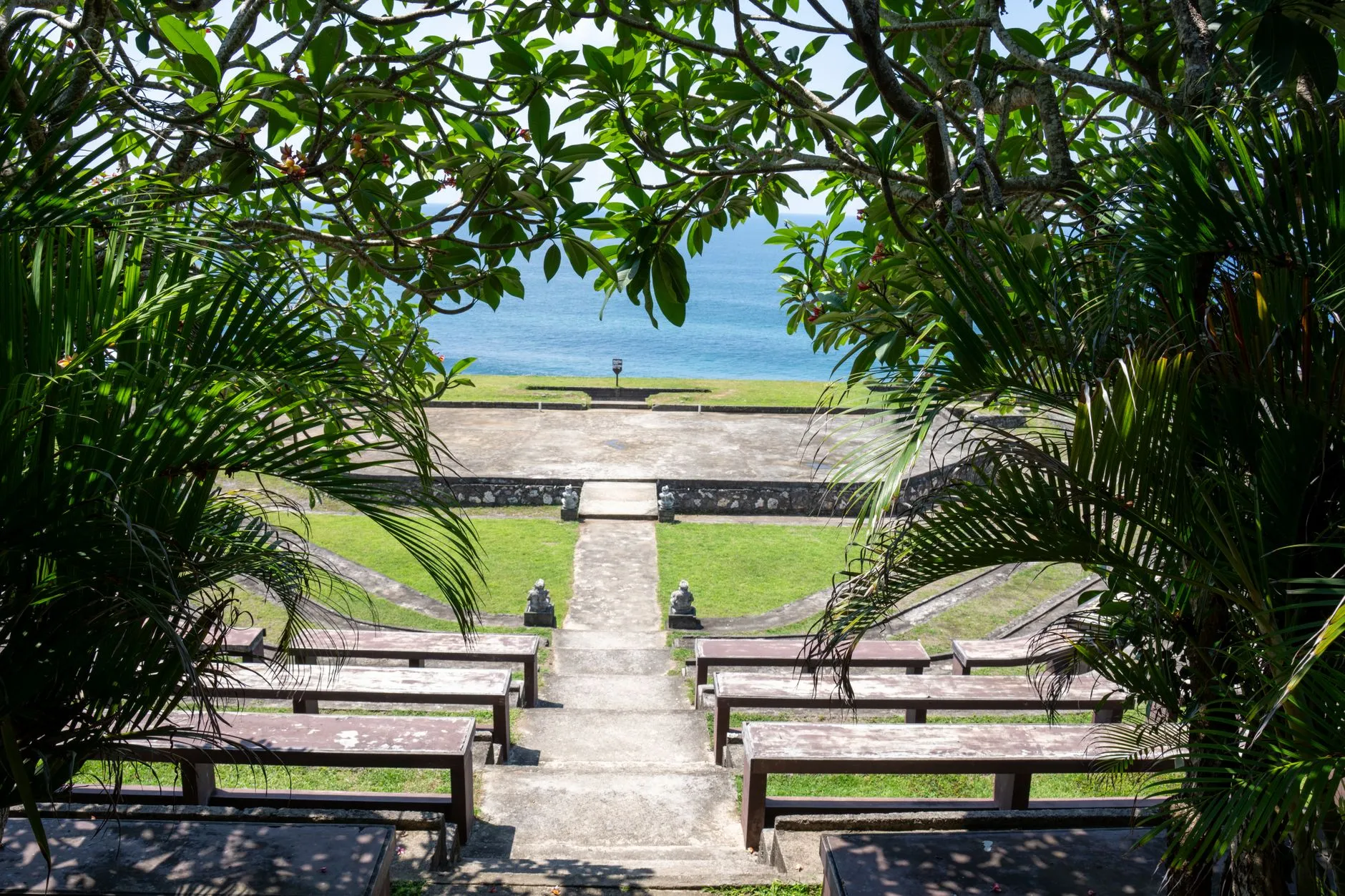
Bali stands as a prominent global destination for yoga teacher certification, offering a diverse array of training programs. When considering a yoga teacher certification cost in this vibrant location, you will find a range of options catering to different preferences and budgets. The island hosts numerous training schools, each with unique approaches to curriculum, duration, and inclusions, making it essential to carefully assess what each program offers.
Choosing the Right Program
Selecting the ideal yoga teacher training in Bali involves comparing various programs based on their core elements. You will encounter options from intensive residential retreats to more localized studio-based courses. A 200-hour program typically forms the foundation for aspiring instructors, providing essential knowledge in yoga techniques, philosophy, anatomy, and ethics.
When evaluating programs, consider their structure and what the overall yoga teacher certification cost covers. Some programs are tuition-only, while others are all-inclusive, encompassing accommodation, meals, and course materials. For example, a local yoga school Yoga School in Bali offers both a tuition-only option and comprehensive packages.
Here’s a comparison of typical program options you might find:
| Program Type | Cost (approx.) | Inclusions |
|---|
Many Bali programs are designed as immersive international retreats, which can differ significantly from local, urban studio programs. Retreats often provide a deeper dive into the practice with shared living arrangements, fostering a strong community among participants. Such settings are ideal for those seeking a complete break from daily routines to focus solely on their training. Reputable schools like YMB Yoga School often structure their programs to offer this immersive experience, ensuring comprehensive learning.
Beyond the foundational 200-hour training, consider opportunities for additional teaching qualifications. While a 200-hour certificate is typically what most studios require for initial group classes, specialized certifications can help you stand out. For instance, programs focusing on prenatal or trauma-informed yoga are actively sought after by studios and can significantly differentiate an instructor in the market. Certification fees are also a factor; registering as a Yoga Alliance Registered Yoga Teacher typically costs around $115 for the first year, covering an application fee and annual dues.
Optimizing the Yoga Teacher Training Experience
Maximizing Learning and Personal Benefits
Undertaking yoga teacher training represents a significant investment, not just of time, but also in the yoga teacher certification cost. To truly maximize this experience, it is essential to approach it with a perspective that extends beyond simply earning a credential. The journey should equally prioritize your personal growth and the deepening of your own yoga practice. While you are learning the techniques to instruct, you are simultaneously refining your personal understanding of yoga’s principles, philosophy, and physical postures. This holistic approach enriches your personal well-being as much as it prepares you for future teaching roles.
Active engagement in community support networks is another powerful factor that enhances learning. Your fellow students often become a valuable resource, offering diverse perspectives and shared experiences that can solidify your understanding. Many programs facilitate these connections, recognizing the importance of peer-to-peer learning and encouragement. Building these relationships can extend far beyond the training itself, creating a lasting network of support crucial for new instructors.
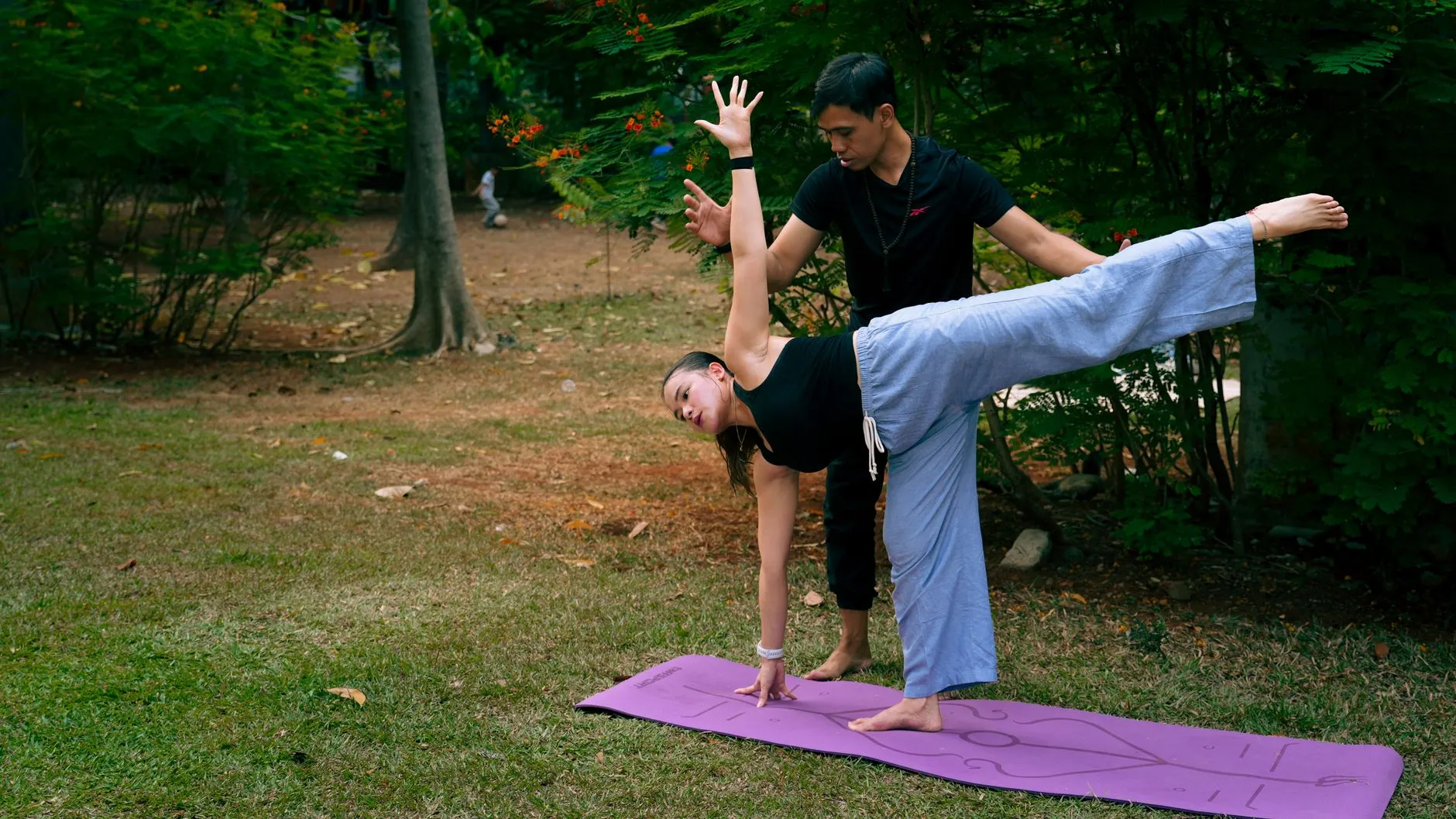
Opportunities to practice teaching are vital for solidifying your skills as a yoga instructor. Seek out every chance to lead segments for your peers, offer classes to friends and family, or take advantage of any structured practice teaching sessions offered within your program. These hands-on experiences are invaluable for refining your cues, developing confidence, and adapting to different student needs. A program that offers ample practical application can significantly improve your eventual teaching outcomes and preparedness.
Finally, access to quality resources and ongoing mentorship can dramatically improve your post-training journey. Look for schools that provide comprehensive manuals, online learning platforms, or opportunities for continued guidance from experienced instructors even after the formal training concludes. This continued support helps bridge the gap between training and real-world teaching, ensuring that your investment in the yoga teacher certification cost translates into a confident and competent teaching career. While a credentialed teacher from a $600 program and a credentialed teacher from a $4,000 program hold the same formal qualification, the depth of resources and mentorship available can genuinely differentiate your experience and readiness.
Comparing Training Costs Globally
The yoga teacher certification cost varies significantly worldwide, largely influenced by regional economies, operational expenses, and the scope of what’s included in the program. Understanding these differences can help you plan your budget and choose a program that aligns with your financial considerations and training goals. When researching options, it’s crucial to look beyond the advertised price and investigate exactly what is covered, as hidden costs can quickly accumulate.
Cost Comparison by Region
To illustrate the diverse landscape of yoga teacher certification cost, here’s a comparison of typical expenditures in key regions:
| Region | Cost Range | Inclusions | Notes |
|---|---|---|---|
| India | $800 – $1,800 | All-inclusive (often accommodation, meals) | High-quality options; lower cost of living allows for value. |
| Bali | $1,500 – $3,000 | Tuition separable; accommodation often extra | Variable teaching quality; facilities can be excellent at higher prices. |
| Europe | $2,500 – $5,000 | Usually tuition only, some all-inclusive | Higher operational costs directly influence pricing. |
| North America | $2,500 – $5,000 | Variable inclusions; tuition only common | Standards enforced; costs reflect Western living expenses. |
In India, for instance, a quality residential 200-hour program can genuinely be all-inclusive for $800 to $1,400, covering excellent teachers, good accommodation, and three daily meals without compromising quality. Programs below $700 in India, however, warrant specific scrutiny regarding batch sizes, teacher credentials, and potential hidden fees. Conversely, programs above $1,500 often incorporate luxury resort amenities like pools and spa services, rather than necessarily enhancing educational quality.
Moving to Bali, 200-hour programs typically range from $1,500 to $3,000, with tuition often separate from accommodation and meals. For example, a tuition-only option could be around ,600, while a package including accommodation and breakfast might start from ,900. Programs below $1,200 in Bali can exhibit variable teaching quality, whereas those above $2,500 frequently offer excellent facilities.
In Western regions like Europe and North America, a 200-hour yoga teacher certification cost generally ranges from $2,500 to $5,000. In Europe, a similar all-inclusive program to India’s $900 offering would need to charge at least $3,500 to cover equivalent operational costs. Some European programs, such as one in Germany mentioned by a local yoga school Yoga School, include 20 nights’ accommodation and all meals for ,900. In North America, the tuition for a 200-hour program typically falls within $2,500 to $4,500, with weekend-format programs costing around $3,295.
Regardless of location, it’s important to remember that a credentialed teacher from a $600 program and one from a $4,000 program hold the same formal qualification. The key is to assess the inclusions and ensure the program meets your needs and expectations.
Conclusion
Final Thoughts
Choosing the right yoga teacher certification cost program is crucial for your success and overall experience as a future instructor. It’s important to remember that formal qualifications can be surprisingly consistent across different price points; a credentialed teacher from a $600 program and one from a $4,000 program hold the same formal qualification. Your decision should align with your personal goals, learning style, and budget, ensuring you find a program that truly resonates with you.
Before enrolling, it’s vital to consider all potential costs, including those that might not be immediately obvious. A program advertising a low initial price, such as $700, may not include accommodation, meals, or certification fees, potentially costing over $2,000 by the time you arrive. In contrast, an all-inclusive program priced at $1,200 will deliver exactly what it promises. Be sure to scrutinize programs below $700, inquiring about batch sizes, teacher credentials, inclusions, and hidden fees. Keep in mind that initial Yoga Alliance registration is approximately $50, with annual renewal around $65.
Effective budgeting and a clear understanding of the overall yoga instructor certification cost can make quality training accessible. Many schools offer flexible payment plans, with a median installment of $83 per month, helping to spread the financial commitment. While tuition for 200-hour programs in Western countries typically ranges from $2,500 to $4,500, quality residential programs in India can offer genuine value, from $800 to $1,400 all-inclusive, due to a lower cost of living. For instance, a program that would cost $3,500 in the UK might be offered at $900 in India without compromising quality.
Finally, the strength of the community and the quality of mentorship are key for a truly rewarding experience. While some programs in Western countries above $2,500 often boast excellent facilities, programs below $1,200 might have variable teaching quality. When you’re ready to make a choice, consider all aspects of the training experience. For comprehensive training designed to provide excellent teachers, good accommodation, and meals, exploring options like YMB Yoga School can be a valuable next step in your journey to becoming a certified yoga teacher.

FAQs
What is the average cost of yoga teacher training?
The yoga teacher certification cost varies significantly depending on location, program length, and what the package includes. For a quality residential 200-hour program in India, you can expect to pay $800 to $1,400, which typically covers everything. In Western countries, the tuition alone for a 200-hour program generally ranges from $2,500 to $4,500. Online options are also available, with budget programs starting from $99 up to $3,295, often being 40% to 60% less expensive than in-person studio training. Some 200-hour YTTs, particularly in New Zealand, can range from NZ$2,000 to over NZ$10,000.
Are there scholarships available for yoga teacher training?
The available research does not provide specific details regarding scholarships for yoga teacher training programs. While some schools may offer financial aid options, this information is not universally documented.
What hidden costs should I consider for my training?
When budgeting for your yoga teacher certification cost, it is crucial to look beyond the advertised tuition. Many programs, especially those with lower headline prices, may not include essentials like accommodation, meals, flights, or insurance. For instance, a program advertised at $700 that doesn’t cover these items could realistically end up costing you $2,000 or more by the time you complete it. You should also account for course materials, certification fees, and the Yoga Alliance registration fees, which are $50 for application and $65 for annual dues.
How can I budget for yoga teacher certification?
To budget effectively for your yoga teacher certification, carefully examine what is included in the program price. Compare all-inclusive residential programs, which bundle tuition, accommodation, and meals, against tuition-only options. Many schools offer payment plans, with a median installment of $83 per month, to help manage the financial outlay. Some schools, like a local yoga school Yoga School, itemize every cost category clearly, allowing you to build a comprehensive budget before enrolling.
What factors determine the cost of yoga teacher training?
Several key factors influence the cost of yoga teacher training. Location plays a significant role; for example, the lower cost of living in India allows for quality all-inclusive programs from $900, while a similar program in the UK would require a minimum of $3,500 to cover operational costs. The program’s inclusions also matter, with some offering basic dormitory-style accommodation and others providing luxury resort amenities like pools and spa services. Other factors include the program’s length and format (intensive versus weekend), the credentials of the teachers, and whether it’s an online or in-person course.
Related Reading from YMB Yoga School
- The Financial Reality of Yoga Teacher Training: Understanding Costs, Earnings, and Opportunities
- Who Can Do Yoga Teacher Training? Unlocking the Path to Certification and Personal Growth
- How Much Does Yoga Teacher Training Cost?
Sources
- How Much Should Yoga Teacher Training Cost? Honest Guide
- How Much Does a Yoga Teacher Training Cost? | Asia Pacific Yoga
- How to Choose a Yoga Teacher Training Program
- What Are the Hidden Costs of Yoga Teacher Training? The Complete Budget Guide 2026
- Yoga Teacher Training 2026: Certification, Cost & Career Guide
- Yoga Teacher Training 2026: Standards, Costs & Red Flags
- StyleSeat Business Blog
- How To Pay For Yoga Teacher Training | Siddhi Yoga
- Yoga Ideas on a Budget: Dream Big, Start Smart
- Yoga Teacher Training 2026: Standards, Costs & Red Flags