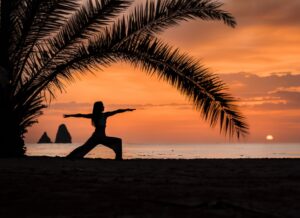
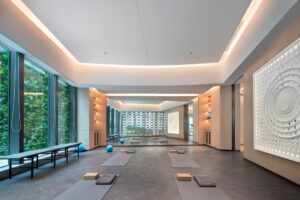
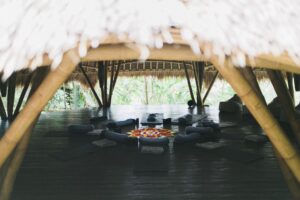
Written by the teaching team at YMB Yoga School in Klungkung, Bali.
Yoga in Asia: Origins, Destinations, & Experiences
Yoga in Asia represents a rich tapestry of ancient traditions and modern practices, deeply rooted in its birthplace, India, over 5000 years ago. From the spiritual epicenters of Rishikesh to the beautiful beaches of Bali and Thailand, the continent offers unparalleled opportunities for authentic yoga experiences. Whether you seek in-depth teacher training, a rejuvenating retreat, or a deeper personal practice, Asia provides a genuine connection to yoga’s source.
The Ancient Roots of Yoga in Asia
Yoga’s journey began deep within the Asian continent, evolving from spiritual practices into a complete system for well-being that continues to thrive today. This historical foundation provides a unique context for modern practice that can only be found at its origin.
Yoga’s Birthplace: India
The practice of yoga originated in the Indus Valley Civilization of South Asia over 5000 years ago, making India its undeniable birthplace. The earliest references to yogic concepts and spiritual disciplines are found in ancient Vedic texts, particularly the Rig Veda. These early forms of yoga were heavily focused on meditation, breath control (pranayama), and ethical principles.
Early Expansion and Philosophical Developments
Over centuries, these practices were refined and systematized. Around 200 BCE, the sage Patanjali compiled the Yoga Sutras, which codified yoga into an eight-limbed path known as Ashtanga Yoga. This text provided a clear, systematic framework for achieving spiritual realization. While meditation and breath remained central, physical postures (asanas) gained more prominence over time as a means to prepare the body for deeper states of concentration.
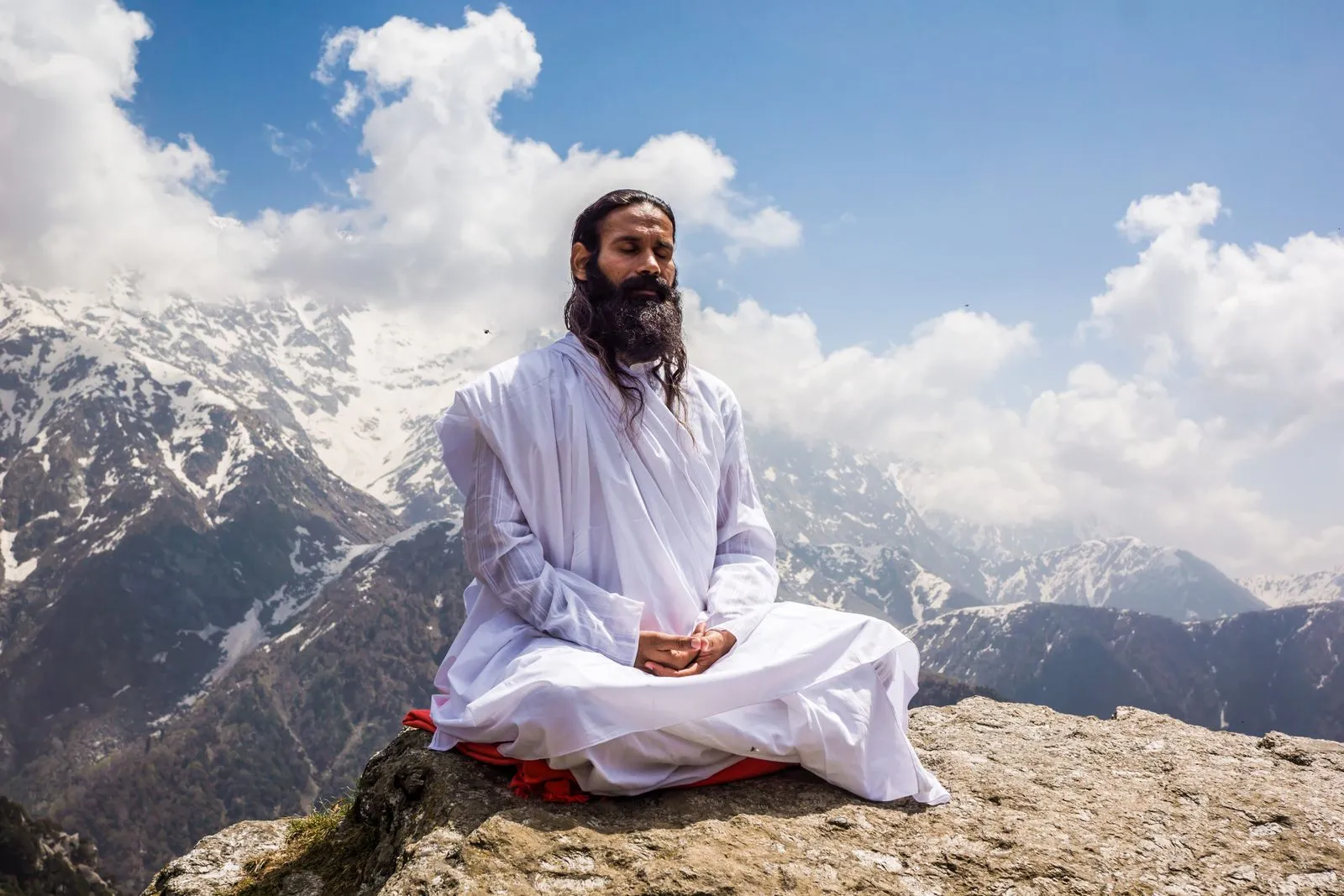
Why Asia Remains the Epicenter for Yoga Practice
Asia continues to be the premier destination for yoga practitioners due to its deep historical connection, authentic teachings, diverse offerings, and supportive cultural environment. People from all over the world travel here to connect with the practice on a more meaningful level.
Authenticity and Deep Tradition
Practicing yoga in Asia offers a direct connection to its ancient origins. You have the opportunity to learn from teachers whose lineages trace back through generations of yogic masters. This provides a depth of understanding that goes beyond physical postures, touching upon the philosophical and spiritual heart of the practice.
Diverse Styles and Master Teachers
The continent is home to an unparalleled diversity of yoga styles. From traditional Hatha and Ashtanga in India to the flowing Vinyasa and restorative practices popular in Bali, there is a path for every type of practitioner. This diversity is taught by a vast community of experienced and dedicated teachers.
Immersive Cultural Experiences
In many Asian countries, yoga is not just an exercise class; it’s woven into the fabric of daily life and spiritual belief. This creates an environment where your practice extends beyond the mat. You can experience yoga through local customs, Ayurvedic food, temple visits, and the general mindful pace of life.
Value and Accessibility
Compared to many Western countries, yoga teacher training programs and retreats in Asia often provide exceptional value. Comprehensive packages frequently include accommodation, healthy meals, and extensive training hours at a competitive price point. For anyone considering becoming a teacher, understanding yoga teacher training costs can clarify how an experience in Asia is often more accessible for the quality and duration offered.
Top Destinations for Yoga in Asia
From the Himalayas to tropical islands, Asia presents a diverse array of top destinations, each offering a unique flavor of the yogic path. Your choice of destination can shape your entire experience, so it’s worth exploring what each one has to offer.
India: The Spiritual Homeland
As yoga’s birthplace, India offers an unparalleled spiritual immersion. Key destinations include:
- Rishikesh: Known as the “Yoga Capital of the World,” this city on the banks of the Ganges is filled with ashrams and Rishikesh Yoga Schools offering traditional teachings. It is a hub for Hatha, Ashtanga, and yoga philosophy.
- Goa: For those who prefer a beachside setting, Goa combines yoga with a relaxed, coastal atmosphere. You can find everything here, from Vinyasa classes to specialized trainings like a 30-day Kundalini Awakening Teacher Training.
- Mysore: The home of K. Pattabhi Jois, Mysore is the global center for Ashtanga Vinyasa Yoga. Practitioners come here for dedicated, long-term study of this specific lineage.
Bali, Indonesia: The Island of the Gods
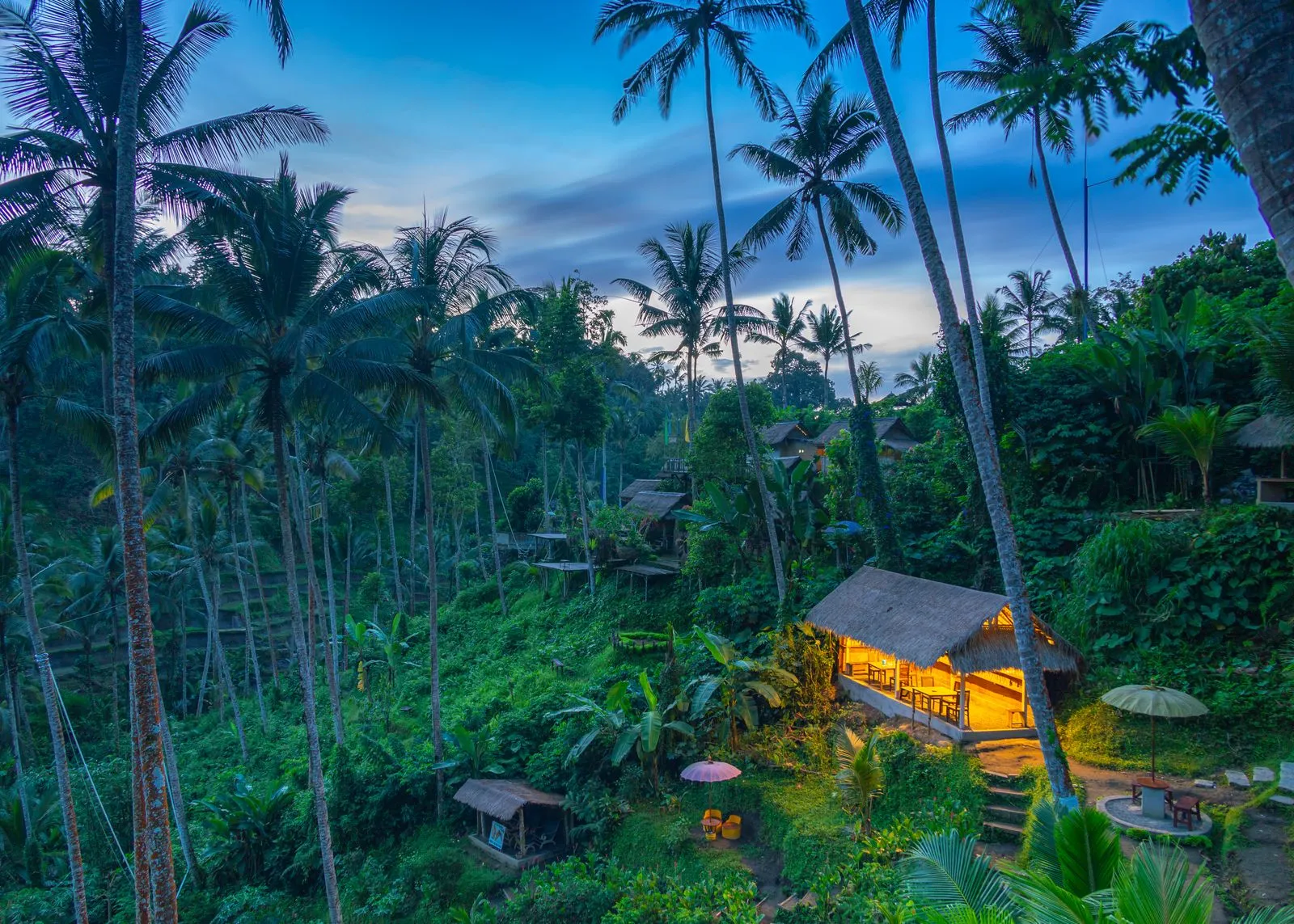
Bali is renowned for its welcoming spiritual community and focus on wellness and healing. The lush, volcanic landscape and deeply ingrained Hindu culture create a supportive backdrop for practice. It is a top choice for those seeking retreats and teacher training that combine yoga with cultural activities and nature. The island offers a variety of styles, with a strong emphasis on Vinyasa, Hatha, and Restorative yoga, often complemented by sound healing and meditation. For a detailed overview, see our comprehensive guide to Yoga Teacher Training in Bali.
For those seeking Yoga Alliance registered teacher training, schools like YMB Yoga School in Klungkung, Bali, offer comprehensive 200-hour and 300-hour programs that blend traditional Indian yoga with Balinese cultural immersion.
Thailand: Serenity and Spirituality
Thailand blends serene beaches, lush jungles, and a gentle Buddhist culture that perfectly complements a yoga practice. Koh Phangan has become a major hub for yoga, famous for its numerous retreat centers and Yoga Teacher Training in Thailand. Chiang Mai in the north offers a more mountainous, temperate alternative with a strong focus on mindfulness and meditation.
Other Emerging Yoga Hubs
Beyond the “big three,” other Asian destinations are gaining recognition. Sri Lanka is becoming a popular choice for its combination of yoga, surfing, and Ayurvedic treatments. Nepal offers a unique opportunity for high-altitude yoga and meditation with breathtaking Himalayan views. Vietnam is also emerging with wellness-focused retreats that integrate yoga into its rich cultural landscape.
| Destination | Primary Focus | Atmosphere | Popular Styles/Experiences |
|---|---|---|---|
| India | Spiritual Depth, Traditional Lineage | Bustling, Authentic, Reverent | Hatha, Ashtanga, Iyengar, Philosophy, Ayurveda |
| Bali, Indonesia | Wellness, Holistic Healing, Retreats | Spiritual, Lush, Community-focused | Vinyasa, Hatha, Restorative, Sound Healing, Cultural Immersion |
| Thailand | Beach/Jungle Retreats, Meditation | Relaxed, Tropical, Mindful | Hatha, Vinyasa, Yin, Vipassana, Thai Massage |
| Sri Lanka | Ayurveda, Beach Retreats, Surfing | Peaceful, Coastal, Healing | Hatha, Ashtanga, Ayurveda, Surf & Yoga |
| Nepal | Himalayan Yoga, Meditation, Spirituality | Mountainous, Reflective, Adventurous | Hatha, Meditation, Tantra, Trekking & Yoga |
Ready to Train in Bali?
YMB Yoga School in Klungkung runs monthly intakes for its Yoga Alliance-certified courses: the all-inclusive 200-hour training from $1,450 (23 days) and the 300-hour from $2,400 (28 days). A $380 deposit secures your spot.
Types of Yoga Experiences You Can Find in Asia
Asia offers an extensive spectrum of yoga experiences, catering to every intention from aspiring teachers to those seeking deep relaxation and personal growth. Understanding the different formats can help you choose the right path for your goals.
Yoga Teacher Training (YTT) Programs
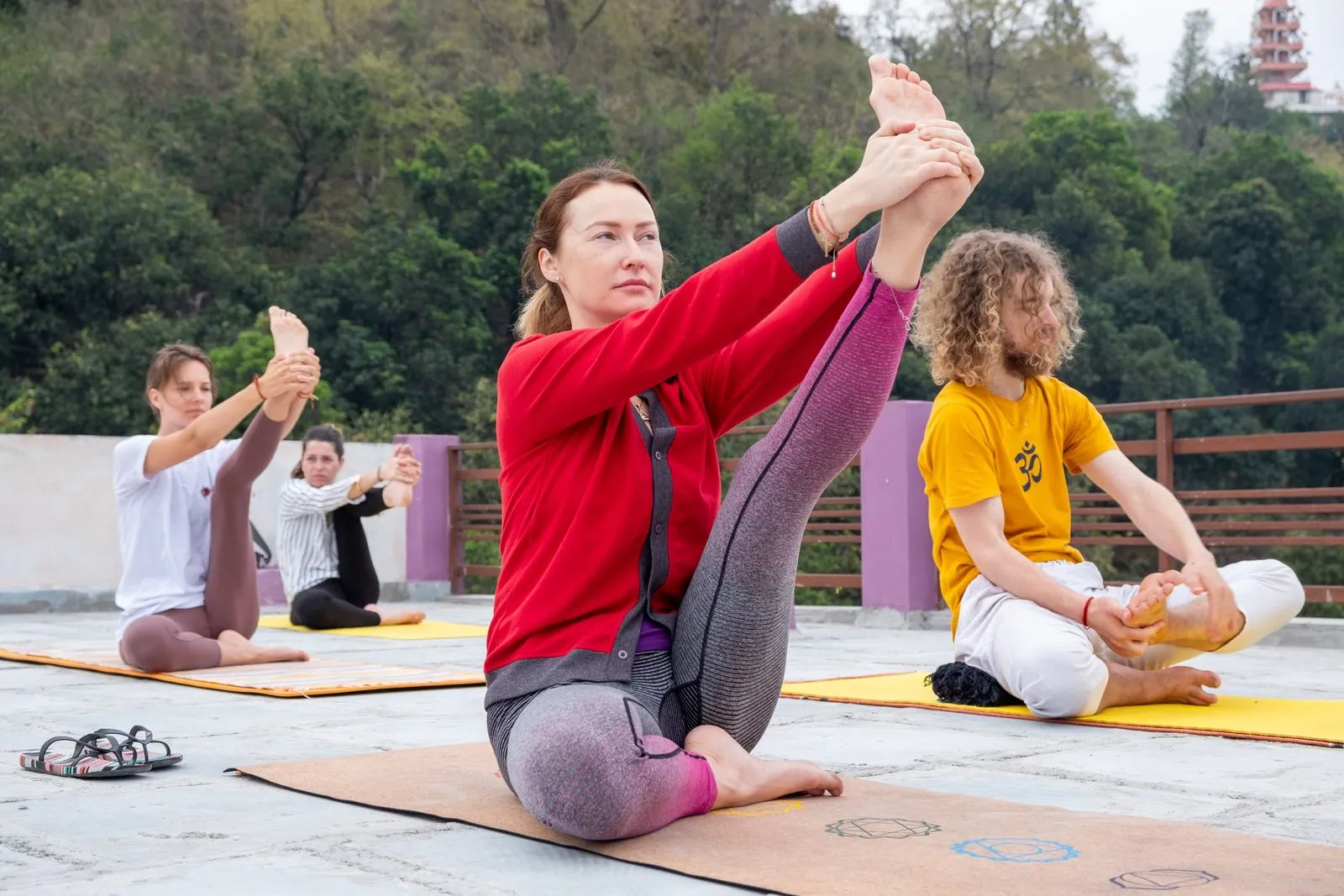
Residential YTT programs are a popular choice for those wanting to deepen their practice and learn to teach. These courses provide an environment to fully absorb the teachings, which include asana, anatomy, philosophy, and teaching methodology. Programs range from 100-hour introductory courses to comprehensive 200-hour and advanced 300-hour certifications. Most programs are all-inclusive, with tuition, accommodation, and meals bundled together.
Yoga Retreats and Wellness Holidays
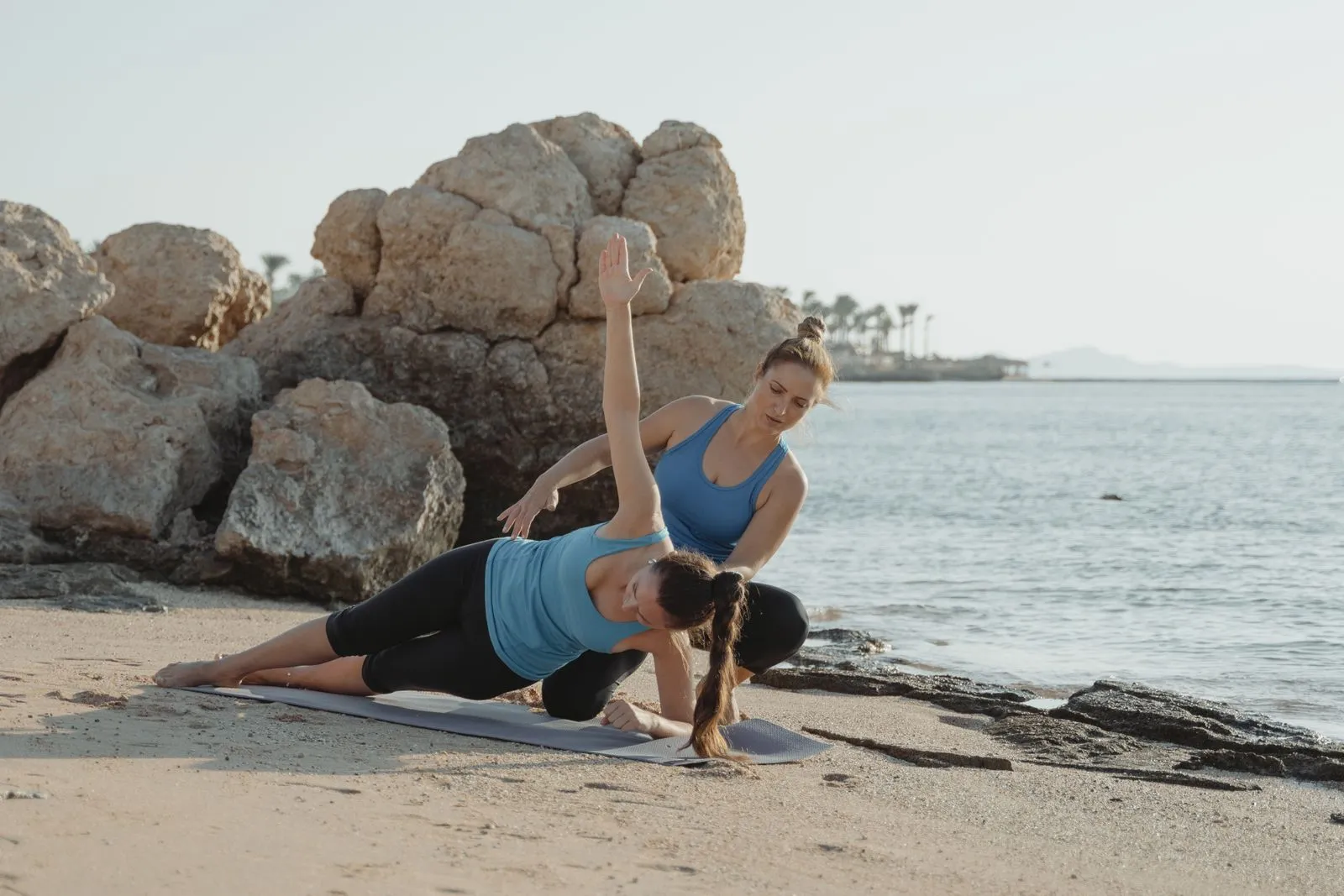
For those not looking to teach, a yoga retreat is a perfect way to recharge and focus on personal well-being. Retreats are typically shorter, lasting from a few days to a couple of weeks, and are often built around a specific theme. You can find a wide variety of options, such as a 7-day Pilates, Yoga & Breathwork Retreat in Bali or even a Christmas-themed pottery and yoga retreat in Goa.
Casual Classes and Drop-in Sessions
If you are traveling through Asia and want to maintain your practice, you’ll find an abundance of studios offering drop-in classes. This is a great, low-commitment way to experience different teachers and styles in popular hubs like Ubud, Chiang Mai, and Rishikesh. A typical class is usually 60 or 90 minutes long.
Ayurvedic Treatments and Holistic Healing
Many yoga centers here, particularly in India and Sri Lanka, are also hubs for Ayurveda, the traditional Indian system of medicine. You can complement your yoga practice with personalized Ayurvedic consultations, dietary plans, herbal treatments, and detoxification programs (panchakarma) for complete mind-body wellness.
Choosing Your Yoga Journey in Asia: Practical Advice
To ensure a rewarding yoga experience in the region, careful planning, research, and cultural awareness are paramount. Taking the time to prepare will help you make the most of your trip.
Define Your Goals and Intentions
First, clarify what you hope to achieve. Is your primary goal to become a certified teacher? Are you seeking relaxation and stress relief? Or are you on a spiritual quest to deepen your understanding of yogic philosophy? Your intention will guide you toward the right country, school, and program.
Research Schools and Retreat Centers
Once you know your goal, begin your research. For teacher trainings, check if the school is a Yoga Alliance Registered Yoga School (RYS), as this is a common standard. Read reviews from past students, examine the credentials of the lead teachers, and carefully review the syllabus to ensure it aligns with your interests.
Consider the Best Time to Travel
Climate varies dramatically across Asia. The best time to visit Bali is during the dry season (April to September), while the ideal months for most of India are in the cooler, drier period from October to March. Research the weather patterns and peak tourist seasons for your chosen destination to ensure a comfortable trip.
Cultural Etiquette and Respectful Practice
Show respect for the local culture that so generously shares the practice of yoga. Dress modestly, especially when visiting temples or ashrams. A simple pashmina or scarf is useful to have on hand. Be open, respectful, and curious about local traditions and the teachers you encounter.
Health and Safety Considerations
Before you travel, consult your doctor about any necessary vaccinations. Always secure comprehensive travel insurance. Once there, be mindful of food and water safety to stay healthy—stick to bottled or purified water. Listen to your body during practice and communicate any injuries or limitations to your teacher.
The Evolving Landscape of Yoga in Asia
Yoga in Asia continues to evolve, blending ancient traditions with modern approaches and expanding its reach through various initiatives. While deeply respectful of its roots, the practice is not static.
Contemporary yoga in Asia often incorporates modern styles like aerial yoga and paddleboard yoga, making it accessible to a wider audience. There is also a growing focus on integrating yoga with other wellness practices like mindfulness, breathwork, and local healing arts. This evolution is also visible on a larger scale. For instance, the recent Asian Yogasana Sports Championship highlights a movement to recognize yoga as a competitive sport. According to one report, the first World Yogasana Championship drew 522 athletes from 79 countries, demonstrating yoga’s growing global presence and dynamic future. This shows that yoga in Asia will likely remain a beacon of authenticity while adapting to contemporary needs.
Frequently Asked Questions
Is Asia the best place to learn yoga?
For many, Asia is considered the ideal place to learn yoga because of its authentic roots and rich traditions. The cultural environment, access to experienced teachers with direct lineage, and the focus on yoga as a complete lifestyle offer a depth that can be hard to find elsewhere.
Which Asian country is best for yoga teacher training?
This depends on your goals. India is often chosen for its traditional, philosophical depth, especially in Rishikesh. Bali is favored for YTTs that blend practice with a beautiful, wellness-oriented island culture. Thailand offers a balance of quality training in relaxed, natural settings. The “best” country is the one that best fits your personal learning style and intention.
What is the average cost of a yoga retreat in this region?
Costs vary widely. A 7-day yoga retreat in a popular destination like Thailand or Bali can range from approximately $2,500 USD. This typically depends on the duration, location, level of luxury, and what’s included (accommodation, meals, excursions). More basic or shorter options can be found for less.
What should I look for when choosing a yoga school on the continent?
First, check for credentials like Yoga Alliance registration if you’re pursuing a teaching certificate. Second, read reviews and testimonials to gauge the experience of past students. Third, review the curriculum to see if the content (philosophy, anatomy, etc.) and style of yoga align with your goals. Finally, consider the location and facilities to ensure it’s a comfortable and supportive environment for your learning.
At YMB Yoga School, we honor these deep roots while sharing the practice in the beautiful setting of Bali.