Written by the teaching team at YMB Yoga School in Klungkung, Bali.
As of late 2026, the average annual salary for a yoga instructor in the US typically ranges from $25,000 to $75,000, with a median around $47,160. This wide spectrum exists because actual earnings depend heavily on factors like your location, experience, teaching format, and whether you are self-employed or work for a studio. This guide provides a clear look at yoga instructor earnings, the variables that affect your pay, and the initial investment required to begin your teaching path.
What is the Average Yoga Instructor Salary in 2026?
Yoga instructor salaries in 2026 vary widely, but general figures suggest a median annual income around $47,160, with hourly rates typically between $20 and $50 per class. However, these numbers don’t tell the whole story, as your final income is a result of many personal and professional choices. Understanding the financial reality of yoga teacher training is the first step toward building a sustainable career.
Annual Income Overview
Official statistics for yoga teachers are often grouped within a broader category. According to the U.S. Bureau of Labor Statistics (BLS), the median annual wage for “exercise trainers and group fitness instructors” (code 39-9031) was $47,160 as of May 2025. This BLS data shows a significant range, with the lowest 10 percent of earners making around $28,800 and the highest 10 percent earning up to $83,100.
The variability in reported figures is notable. As research from Gymdesk.com highlights, a quick search can yield average salaries anywhere from $45,000 to nearly $70,000. This disparity underscores that there is no single, fixed salary for this profession.
Hourly vs. Per-Class Pay
Many instructors are paid per class or per hour rather than receiving an annual salary. Based on data from Payscale.com, the average hourly pay for a yoga instructor in 2024 was reported as $27.10. If you were to work a full 40-hour week at this rate, your annual income could be approximately $56,361. However, most instructors do not teach for 40 hours a week, as this schedule would be physically demanding and does not account for unpaid time spent on class planning, travel, and marketing.
A more common structure is per-class pay. Rates typically fall between $20 and $50 per class. Some studios use a per-student model, paying instructors between $5 and $15 for each person who attends their class.
To illustrate, if you teach an average of 26 classes per week:
- At the lower end of $20 per class, your annual income would be around $27,040.
- At the higher end of $50 per class, your annual earnings could reach $67,600.
This demonstrates how significantly your per-class rate and teaching volume can impact your overall yoga instructor earnings.

What Factors Influence Yoga Instructor Salaries?
Several key factors influence a yoga instructor’s salary, including location, experience, certifications, the type of yoga taught, and the employment model. Your ability to earn is not static; it grows as you develop your skills and reputation in the field.
Location and Market Demand
Where you teach matters. Instructors in major metropolitan areas like New York, Los Angeles, or London, where the cost of living is high and demand for wellness services is strong, can often charge higher rates for classes and private sessions. Conversely, pay rates in smaller towns or regions with a lower cost of living may be more modest. Researching the local market rate is essential for setting your prices appropriately.
Experience and Expertise
New teachers fresh out of their 200-hour training will typically start at a lower pay scale. As you gain teaching experience, build a loyal student base, and demonstrate reliability and skill, your value increases. Experienced instructors who consistently draw large classes are in a much stronger position to negotiate higher per-class rates or command premium prices for private work.
Certifications and Specializations
Your qualifications directly impact your earning potential. While a 200-hour certification is the industry standard to begin teaching, pursuing advanced training opens more doors. Holding a 300-hour or 500-hour certification signals a deeper commitment to your education. Specializing in niche areas like prenatal yoga, restorative yoga, kids yoga, or yoga for athletes can also make you more marketable and allow you to serve specific communities, often at a higher rate.
Teaching Formats (Studio, Private, Online, Retreats)
The format in which you teach creates different income opportunities.
- Studio Classes: Offer consistent work but often at a lower per-hour rate.
- Private Sessions: Command the highest hourly rates, as they are tailored to an individual’s specific needs and goals.
- Online Classes: Provide global reach and flexibility, with income generated through live-streamed classes, subscriptions, or pre-recorded content.
- Workshops & Retreats: Can provide significant income boosts in a short period, though they require substantial planning and marketing effort.
Employment Status (Employee vs. Self-Employed)
Your employment arrangement is a major determinant of your net income.
- Studio Employee: As an employee, you receive a steady paycheck, and the studio handles taxes and provides a workspace. The trade-off is often a lower per-class rate.
- Independent Contractor (Self-Employed): As a contractor, you have the potential to earn more per class and have greater control over your schedule. However, you are responsible for your own taxes (including self-employment tax), liability insurance, marketing, and other business expenses.
Beyond Classes: Additional Income Streams for Yoga Instructors
To maximize earnings and create a sustainable career, many yoga instructors diversify their income beyond teaching regular studio classes. Building multiple revenue streams protects you from fluctuations in class attendance and creates a more resilient business model.
Private Yoga Sessions
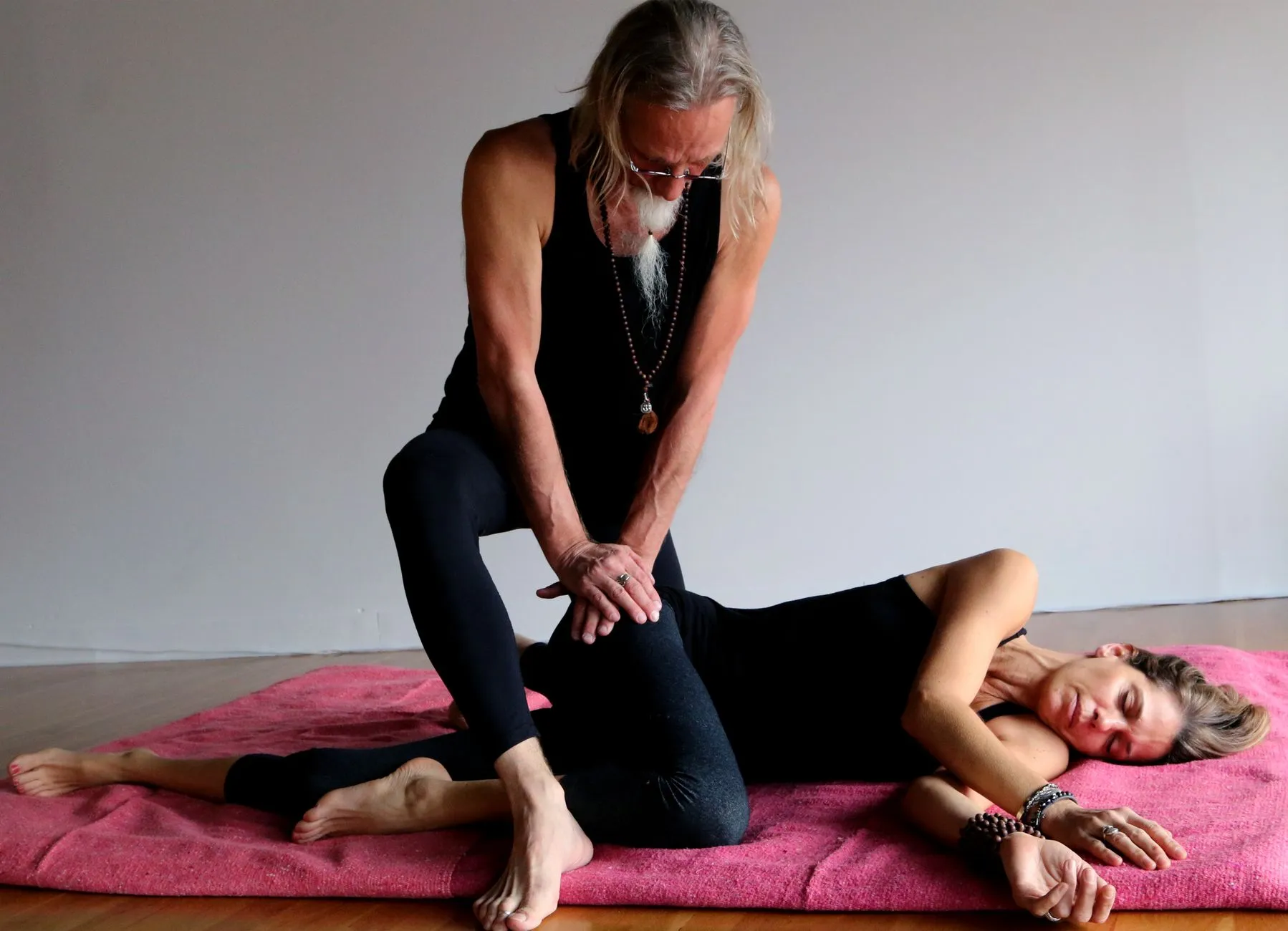
Offering one-on-one or small-group private sessions is one of the most effective ways to increase your income. Clients are willing to pay a premium for personalized instruction—often a higher hourly rate—that addresses their specific goals, injuries, or health conditions.
Workshops and Retreats
Hosting workshops on specialized topics like arm balances, philosophy, or meditation allows you to share your expertise in-depth and earn several hundred dollars in a single afternoon. Organizing and leading yoga retreats, whether locally or internationally, presents a significant income opportunity, combining your love for yoga and travel while providing an immersive experience for students.
Online Content and Digital Products
The digital world offers limitless potential for income. You can create a subscription-based online yoga studio, sell pre-recorded class bundles, or write and sell e-books on yoga-related topics. Guided meditations and digital yoga guides can become sources of passive income, earning you money long after the initial creation.
Merchandise and Partnerships
As you build your brand, you can partner with wellness and yoga companies as a brand ambassador, earning commission on sales or fees for promotion. You might also create and sell your own branded merchandise, such as yoga apparel, mats, or props, to your community.
Teacher Training Assistance
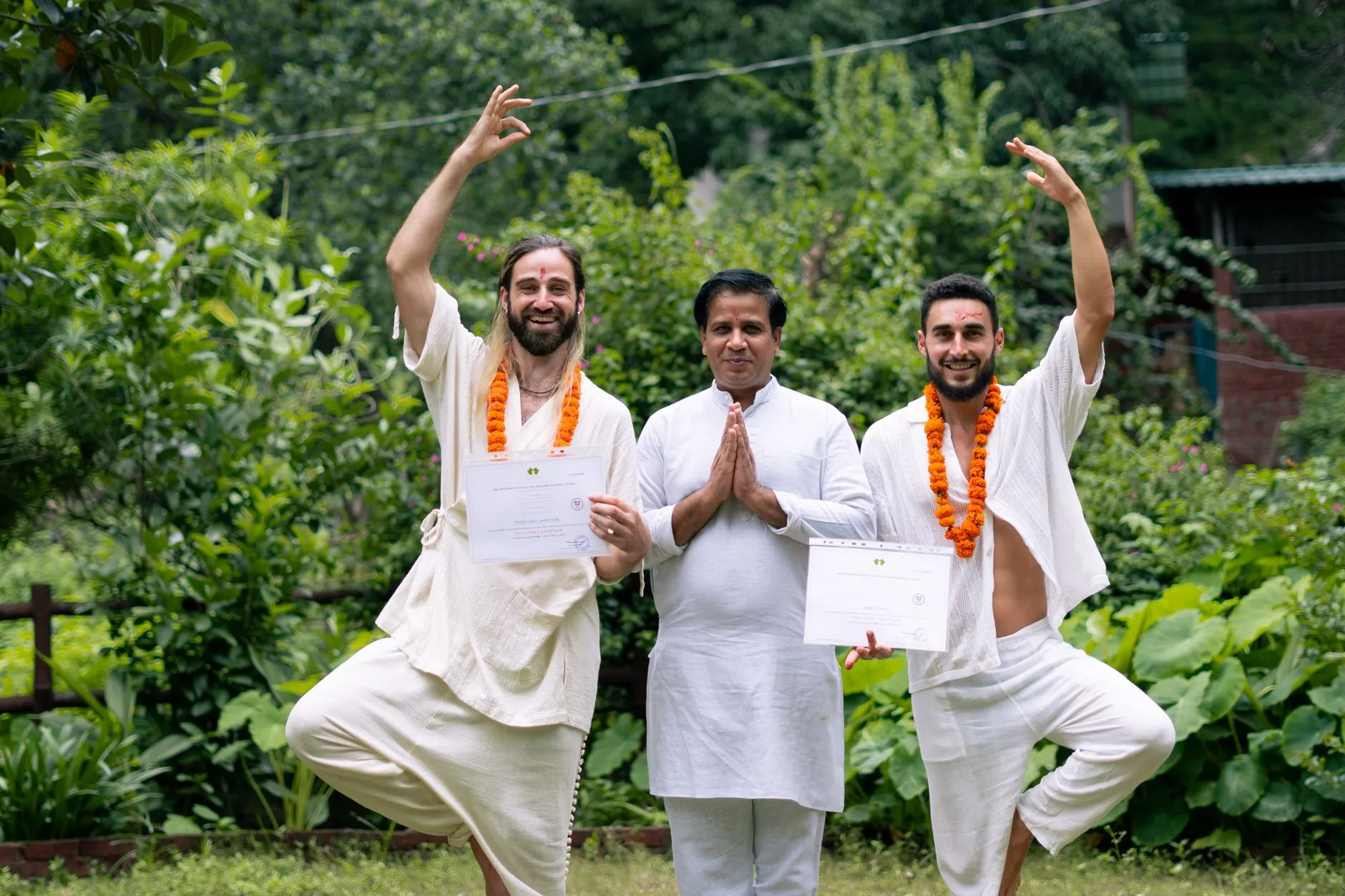
For experienced instructors, a powerful way to give back and earn is by assisting in a yoga teacher training program. Working alongside lead trainers at a school like YMB Yoga School in Bali not only provides another source of income but also deepens your own understanding of yoga and offers valuable mentorship opportunities.
The Initial Investment: Understanding Yoga Teacher Training Costs
Pursuing a yoga teacher training (YTT) requires a significant financial investment, with costs varying based on location, duration, and inclusions, typically ranging from $1,450 to $3,000 USD for a 200-hour program. This certification is the necessary first step toward earning a professional yoga teacher pay.
A Snapshot of YTT Program Costs
The price of a YTT program is not standardized. An urban program in a major Western city where you commute from home will have a different cost structure than a residential program in a destination like Bali. As an example of a residential program, a 200-hour Yoga Teacher Training in Klungkung, Bali, can offer an all-inclusive experience at a competitive price point.
Here is a sample price structure from YMB Yoga School to illustrate how costs can vary by course length and accommodation choice:
| Course Duration | Early Bird (Shared Room) | Early Bird (Private Room) |
|---|---|---|
| 100-Hour (10 Days) | $999 USD | $1,250 USD |
| 200-Hour (23 Days) | $1,450 USD | $1,900 USD |
| 300-Hour (28 Days) | $2,400 USD | $2,500 USD |
Ready to Train in Bali?
YMB Yoga School in Klungkung runs monthly intakes for its Yoga Alliance-certified courses: the all-inclusive 200-hour training from $1,450 (23 days) and the 300-hour from $2,400 (28 days). A $380 deposit secures your spot.
Note: The 100-hour course is an introductory program for personal development and does not, on its own, provide a teaching qualification nor does it lead to RYT registration.
What Drives the Price of YTT?
Several factors determine the tuition for a yoga teacher training course:
- Location: A program in Bali will have different overhead costs than one in London or a small local town.
- Faculty: The experience and renown of the lead trainers play a large role. Programs led by highly experienced teachers, like the Indian and Balinese teachers at YMB Yoga School, reflect that expertise in their value.
- Duration & Inclusions: The length of the course (100, 200, or 300 hours) and what is included in the package (accommodation, meals, materials) are primary cost drivers.
What’s Typically Included (and Not Included)?
When comparing programs, check what the price covers. A comprehensive residential program, such as those at YMB Yoga School, typically includes:
- Course tuition
- Accommodation for the duration of the training
- Three daily vegetarian meals
- Use of yoga mats and props
- All required course books and manuals
- Purified water, herbal tea, and coffee
What is almost never included in the program fee are:
- International flights and airport transfers
- Visa application fees
- Travel insurance (which is mandatory for most programs)
- Yoga Alliance registration fees (these are paid directly to Yoga Alliance by you after you graduate)
Uncovering Hidden Costs
Budgeting for your YTT means accounting for more than just the tuition. Be sure to plan for:
- Personal spending money for souvenirs, extra snacks, or outside activities.
- Local transportation if you want to explore on your days off.
- Specific clothing or supplies required by the school, such as the white clothing needed for opening and closing ceremonies at some trainings.
- An emergency fund for any unexpected travel or personal needs.
Strategies for Saving on YTT
You can make your training more affordable with a few key strategies:
- Early Bird Discounts: Most schools, including YMB Yoga School, offer a significant discount for booking several months in advance.
- Shared Accommodation: Opting for a shared room instead of a private one can save you hundreds of dollars.
- Scholarships or Payment Plans: Always ask the school if they offer any financial assistance options.
Judging Value Beyond the Price Tag
The cheapest program is not always the best choice. To judge the true value of a training, look beyond the price and consider:
- Registration: Is the school a Yoga Alliance Registered Yoga School (RYS)? This is the global standard.
- Curriculum: Does the syllabus seem comprehensive, well-structured, and aligned with the style of yoga you want to teach?
- Faculty: Research the lead teachers. What is their background, experience, and teaching philosophy?
- Reviews: What do past students say? A school with a high rating, such as YMB Yoga School’s 4.9 on Google, is a strong indicator of quality and student satisfaction.
Increasing Your Earning Potential as a Yoga Instructor
To significantly increase your earning potential as a yoga instructor, focus on continuous learning, building a strong personal brand, and strategic networking. Your income is not fixed; it is a reflection of the value you provide and the business acumen you develop.
Continuous Education and Specialization
The 200-hour YTT is your foundation, not your final destination. Investing in a 300-hour advanced training will deepen your knowledge of anatomy, philosophy, and sequencing, allowing you to teach with more confidence and skill. Certifications in specialized areas make you a more versatile and sought-after teacher, enabling you to fill specific needs within the community and command higher pay.
Building Your Brand and Online Presence
Define what makes your teaching unique. Is it your creative sequencing, your calming presence, or your deep understanding of biomechanics? Build a professional brand around this identity. Use social media, a simple website, and an email newsletter to connect directly with your students, share your knowledge, and promote your classes, workshops, and private offerings. A strong brand builds a loyal community that will follow you wherever you teach.
Networking and Community Engagement
Build genuine relationships with studio owners, managers, and fellow instructors. A strong professional network can lead to substitute teaching opportunities, collaborations on workshops, and referrals for private clients. Be an active and supportive member of your local yoga community, and opportunities will naturally flow your way.
Strategic Pricing and Negotiation Skills
Know your worth. Research what other instructors with similar experience and qualifications are charging in your area for classes, privates, and workshops. When you are self-employed, don’t be afraid to set rates that reflect your expertise and cover your business expenses. As you gain experience and a strong following, you can confidently negotiate for higher pay with studios or increase your private session rates.

Frequently Asked Questions
What is the average salary for a yoga instructor?
The average salary for a yoga instructor varies widely, but the median annual income is around $47,160 according to BLS data for group fitness instructors. Most instructors are not salaried, and their income depends on how many classes they teach and at what rate.
How much do yoga instructors make per hour?
Yoga instructors can make an average of $27.10 per hour, according to Payscale.com. However, per-class rates, which commonly fall between $20 and $50, are a more typical payment structure. It’s important to remember that this does not always account for unpaid time spent on class preparation, travel, and marketing.
What factors affect yoga instructor earnings?
Key factors include geographical location, years of teaching experience, and level of certification (e.g., RYT-200, RYT-300, RYT-500). The teaching format (studio classes, private sessions, online) and whether the instructor is an employee or a self-employed contractor also heavily influence total earnings.
How can yoga instructors increase their earnings?
Instructors can increase their earnings by pursuing advanced training and specializations, which allows them to offer more and charge higher rates. Diversifying income through private sessions, workshops, retreats, and online content is also crucial. Building a strong personal brand and actively networking within the wellness community opens doors to more lucrative opportunities.
Is a 200-hour YTT enough to start earning?
Yes, a 200-hour Yoga Teacher Training from a Yoga Alliance Registered Yoga School is the foundational certification required to register as a Registered Yoga Teacher (RYT-200) and begin teaching professionally. While this certification is sufficient to start your career, continuous education through workshops and advanced 300-hour programs is key to enhancing your expertise and increasing your long-term earning potential.