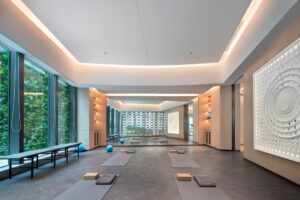
Written by the teaching team at YMB Yoga School in Klungkung, Bali.
Yoga teaching abroad typically involves completing a Yoga Alliance-recognized teacher training program, such as a 200-hour course, in a foreign country. This certification serves as a widely accepted credential, enabling you to seek employment as a yoga instructor globally, enriched by your international training experience. Here at YMB Yoga School, our programs in Klungkung, Bali are specifically structured to provide this strong foundation.
This comprehensive guide will walk you through exactly what it takes to start your career teaching yoga overseas, from the training itself to the practicalities of living and learning in Bali.
Embarking on Your Journey to Yoga Teaching Abroad
The dream of teaching yoga in beautiful locales, immersed in diverse cultures, begins with the right foundation: a comprehensive yoga teacher training (YTT) that prepares you for an international career. Exploring the world while sharing your passion for yoga is a compelling vision for many aspiring instructors. A foundational step towards this goal is undergoing a recognized yoga teacher training. Deciding to pursue your YTT abroad offers unique advantages, combining intensive study with cultural immersion and an introduction to a global yoga community. This guide will walk you through what to expect from a YTT in a foreign country, focusing on how it prepares you for a career in yoga teaching internationally.
What Does a ‘Yoga Teaching Abroad’ Training Entail?
For most aspiring international yoga teachers, this kind of training entails completing a 200-hour Yoga Teacher Training (YTT) program that is recognized by reputable international bodies like Yoga Alliance. This certification is considered the foundational credential to become a yoga instructor globally.
Many schools abroad, including those in Bali, are Registered Yoga Schools (RYS) with Yoga Alliance. This means their 200-hour graduates can apply to register as RYT-200, which is an internationally recognized credential that enhances your professional standing. In fact, Yoga Alliance records show a global system of over 7,000 registered schools and 100,000 registered teachers.
While a 200-hour certificate indicates you have completed the required hours, effective teaching requires practical experience and the ability to confidently lead a class. As one industry resource notes, the certificate does not automatically mean you can hold a room of strangers for 75 minutes. Training abroad often provides a more intensive, concentrated experience than local part-time courses, which can accelerate skill development and build the cultural understanding valuable for international teaching. Choosing a location known for yoga, like Bali, enhances the experience through its spiritual atmosphere and established yoga community.
At-a-Glance: Your Path to Yoga Teaching Abroad with YMB Yoga School
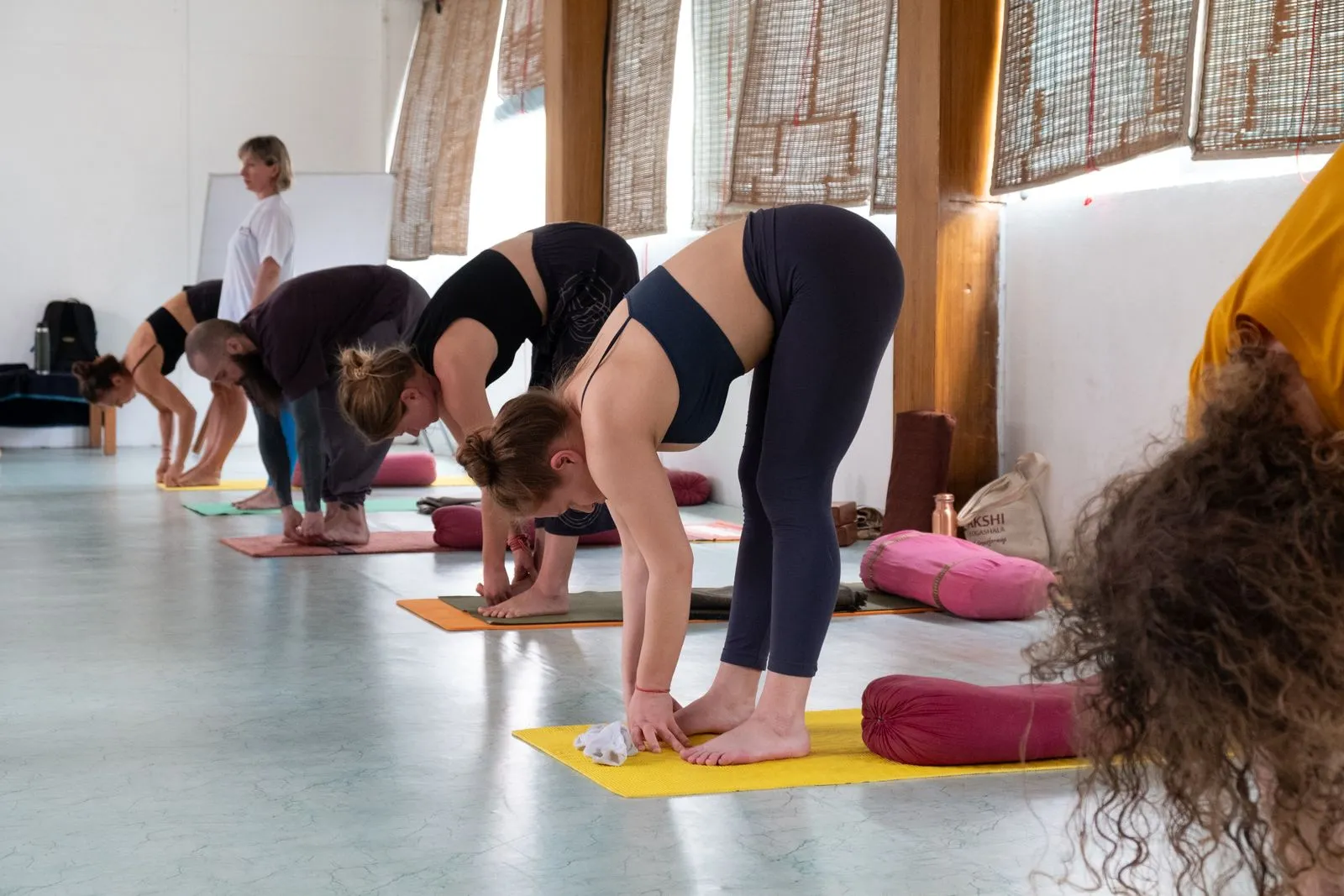
YMB Yoga School in Klungkung, Bali, offers a comprehensive 200-hour Yoga Teacher Training program designed to equip you with the skills and confidence to teach yoga internationally. The details of YMB Yoga School’s 200-hour Yoga Teacher Training provide a clear example of what a residential program involves.
| Feature | Details |
|---|---|
| Price & Room Type | Shared Room: $1,450 (early bird) / $2,000 (regular) Private Room: $1,900 (early bird) / $3,000 (regular) |
| Duration | 23 days |
| Location | Klungkung, Bali, Indonesia |
| Inclusions | Tuition, accommodation, 3 vegetarian meals daily, course books, yoga mats & props, purified water, tea & coffee. |
Ready to Train in Bali?
YMB Yoga School in Klungkung runs monthly intakes for its Yoga Alliance-certified courses: the all-inclusive 200-hour training from $1,450 (23 days) and the 300-hour from $2,400 (28 days). A $380 deposit secures your spot.
What a 200-Hour Yoga Teacher Training Abroad Covers
A 200-hour yoga teacher training program abroad, adhering to international standards, covers a comprehensive curriculum structured across five core categories to ensure you develop a well-rounded teaching foundation.
Techniques and Training
You will deepen your personal practice by learning and refining various yoga postures (asana), breathing techniques (pranayama), and meditation practices. This intensive hands-on experience allows you to understand the subtleties of each technique, crucial for demonstrating and teaching effectively to diverse body types and experience levels globally.
Teaching Methodology for Global Audiences
This module focuses on the art of teaching, including sequencing classes, effective cueing, demonstration skills, observation, and providing constructive feedback. When training abroad, you often learn to adapt your teaching style for students from different cultural backgrounds with varying English proficiency, preparing you for a truly international teaching career. A specific teaching niche can also help you stand out.
Anatomy and Physiology
Understanding the human body’s structure and function is paramount for safe and effective yoga instruction. You will learn about key anatomical systems, common injuries, and how to modify poses to accommodate individual needs. This knowledge is universally applicable, ensuring you can teach safely in any country. It is important to remember that yoga supports well-being but is not a substitute for medical treatment. Always advise students with serious health concerns to consult a doctor.
Yoga Philosophy, Lifestyle, and Ethics
You will explore the rich history and philosophical underpinnings of yoga, including ancient texts like the Yoga Sutras. This segment often explores yogic lifestyle principles, ethical guidelines for teachers, and the concept of seva (service). Training abroad often provides direct exposure to the cultural roots of yoga, enriching your understanding and teaching authenticity.
Practicum and Real-World Experience
A significant part of your training involves practice teaching. You will gain experience leading classes, receiving feedback from lead trainers and peers, and observing experienced teachers. Most 200-hour programs require both a theory exam and a teaching practicum before you receive your certification. This practical application is vital for building confidence and refining your teaching voice, preparing you to lead classes with authority and presence anywhere in the world.
A Day in the Life: Immersive YTT in Bali
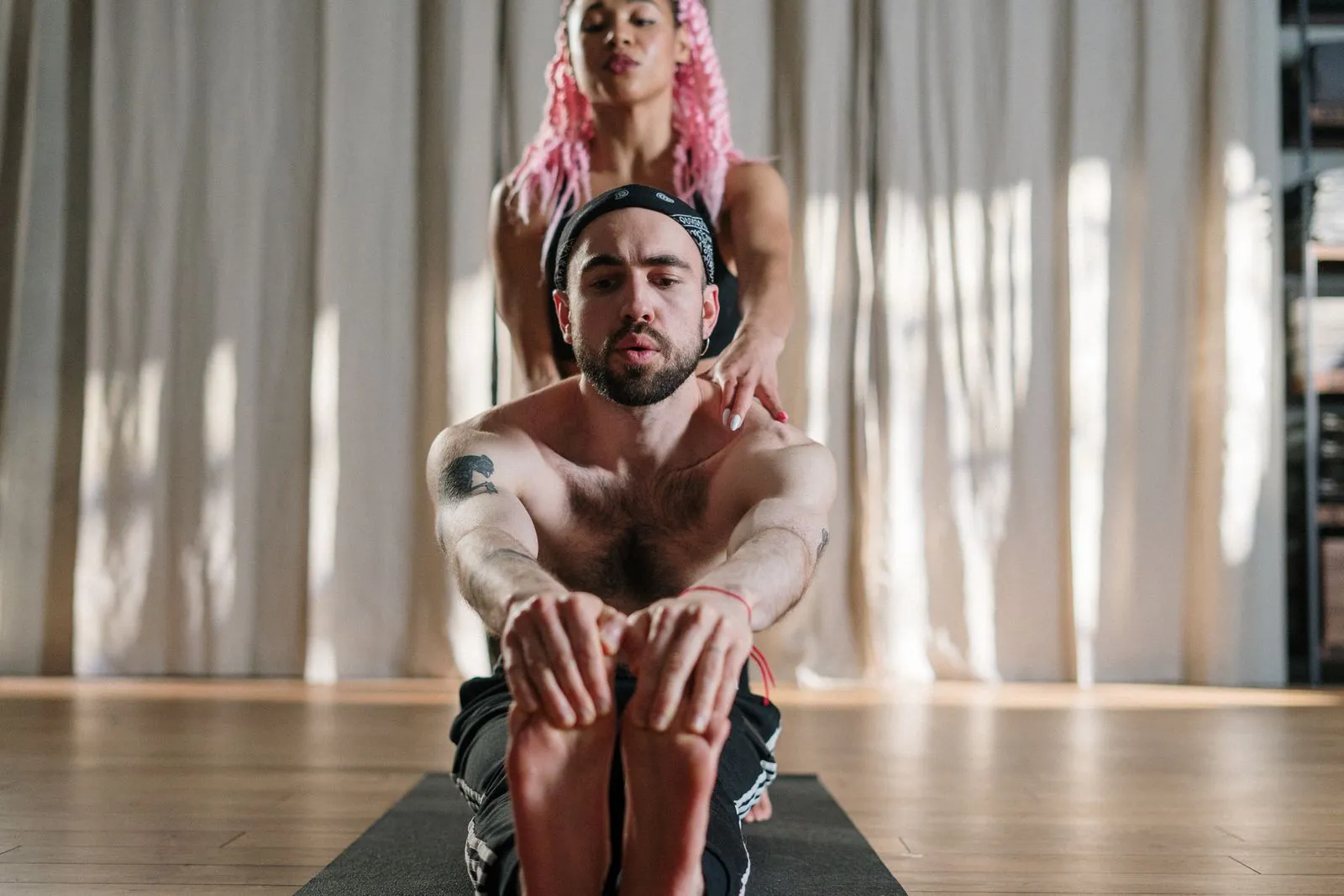
A residential yoga teacher training in Bali typically follows a structured yet balanced daily schedule designed to maximize learning, practice, and personal growth. A typical day at our school looks something like this:
- Early Morning (6:00 AM – 7:00 AM): The day often begins with a quiet period for personal meditation or self-study, taking advantage of the quiet Bali mornings.
- Morning Practice (7:00 AM – 9:00 AM): A foundational Hatha or Vinyasa yoga practice, often led by senior teachers, focusing on asana techniques, pranayama, and alignment principles.
- Breakfast (9:00 AM – 10:00 AM): A nutritious vegetarian breakfast is served, providing energy for the day’s studies and fostering community among participants.
- Theory Session (10:00 AM – 12:00 PM): This block is dedicated to theoretical aspects such as yoga philosophy, anatomy and physiology, or teaching methodology lectures.
- Lunch & Break (12:00 PM – 2:00 PM): A hearty lunch followed by a much-needed break for relaxation, personal reflection, or exploring the immediate surroundings.
- Afternoon Session (2:00 PM – 4:00 PM): Often involves practical workshops on adjustment techniques, advanced asanas, or interactive discussions on teaching ethics and business aspects.
- Teaching Practice (4:00 PM – 6:00 PM): This is a crucial time for students to practice teaching sections of a class to their peers, receiving constructive feedback from trainers.
- Dinner (6:30 PM – 7:30 PM): Another shared vegetarian meal, offering a chance to connect and debrief from the day.
- Evening Program (Optional, 7:30 PM onwards): Some evenings might include satsangs (spiritual gatherings), kirtan (chanting), movie nights, or dedicated study time.
Who is an Immersive YTT Abroad For (and Who It’s Not For)?
A concentrated yoga teacher training abroad is a powerful experience, but it suits specific personalities and goals, while potentially being less ideal for others.
Who It Suits Best
- Aspiring Global Teachers: Individuals who genuinely want to teach yoga internationally and seek a globally recognized certification alongside cultural experience.
- Those Seeking Deep Focus: Students who thrive in an intensive learning environment, away from daily distractions, allowing for complete focus on yoga. An in-person residential format avoids the lower completion rates sometimes seen in online or hybrid programs.
- Travel Enthusiasts: People who enjoy international travel, adapting to new cultures, and exploring diverse environments.
- Individuals Seeking Personal Growth: Those looking for a well-rounded experience that combines physical, mental, and spiritual development in a unique setting.
Who It Might Not Suit
- Those with Limited Time or Flexibility: Individuals who cannot commit to an extended period away from home or prefer a more flexible, self-paced learning schedule may find hybrid models a better fit.
- Budget-Conscious Individuals on a Strict Budget: While some programs are affordable, the added costs of international travel and time away can be significant.
- Those Uncomfortable with Cultural Differences: Individuals who prefer familiar environments and might struggle with language barriers, different customs, or local food.
- Students Seeking Only a Certificate: If the primary goal is just a piece of paper without genuine interest in the intensive learning or teaching path, the program’s intensity might feel overwhelming. A certificate shows you did the hours, but becoming a teacher requires dedication.

Understanding the Costs of a Yoga Teacher Training Abroad
The total investment for a yoga teacher training abroad encompasses more than just tuition; it includes accommodation, meals, travel, and personal expenses. Knowing how much does yoga teacher training cost in total helps you budget effectively.
Tuition and Accommodation
At YMB Yoga School, the 200-hour Yoga Teacher Training (23 days) is priced as follows:
- Shared Room: $1,450 (early bird) / $2,000 (regular)
- Private Room: $1,900 (early bird) / $3,000 (regular)
What’s Included in Your Package
The course fee at our school covers significant aspects of your stay, ensuring a hassle-free experience:
- Course tuition
- Accommodation (shared or private room, based on package)
- Three vegetarian meals a day (gluten-free, vegan on request)
- Yoga mats and props for use during the training
- Comprehensive course books and a notebook
- Purified water, herbal tea, and coffee throughout your stay
Additional Expenses to Budget For
- Flights: International airfare to Bali (Ngurah Rai International Airport, DPS) can vary widely based on your origin and booking time.
- Visa: Depending on your nationality, you may need to apply for a visa in advance or pay for a visa on arrival.
- Travel Insurance: Highly recommended to cover unforeseen circumstances like medical emergencies or trip cancellations.
- Local Transportation: While your training includes accommodation, you might want to explore Klungkung or other parts of Bali during free time.
- Personal Expenses: Budget for souvenirs, snacks, toiletries, personal treatments (like massages), and any excursions.
- Post-YTT Registration: Yoga Alliance registration currently involves a one-time application fee of US$50 and annual dues of US$65, totaling US$115 in the first year.
Getting to Bali and Practical Logistics for Your YTT
Preparing for your teacher training abroad involves understanding the practical logistics of international travel to Bali, ensuring a smooth and enjoyable experience.
Travel to Ngurah Rai International Airport (DPS)
The nearest international airport to our school in Klungkung is Ngurah Rai International Airport (DPS), located near Denpasar. Many international airlines offer direct or connecting flights to DPS from major cities worldwide. Upon arrival, it’s advisable to arrange airport transfer with your school or pre-book a reliable taxi to your accommodation in Klungkung.
Visa and Entry Requirements for Indonesia
Visa policies for Indonesia vary based on your nationality. Many countries are eligible for a Visa-on-Arrival (VoA) for tourism purposes, valid for 30 days and extendable once. Some nationalities may be visa-exempt for short stays, while others might need to apply for a visa in advance. Always check the latest visa regulations with the Indonesian Embassy in your country well before your travel date, as policies can change. Ensure your passport has at least six months of validity remaining from your date of entry.
What to Pack for Your Bali YTT
- Clothing: Lightweight, breathable clothing for a tropical climate. Include yoga attire, swimwear, and modest clothing for temple visits. White clothing is required for the opening and closing ceremonies.
- Essentials: Sunscreen, insect repellent, a hat, sunglasses, a reusable water bottle, a basic first-aid kit, and personal medications.
- Footwear: Comfortable sandals or flip-flops are usually sufficient.
- Electronics: Universal travel adapter and a power bank.
- Personal Items: A journal, pen, and any specific comfort items that will help you settle in.
Cultural Etiquette in Bali
- Dress Modestly: Especially when visiting temples or sacred sites, ensure your shoulders and knees are covered.
- Use Your Right Hand: When giving or receiving items, or eating, as the left hand is sometimes considered unclean.
- Respect Head and Feet: Do not touch people’s heads. Avoid pointing your feet at people or religious objects.
- Be Mindful of Offerings: You will see small offerings (canang sari) on the ground; step around them carefully.
- Speak Softly: Maintain a respectful tone, especially in public or sacred spaces.
- Learn Basic Phrases: ‘Terima kasih’ (thank you) and ‘Om Swastiastu’ (Balinese greeting) can go a long way.
Your Global Yoga Journey Starts in Bali
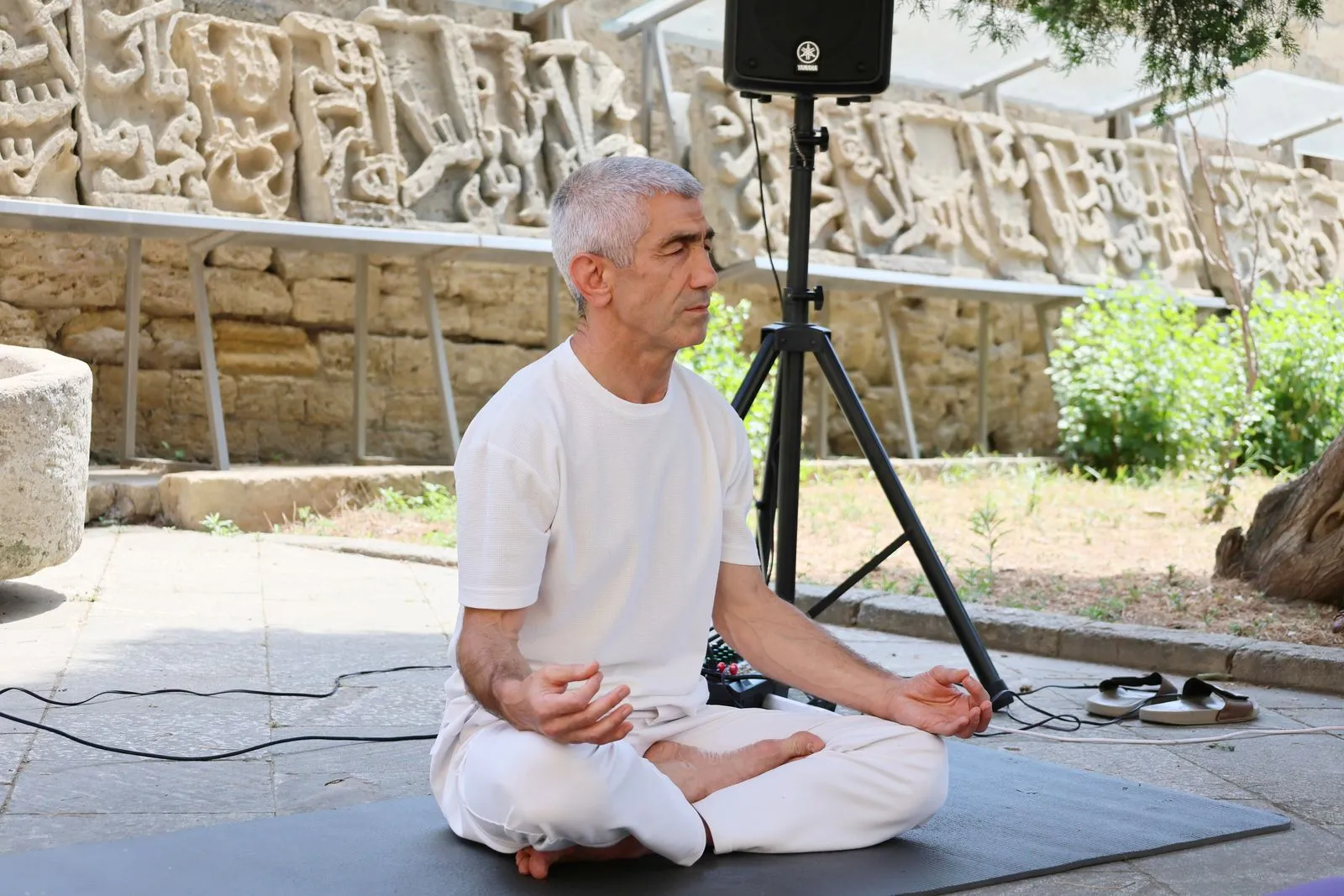
Choosing to complete your yoga teacher training overseas is a significant first step toward a global teaching career. The skills, confidence, and cultural awareness gained from a residential program in a place like Bali are invaluable. You leave not only with a certificate but with a deeper understanding of yoga and a network of friends from around the world.
For a full overview of what a program in this unique location entails, see our comprehensive guide to yoga teacher training in Bali.
Frequently Asked Questions
What certification do I need to teach yoga abroad?
The most widely recognized certification is a 200-hour Yoga Teacher Training (YTT) from a Yoga Alliance Registered Yoga School (RYS). Graduates can then register as an RYT-200 with Yoga Alliance, which is an internationally recognized credential. While not a legal requirement everywhere, this credential significantly enhances your credibility and job prospects.
Is a 200-hour YTT enough to teach internationally?
Yes, a 200-hour YTT is the foundational level for teaching yoga professionally worldwide. It equips you with the essential knowledge in asana, philosophy, anatomy, and teaching methodology. However, continuous learning and practical teaching experience are crucial for long-term growth in an international career.
What are the benefits of doing yoga teacher training abroad?
Completing your training abroad offers a focused learning environment away from daily distractions. It provides unique cultural exposure, connects you with a global network of peers, and challenges you to adapt to new environments. This combination of intensive training and travel creates a well-rounded and memorable experience.
How do I find yoga teaching jobs overseas after certification?
You can use online yoga-specific job boards, expat job sites, and social media groups. Contacting yoga studios, retreat centers, and resorts in your target destinations directly is also effective. Don’t underestimate the power of networking with connections made during your YTT.
Do I need to speak another language to teach yoga abroad?
While beneficial, it is not always a strict requirement. English is often the lingua franca in international yoga communities and tourist areas. Being clear and articulate in English, and learning to cue effectively for non-native English speakers, is often more important for teaching in diverse settings.