What Yoga Alliance, studios and 8 schools actually say about 100 vs 200 hours
If you are choosing between a 100-hour and a 200-hour course, you are really asking one question: will this certificate let me teach a class and get hired to do it. This article checks that question against Yoga Alliance’s own standards, the public terms of several schools, and the pricing of eight 100- and 200-hour programs reviewed on 3 November 2026. We leave YMB’s own prices out of every market average so the comparison stays honest.
You will get a direct answer, a side-by-side table of what 100 and 200 hours actually cover, the narrow cases where a 100-hour certificate does make sense, and what employers and insurers ask for in practice.
The short answer
No — a 100-hour yoga teacher training is not a recognized entry qualification to teach general classes. Yoga Alliance’s minimum standard for the RYT-200 credential is 200 hours, and most studios, gyms and insurers ask for that baseline. A 100-hour course can qualify you to teach a specific named specialization or serve as a personal-practice immersion, but it does not substitute for the 200-hour foundation.
Is 100-hour yoga teacher training enough to teach?
No. A 200-hour course is the recognized entry qualification for teaching yoga, and a 100-hour course is not a recognized entry qualification on its own. That distinction comes directly from how training providers describe the two levels, not from marketing language.
- 200 hours: the recognized entry standard for teaching and the minimum Yoga Alliance accepts for the RYT-200 credential.
- 100 hours: not a standalone license to teach general mixed-style classes.
- 100 hours: fine as a specialization add-on (when the course explicitly trains teaching) or as personal-practice deepening.
A 100-hour certificate is better understood as a serious immersion than as a teaching credential, and most studios advertising for teachers ask for 200 hours as a baseline before they will even review an application.
Why doesn’t Yoga Alliance recognize 100 hours as a teaching credential?
Yoga Alliance built its system around a single 200-hour threshold, and it does not offer a general RYT-100 registration at all. Shorter courses record that specific training happened — they do not stack into a teaching license.
Yoga Alliance requires completion of one 200-hour program through a Registered Yoga School (RYS 200) for the RYT-200 credential, and separate shorter courses cannot be combined to create one. A 100-hour specialist certificate does not create an RYT credential, which remains the recognized mark of a qualified yoga teacher.
| Credential path | Hours required | Yoga Alliance status |
|---|---|---|
| RYT-200 | 200 hours, one RYS 200 program | Recognized entry credential |
| 100-hour specialist certificate | 100 hours, named topic | No RYT-100 exists; records specific training only |
| RYT-500 | 500 training hours + 100 teaching hours | Recognized advanced credential |
| RCYT (children’s yoga) | Existing RYT-200 + 95-hour specialty + 30 teaching hours | Recognized specialty add-on |
Based on Yoga Alliance’s published credential structure as described by training providers, checked 3 November 2026.
YMB’s own 100-hour page states plainly that the course is an introduction and does not lead to RYT registration; graduates who want the credential add a 200-hour course afterward.
YMB Yoga School at a glance
We run yoga teacher trainings in Klungkung, east Bali, so it is only fair to show you where we sit before you read on. These are our live prices and next start dates, read from our own course pages on 3 November 2026. They are not included in any average on this page.
| Course | Length | Shared room | Private room | Per day (shared) | Next start |
|---|---|---|---|---|---|
| 100-hour training | 10 days | US$999regular US$1,400 | US$1,250regular US$1,800 | About US$100 | 1 – 10 December 20262 slots left |
| 200-hour training | 21 days | US$1,450regular US$2,199 | US$1,900regular US$3,000 | About US$69 | 1 – 21 December 20262 slots left |
| 300-hour training | 28 days | US$2,400regular US$3,450 | US$2,500regular US$3,600 | About US$86 | 1 – 28 December 20262 slots left |
Every package includes your room (shared or private) for the whole course, three vegetarian meals a day, herbal teas and juices, a one-way transfer from Denpasar airport (DPS), the course manual and materials, a 1-hour Balinese massage and cultural excursions. Not included: flights, visa, laundry and personal expenses.
When is a 100-hour course actually the right choice?

A 100-hour course fits best when teaching is not the immediate goal. It suits someone deepening a personal practice, testing whether the teaching path is right for them, or working within a narrow time window.
- Builds asana, philosophy and breath foundations
- Useful before committing to 200 hours
- Lower cost and time than a full 200-hour program
- Helps decide if teaching is the right direction
- 100-hour courses often run 10-11 days
- Fits around work or family constraints
- Only within the stated topic
- Still not a general teaching license
A specialist certificate can support teaching within the specific topic taught, subject to competence, local rules, insurance and employer requirements — but it does not equal broad teacher preparation. Read YMB’s 100-hour Yoga Teacher Training page for what the 10-day format covers.
100-hour vs 200-hour YTT: what’s the real difference?
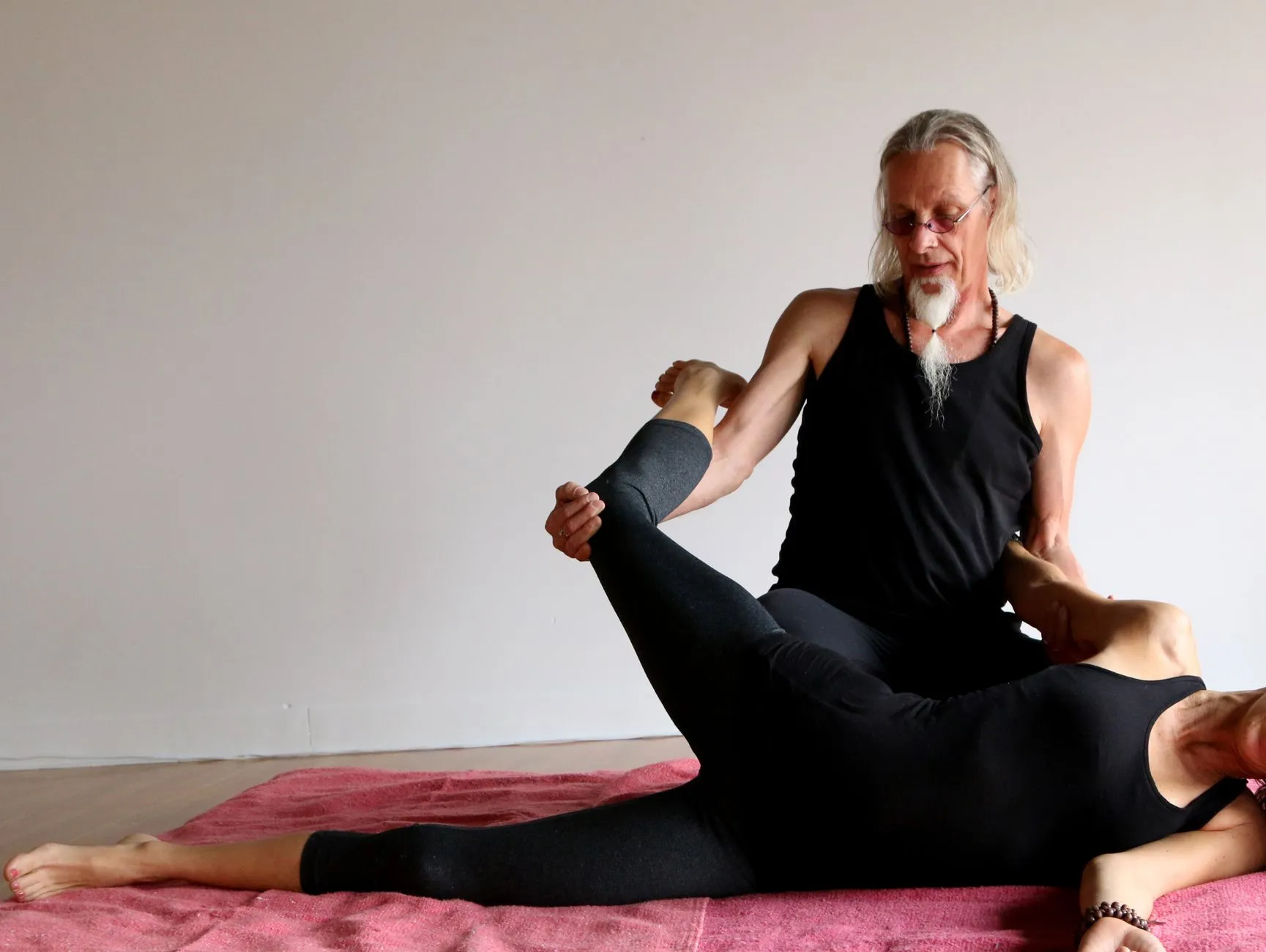
The core difference is scope, not just duration. A 200-hour course covers the anatomy, ethics, philosophy, sequencing and teaching practicum that a 100-hour foundation does not have time to complete.
| Feature | 100-hour | 200-hour |
|---|---|---|
| Typical length | 10–11 days | 20–22 days |
| One school’s course-only tuition | US$440 | US$700 |
| Yoga Alliance credential | None (RYT-100 does not exist) | RYT-200 eligible |
| Scope | Foundation or named specialization | Full teaching curriculum and practicum |
| Can combine with other short courses for RYT-200? | No | Not applicable — must be one RYS 200 program |
Course-only tuition figures from one school’s published 2026 pricing; durations are general market patterns.
The 200-hour is the real starting line for teaching, and it is the yoga teacher training certification recognized internationally. After completing it, a graduate can register as an RYT-200, which most studios, gyms, wellness centers and retreats worldwide look for.
| Dates | Length | Shared room | Private room | Availability |
|---|---|---|---|---|
| 1 – 21 December 2026 | 21 days | US$1,450 | US$1,900 | 2 places left |
| 1 – 21 January 2027 | 21 days | US$1,450 | US$1,900 | 3 places left |
| 1 – 21 February 2027 | 21 days | US$1,450 | US$1,900 | 3 places left |
| 1 – 21 March 2027 | 21 days | US$1,450 | US$1,900 | 2 places left |
| 1 – 21 April 2027 | 21 days | US$1,450 | US$1,900 | 4 places left |
| 1 – 21 May 2027 | 21 days | US$1,450 | US$1,900 | 3 places left |
Early-bird prices; regular prices are US$2,199 (shared) and US$3,000 (private). Places shown are those listed on our course page today.
Can a 100-hour certificate get you hired?
Rarely, on its own. Most studios advertise for teachers with 200 hours as a baseline, and a standalone 100-hour certificate rarely satisfies that kind of job listing.
- A standalone 100-hour certificate rarely satisfies a studio job listing that specifies 200-hour qualified teachers.
- Most insurers expect the 200-hour baseline before covering a teacher for general classes.
If your goal is to teach professionally in studios, gyms or retreats, the 200-hour program remains the one employers ask for before hiring. Our guide to 200-hour certification covers what the registration process involves after graduation.
YMB’s 200-hour graduates can apply for RYT-200 with Yoga Alliance (registration fees paid separately by the student); the 100-hour certificate does not carry that eligibility.
What about specialist 100-hour courses (prenatal, Ashtanga, Kundalini)?
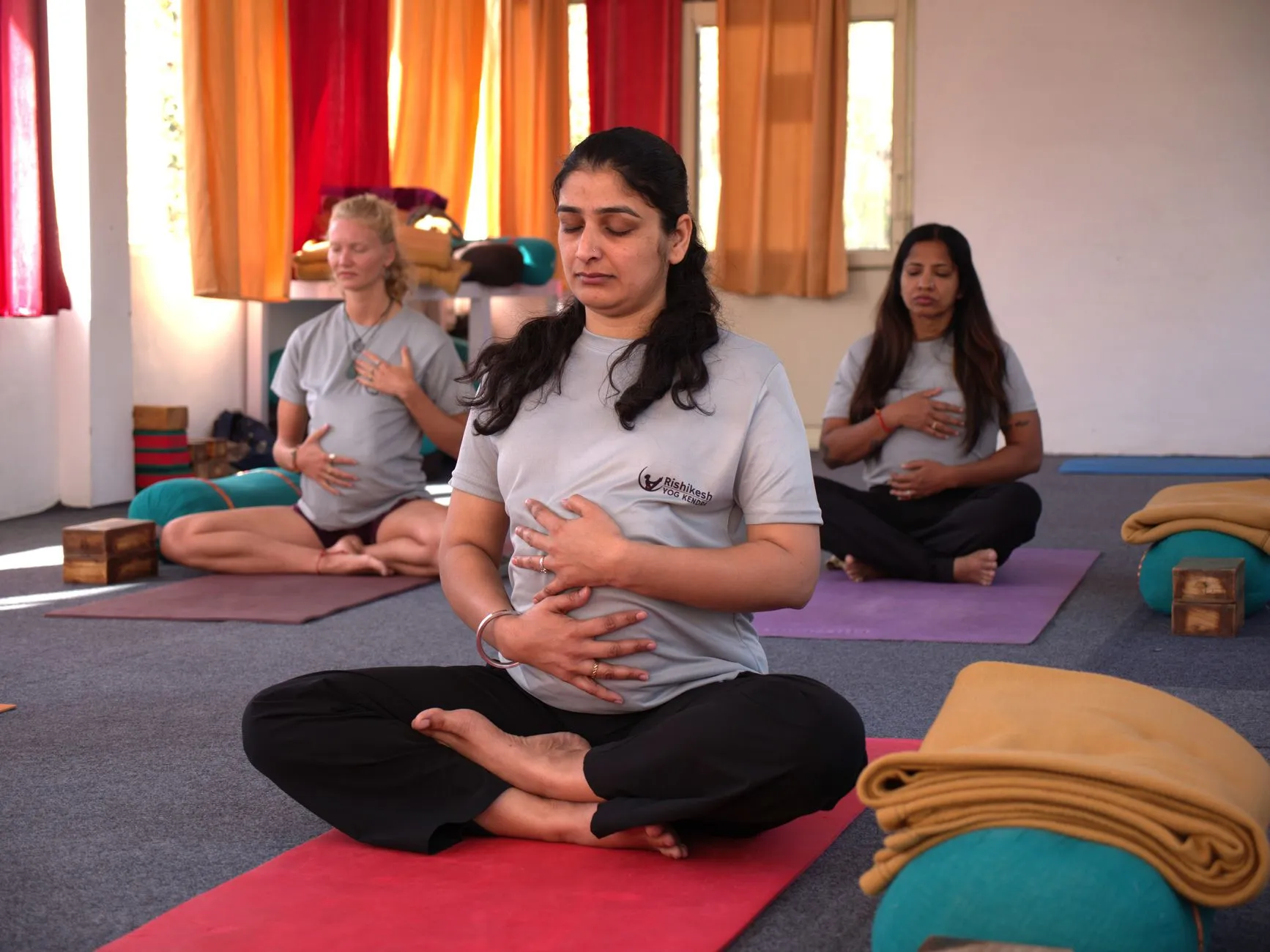
Some modalities genuinely benefit from a full 100 hours rather than a shorter add-on. The deciding factor is the size of the syllabus and the vulnerability of the student population, not a fixed Yoga Alliance rule.
| Specialization | Why 100h helps | Key risk |
|---|---|---|
| Ashtanga Vinyasa / arm balancing | Large sequence, physical load, needs repeated observed practice | Still not a general 200-hour teaching foundation |
| Pre/postnatal yoga | Changing physiology, warning signs, referral responsibilities | Higher duty of care; course must explicitly train teaching |
| Kundalini / chakra / kriya | Some schools offer 40–100h versions | No single worldwide Kundalini qualification exists; KRI’s own Level One is 220 hours |
Based on providers’ published course-design rationale, checked 3 November 2026.
A 100-hour course is not automatically safer or better than a 50-hour one — a well-designed 50-hour course with real assessment and feedback can outperform a passive 100-hour course. Yoga Alliance does not publish a universal rule fixing every specialist modality at exactly 50 or 100 hours, and there is no international authority that standardized 100-, 200-, 300- and 500-hour Kundalini certifications. Pre and postnatal work deserves extra caution because the teacher works with changing physiology and students who may carry medical risk factors.
Common misconceptions about 100-hour training
The biggest misconception is that more hours always means more safety, or that a 100-hour certificate carries the RYT title. Neither is accurate.
- "100 hours is automatically safer than 50 hours." Course design and assessment quality matter more than raw hours.
- "A 100-hour certificate makes me an RYT." Yoga Alliance does not offer a general RYT-100; the title does not exist.
- "I can combine several short courses into an RYT-200." Yoga Alliance requires one 200-hour program through a single Registered Yoga School — shorter courses cannot be stacked together.
A 50-hour or 100-hour certificate may prepare someone to teach a specific stated method, but it does not qualify them to teach general mixed-style yoga classes, and it does not substitute for the RYT-200 pathway.
What should you actually do in practice?
Start by being honest about your goal, then check what the people who would hire or insure you actually require.
- Assess your goal: decide whether you want to teach professionally, deepen your own practice, or test the path before committing.
- Check employer and insurer requirements: most studios and insurers ask for 200 hours as a baseline before they will hire or cover you.
- Compare cost per supervised teaching hour: the most useful comparison is not tuition divided by total hours, but tuition against real teaching practice and feedback received.
- Choose accordingly: pick a 100-hour course only if your goal matches one of the valid use-cases above; choose 200 hours if teaching is the aim.
YMB prices its 200-hour course at about US$69 a day in a shared room at the early-bird rate (US$1,450 for 21 days), which works out cheaper per day than its own 100-hour course at about US$100 a day (US$999 for 10 days).
If teaching income is part of your plan, our yoga instructor salary guide is a useful next read before you commit to either course.
YMB Yoga School vs the market average
| Metric | Market average (YMB excluded) | YMB Yoga School |
|---|---|---|
| 100-hour course-only tuition | US$440 (one school, 11 days) | US$999 shared room, 10 days, early bird (includes accommodation and meals) |
| 200-hour course-only tuition | US$700 (one school, 22 days) | US$1,450 shared room, 21 days, early bird (includes accommodation and meals) |
| Leads to RYT-200? | Varies by school | Yes, for the 200-hour course only |
Note on comparability
YMB’s prices are left out of every average above because YMB’s figures include a shared room and three meals a day, while the market tuition figures cited are course-only. They are shown side by side for reference, not averaged together.
Frequently asked questions
Is a 100-hour yoga teacher training worth it?
It is worth it for deepening your personal practice or testing your commitment to the teaching path. It is not worth it if your goal is to be hired as a general studio teacher, since it does not lead to an RYT-200.
Can I teach yoga with only a 100-hour certificate?
Only within a specifically named specialization, and only if the course explicitly trained teaching, local rules permit it, and you stay within that topic. You cannot use it to teach general mixed-style classes in most studios.
What’s the real difference between 100-hour and 200-hour YTT?
Two hundred hours is the Yoga Alliance minimum for the RYT-200 credential and the baseline most studios and insurers require. A 100-hour course is a foundation or specialization only, roughly half the length and typically priced lower, such as US$440 versus US$700 for the same school’s two programs.
How long does a 200-hour yoga teacher training take?
Market examples run 20–22 days intensive, and YMB’s own 200-hour course runs 21 days (20 nights). Our 500-hour yoga teacher training overview explains how the 200-hour foundation fits into longer paths like RYT-500.
Can you teach yoga after a 50-hour training?
A well-designed 50-hour course with real assessment and feedback can be more effective than a passive 100-hour course, but neither one replaces the 200-hour standard for general teaching. For more background on how registration levels compare, see our key insights on yoga certifications.
How we researched this guide
- Sources: 10 pages read on 3 November 2026, including official and expert sources. Every fact we kept appears word-for-word on its source page.
- Our experience: course details, dates and prices are read live from the YMB Yoga School website, where we teach yoga teacher trainings in Klungkung, Bali.
- Updates: we re-check this guide every 6 months.
Sources we checked (9 guides and official pages)
- 50-Hour vs 100-Hour Yoga Training: Which Is Enough to Teach? anandamyogaschool.com
- 100 Hour vs 200 Hour Yoga Teacher Training | Alpesh Yoga alpeshyoga.com
- 100-Hour vs 200-Hour YTT: Which Is Right for You? lokayogaschool.com
- 100 vs 200 vs 300 Hour YTT: Which Is Right for You? | Bodhidham bodhidham.com
- RYT 200 vs YACEP: Can 50-Hour Training Qualify You to Teach? anandamyogaschool.com
- Hatha vs Ashtanga Yoga Teacher Training: Cost & Curriculum pankajyogpeeth.com
- Best 300-hour online yoga teacher training (2026): 6 programs compared yogitimes.com
- Kundalini Yoga Teacher Training: 10 Best Essential Facts 2026 inteyoga.org
- How to Become a Kids Yoga Teacher – jogayogatraining.com jogayogatraining.com
Cite this page
YMB Yoga School (2026). Is a 100-Hour Yoga Teacher Training Enough to Teach? What Yoga Alliance, studios and 8 schools actually say about 100 vs 200 hours Checked 3 November 2026. https://ymbyoga.com/is-100-hour-yoga-teacher-training-enough/
You are welcome to quote these figures with a link to this page.