Introduction
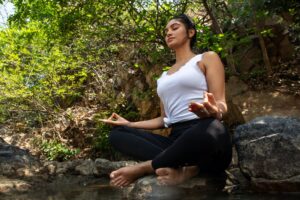
Bali has quickly become a hotspot for aspiring Yoga Instructor Course Bali. As the demand for yoga teacher training courses surges, many students find themselves asking: what are the best options available to achieve their teaching dreams in this tropical paradise?
Bali not only offers a scenic backdrop for learning but is also home to various reputable schools dedicated to yoga instruction. Prospective trainees can benefit significantly from student reviews when selecting the right program, ensuring they choose a course that meets their needs and expectations.
Choosing a yoga instructor course in Bali means immersing yourself in an enriching training experience. Courses typically provide certification in popular styles like Hatha and Vinyasa, all while being surrounded by the island’s serene landscapes. This unique environment enhances the learning process, making Bali a leading choice for those who aspire to teach yoga 1, 2.
Key Takeaways
Bali stands out as a premier destination for those seeking to become certified yoga instructors. The allure of its serene environment and rich culture makes it an ideal setting for professional development in yoga.
Quick Insights
- Top Destination for Yoga Instructor Courses
Bali is renowned globally for its yoga teacher training programs. Many schools offer comprehensive courses that cater to various styles of yoga, attracting students from around the world. - Variety of Yoga Styles
In Bali, prospective instructors can explore a range of yoga styles, including Hatha and Vinyasa. This diversity allows trainees to find their unique voice and specialty within the yoga community, enhancing their teaching skills. - Enhanced Employment Opportunities
Completing a yoga instructor certification in Bali significantly boosts employment prospects. Graduates are often recognized internationally, providing them with opportunities to teach in various countries and settings 1, 2. - Personal Growth and Community Building
Beyond the professional benefits, participating in a yoga instructor course fosters personal growth and lays the groundwork for a supportive community. Many find lifelong friendships and a sense of belonging that extends beyond the training itself 3.
Overview of Yoga Teacher Training in Bali
Bali is renowned not just for its scenic beauty but also as a significant hub for yoga teacher training. This reputation stems from its historical and cultural connections with yoga that have evolved over years.
Origins and Evolution
Historically, yoga in Bali began as a spiritual practice tied closely to the island’s deeply rooted Hindu culture. Over time, this practice gained global recognition, attracting practitioners and teachers from around the world. Bali gradually evolved into a center for yoga instructor training, owing largely to the island’s serene environment and the establishment of numerous reputable yoga schools. This transformation was fueled by the influx of tourists seeking holistic experiences and the rise of wellness tourism, which highlighted Bali as a destination for yoga enthusiasts and future instructors alike.
Program Offerings
Bali offers a vast array of yoga instructor course programs tailored to different styles and levels of experience. Some of the most popular programs include:
- 200-Hour Teacher Training: This is an internationally recognized certification designed for beginners or those new to teaching.
- Advanced Training: Programs extending 300 hours or more, aimed at those looking to deepen their yogic knowledge and teaching competencies.
- Specialized Training: Courses that focus on specific styles, such as Vinyasa, Hatha, Ashtanga, and Yin Yoga.
Reputable schools like YMB Yoga School are pivotal in providing these courses, contributing to the vibrant yoga community on the island. They emphasize a blend of traditional teachings and modern methodology to ensure comprehensive education. Notable institutions include:
- Sampoorna Yoga
- House of OM
- Ulu Yoga
The various offerings cater to a wide range of preferences and goals, making Bali a prime destination for aspiring yoga teachers from around the globe.
Review Analysis
Overall feedback from students reveals a mix of positive and critical perspectives regarding their experiences at YMB Yoga School in Bali.
Positive Feedback
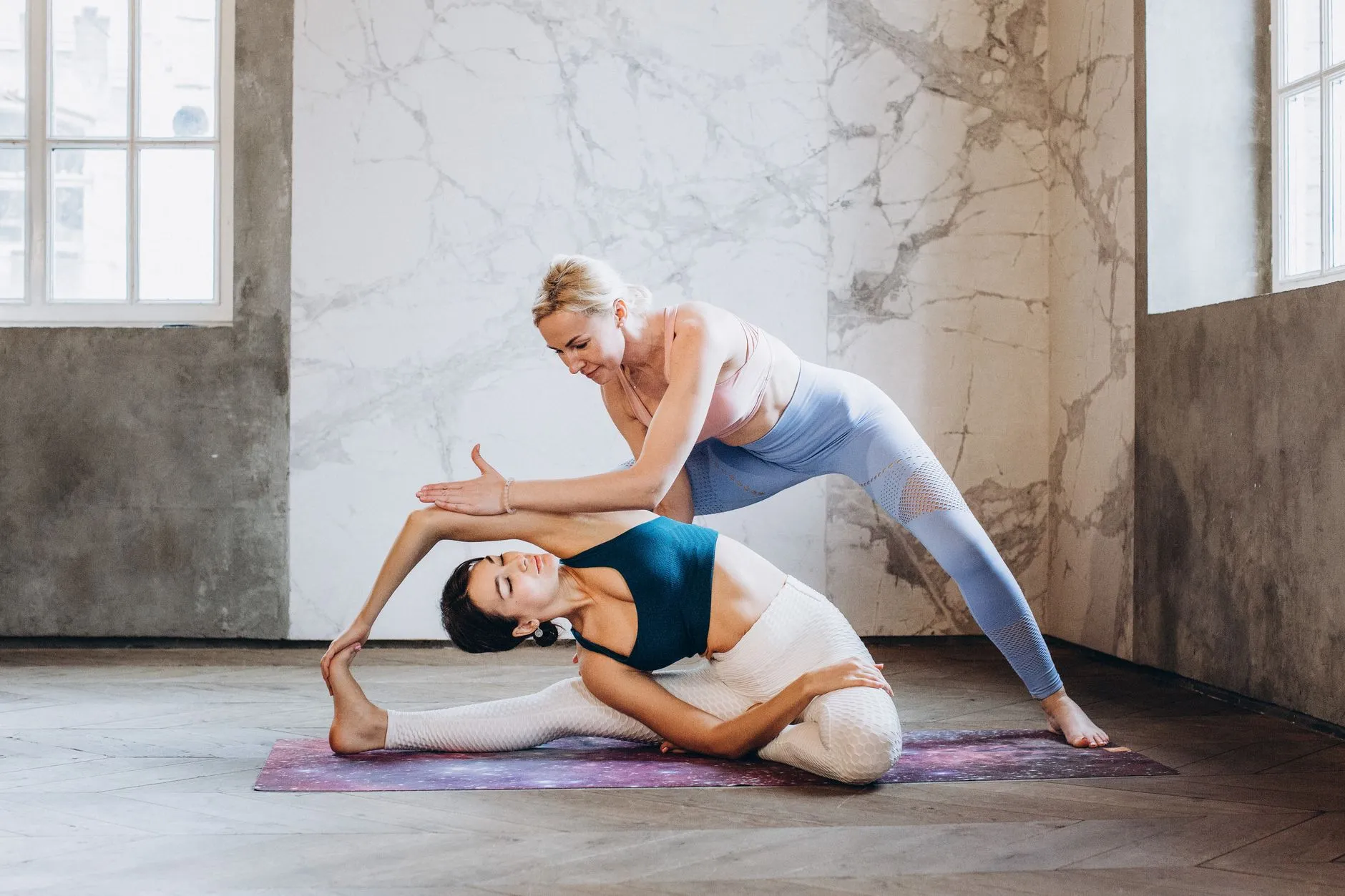
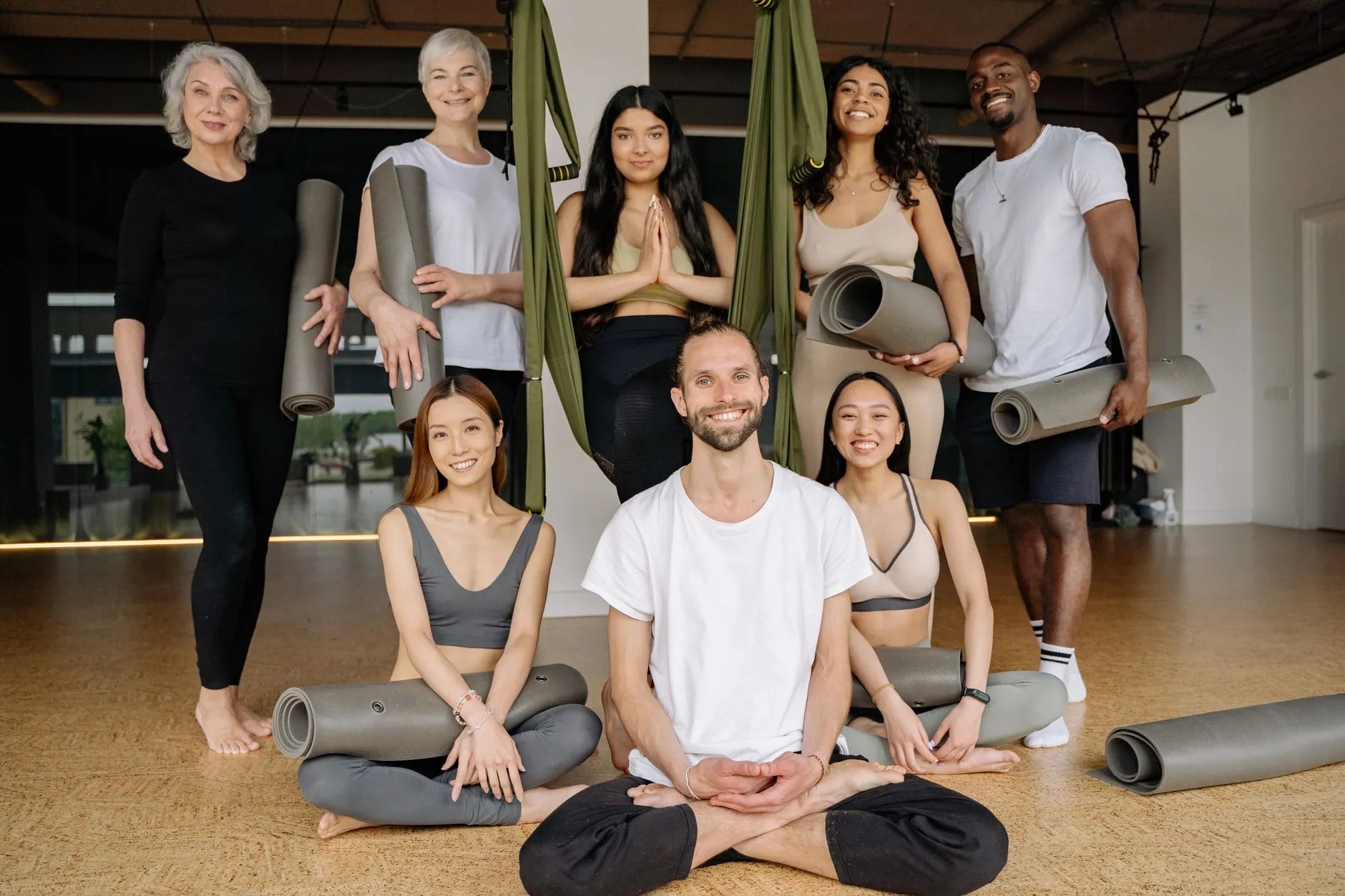
Many reviews highlight the quality of instructors and the immersive experiences offered at the school. Students appreciate the knowledge, expertise, and approachability of the teachers, often mentioning that their guidance significantly enhanced their learning journey. The community vibes at YMB Yoga School are frequently praised, as many graduates feel a sense of belonging and support among peers.
Recent testimonials from graduates illustrate these themes well. For instance, one graduate emphasized that the training not only developed their yoga skills but also fostered lasting friendships and a supportive environment that felt like home. This is a sentiment echoed by numerous alumni, indicating a strong community aspect integral to the training experience.
Challenges and Criticisms
While many students report positive experiences, some challenges and criticisms also emerge. A common complaint centers around the costs associated with the courses, with some students finding them prohibitively expensive compared to other options. Additionally, concerns regarding the course structure and accommodation setups have been noted. Some learners found certain aspects of the curriculum lacking or felt that accommodations did not meet expectations based on initial descriptions.
It is imperative to weigh these critiques against the backdrop of the overwhelmingly positive feedback. While complaints about pricing and logistics exist, they often do not detract significantly from the perceived quality of instruction and community support that YMB Yoga School offers. Understanding these mixed perspectives can provide a balanced view for prospective students considering their options at the institution.
Choosing the Right Yoga Instructor Course
What is a Yoga Instructor Course?
A yoga instructor course is a structured program that trains individuals to become proficient yoga teachers. Typically, these courses cover various aspects of yoga teaching, including postures, philosophy, anatomy, and teaching methods. Many programs are available in different formats, such as online, in-person, or hybrid, allowing for flexibility in scheduling. The duration of these courses can vary, but they usually range from a few weeks to several months, depending on the level of certification sought.
Factors to Consider
When selecting a yoga instructor course, there are several important factors to take into account:
- Accreditation and standards for certification: Ensure that the course you choose is accredited by organizations like Yoga Alliance, which sets standards for yoga teacher training programs. Certification from an accredited program can enhance your credibility and job prospects as a yoga teacher.
- Training hours and format options: Consider whether you want to enroll in a full-time or part-time course. Full-time courses may offer intensive experiences, while part-time formats provide more flexibility for those balancing work or personal commitments.
- Location and teaching style offered: The location of the training can significantly influence your experience. For instance, studying at a destination like Bali can provide a unique environment conducive to personal growth and learning. Additionally, different schools may have distinct teaching styles, which may align better with your personal philosophy and goals in yoga practice. Choosing a course that resonates with your teaching style is essential for your development as an instructor 1, 2, 3, 4.
The YMB Yoga School Curriculum
Overview
YMB Yoga School has developed a comprehensive curriculum aimed at nurturing both the physical and spiritual aspects of yoga. Founded in Bali, the school integrates traditional teachings with contemporary practices, catering to a diverse group of students seeking a deeper connection to yoga. Their mission is to empower individuals through yoga, promoting self-awareness and holistic health. The vision aligns with creating a supportive community where students can thrive both personally and professionally in their yoga practice.
Core Subjects in the Curriculum
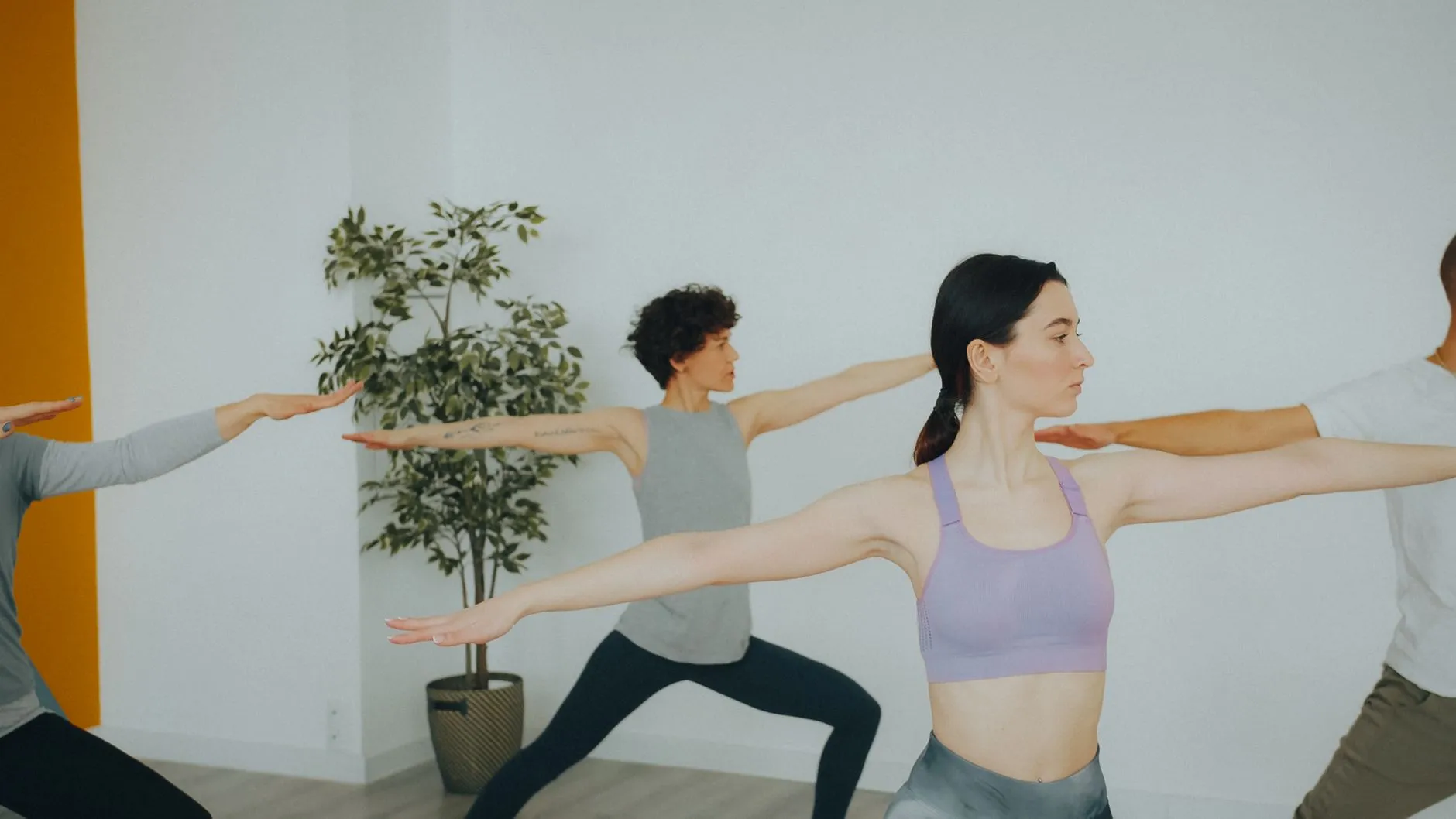
The curriculum at YMB Yoga School is structured around vital subjects that form the backbone of yoga education:
- Asana Practice and Techniques: This foundational component emphasizes physical postures, focusing on alignment and health benefits. The practical sessions allow students to develop their practice and understanding of various asanas.
- Pranayama and Meditation: These practices aim to enhance the mind-body connection. Students learn about breath control and various meditation techniques that foster calmness and clarity.
- Philosophy and Ethics of Yoga: Integral to a well-rounded yoga education, this subject explores the philosophical roots of yoga, ethical responsibilities, and how these principles apply to daily life and teaching.
Elective Courses Offered
YMB Yoga School also provides a diverse array of elective courses, allowing students to tailor their learning experience:
- Variety of Electives Available: Students can choose options that align with their interests such as restorative yoga, yoga for kids, and specialized techniques.
- Specific Skills and Knowledge Students Can Gain: Through these electives, participants can acquire unique skills, enhancing their teaching capabilities and personal practice, preparing them for various settings and clientele in the yoga community.
This multifaceted approach to yoga education ensures that students at YMB Yoga School not only learn techniques but also embody the philosophy of yoga, equipping them for a successful career or personal journey in the practice. For further details, potential students can explore YMB Yoga School’s offerings and see how these courses integrate into their professional development.
Understanding Certification Requirements
To become a certified yoga teacher, it’s essential to understand specific certification requirements, including age and educational prerequisites, registration with Yoga Alliance, and details about yoga teacher training programs.
Minimum Age and Education
To enroll in teacher training programs, candidates typically must be at least 18 years old. This age restriction ensures that students have the maturity and capability to engage fully in the training process. Additionally, a high school diploma or equivalent educational background is generally required. This ensures that all participants have a foundational level of education to draw from as they embark on their yoga teaching journey.
Yoga Alliance Registration
While not mandatory, registering with Yoga Alliance can be beneficial for yoga teachers. Achieving their preferred standards can help instructors stand out in a competitive market. Yoga Alliance offers a globally recognized certification, which can enhance a teacher’s credibility and marketability. The benefits of being affiliated include access to resources, networking opportunities, and continued education, all of which can aid in building a successful yoga teaching career.
Yoga Teacher Training Programs
The structure of yoga teacher training typically consists of programs ranging from 200 to 300 hours. These programs are designed to provide comprehensive training in various aspects of yoga, structured to meet educational standards. Key components of the curriculum often include asana practice, anatomy, physiology, and teaching methodology. This foundational knowledge is crucial for anyone looking to confidently teach yoga classes and promote a safe and effective practice.
For detailed information about these aspects, interested candidates can refer to various resources such as Yogmantra Bali
Common Yoga Instructor Course FAQs
What are the benefits of becoming a yoga instructor?
Becoming a yoga instructor offers valuable career opportunities in studios and wellness centers, allowing individuals to share their passion for yoga with others. Additionally, this path fosters personal growth through deepening one’s own practice and promotes community engagement by connecting with like-minded individuals. The transformational journey can enhance both physical and mental well-being.
How long is a typical yoga teacher training course?
A typical yoga teacher training course generally lasts for 200, 300, or 500 hours, depending on the type of program. Most foundational training courses provide a comprehensive overview within the 200-hour structure, which serves as the standard certification requirement in the industry. More advanced training, such as 300 or 500 hours, builds on this foundation to prepare instructors for specialized teaching.
What should I expect during a yoga training program?
During a yoga training program, participants can expect rigorous and in-depth training in yoga philosophy, techniques, and teaching methods. This includes workshops on asanas (postures), pranayama (breath control), meditation, and anatomy. Comprehensive programs also focus on how to effectively communicate and instruct students, essential for fostering a supportive learning environment.
How does certification affect job prospects?
Certification significantly enhances job prospects within the wellness industry. Being a certified yoga instructor opens doors to various employment opportunities, allowing instructors to teach in diverse settings, such as studios, wellness retreats, or private classes. Potential employers often prioritize certified instructors, recognizing their commitment to maintaining professional standards in the field.
What yoga styles are typically taught in Bali?
In Bali, yoga instructor training courses often cover a variety of styles to accommodate diverse interests and teaching methods. Commonly taught styles include Hatha, Vinyasa, Ashtanga, Yin, and Kundalini. These styles are well represented in programs, providing instructors with a broad skill set to cater to different student needs and preferences.
Comparative Analysis of Yoga Instructor Courses
Criteria for Comparison
When evaluating yoga instructor courses, several criteria should be considered to ensure a well-informed choice. The most vital elements include:
- Accreditation: Understanding whether a program is recognized by a reputable body, such as Yoga Alliance, can affect career opportunities post-certification. Accreditation assures that the course meets industry standards.
- Course Length: Different programs offer varying durations, commonly around 200 hours. Selecting a course length that fits your schedule and learning preferences is crucial for effective learning.
- Cost: The financial investment required can vary significantly among courses. It’s essential to consider tuition fees, materials, and potential additional costs.
- Location Options: Many yoga teacher training programs are available in diverse settings, including studios, gyms, and retreats, particularly in places known for yoga, such as Bali.
- Instructor Qualifications: The experience and teaching style of instructors can have a substantial impact on your learning experience. Verify their credentials and teaching history to ensure you’re learning from knowledgeable professionals.
Considering these factors will assist aspiring yoga instructors in making a choice that aligns with their personal and professional goals.
Top Courses Overview
Diverse yoga instructor courses offer unique benefits and drawbacks, catering to various preferences and needs. Below is an overview of some popular options:
| Course Provider | Length | Cost | Accreditation | Pros | Cons |
|——————|———|——|—————-|——|——|
| YMB Yoga School | 200 hours | $$ | Yoga Alliance | Comprehensive curriculum, experienced instructors | Higher price point |
| Sampoornayoga | 200 hours | $ | Yoga Alliance | Accessible online modules | Limited in-person interaction |
| House of Om | 200 hours | $$ | Yoga Alliance | Beautiful Bali location | Potential language barriers for international instructors |
| Ulu Yoga | 200 hours | $$ | Yoga Alliance | Strong community support | Not all courses may offer accommodation |
| Bali Yoga Retreats | Varies | $$$| Yoga Alliance | Holistic approach, wellness integration | Longer commitment required |
Each program has its pros and cons. For instance, while YMB Yoga School offers a comprehensive curriculum that is well-structured, it may come with a higher price compared to other options. Conversely, Sampoornayoga provides the flexibility of online modules, which can appeal to those with busy schedules but might lack personal interaction.
Ultimately, reviewing various offerings while keeping your personal aspirations in mind will help you choose the most suitable yoga instructor course.
Exploring Accommodation Options for Yoga Students in Bali
Finding the right accommodation is essential for yoga students visiting Bali, as it can greatly enhance their overall experience. With a variety of options available, students can choose accommodations that align with their preferences and budget.
Types of Accommodations Available
Bali offers a diverse range of accommodations suitable for yoga students, including:
- Yoga Retreat Centers: These facilities typically provide comprehensive packages that include meals, yoga classes, and wellness programs, allowing students to immerse themselves fully in their practice.
- Guesthouses: A more budget-friendly option, guesthouses often provide a simple and comfortable stay. They can be a great way to meet other travelers and share experiences.
- Luxury Resorts: For those seeking a more extravagant experience, luxury resorts offer high-end amenities, stunning landscapes, and personalized services, creating a serene atmosphere conducive to relaxation and yoga practice.
- Eco-Friendly Options: With a growing emphasis on sustainability, many eco-friendly accommodations are available. These lodgings often incorporate natural materials and practices, providing a holistic living experience that aligns with yoga philosophies.
Factors to Consider When Choosing Accommodation
When selecting the right place to stay, several factors should be taken into account:
- Accessibility: Consider how close the accommodation is to your yoga training location as well as essential services like shops and transportation. Proximity can enhance convenience, especially during intensive training sessions.
- Budget Considerations: Your budget will greatly influence your accommodation choices. Be clear on what you’re willing to spend to ensure balance between quality and cost. Remember, staying closer to training facilities may save on transportation costs.
- Facilities Available: Evaluate what facilities are offered, including yoga studios, wellness centers, communal spaces, and meal options. These amenities can contribute significantly to the overall experience.
By carefully weighing these factors and exploring different accommodation types, yoga students can find the perfect place to nourish their practice while in Bali

Daily Schedule for Yoga Instructor Course
A well-structured daily schedule is vital for maximizing the benefits of a yoga instructor course. At YMB Yoga School in Bali, a typical day is designed to nurture both the body and mind, ensuring an enriching experience for all participants.
Overview of Schedule
The daily routine at YMB Yoga School includes morning sessions, afternoon workshops, and evening activities tailored to enhance the learning experience.
- Morning Sessions: The day typically begins with an early morning class focused on asana practice. This session is crucial for setting a mindful tone for the day ahead. Participants often engage in techniques that encourage physical strength, flexibility, and mental focus.
- Afternoon Workshops: After a nourishing lunch, workshops provide deeper insights into various aspects of yoga, including teaching methodologies, anatomy, and philosophy. These sessions are designed not only to enhance teaching skills but also to promote personal growth and self-awareness.
- Evening Activities: The day concludes with restorative sessions or discussions, allowing students to reflect on their learnings. Evening activities may also include guided meditations or community gatherings that foster a sense of connection among participants.
Special Events and Workshops
Throughout the course, YMB Yoga School hosts various special events and workshops that enhance the educational experience.
- Guest Instructors: Renowned guest instructors from around the world are often invited to lead specialized classes, providing unique perspectives and techniques to participants. This exposure broadens the understanding of diverse yoga styles and philosophies.
- Themed Classes: Periodic themed classes allow participants to explore different aspects of yoga, such as restorative yoga, vinyasa flow, or yoga for specific needs (e.g., prenatal or senior yoga). This diversity helps students identify their interests and strengths.
- Practical Training Opportunities: Hands-on teaching experiences are integrated into the program. Participants practice teaching in a supportive environment, which builds confidence and hones their instructional abilities. This practical approach is essential for preparing students for real-world teaching scenarios.
By engaging with this dynamic schedule at YMB Yoga School, participants can expect to leave the program well-equipped to pursue their careers as yoga instructors, filled with knowledge and practical experience tailored to their aspirations.
Transformative Lifestyle Changes After Yoga Instructor Training
Developing as a yoga instructor can lead to profound physical and mental transformations, impacting not only your fitness but also your overall mindfulness and emotional resilience. Many individuals experience notable improvements in physical health, such as increased strength and flexibility, alongside enhanced mental well-being through mindfulness practices learned during training. These elements are fundamental to cultivating a balanced life, particularly in the serene environment of Bali, where the training takes place 1.
Physical and Mental Changes
Improvements in Fitness, Mindfulness, and Emotional Resilience:
Participants in yoga instructor training often report enhanced fitness levels due to the rigorous physical practice involved. This improvement can manifest as increased stamina and greater core strength, which are essential for both personal practice and teaching others. Furthermore, the mindfulness techniques, deeply ingrained in yoga philosophy, significantly contribute to emotional resilience. Many trainees find they become more adept at managing stress and cultivating a positive mindset through the mindfulness strategies embedded in yoga practice 2.
Building Community and Communication Skills
Importance of Community in Personal Growth and Career Advancements:
Beyond physical and mental benefits, yoga instructor training fosters community engagement, which can be vital for personal growth and career development. Interacting with fellow trainees allows for the sharing of unique perspectives and experiences, strengthening communication skills vital for teaching. This supportive environment not only enriches the training experience but also creates lasting relationships that can enhance professional opportunities. The sense of belonging achieved through this community can heighten motivation and encourage lifelong learning .
These transformative changes underscore the holistic benefits of completing instructor training, aligning with the essence of yoga, which is not just a physical practice but a way to foster overall well-being and community engagement.
Job Opportunities for Yoga Instructors in Bali
The demand for yoga instructors in Bali is on the rise, making it an attractive destination for those looking to build a career in yoga. This beautiful island not only offers a stunning backdrop for yoga practice but also boasts a growing community of wellness enthusiasts. With various studios, retreats, and workshops seeking qualified instructors, the job market is quite vibrant.
Current Demand for Instructors
Statistics show that there are numerous job positions available for yoga instructors in Bali, particularly during the peak tourist seasons. The need for instructors tends to spike around the holidays and during major wellness events. Essential qualifications for instructors often include certifications from reputable training programs, such as those offered by YMB Yoga School, which provide a comprehensive and well-recognized curriculum for aspiring teachers 1.
Types of Employment Available
Bali offers a variety of employment options for yoga instructors:
- Full-time Positions: Many yoga studios and retreat centers offer full-time contracts that include teaching schedules, accommodation, and sometimes even a salary.
- Part-time Opportunities: Instructors can often find part-time roles in studios or resorts, allowing for flexibility in their schedules.
- Freelance Work: Freelancing as a yoga instructor is common, with opportunities to teach private lessons or group classes in various locations across the island.
- Workshops and Retreats: Many instructors also have the opportunity to lead workshops or gain employment at wellness retreats, which can provide both teaching experience and lucrative compensation .
The combination of a rich culture surrounding wellness and high demand for skilled instructors makes Bali an ideal location to kickstart or advance a career in yoga.

Conclusion
The decision to pursue a yoga teacher training in Bali can offer numerous benefits, but it is essential to approach it with careful consideration. Choosing the right course can significantly impact your teaching journey and personal growth.
Summary of Key Points
- Importance of Choosing the Right Course:
Selecting a program that aligns with your goals and philosophy is pivotal. Different courses may offer varied teaching styles, focus areas, and community vibes, influencing your overall experience . - Potential Benefits:
Engaging in yoga teacher training can enhance your practice, deepen your knowledge, and connect you with a like-minded community. Additionally, it can open pathways to a fulfilling career as a yoga instructor, allowing you to share your passion with others . - Challenges to Consider:
While the experience can be rewarding, challenges such as adapting to a new lifestyle, managing expectations, and sustaining motivation during rigorous training are common. Recognizing these potential hurdles can prepare you for a more successful journey 4.
In summary, navigating the path of yoga teacher training in Bali requires careful thought regarding your course selection, a clear understanding of challenges, and awareness of the potential benefits to ensure a transformative experience.
FAQs
What are the requirements to be a certified yoga instructor in Bali?
To become a certified yoga instructor in Bali, there are a few fundamental requirements. Typically, candidates must be at least 18 years old and have completed a high school education or its equivalent. Furthermore, many training programs prefer or require prior yoga experience, making it beneficial to engage in regular practice before applying for a course 1.
What to expect from yoga instructor courses?
Students in yoga instructor courses can expect a comprehensive blend of theory and practical training. Courses usually include instructions on yoga philosophy, anatomy, teaching techniques, and hands-on practice sessions. Additionally, community building is a central theme, helping students form connections with peers and instructors, which can enhance the training experience 2.
How much does a yoga teacher training course cost in Bali?
The cost of yoga teacher training courses in Bali varies widely. On average, students should anticipate spending between $2,000 and $5,000, depending on the program’s length and the reputation of the yoga school. But if you’re looking for the budget school, you can look for YMB Yoga School in Bali, it’s pricing around$1500.But if you’re looking for the budget school, you can look for YMB Yoga School in Bali, it’s pricing around$1500. This price generally covers tuition, accommodation, and some learning materials, but costs for additional resources may arise.
How long does it take to complete a yoga instructor course in Bali?
Most yoga instructor courses in Bali last between 3 to 6 weeks, depending on the specific program and its intensity. Some institutions offer intensive training sessions, while others may provide a more relaxed pace. It’s essential for prospective students to choose a timeframe that aligns with their individual learning preferences and schedules 3.
What benefits can I gain from yoga instructor training?
Engaging in yoga instructor training can lead to numerous benefits. Participants often experience significant personal growth, gain professional opportunities in the wellness industry, and enhance community engagement. It also provides a deeper understanding of yoga, allowing instructors to share their passion effectively with others 16, 19.